

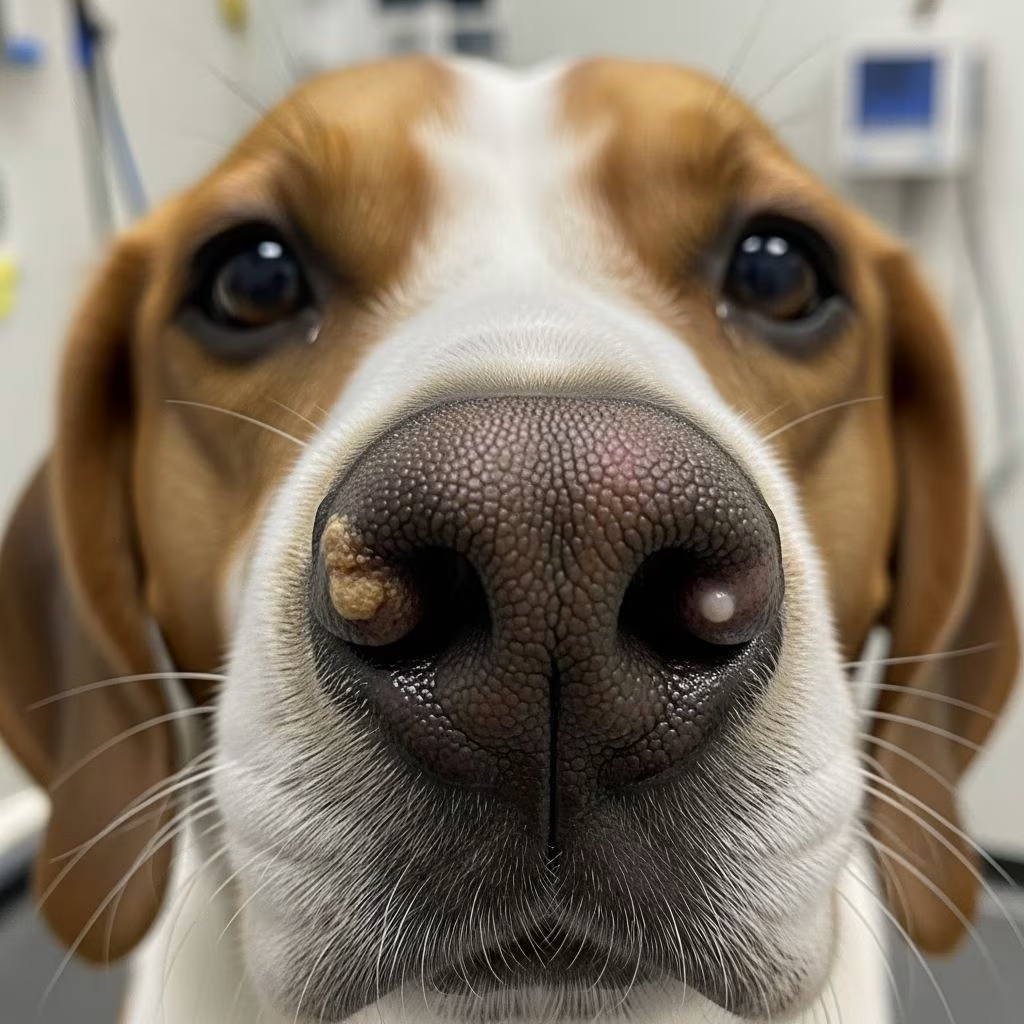
Dogs’ noses are vital for smelling, breathing, and exploring, but various skin conditions can compromise their health and comfort. These disorders, known collectively as nasal dermatoses, range from mild irritations to severe diseases requiring veterinary intervention. Early recognition of symptoms like crusting, redness, or depigmentation can lead to timely treatment and prevent complications such as secondary infections.
Understanding the Anatomy of a Dog’s Nose
The nasal planum, the exposed leathery surface of a dog’s nose, is uniquely susceptible to environmental stressors, infections, and immune responses. Unlike haired skin, it lacks fur protection, making it prone to dryness, cracking, and UV exposure. Breeds with short muzzles or light pigmentation, such as Collies or white-nosed dogs, face heightened risks. Maintaining this area’s moisture and integrity is crucial for overall well-being.
Common Symptoms to Watch For
Owners often notice changes in their dog’s nose before other signs emerge. Key indicators include:
- Dryness and cracking: Rough, thickened skin that may fissure, causing pain during eating or play.
- Redness and swelling: Inflammation around the nostrils, sometimes with oozing or bleeding.
- Crusting or scaling: Buildup of dry flakes, potentially leading to secondary bacterial growth.
- Depigmentation: Loss of black pigment, revealing pink or white areas vulnerable to sun damage.
- Bumps or ulcers: Raised lesions, erosions, or sores that persist despite home care.
These symptoms can overlap across conditions, emphasizing the need for professional evaluation rather than self-diagnosis.
Infectious Causes of Nasal Dermatoses
Infections are among the most frequent culprits, thriving in the moist environment of the nose. Bacterial overgrowth, particularly from Staphylococcus pseudintermedius, leads to mucocutaneous pyoderma (MCP), common in German Shepherds. This presents as crusty, exudative margins around the nostrils, confirmed by cytology showing neutrophils and cocci bacteria.
Fungal infections like Trichophyton dermatophytosis affect soil-exposed dogs, mimicking bacterial issues with alopecia and scaling. Diagnosis involves fungal cultures, and treatment combines topical antifungals with systemic medications. Viral links, such as canine distemper in unvaccinated pups, cause hyperkeratosis—excess keratin buildup—alongside paw pad changes. Protozoal leishmaniasis, prevalent in endemic areas, erodes and depigments the planum, detectable via PCR or histopathology.
Autoimmune and Immune-Mediated Conditions
Autoimmune diseases attack the nasal skin, causing erosions, crusts, and bleeding. Discoid lupus erythematosus (DLE), or “Collie nose,” targets lightly pigmented areas with interface dermatitis, basement membrane thickening, and pigment loss. Histology reveals hydropic degeneration and inflammation; initial therapy uses 0.1% tacrolimus ointment, tapered over time.
Mucocutaneous lupus and pemphigus foliaceus produce similar ulcerative lesions, necessitating biopsies for confirmation. Systemic lupus erythematosus may involve antinuclear antibody testing. Immunosuppressants like corticosteroids form the backbone of management, with sun protection essential.
Genetic and Breed-Specific Nasal Issues
Certain breeds inherit nasal vulnerabilities. Labrador Retrievers suffer hereditary nasal parakeratosis, featuring parakeratotic hyperkeratosis and serum lakes on histology. Treatment mirrors general hyperkeratosis with keratolytics and balms like those containing salicylic acid.
Idiopathic nasal hyperkeratosis in older dogs causes crusty, fissured noses without underlying disease. Breeds like Irish Terriers and Bedlington Terriers are prone, managed with moisturizers to prevent infections. These cosmetic issues can escalate if fissures allow bacterial entry.
Environmental and Allergic Triggers
Sun exposure drives nasal solar dermatitis, progressing from erythema to crusting or even squamous cell carcinoma in unchecked cases. Lightly pigmented noses worsen with UV rays; prevention includes pet-safe sunscreens applied twice daily and shade during peak hours.
Allergies manifest as atopic dermatitis on the nose, often with foot or ear involvement. Insect bites trigger eosinophilic furunculosis—sudden swelling and exudation—while plastic bowl reactions lighten the planum. Contact dermatitis from snow or chemicals causes similar irritation.
Systemic and Neoplastic Factors
Metabolic issues like zinc-responsive dermatosis in Huskies or Malamutes lead to parakeratosis and crusts, resolved with zinc supplementation. Hepatocutaneous syndrome, tied to liver disease or glucagonomas, features multifocal crusting on nose, pads, and body, with systemic signs like diabetes.
Neoplasms, though rare, include melanomas or squamous cell carcinomas, appearing as ulcerated masses. Biopsy differentiates these from inflammatory diseases, often requiring surgery or radiation.
Diagnostic Approaches for Accurate Identification
Veterinarians start with history and exam, noting breed, onset, and progression. Cytology from impression smears detects bacteria or yeast; skin scrapings rule out mites. Cultures guide antibiotic choice, while biopsies provide definitive histology—essential for autoimmune or neoplastic suspicions.
Advanced tests like PCR for leishmania or ANA for lupus refine diagnoses. Trial therapies, such as sun avoidance for solar dermatitis, aid confirmation.
Treatment Strategies by Condition Type
Tailored therapies address root causes:
| Condition | Primary Treatments | Supportive Care |
|---|---|---|
| Bacterial Pyoderma | Systemic antibiotics (e.g., cephalexin), topical antiseptics | Cleaning, maintenance topicals |
| Fungal Infections | Itraconazole or terbinafine systemically | Clipping hair, medicated shampoos |
| Autoimmune (DLE) | Tacrolimus ointment, steroids | Sun protection, immunosuppressants |
| Hyperkeratosis | Keratolytics (salicylic acid), moisturizing balms | Daily application, fissure prevention |
| Solar Dermatitis | Topical steroids, sunscreens | Limited sun exposure |
Addressing deficiencies (zinc, nutrition) prevents recurrence.
Preventive Measures for Healthy Nasal Skin
- Apply vet-recommended sunscreens to light noses daily.
- Use moisturizing balms on dry or cracked areas.
- Maintain vaccinations against distemper.
- Opt for stainless steel or ceramic bowls to avoid plastic reactions.
- Monitor for soil exposure in hunting breeds.
Regular grooming and prompt vet visits catch issues early.
When to Seek Veterinary Care Urgently
Consult a vet if symptoms persist beyond a week, worsen, or include lethargy, appetite loss, or spreading lesions. Sudden swelling suggests furunculosis; bleeding or deep ulcers warrant immediate attention to avert sepsis.
FAQs on Canine Nasal Skin Disorders
What causes a dog’s black nose to turn pink?
Depigmentation stems from solar damage, autoimmune diseases like DLE, or allergies. Sun avoidance and biopsy help pinpoint the cause.
Can hyperkeratosis on a dog’s nose heal on its own?
Mild cases may improve with moisturizers, but genetic or idiopathic forms require ongoing management to avoid cracks and infections.
Is sunscreen safe for dogs’ noses?
Yes, pet-specific formulas without zinc oxide (toxic if ingested) are ideal. Apply liberally and reapply after swimming.
How do I differentiate infection from allergy?
Infections show pus or cocci on cytology; allergies lack organisms but may have eosinophils. History and trials guide diagnosis.
Are certain breeds more prone to nasal issues?
Yes—Collies (solar dermatitis), Labs (parakeratosis), German Shepherds (pyoderma), and northern breeds (zinc issues).
Long-Term Management and Prognosis
Most nasal dermatoses respond well to targeted care, with autoimmune cases needing lifelong topicals. Owners report improved quality of life through diligent prevention. Regular dermatology check-ups ensure control, especially in predisposed breeds. By understanding these conditions, pet parents can safeguard their dogs’ sniffing adventures.
References
- Dog Nose Hyperkeratosis: Causes, Symptoms, & Treatment — Vetericyn. 2023. https://vetericyn.com/blogs/vetericyn/dog-nose-hyperkeratosis
- Common Skin Diseases Affecting the Nasal Planum of Dogs — MedVet. 2024. https://www.medvet.com/nasal-planum-in-dogs/
- Nasal Dermatoses of Dogs — MSD Veterinary Manual. 2025-02-01. https://www.msdvetmanual.com/integumentary-system/nasal-dermatoses-of-dogs/nasal-dermatoses-of-dogs
- Nasal Dermatoses in Dogs — Merck Veterinary Manual. 2024. https://www.merckvetmanual.com/dog-owners/skin-disorders-of-dogs/nasal-dermatoses-in-dogs
- Diseases of the Skin on the Nose in Dogs — WagWalking. 2023. https://wagwalking.com/condition/diseases-of-the-skin-on-the-nose



