

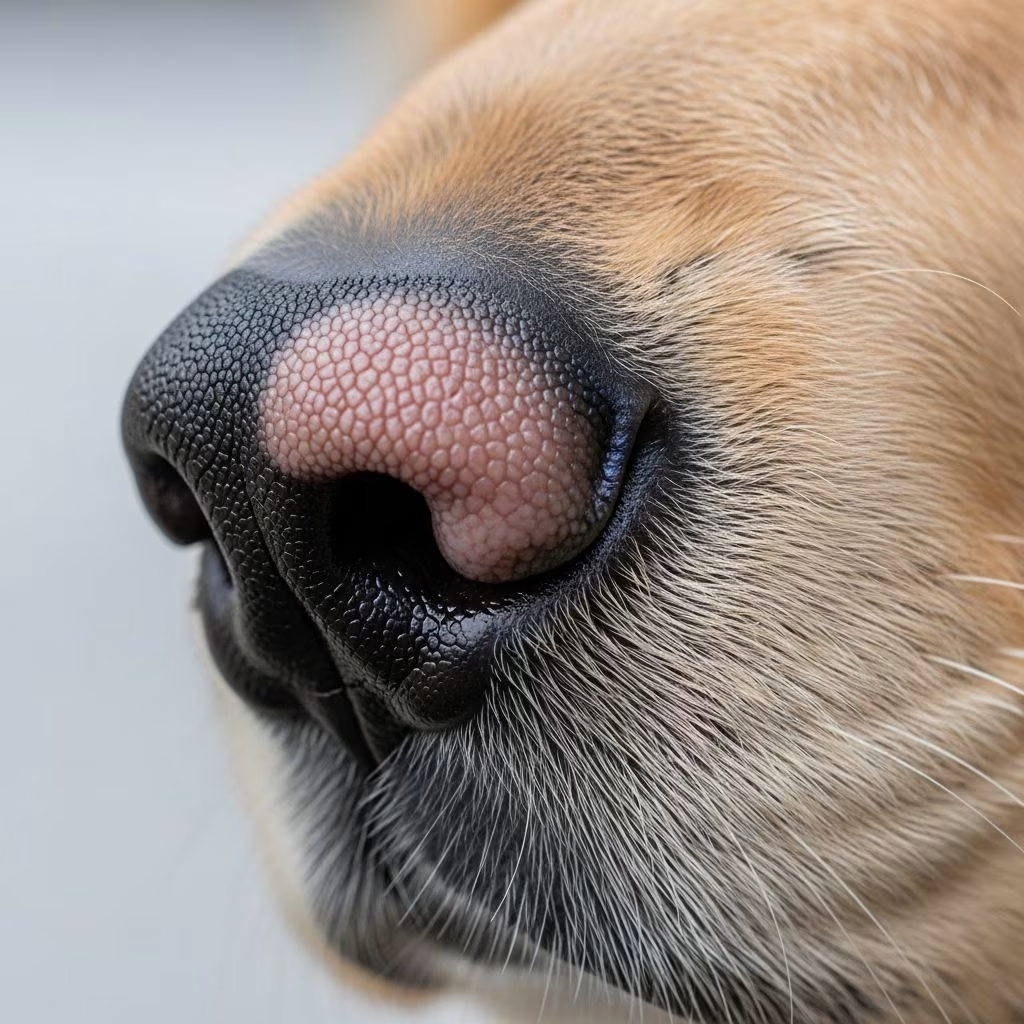
Dog owners often notice surprising changes in their pet’s appearance as seasons shift. One of the most common and puzzling observations is when a dog’s nose transitions from its typical dark coloring to a lighter pink shade during colder months. This phenomenon, while visually striking, is generally harmless and temporary. However, understanding what causes these changes and recognizing when they warrant veterinary attention is essential for responsible pet ownership.
The Condition: Seasonal Nasal Hypopigmentation Explained
Seasonal nasal hypopigmentation (SNH), commonly referred to as “snow nose” or “winter nose,” is a benign cosmetic condition where a dog’s nasal tissue loses pigmentation and appears lighter in color. The nose typically transitions from its natural dark brown or black coloring to pink or pale brown tones. This depigmentation can manifest in various patterns—some dogs experience widespread color loss across the entire nose, while others display only partial changes such as a distinctive pink stripe running down the center or scattered pink spots.
The condition is classified as a “seasonal depigmenting disorder” because it predominantly occurs during winter months and in colder climates. What makes this condition particularly interesting to veterinarians and researchers is its temporary nature and the mystery surrounding its exact mechanisms. For most affected dogs, nasal pigmentation gradually returns to normal once warmer weather arrives and daylight hours increase.
The Mystery Behind Pigmentation Loss
Despite its prevalence in canine populations, the precise cause of seasonal nasal hypopigmentation remains undetermined. However, veterinary researchers have developed several working hypotheses based on observed patterns and breed susceptibility:
Enzymatic Sensitivity Theory
The most widely discussed explanation involves tyrosinase, an enzyme critical for melanin production in skin tissues. Tyrosinase demonstrates sensitivity to cold temperatures, which could explain why pigmentation decreases during winter months. Interestingly, this same enzyme naturally breaks down with advancing age, which may account for why senior dogs sometimes develop permanently lighter noses regardless of season. This theory, while compelling, has limitations—it fails to explain why some dogs in warmer climates also experience nasal color changes, suggesting additional factors contribute to this phenomenon.
Light and Temperature Dependency
Researchers propose that the enzymes governing melanin production may be light or temperature dependent. Reduced daylight exposure during winter months could trigger decreased melanin synthesis in nasal tissues. UV exposure patterns also play a potential role, as some studies suggest that ultraviolet light influences pigment cell function. The combination of shorter days, lower temperatures, and reduced sun exposure creates an environment where pigmentation decreases naturally.
Genetic and Environmental Factors
Genetic predisposition significantly influences which dogs develop seasonal nasal hypopigmentation. Certain breeds demonstrate substantially higher susceptibility, pointing to inherited traits affecting pigment distribution and regulation. Additionally, some veterinarians hypothesize that exposure to chemicals in certain food and water dishes, or environmental contaminants, may contribute to pigmentation loss in susceptible individuals.
Breeds Most Commonly Affected
While seasonal nasal hypopigmentation can theoretically affect any dog breed, specific breeds display markedly higher incidence rates. These breeds typically originate from northern climates where snow is abundant:
- Siberian Huskies – Frequently develop noticeable nasal color changes
- Golden Retrievers – Among the most commonly affected breeds
- Labrador Retrievers – Show high susceptibility to seasonal pigmentation loss
- Bernese Mountain Dogs – Commonly experience winter nose
The predominance of these breeds among affected dogs suggests that genetic factors play a crucial role in developing the condition. Dogs bred for cold climates may have genetic variations that make them more susceptible to seasonal pigmentation changes. However, this doesn’t mean other breeds are immune—any dog can develop snow nose, regardless of breed background or geographic origin.
Recognizing Snow Nose: Visual Characteristics
Identifying seasonal nasal hypopigmentation is relatively straightforward for informed pet owners. The condition presents with distinctive visual markers:
| Characteristic | Description |
|---|---|
| Color Change | Progression from dark brown/black to pink or pale brown |
| Pattern | Can appear as spots, stripes, or complete coverage |
| Texture | Maintains normal “cobblestone” appearance |
| Associated Symptoms | None; purely cosmetic with no discomfort |
| Timing | Develops during autumn/winter months |
| Duration | Temporary; resolves with seasonal changes |
The absence of additional symptoms distinguishes snow nose from more serious nasal conditions. The nose retains its normal texture and structure, with pigmentation being the only visible change. Dogs experience no pain, itching, or discomfort associated with the condition.
When Color Changes Signal Concern
While seasonal nasal hypopigmentation is benign, several serious conditions can mimic its appearance. Pet owners must recognize warning signs that indicate veterinary evaluation is necessary:
Discoid Lupus Erythematosus (DLE)
This autoimmune condition causes pigment loss on the nose along with visible ulcerations and loss of the normal nasal texture. It can also affect skin surrounding the eyes, ears, and lips.
Cutaneous Lymphoma
Certain cancers, including cutaneous lymphoma, present with hair loss, pigment changes, ulcerations, bumps, and redness around nasal regions and facial areas.
Pemphigus Foliaceous
Dogs with this condition develop blisters, ulcerations, and hair loss around facial areas, potentially accompanied by systemic signs including fever and lethargy.
Nasal Hyperkeratosis
This condition produces dry, crusty noses with potential bumps or fissures, differing significantly from smooth snow nose presentations.
Bacterial and Fungal Infections
Bacterial skin infections (pyoderma) can cause redness, swelling, and crusting on nasal tissue. Fungal infections like ringworm present with red, hairless, scaly, or itchy patches near the muzzle.
Uveodermatologic Syndrome
This condition causes pigment loss near the nose, mouth, and eyes, with the distinguishing feature of painful and inflamed eyes.
The Diagnostic Process
Since snow nose lacks a specific diagnostic test, veterinarians use a “diagnosis of exclusion” approach. This means confirming snow nose by ruling out alternative conditions that produce similar nasal color changes. Your veterinarian will evaluate your dog’s symptoms, medical history, and may recommend specific diagnostics such as tissue biopsies, bacterial or fungal cultures, or cytology samples depending on clinical presentation.
This thorough diagnostic approach ensures that serious underlying conditions are not overlooked while correctly identifying benign seasonal pigmentation changes.
Management and Treatment Considerations
No medical treatment is necessary for seasonal nasal hypopigmentation. The condition is entirely benign, causes no pain or discomfort, and resolves spontaneously as seasons change. Dogs with confirmed snow nose require only observation and monitoring for any additional symptoms that might suggest alternative diagnoses.
However, dogs that develop snow nose once will likely experience recurrence during subsequent winter months. This predictable pattern helps owners distinguish between seasonal changes and pathological conditions requiring intervention.
Long-term Patterns and Aging
As dogs age, patterns of pigmentation may shift unexpectedly. Senior dogs sometimes retain lighter nasal coloring year-round rather than experiencing pigment restoration in warmer months. This occurs because tyrosinase naturally diminishes with advancing age, resulting in permanent pigmentation changes. This age-related pigmentation loss is entirely normal and requires no intervention.
Additionally, the baseline pigmentation throughout a dog’s body can change with age, affecting not only the nose but also areas such as the tongue, gums, and belly.
Frequently Asked Questions
Is snow nose painful for my dog?
No. Snow nose is purely cosmetic and causes no pain, itching, or physical discomfort to affected dogs.
Can all dog breeds get snow nose?
While any breed can develop seasonal nasal hypopigmentation, certain breeds with northern heritage show higher susceptibility. Golden Retrievers, Labrador Retrievers, Siberian Huskies, and Bernese Mountain Dogs are most commonly affected.
Will my dog’s nose return to normal color?
In most cases, yes. Once warmer weather arrives and daylight increases, pigmentation typically returns to normal levels. However, senior dogs may experience permanent lighter coloring.
Should I take my dog to the vet if I notice nose color changes?
If the nose shows only color changes with no other symptoms and maintains its normal texture, snow nose is likely the cause. However, if color changes accompany sores, crusting, bleeding, itching, or other symptoms, veterinary evaluation is recommended.
Is there any way to prevent snow nose?
Since the exact cause remains unknown, prevention is not currently possible. However, understanding that the condition is temporary and harmless helps owners avoid unnecessary concern.
Conclusion: Monitoring Your Dog’s Nasal Health
Seasonal nasal hypopigmentation represents one of the most common yet mysterious color changes observed in dogs. While the exact mechanisms remain incompletely understood, evidence suggests that genetic predisposition, enzymatic sensitivity to cold and light, and temperature-dependent processes all contribute to this benign condition. Pet owners can take comfort in knowing that snow nose requires no treatment and poses no health risk to their dogs.
The key to responsible ownership lies in distinguishing between innocent seasonal color changes and symptoms of serious underlying conditions. By maintaining awareness of warning signs such as ulcerations, abnormal texture, discharge, or associated systemic symptoms, pet owners can ensure that their dogs receive appropriate veterinary care when needed while avoiding unnecessary anxiety over temporary cosmetic changes. When in doubt about nasal discoloration patterns, consulting with a veterinarian provides peace of mind and ensures your dog’s long-term health and wellbeing.
References
- Snow Nose in Dogs: A Veterinarian Explains — Dr. Julie Buzby, ToGrips. Accessed February 2026. https://toegrips.com/snow-nose-dog/
- Dog Snow Nose: Why Dogs’ Noses Turn Pink — Hill’s Pet Nutrition. Accessed February 2026. https://www.hillspet.com/dog-care/behavior-appearance/dog-snow-nose
- Snow Nose in Dogs: Why Is My Dog’s Nose Turning Pink? — Petcube. Accessed February 2026. https://petcube.com/blog/snow-nose-in-dogs/
- Seasonal Nasal Hypopigmentation in Dogs — Vetster. Accessed February 2026. https://vetster.com/en/conditions/dog/seasonal-nasal-hypopigmentation
- Why is my dog’s nose changing color? Snow nose and Dudley nose explained — MyWoof. Accessed February 2026. https://mywoof.com/blogs/articles/why-is-my-dog-rsquo-s-nose-changing-color-snow-nose-and-dudley-nose-explained



