

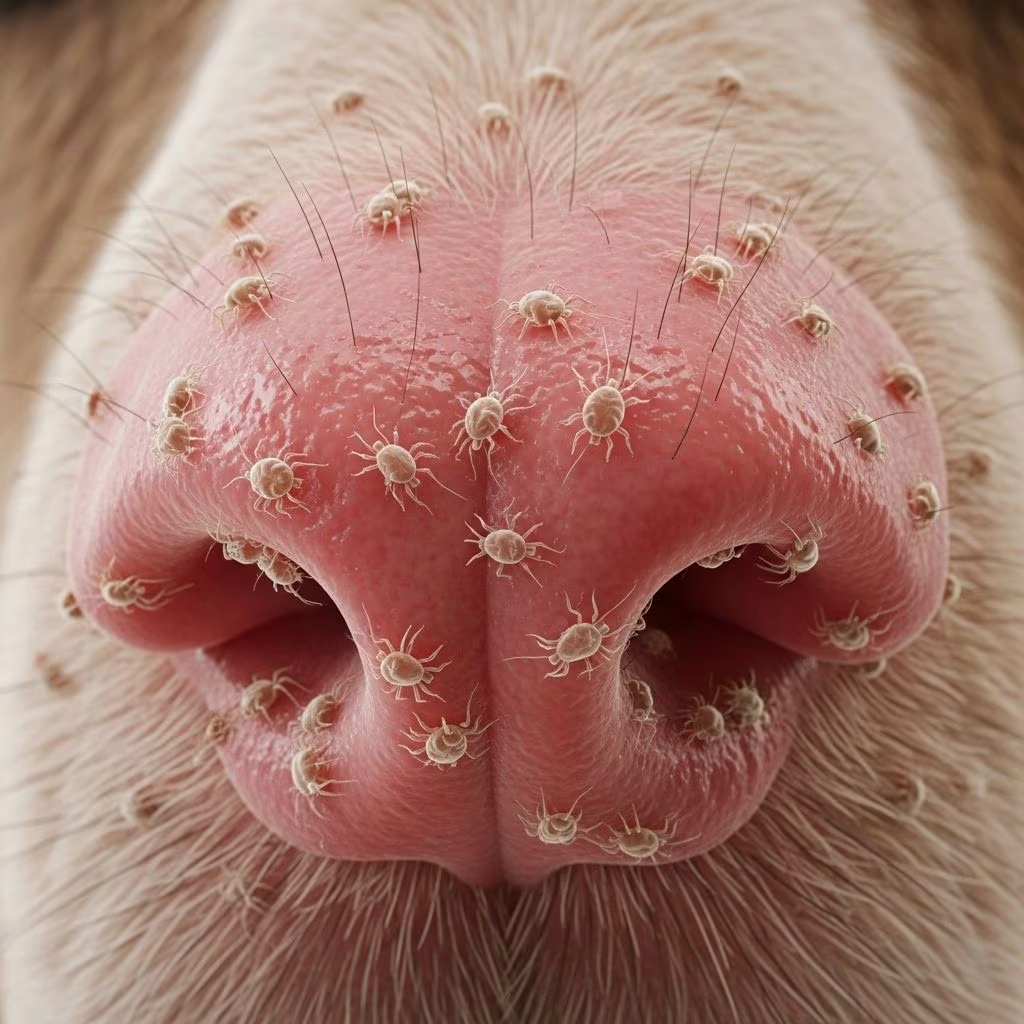
Canine nasal mites, caused by the parasite Pneumonyssoides caninum, reside in a dog’s nasal passages and sinuses, leading to discomfort and respiratory issues. These tiny arachnids can affect dogs of any age or breed, with prevalence reaching up to 25% in certain regions. While not typically life-threatening, they cause significant irritation, prompting pet owners to recognize early signs for prompt veterinary intervention.
The Nature of Nasal Mites in Dogs
Nasal mites are obligate parasites that complete their life cycle within the canine host’s upper respiratory tract. They measure about 1-2 mm in length, making them invisible to the naked eye. Transmission occurs primarily through direct nose-to-nose contact between infected and susceptible dogs or indirectly via shared environments like kennels or grooming tools. The full life cycle remains incompletely understood, but adults lay eggs in the sinuses, hatching into larvae that mature over weeks.
No evidence indicates zoonotic potential, meaning humans and other pets are not at risk from canine nasal mites. However, multi-dog households or those frequenting dog parks face higher exposure risks. Factors like stress, concurrent illnesses, or weakened immunity may exacerbate infestations.
Recognizing the Signs of Infestation
Many dogs harbor nasal mites asymptomatically, but when clinical signs appear, they center on nasal irritation. Common indicators include:
- Frequent sneezing, often forceful or persistent
- Nasal discharge, which may be clear, mucoid, or bloody
- Epistaxis (nosebleeds), ranging from spotting to profuse bleeding
- Reverse sneezing, characterized by rapid inward sniffs
- Head shaking or vigorous face rubbing against surfaces
- Noisy breathing, stridor, or labored respiration
- Reduced scent detection ability
- Facial itching or pawing at the nose
Less common symptoms encompass coughing, restlessness, or even collapse in severe cases. These signs mimic other conditions like allergies, infections, or tumors, underscoring the need for professional diagnosis.
Diagnostic Approaches for Accurate Identification
Veterinarians employ a multi-step process to confirm nasal mites, as symptoms overlap with numerous respiratory disorders. Initial evaluation includes a thorough physical exam and history review. Advanced diagnostics are essential:
| Method | Description | Advantages |
|---|---|---|
| Rhinoscopy | Endoscopic visualization of nasal passages under anesthesia | Direct mite observation; assesses tissue damage |
| Nasal Lavage/Flushing | Saline flush of nares, followed by microscopic exam of collected fluid | Non-invasive mite recovery; checks for secondary infections |
| Diagnostic Imaging | X-rays, CT scans to evaluate sinuses and rule out masses | Identifies structural abnormalities |
| Nasal Biopsy | Tissue sampling for histopathology | Detects inflammation or eosinophils |
Eosinophilia in bloodwork often supports suspicion, though not definitive. Definitive diagnosis requires visualizing mites, which dwell deep in caudal nasal cavities or frontal sinuses.
Effective Treatment Strategies
No FDA-approved drugs exist specifically for nasal mites, but antiparasitics yield success rates over 85%. Protocols target killing mites while alleviating symptoms. Key options include:
- Milbemycin oxime: 0.5-1 mg/kg orally weekly for 3 weeks; resolved signs in 85% of cases within 10-14 days.
- Ivermectin: 200-400 mcg/kg subcutaneously or orally, often weekly; effective in confirmed infestations.
- Selamectin: Topical application (6-24 mg/kg every 14 days for 3 doses).
- Imidacloprid/moxidectin: Likely efficacious based on similar parasites.
Symptomatic relief involves steroids for inflammation, antihistamines for itching, and antibiotics if bacterial complications arise. Treatment duration spans weeks, as mites persist up to three weeks post-therapy initiation. Follow-up exams ensure clearance, especially if signs linger, indicating coexisting issues.
Prognosis and Long-Term Management
Most dogs enjoy excellent outcomes, with symptoms resolving fully post-treatment. Persistence in 15% of cases often stems from undiagnosed concurrent diseases like rhinitis or neoplasia. Recurrence is possible without environmental decontamination. Owners should monitor for relapse and maintain regular vet check-ups.
Preventive Measures for Nasal Mite Avoidance
Prevention hinges on minimizing exposure:
- Avoid direct contact with unfamiliar dogs, especially in high-prevalence areas.
- Disinfect shared items like bowls, toys, and bedding.
- Limit dog park visits during outbreaks.
- Administer broad-spectrum parasite preventives, though efficacy varies.
- Maintain robust immunity via balanced nutrition and vaccinations.
Routine wellness exams facilitate early detection in at-risk populations.
Frequently Asked Questions (FAQs)
Are nasal mites contagious to humans?
No, canine nasal mites pose no zoonotic risk.
Can nasal mites cause death in dogs?
Rarely; they primarily cause discomfort unless secondary infections develop.
How long do treatments take to work?
Improvement often occurs within 10-14 days, with full resolution in weeks.
Is over-the-counter medication sufficient?
No; prescription antiparasitics are required for efficacy.
Do puppies get nasal mites?
Yes, any age or breed can be affected.
Latest Research Insights
Studies affirm milbemycin’s high efficacy, with one trial showing 85% complete resolution. CAPC guidelines endorse multiple agents, emphasizing combination therapy for stubborn cases. Ongoing research explores life cycle details to refine protocols.
In summary, vigilance empowers owners to safeguard canine companions from this underrecognized parasite. Consult veterinarians promptly for tailored care.
References
- Nasal Mites – Companion Animal Parasite Council — CAPC. Accessed 2026. https://capcvet.org/guidelines/nasal-mites/
- Nasal Mites in Dogs – Causes, Treatment and Associated Conditions — Vetster. Accessed 2026. https://vetster.com/en/conditions/dog/nasal-mites
- Use of milbemycin oxime in the treatment of dogs with nasal mite — PubMed. 1998-04-11. https://pubmed.ncbi.nlm.nih.gov/9551380/
- What Are Dog Nasal Mites? — Broomfield Veterinary Hospital. Accessed 2026. https://broomfieldvet.com/blog/dog-nasal-mites/
- How to Get Rid of Nasal Mites in Dogs — Whole Dog Journal. Accessed 2026. https://www.whole-dog-journal.com/health/how-to-get-rid-of-nasal-mites-in-dogs/
- Canine Nasal Mites – Dog Owners – MSD Veterinary Manual — MSD Veterinary Manual. Accessed 2026. https://www.msdvetmanual.com/dog-owners/lung-and-airway-disorders-of-dogs/canine-nasal-mites
- Canine Nasal Mites – Respiratory System – Merck Veterinary Manual — Merck Veterinary Manual. Accessed 2026. https://www.merckvetmanual.com/respiratory-system/respiratory-diseases-of-small-animals/canine-nasal-mites



