

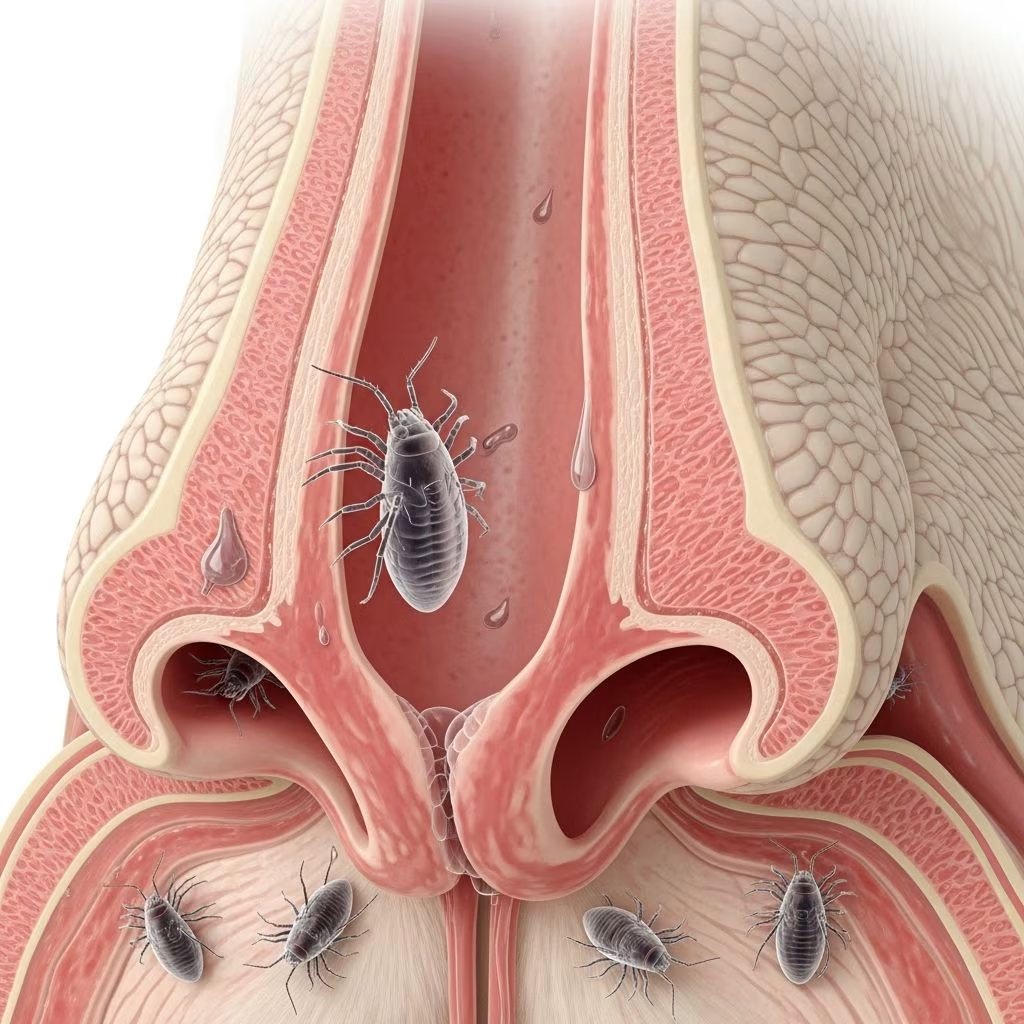
Canine nasal mites, scientifically known as Pneumonyssoides caninum, are tiny parasites that make their home in a dog’s nasal passages and sinuses. These mites can cause a range of uncomfortable symptoms, yet many infections go unnoticed because not all dogs show obvious signs. Affecting up to 25% of dogs in certain regions, nasal mites represent a common yet underdiagnosed issue in canine respiratory health. This guide breaks down everything dog owners need to know, from early detection to full recovery.
What Exactly Are Nasal Mites in Dogs?
Nasal mites are microscopic arachnids, related to spiders and ticks, that specifically target the upper respiratory tract of dogs. Unlike external parasites like fleas, these invaders dwell deep within the nasal cavities and frontal sinuses, where they feed on mucus and tissue fluids. Transmission occurs primarily through direct dog-to-dog contact, possibly via shared sniffing or airborne particles during sneezing. While the full life cycle remains partially mysterious, adult mites lay eggs in these moist environments, leading to persistent infestations if untreated.
These parasites thrive in the warm, humid conditions of a dog’s nose, potentially leading to inflammation known as rhinitis or sinusitis. Interestingly, studies link heavy infestations to increased risks of other conditions, such as gastric dilatation-volvulus (bloat), highlighting the need for prompt intervention.
Spotting the Signs: Symptoms of Nasal Mite Infestation
Not every infected dog displays symptoms, making nasal mites a stealthy foe. When signs do appear, they often mimic other respiratory problems, complicating initial assessments. Common indicators include:
- Frequent **sneezing**, sometimes forceful enough to expel mucus or blood.
- **Nasal discharge**, which can be clear, bloody, or pus-like.
- **Reverse sneezing**, a rapid inward sniffing sound as the dog inhales sharply.
- **Nosebleeds** (epistaxis), often unilateral but alarming for owners.
- **Facial itching or rubbing**, with head shaking to relieve discomfort.
- **Noisy or labored breathing**, including high-pitched wheezes.
- Reduced sense of smell, leading to disinterest in food or toys.
- Less common: coughing, restlessness, or even collapse in severe cases.
Owners might notice these issues seasonally or suddenly, especially in multi-dog households or after kennel visits. Early recognition is key, as untreated mites can damage nasal tissues and invite secondary bacterial infections.
How Vets Diagnose Nasal Mites Accurately
Diagnosis starts with a thorough history and physical exam, but confirming nasal mites requires advanced tools due to their deep location. Veterinarians follow a stepwise approach:
- Initial Screening: Blood tests for eosinophilia (elevated white cells indicating parasites) and imaging like X-rays or CT scans to rule out tumors, foreign bodies, or dental issues.
- Endoscopy (Rhinoscopy): A flexible scope visualizes mites crawling in nasal passages under anesthesia.
- Nasal Lavage: Flushing saline through the nose collects mites or debris for microscopic exam.
- Biopsy or Culture: Tissue samples check for concurrent infections.
These methods boast high specificity; for instance, rhinoscopy directly spots mites in over 85% of confirmed cases. Differential diagnoses include allergies, fungal infections, or polyps, underscoring the need for visualization.
Effective Treatment Options for Nasal Mite Infections
No FDA-approved drug exists solely for nasal mites, but several antiparasitics show excellent efficacy, resolving symptoms in 85%+ of cases. Treatment protocols vary by mite burden and dog health:
| Medication | Dosage & Schedule | Efficacy Notes |
|---|---|---|
| Milbemycin Oxime | 0.5-1 mg/kg orally, weekly for 3 weeks | Highly effective; 85% full resolution in studies. |
| Ivermectin | 200 μg/kg, injections or oral weekly | Rapid symptom relief, e.g., nosebleeds in 48 hours. |
| Selamectin | 6-24 mg/kg topically, 3x every 14 days | Successful in topical application. |
| Imidacloprid/Moxidectin | Standard spot-on doses | Likely effective based on similar parasites. |
Supportive care enhances outcomes: steroids or antihistamines reduce inflammation and itching, antibiotics combat secondary bacteria, and sedatives ease breathing distress. Follow-up scopes confirm clearance, with most dogs improving within 10-14 days. Note: Breed sensitivities (e.g., Collies to ivermectin) require genetic testing.
Prognosis and Long-Term Management After Treatment
The outlook is bright—most treated dogs achieve complete symptom resolution and lead normal lives. However, lingering signs may signal co-existing issues like chronic rhinitis. Re-infestation is possible without prevention, so monthly parasite preventives are advised year-round. Monitor for recurrence via annual check-ups, especially in high-risk areas.
Prevention Strategies to Protect Your Dog
Proactive measures minimize exposure:
- Avoid contact with symptomatic dogs at parks or boarding facilities.
- Administer broad-spectrum preventives (e.g., those targeting heartworms/mange) continuously.
- Maintain hygiene: Clean shared bowls and toys.
- Quarantine new dogs and screen high-risk breeds like Retrievers.
While not 100% foolproof, these steps drastically reduce prevalence.
Frequently Asked Questions (FAQs) About Canine Nasal Mites
Are nasal mites contagious to humans or cats?
No, P. caninum is dog-specific and poses no zoonotic risk.
Can my dog get nasal mites from the environment?
Direct dog contact is primary; indirect transmission is rare.
How long do symptoms take to appear after infection?
Variable, from weeks to months, depending on mite load.
Is home treatment safe?
No—misdiagnosis risks harm; always consult a vet.
What breeds are most susceptible?
No strong breed predilection, but hounds and sporting dogs report higher rates.
Emerging Research and Future Directions
Ongoing studies refine protocols, with milbemycin’s 85% success rate setting benchmarks. Links to bloat warrant further investigation. Owners should stay informed via trusted veterinary sources.
References
- Nasal Mites – Companion Animal Parasite Council — CAPC. Accessed 2026. https://capcvet.org/guidelines/nasal-mites/
- Nasal Mites in Dogs – Causes, Treatment and Associated Conditions — Vetster. Accessed 2026. https://vetster.com/en/conditions/dog/nasal-mites
- Use of milbemycin oxime in the treatment of dogs with nasal mite — PubMed. 1998-04-11. https://pubmed.ncbi.nlm.nih.gov/9551380/
- Canine Nasal Mites – Dog Owners – Merck Veterinary Manual — Merck Veterinary Manual. Accessed 2026. https://www.merckvetmanual.com/dog-owners/lung-and-airway-disorders-of-dogs/canine-nasal-mites
- How to Get Rid of Nasal Mites in Dogs — Whole Dog Journal. Accessed 2026. https://www.whole-dog-journal.com/health/how-to-get-rid-of-nasal-mites-in-dogs/
- Canine Nasal Mites – Dog Owners – MSD Veterinary Manual — MSD Veterinary Manual. Accessed 2026. https://www.msdvetmanual.com/dog-owners/lung-and-airway-disorders-of-dogs/canine-nasal-mites
- A Case of Canine Nasal Mites — LA County Public Health. Accessed 2026. http://publichealth.lacounty.gov/vet/docs/NasalMitesCanine.pdf



