

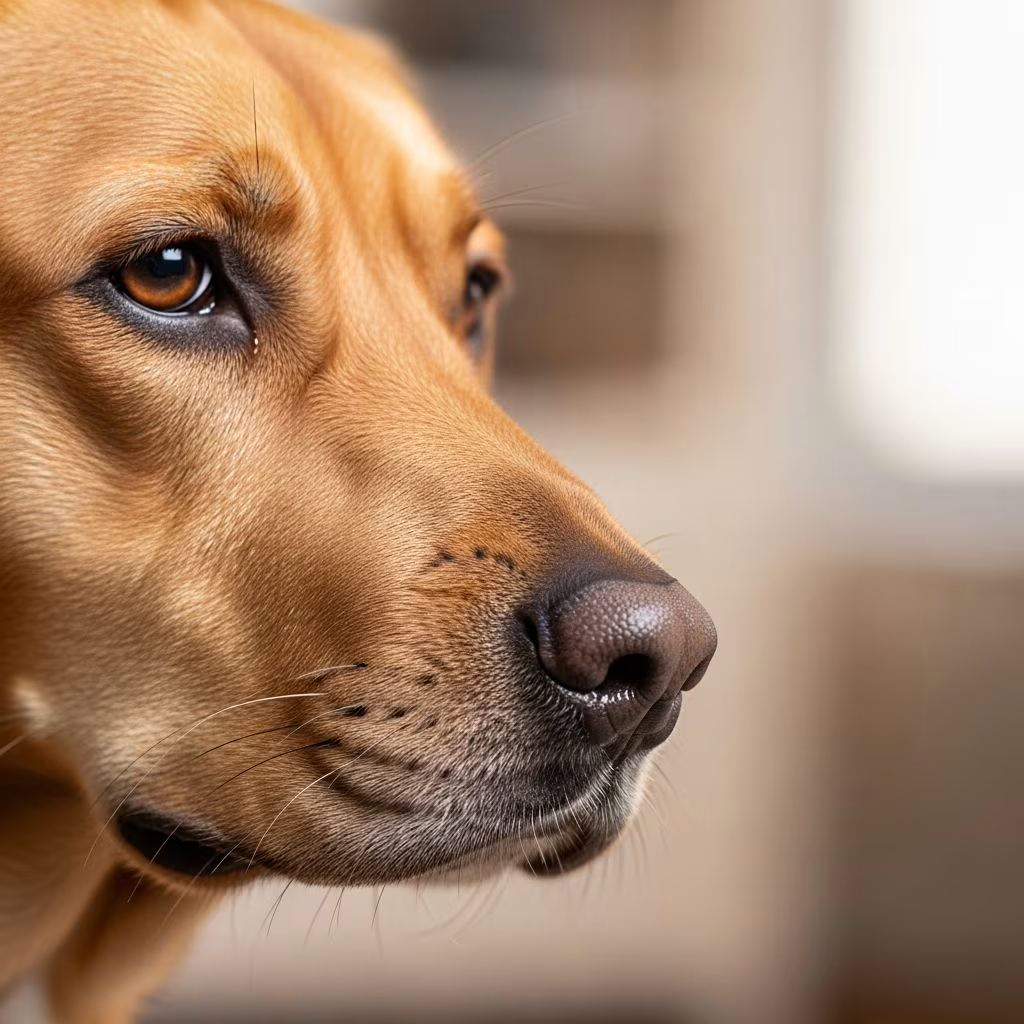
Dogs frequently encounter issues with their nasal passages and sinuses, leading to discomfort and health challenges. Rhinitis involves irritation of the nasal lining, while sinusitis affects the surrounding air-filled cavities. These conditions often overlap, creating rhinosinusitis, which demands prompt attention from pet owners.
Understanding the Anatomy of a Dog’s Nose and Sinuses
A dog’s nasal system is intricate, featuring a network of passages lined with mucus membranes that trap particles and cilia that propel debris outward. Sinuses, located above the nasal cavity, aid in humidifying air and lightening the skull. Disruptions here can lead to persistent problems due to the region’s complexity.
Breeds with short noses, like Pugs and Bulldogs, face heightened risks owing to their compressed airways, which hinder drainage and promote infections.
Common Signs Your Dog Has Nasal or Sinus Problems
Observing changes in your dog’s behavior and appearance is crucial for early detection. Key indicators include:
- Frequent or explosive sneezing, sometimes producing blood-tinged mucus.
- Persistent nasal discharge varying from clear fluid to thick, colored pus—often unilateral if a foreign object is involved.
- Noisy breathing, snoring, or open-mouth respiration signaling blockage.
- Facial pawing, rubbing, or swelling around the nose or eyes.
- Reduced appetite stemming from diminished smell sensation.
- Lethargy, coughing, or eye watering accompanying the primary symptoms.
Acute episodes might resolve quickly, but chronic cases persist, fluctuating in severity and affecting life quality.
Diverse Causes Behind Canine Nasal Distress
Multiple factors trigger these inflammations, categorized as infectious, non-infectious, or structural.
Infectious Triggers
Bacterial invasions often follow viral upper respiratory infections, with pathogens like Bordetella necessitating specific antibiotics. Fungal culprits, notably Aspergillus in German Shepherds, invade deeper tissues, demanding aggressive intervention. Viral agents typically self-limit but pave the way for secondary issues.
Non-Infectious Contributors
Foreign bodies such as grass seeds lodge in passages, sparking localized reactions. Dental abscesses erode into sinuses, while parasites like nasal mites cause irritation. Allergens provoke immune responses, and tumors or polyps obstruct flow in older dogs. Chronic idiopathic forms defy pinpointing, linked to immune dysregulation.
Structural and Genetic Factors
Brachycephalic anatomy predisposes certain breeds to recurrent episodes. Ciliary dyskinesia impairs mucus clearance, fostering chronic infections.
How Veterinarians Diagnose Nasal Conditions in Dogs
Diagnosis starts with a detailed history and physical exam, focusing on nasal airflow and discharge characteristics. Initial tests include:
- Radiographs to detect masses, fluid, or dental issues.
- Rhinoscopy for direct visualization and biopsy sampling.
- Cultures and cytology from discharge to identify microbes.
- CT scans or MRIs for intricate cases revealing tumors or fungal spread.
Advanced tools like endoscopy pinpoint foreign objects or plaques, guiding precise therapies.
Treatment Approaches for Acute and Chronic Cases
| Condition Type | Primary Treatments | Expected Outcomes |
|---|---|---|
| Bacterial | Oral or nebulized antibiotics (e.g., doxycycline, Clavamox) | Resolution in 1-2 weeks; recurrence possible |
| Fungal (Aspergillus) | Debridement + antifungal infusions (amphotericin B) | Guarded; multiple sessions needed |
| Chronic Inflammatory | NSAIDs (meloxicam), steroids (prednisone), doxycycline | Partial relief; long-term management |
| Foreign Body | Rhinoscopic removal | Rapid improvement post-extraction |
| Dental-Related | Tooth extraction under anesthesia | Full clearance after source removal |
Treatments target root causes. Antibiotics combat bacteria, but resistance looms with incomplete courses—always finish prescriptions. Fungal therapies vary by species; Cryptococcus responds to fluconazole. Anti-inflammatories ease idiopathic flares, never combining NSAIDs and steroids. Surgical options like sinus trephination flush persistent pockets.
Supportive Care to Aid Recovery at Home
Complement vet care with:
- Humidifiers or steam sessions to loosen secretions.
- Gentle saline nasal rinses if vet-approved.
- Clean, allergen-free environments via frequent bedding washes.
- Elevated food bowls for comfortable eating.
Monitor for worsening signs like bloody discharge or breathing distress, warranting immediate vet visits.
Long-Term Outlook and Prognosis Factors
Acute bacterial cases often resolve fully, though anatomy invites relapses. Fungal infections carry guarded prognoses, especially if cerebral involvement occurs. Ciliary dyskinesia yields poor long-term results due to clearance deficits. Idiopathic chronic forms frustrate with variable responses, but many dogs maintain comfort via ongoing therapy. Early intervention markedly improves outcomes.
Preventive Strategies for Respiratory Wellness
Minimize risks through:
- Vaccinations against respiratory viruses.
- Brachycephalic corrective surgeries for better airflow.
- Seasonal allergy controls like hypoallergenic diets.
- Regular dental checkups to avert abscesses.
- Avoiding irritants such as smoke or strong scents.
Brachycephalic owners should prioritize weight management and cooling to reduce stress on airways.
Frequently Asked Questions (FAQs)
Can rhinitis resolve without treatment?
Mild viral cases may self-resolve, but persistent symptoms require vet evaluation to rule out complications.
Is sneezing always a sign of infection?
No—foreign objects, allergies, or tumors can trigger it. Diagnosis clarifies the cause.
Are home remedies safe for sinus issues?
Humidifiers help, but avoid over-the-counter decongestants without vet approval due to risks.
How do I know if it’s rhinitis or something worse?
Unilateral discharge or facial deformity suggests deeper issues like tumors; seek imaging.
Do all dogs recover fully from fungal rhinitis?
Not always—success depends on strain and extent, with some needing lifelong meds.
Special Considerations for High-Risk Breeds
Short-nosed dogs benefit from airflow-enhancing surgeries, reducing infection frequency. Monitor seniors closely for neoplastic changes.
References
- Rhinitis and Sinus Infections in Dogs — PetMD. 2023. https://www.petmd.com/dog/symptom/rhinitis-sinus-infections-in-dogs
- Canine Rhinitis and Sinusitis: A Closer Look — PetCareRx. 2023. https://www.petcarerx.com/article/canine-rhinitis-and-sinusitis-a-closer-look/6712
- Rhinitis and Sinusitis in Dogs — Merck Veterinary Manual. 2023-10-17. https://www.merckvetmanual.com/dog-owners/lung-and-airway-disorders-of-dogs/rhinitis-and-sinusitis-in-dogs
- Canine chronic inflammatory rhinitis — PubMed (J Vet Dent). 2006-06. https://pubmed.ncbi.nlm.nih.gov/16711613/
- Sinusitis and Rhinitis in Dogs — Falls Village Vet. 2023. https://raleighncvet.com/dog-care/sinusitis-and-rhinitis-in-dogs/
- How to Help a Dog With a Stuffy Nose — GoodRx. 2023. https://www.goodrx.com/pet-health/dog/stuffy-nose



