

Introduction to Seasonal Pigmentation Loss in Dogs
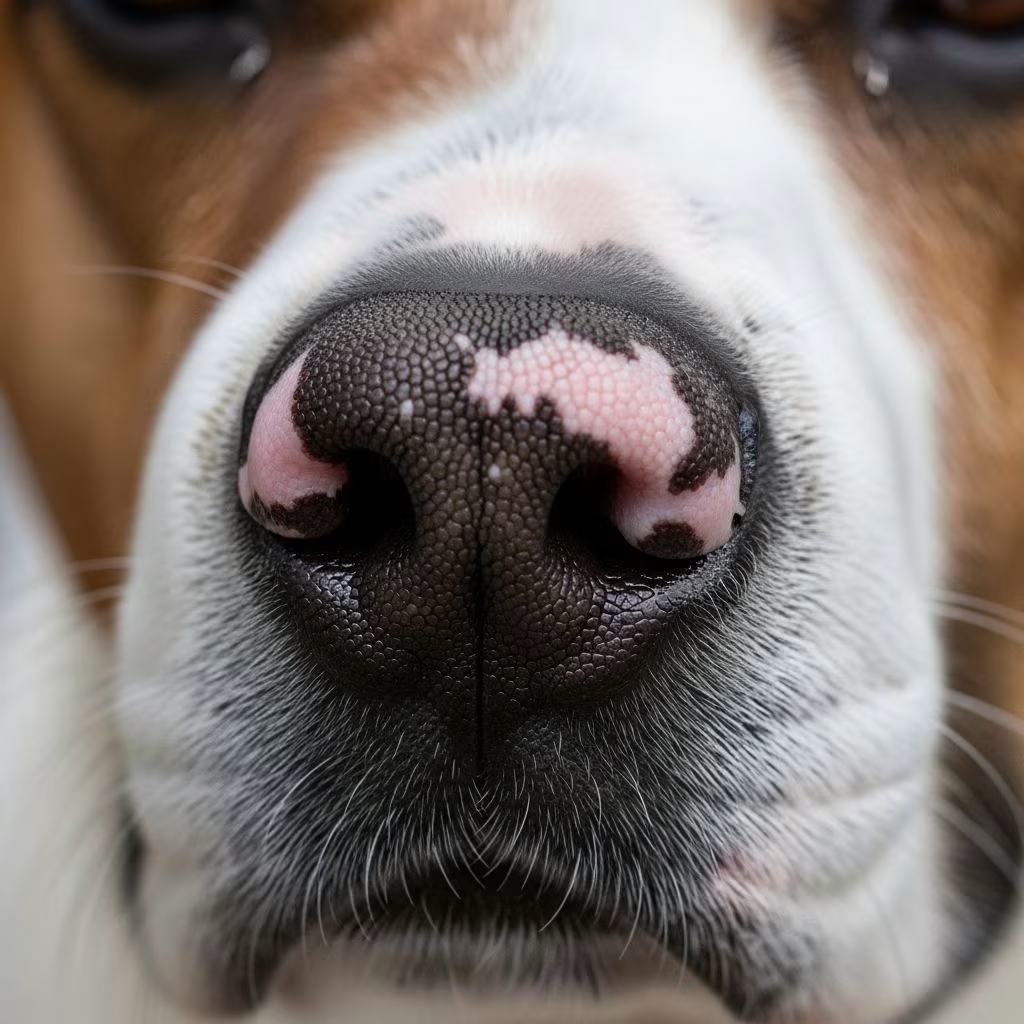
Many dog owners experience a puzzling change in their pet’s appearance as winter approaches. A nose that has been jet black or deep brown suddenly develops lighter patches, turning shades of pink or even pale cream. This transformation can alarm owners who worry their dog has developed a serious health condition. However, this phenomenon—commonly referred to as snow nose or seasonal nasal hypopigmentation—is a benign cosmetic condition that affects dogs across various breeds and geographic locations. Understanding this condition helps pet owners distinguish between a harmless aesthetic change and potentially serious health concerns that require veterinary intervention.
Defining Seasonal Nasal Hypopigmentation in Dogs
Seasonal nasal hypopigmentation, scientifically termed a seasonal depigmenting disorder, describes a temporary loss of pigment in a dog’s nose that results in visible lightening of color. The condition typically manifests as a gradual transition from the dog’s natural dark coloration to varying shades of pink, light brown, or white. This pigment loss can affect the entire nose surface or appear as partial patches and stripes. The term “snow nose” became popular because the condition most frequently occurs during winter months, though it can develop year-round and is not limited to cold climates.
What distinguishes snow nose from other canine conditions is its exclusively cosmetic nature. Unlike infections or autoimmune disorders, snow nose does not cause physical discomfort, alter nasal texture, or affect a dog’s quality of life. The nose remains fully functional, and affected dogs experience no pain, breathing difficulties, or systemic symptoms. This characteristic makes it fundamentally different from serious nasal conditions that may initially appear similar to an untrained eye.
The Science Behind Melanin and Nasal Color
To understand why snow nose occurs, it helps to examine the biological processes controlling nose pigmentation. Melanin, the pigment responsible for the color of skin, hair, and noses, is produced through an enzymatic process. A crucial enzyme called tyrosinase catalyzes the creation of melanin from amino acids. This enzyme is sensitive to environmental conditions, particularly temperature variations and light exposure. When tyrosinase becomes less active due to cold temperatures or reduced daylight hours, melanin production decreases, resulting in visible pigment loss on the nose.
The sensitivity of tyrosinase to cold temperatures provides one explanation for why snow nose occurs predominantly during winter. As outdoor temperatures drop and daylight hours shorten, the enzyme may function less efficiently, leading to reduced melanin production in the exposed nasal tissue. Additionally, some researchers suggest that ultraviolet light exposure plays a role in pigment maintenance, and reduced winter sun exposure might contribute to depigmentation. However, the exact mechanisms remain incompletely understood due to limited research on this benign condition.
Identifying Snow Nose in Your Dog
Recognizing snow nose involves observing specific characteristics that distinguish it from more serious conditions. The primary and often only observable sign is a gradual lightening of the nose color. This change typically appears as patches or a distinctive stripe running down the center of the nose, sometimes resembling frost or snowflake patterns. Dog owners should monitor how the discoloration appears:
- Gradual color transition from dark to light shades
- Partial or complete nose depigmentation
- Symmetrical or asymmetrical pigment loss patterns
- Seasonal appearance aligned with winter months
- Preservation of normal nose texture and moisture
The critical distinction is that true snow nose affects only the color of the nose. The texture remains the normal “cobbled leather” appearance, moisture levels stay consistent, and the dog shows no signs of discomfort or sensitivity when the nose is touched. If you observe other changes alongside pigmentation loss, this may indicate a different condition requiring veterinary attention.
Breed Predisposition and Genetic Factors
While any dog can potentially develop snow nose, certain breeds exhibit this condition more frequently than others. Research indicates that genetic factors play a role in susceptibility to seasonal nasal hypopigmentation. Breeds commonly affected include:
- Golden Retrievers
- Labrador Retrievers
- Siberian Huskies
- Bernese Mountain Dogs
The genetic predisposition may relate to variations in pigment genes, such as mutations in the TYRP1 gene, which interferes with pigment production. However, this genetic component does not mean that other breeds cannot develop snow nose—it simply indicates that some breeds show higher prevalence rates. Environmental factors and individual variation still play significant roles in determining whether a particular dog experiences seasonal pigment loss.
Comparing Snow Nose to Other Nasal Conditions
| Condition | Primary Characteristics | Associated Symptoms | Veterinary Care Required |
|---|---|---|---|
| Snow Nose | Gradual pigment loss, pink/light coloration | Color change only | No |
| Discoid Lupus Erythematosus (DLE) | Pigment loss with sores and crusting | Bleeding, ulcerations, discomfort | Yes |
| Nasal Hyperkeratosis | Crusty, dry nose appearance | Bumps, fissures, excessive dryness | Yes |
| Pemphigus Foliaceous | Blisters and ulcerations | Hair loss, fever, lethargy | Yes |
Understanding these distinctions helps owners avoid unnecessary alarm while ensuring that genuine health concerns receive appropriate attention. Conditions like discoid lupus erythematosus can superficially resemble snow nose but include additional symptoms such as sores, bleeding, crusting, and signs of systemic illness that should prompt immediate veterinary evaluation.
When to Consult Your Veterinarian
While snow nose itself requires no medical treatment, owners should monitor their dogs for warning signs that indicate a condition requiring professional evaluation. Contact your veterinarian if you observe the following:
- Sudden or rapid pigment loss accompanied by other symptoms
- Sores, bleeding, or crusting on the nose surface
- Changes in nose texture from normal leather-like appearance to smooth or shiny
- Excessive dryness, cracking, or fissures
- Your dog pawing at or rubbing the nose frequently
- Nasal discharge, sneezing, or respiratory symptoms
- Signs of systemic illness such as fever or lethargy
- Sudden onset pigmentation changes in older dogs
These symptoms may indicate conditions like thyroid disease, autoimmune disorders, or dermatological infections that require professional diagnosis and treatment. The key is distinguishing between the purely cosmetic color change of snow nose and signs of pathological conditions that affect the dog’s health.
The Course of Snow Nose Throughout the Year
The progression of snow nose typically follows predictable seasonal patterns, though individual variation exists. In most dogs, pigmentation begins to lighten as temperatures drop in fall and winter, reaching its most pronounced appearance during the coldest months. As temperatures rise in spring and summer, melanin production typically resumes, and the nose gradually returns to its original dark coloration. This seasonal reversal reflects the temperature sensitivity of the tyrosinase enzyme responsible for pigment production.
However, some dogs experience permanent pigmentation changes despite seasonal warming. This permanence can occur for several reasons. Aging affects melanin production, and senior dogs may retain lighter nose coloration year-round, similar to how human hair grays with age. Additionally, individual genetic factors and metabolic differences may cause some dogs to maintain depigmented noses even when environmental conditions improve.
Age-Related Pigmentation Changes
The relationship between aging and nasal pigmentation extends beyond snow nose to encompass broader pigmentary changes in senior dogs. As dogs age, their ability to produce melanin naturally decreases. This process can manifest as graying of the muzzle and coat, and similarly, as a permanent lightening of the nose. Some older dogs develop a permanent light brown or pink nose that persists regardless of season or temperature. This age-related change is entirely normal and benign, requiring no intervention beyond routine monitoring.
Environmental and Lifestyle Factors
While cold temperature and reduced daylight represent the primary environmental factors associated with snow nose, other elements may influence pigmentation changes. Dogs living in consistently cold climates may develop persistent depigmentation that doesn’t follow typical seasonal patterns. Conversely, dogs in warmer regions can still develop snow nose, suggesting that factors beyond temperature alone contribute to the condition. Indoor dogs with limited sun exposure may experience different pigmentation patterns than outdoor dogs with regular UV exposure.
The variation in snow nose manifestation across different climates and individual dogs underscores that the exact causative mechanism remains incompletely understood. This knowledge gap exists partly because snow nose, as a benign cosmetic condition, has not received extensive research attention from the veterinary scientific community.
Understanding the “Dudley Nose” Connection
Some dog owners encounter the term “Dudley nose” in discussions about canine nasal depigmentation. This term refers to lighter-colored noses in dogs that may represent genetic pigmentation variations distinct from seasonal snow nose. Where snow nose is temporary and environmentally triggered, a Dudley nose may be a more permanent genetic trait influenced by specific pigment genes. Understanding this distinction helps owners recognize whether their dog’s lighter nose represents a seasonal condition or a lifelong genetic characteristic.
Care and Management of Snow Nose
Since snow nose represents a harmless cosmetic condition requiring no medical treatment, care focuses primarily on monitoring and distinguishing it from serious conditions. However, owners can take steps to support nasal health:
- Monitor the nose regularly for any changes beyond color
- Maintain awareness of seasonal patterns in your dog’s nose
- Document photographs for veterinary reference if concerned
- Ensure regular veterinary check-ups to rule out underlying conditions
- Protect your dog’s nose from extreme weather when possible
- Watch for any accompanying symptoms that warrant professional evaluation
These management strategies emphasize prevention of confusion between snow nose and genuine health concerns rather than treatment of snow nose itself.
Frequently Asked Questions About Canine Nasal Depigmentation
Is snow nose painful for my dog?
No, snow nose causes no pain or discomfort. The nose remains fully functional and sensitive to normal stimuli. If your dog shows signs of nasal discomfort, this suggests a different condition requiring veterinary attention.
Will my dog’s nose color return to normal?
In most dogs, pigmentation returns when temperatures warm. However, some dogs retain lighter noses permanently, especially as they age. This permanent depigmentation is harmless and cosmetic.
Can snow nose occur outside of winter?
Yes, while less common, snow nose can occur year-round and is not limited to cold climates. Individual variation and breed predisposition influence when and whether a dog develops seasonal depigmentation.
Do all dogs develop snow nose?
No, snow nose affects some dogs while others never experience pigmentation changes. Genetic factors and breed predisposition influence susceptibility, though dogs of any breed can potentially develop the condition.
Should I treat snow nose?
Snow nose requires no treatment. However, if pigmentation changes accompany other symptoms such as sores, discharge, or behavioral changes, veterinary evaluation is appropriate to rule out other conditions.
Conclusion: Recognizing a Common Cosmetic Phenomenon
Snow nose represents a common, benign phenomenon in which dogs’ noses temporarily or permanently lose pigmentation, typically during winter months. This seasonal nasal hypopigmentation, while cosmetically noticeable, causes no physical harm or discomfort to affected dogs. The underlying mechanism involves temperature-sensitive enzymes that regulate melanin production, though researchers continue investigating the complete picture of causation.
The key for dog owners is distinguishing between the purely cosmetic pigment loss of snow nose and symptoms of serious conditions that may superficially resemble it. By understanding the characteristics of true snow nose—color change without texture changes, absence of sores or discharge, and no signs of systemic illness—owners can respond appropriately to their dogs’ health concerns. When pigmentation changes occur alongside other symptoms, veterinary consultation ensures timely identification and treatment of any underlying health issues.
References
- Snow Nose in Dogs: What Is It and Why Does It Happen? — Chewy. Accessed March 2026. https://www.chewy.com/education/dog/health-and-wellness/snow-nose-in-dogs
- Snow Nose in Dogs: A Veterinarian Explains — Dr. Julie Buzby, Toe Grips. Accessed March 2026. https://toegrips.com/snow-nose-dog/
- Snow Nose in Dogs: Causes, Affected Breeds & Care Tips — Lancaster Puppies. Accessed March 2026. https://www.lancasterpuppies.com/pet-advice/snow-nose-in-dogs-causes-affected-breeds-care-tips.html
- Snow Nose in Dogs: Why Is My Dog’s Nose Turning Pink? — Petcube. Accessed March 2026. https://petcube.com/blog/snow-nose-in-dogs/
- Why is my dog’s nose changing color? Snow nose and Dudley nose explained — MyWoof. Accessed March 2026. https://mywoof.com/blogs/articles/why-is-my-dog-rsquo-s-nose-changing-color-snow-nose-and-dudley-nose-explained
- Dog Snow Nose: Why Dogs’ Noses Turn Pink — Hill’s Pet Nutrition. Accessed March 2026. https://www.hillspet.co.id/dog-care/behavior-appearance/dog-snow-nose



