

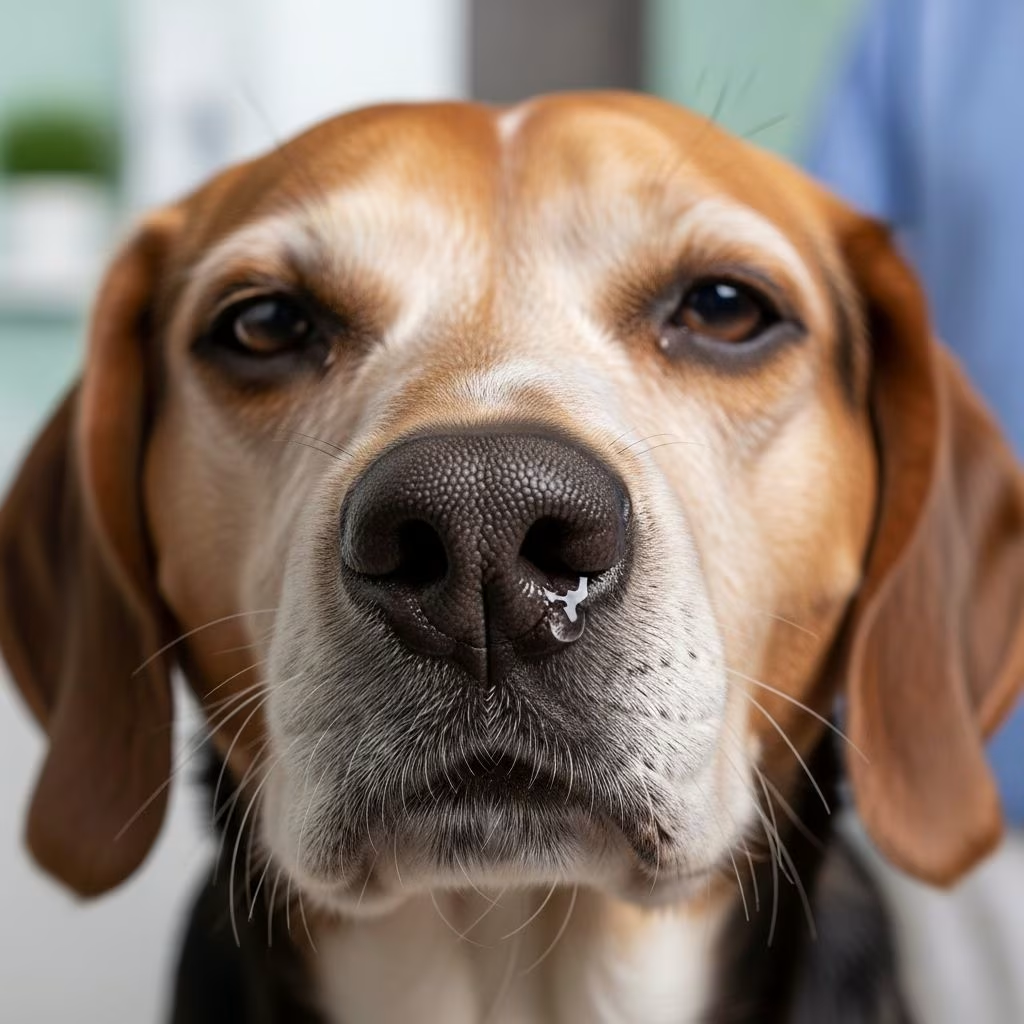
Dogs frequently suffer from nasal allergies, known medically as allergic rhinitis, which inflame the nasal passages and lead to discomfort. These conditions arise when a dog’s immune system overreacts to environmental irritants, resulting in symptoms that mimic a human cold but require specific veterinary attention.
Recognizing the Warning Signs
Early detection of nasal allergy symptoms in dogs can prevent escalation into more serious issues. Owners often notice initial changes in their pet’s behavior and appearance around the face and nose.
- Frequent sneezing: Repetitive, forceful sneezes, sometimes accompanied by a honking sound, indicate irritation in the nasal cavity.
- Nasal discharge: Clear or thick mucus from one or both nostrils, which may turn colored if a secondary infection develops.
- Pawing at the face: Dogs rub their noses against surfaces or paws excessively to relieve itching.
- Labored breathing: Noisy inhalation, open-mouth breathing, or reverse sneezing episodes where the dog inhales sharply.
- Eye involvement: Watery, red eyes or discharge, as allergies often affect multiple areas.
These signs can worsen seasonally or persist year-round depending on the allergen exposure. Unlike infections, allergy-related discharge is typically clear initially, though it may thicken over time.
Common Triggers Behind the Discomfort
Nasal allergies in dogs stem from inhaled particles that provoke an immune response. Identifying triggers is crucial for management.
| Trigger Type | Examples | Prevalence |
|---|---|---|
| Environmental Pollen | Grass, trees, weeds | High in spring/summer |
| Indoor Irritants | Dust mites, mold, smoke | Year-round |
| Household Items | Perfumes, cleaning agents, bedding particles | Common in homes |
| Other | Air pollution, cigarette smoke | Urban areas |
Brachycephalic breeds like Pugs and Bulldogs are particularly susceptible due to their short snouts, which hinder normal airflow and trap allergens. Food allergies rarely cause isolated nasal issues but can contribute if combined with environmental factors[10].
Distinguishing Allergies from Other Conditions
Not all nasal symptoms signal allergies; differential diagnosis is key. Veterinary exams help rule out infections or structural problems.
- Infections: Bacterial or fungal causes produce pus-like, odorous discharge and may include fever or lethargy.
- Foreign bodies: Grass seeds or debris lodged in the nose lead to unilateral discharge and violent sneezing.
- Dental issues: Root abscesses can drain into the nasal cavity, causing foul breath and facial swelling.
- Tumors or polyps: Chronic, bloody discharge in older dogs warrants imaging.
A clear, bilateral discharge strongly suggests allergies, especially with concurrent itching elsewhere on the body.
Veterinary Diagnosis: Steps to Clarity
Consulting a vet involves a thorough history, physical exam, and targeted tests. Expect questions about onset, seasonality, and breed predisposition.
- Physical assessment: Rhinoscopy to visualize nasal passages for inflammation or foreign material.
- Allergy testing: Intradermal skin tests or blood serology to pinpoint specific allergens[10].
- Imaging: X-rays or CT scans to exclude masses or dental roots.
- Culture swabs: To identify secondary bacterial or fungal growth.
In many cases, response to trial treatments like antihistamines confirms an allergic basis.
Treatment Strategies: Medical Interventions
Once diagnosed, a multi-faceted approach combines medications to reduce inflammation and control symptoms effectively.
- Antihistamines: Block histamine release to ease sneezing and itching; examples include diphenhydramine (vet-dosed).
- Corticosteroids: Nasal sprays or oral/inhaled forms like fluticasone reduce swelling; AeroDawg chambers aid delivery.
- Antibiotics: For secondary infections, typically 2-4 weeks of targeted therapy.
- Immunotherapy: Custom allergy shots or drops desensitize over months for long-term relief[10].
Avoid human OTC decongestants, as they can be toxic to dogs.
Home Management: Everyday Adjustments
Complement vet care with environmental tweaks to minimize allergen load.
- Wipe paws and coat post-outdoor time to remove pollen.
- Use HEPA filters and vacuum frequently with pet-specific tools.
- Bathe weekly with hypoallergenic shampoos to cut dander.
- Keep dogs out of bedrooms and launder bedding in hot water.
- Employ nasal rinses cautiously under vet guidance.
Humidifiers can soothe dry nasal passages, but clean them to prevent mold.
Preventive Measures for Long-Term Wellness
Proactive steps reduce flare-ups and enhance quality of life.
- Monitor pollen counts and limit walks during peaks.
- Switch to allergen-free bedding and avoid scented products.
- Maintain flea/tick preventives, as parasites exacerbate sensitivities.
- Regular vet check-ups for early intervention.
For seasonal allergies, start medications preemptively before symptoms peak[10].
When to Seek Urgent Veterinary Care
Some symptoms demand immediate attention to avert complications.
- Bloody discharge or nosebleeds.
- Breathing distress or blue gums.
- Persistent symptoms despite home care.
- Facial swelling or neurological signs.
Breeds with flat faces risk aspiration pneumonia from post-nasal drip.
FAQs on Dog Nasal Allergies
Can dogs outgrow nasal allergies?
No, allergies are lifelong, but symptoms can be managed effectively with consistent care[10].
Is a runny nose always allergies in dogs?
No, infections or foreign objects can mimic it; vet evaluation is essential.
Are allergy shots safe for dogs?
Yes, when vet-administered, they offer gradual desensitization with minimal side effects[10].
How long do allergy treatments take to work?
Antihistamines act in hours; steroids in days; immunotherapy months.
Can diet influence nasal allergies?
Rarely primary, but hypoallergenic food trials help rule out food triggers[10].
Understanding and addressing nasal allergies empowers owners to restore their dog’s vitality. With prompt diagnosis and tailored strategies, most dogs thrive despite sensitivities.
References
- Allergies To Dogs: Causes, Symptoms And Treatments — Zyrtec. 2023. https://www.zyrtec.com/allergy-guide/indoors/allergy-symptoms-caused-by-dogs
- Allergic Rhinitis in Dogs — Trudell Animal Health. 2024-05-15. https://trudellanimalhealth.com/blogs/blog/allergic-rhinitis-in-dogs
- Dog Runny Nose (Nasal Discharge): Causes and Treatments — WebMD. 2024. https://www.webmd.com/pets/dogs/my-dog-has-discharge-from-nose
- Pets, Dog and Cat Allergies | Symptoms & Treatment — ACAAI. 2023. https://acaai.org/allergies/allergic-conditions/pet-allergies/
- Why Is My Dog’s Nose Runny? Causes and Treatment — GoodRx. 2025-01-10. https://www.goodrx.com/pet-health/dog/runny-nose
- Pet allergy – Diagnosis & treatment — Mayo Clinic. 2024-08-20. https://www.mayoclinic.org/diseases-conditions/pet-allergy/diagnosis-treatment/drc-20352198



