

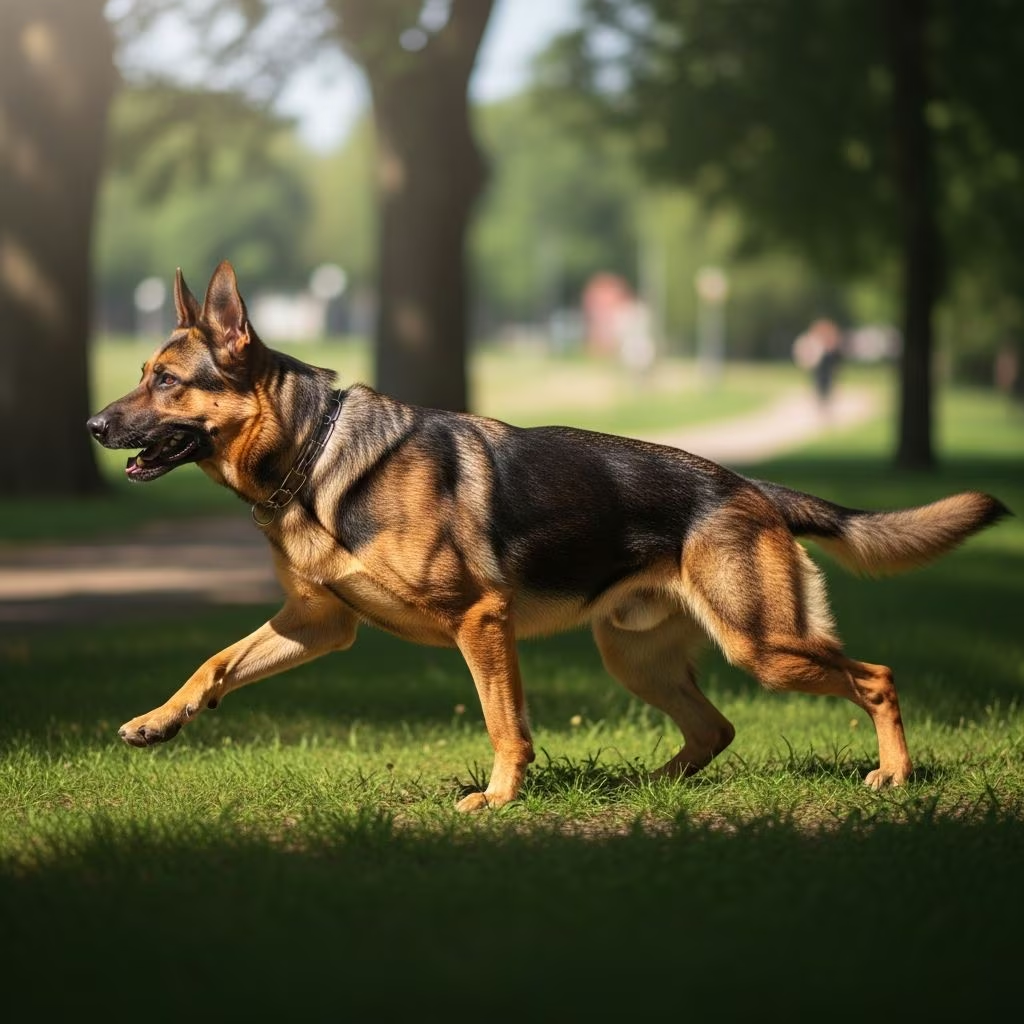
Muscle-related conditions represent a significant category of health concerns affecting dogs across all breeds and ages. These disorders can range from inherited genetic conditions to acquired diseases triggered by immune system dysfunction or environmental factors. Understanding the various muscular ailments that can affect your canine companion is essential for recognizing early warning signs and seeking appropriate veterinary intervention. This comprehensive guide explores the landscape of canine muscle disorders, their clinical manifestations, diagnostic approaches, and management strategies.
The Neuromuscular Junction and Impulse Transmission Disorders
One of the most prevalent neuromuscular conditions affecting dogs involves disruption in the communication pathway between nerves and muscles. This category of disease fundamentally affects how signals travel from the nervous system to muscle tissue, preventing proper muscle contraction and function.
The primary condition in this category manifests as progressive muscle weakness that characteristically worsens during periods of activity but improves with adequate rest. Dogs experiencing this condition often display a distinctive pattern where symptoms become more pronounced as they exercise and resolve when they have opportunity to recover. This particular disease affects how acetylcholine receptors function at the neuromuscular junction, disrupting the normal transmission of electrical impulses.
Contributing Factors and Risk Elements
Several factors can predispose dogs to developing neuromuscular junction disorders:
- Genetic predisposition based on breed background
- Presence of tumors, particularly those affecting the thymus gland
- Immune system dysfunction and dysregulation
- Certain medications or vaccination responses
- Hormonal status, particularly in intact females
Clinical Presentations and Observable Symptoms
Dogs with neuromuscular junction disorders exhibit highly variable symptom presentations. The manifestations can range from localized to generalized involvement of different muscle groups throughout the body.
Some dogs experience localized muscle involvement affecting the throat and esophageal region, leading to swallowing difficulties and regurgitation. Others demonstrate weakness in facial musculature, resulting in drooping eyelids, difficulty maintaining normal eye closure, and changes in facial expression. In more severe cases, dogs may experience acute generalized collapse requiring emergency veterinary attention.
Key Symptoms to Monitor
- Alterations in vocalization patterns or bark quality
- Exercise-induced weakness and fatigue
- Progressive loss of muscular strength
- Cramping sensations with minimal physical exertion
- Sudden collapse episodes
- Diminished or absent blinking reflexes
- Sleeping with eyes partially or fully open
- Excessive salivation and repetitive swallowing attempts
- Loss of gag reflex function
- Respiratory compromise with potential aspiration pneumonia risk
Inflammatory Muscle Disorders: Immune-Mediated Myositis
Inflammatory muscle conditions represent another major category of canine muscular disease. These conditions typically result from the immune system mounting an inappropriate attack against muscle tissue, leading to inflammation, pain, and progressive dysfunction.
The most frequently encountered inflammatory muscle disorder involves widespread inflammation affecting skeletal muscles throughout the body. This condition can develop secondary to immune-mediated infections, certain medications, or as a paraneoplastic syndrome associated with cancer. Specific breeds, including Newfoundlands and Boxers, appear predisposed to developing these inflammatory conditions.
Clinical Manifestations of Inflammatory Myositis
Dogs with inflammatory muscle disease often present with distinctive clinical features that aid in diagnosis and differentiation from other muscular conditions.
- Pronounced stiffness and stilted gait pattern
- Neck rigidity and pain upon movement
- Visible muscle swelling and enlargement
- Generalized weakness unrelated to exercise
- Muscle pain triggered by palpation or manipulation
- Severely limited exercise tolerance
- Laryngeal and pharyngeal involvement causing swallowing difficulties
- Esophageal complications resulting in regurgitation
- Skin lesions in specific inflammatory variants
Localized Inflammatory Conditions
Certain inflammatory conditions target specific muscle groups rather than affecting musculature systemically. One particular condition specifically targets the muscles responsible for mastication and chewing function. This condition manifests acutely with muscle swelling around the jaw region and difficulty opening the mouth.
In the chronic phase, this condition progresses to persistent muscle wasting, leading to skeletal prominence, significant appetite loss, progressive weight decline, and sunken eye appearance as facial musculature diminishes.
Degenerative Muscle Conditions and Progressive Weakness
Degenerative myopathies represent a distinct category of muscular disease characterized by progressive muscle loss and weakness without the inflammatory component seen in immune-mediated conditions. These disorders often confound diagnosis because they can mimic inflammatory muscle disease but lack the pain and stiffness typically associated with inflammatory processes.
Degenerative conditions frequently affect the masticatory muscles and muscles involved in swallowing, though other muscle groups including hind leg musculature may be involved. Unlike inflammatory conditions, degenerative myopathies characteristically do not produce the lockjaw phenomenon or significant pain responses.
Distinguishing Features of Degenerative Myopathies
The primary clinical presentation of degenerative muscle disease centers on muscle wasting, either generalized throughout the body or localized to specific regions. Dogs demonstrate progressive weakness and exercise intolerance related to affected muscle groups, but pain and stiffness are notably absent from the clinical picture.
Breed-Specific Degenerative Conditions
Certain inherited muscle disorders affect specific breeds during early life stages. Some degenerative myopathies occur exclusively in young Great Danes and have been documented in England, Australia, and Canada. These inherited conditions produce muscle tremors following exercise, progressive weakness, and visible muscle wasting.
Diagnostic confirmation of breed-specific degenerative conditions requires blood analysis, electromyography to assess muscle electrical activity, and muscle biopsy for histopathological evaluation. Treatment primarily involves supportive care focused on minimizing clinical signs and maintaining quality of life.
Muscle Disorders Associated with Systemic Diseases
Muscle weakness and deterioration can develop secondary to systemic endocrine disorders rather than primary muscular disease. Certain hormonal imbalances produce significant muscular effects throughout the canine body. Dogs affected by cortisol-producing endocrine disorders often develop muscle weakness as a secondary manifestation of hormonal dysregulation.
The excessive cortisol production characteristic of this endocrine condition directly impacts muscle tissue quality and strength. Dogs frequently demonstrate weakness in their hind limbs, making it difficult to maintain standing position or navigate stairs. Beyond muscular symptoms, affected dogs typically exhibit increased urination, excessive thirst, and changes in appetite and coat quality.
Exercise-Related Muscle Complications
Certain muscle disorders specifically manifest following intensive physical exertion. These exertional muscle conditions occur primarily in high-performance canines, including racing Greyhounds and working dogs involved in demanding physical activities. The underlying mechanism involves inadequate blood supply to muscles following intense exercise or heightened excitement states.
This muscle condition can trigger secondary complications affecting kidney function and causing destruction of muscle cells. Clinical signs develop 24 to 72 hours after intense activity or competition, manifesting as muscle pain and visible swelling in affected regions.
Traumatic Muscle Injuries and Post-Injury Complications
Beyond primary muscle disorders, traumatic injuries affecting muscle tissue can result in long-term complications affecting muscle function and structure. Abnormal tightening and contracture of specific shoulder muscles represent one such complication, typically occurring following trauma in hunting or working dogs.
Following initial injury, dogs develop noticeable lameness accompanied by pain and swelling in the shoulder region. While acute lameness may be temporary, characteristic gait abnormalities develop 2 to 4 weeks post-injury as injured muscles thicken and progressively tighten, creating a permanent contracture.
Diagnostic Approaches and Veterinary Assessment
Accurate diagnosis of canine muscle disorders requires a systematic veterinary approach beginning with comprehensive history documentation and thorough physical examination. Veterinarians must understand the onset timeline of symptoms, their progression pattern, and any precipitating factors.
Diagnostic Testing Battery
Veterinarians typically employ multiple diagnostic tools to identify muscular disorders:
- Complete blood count to assess overall health status and identify systemic involvement
- Comprehensive biochemistry profile evaluating organ function and metabolic status
- Urinalysis to detect systemic disease indicators
- Electromyography recording muscle electrical activity patterns
- Muscle biopsy for histopathological examination
- Imaging studies to identify structural abnormalities or masses
- Antibody testing for immune-mediated disease identification
Management and Treatment Considerations
Treatment approaches for canine muscle disorders vary significantly depending on the underlying cause and specific condition affecting the individual dog. Some conditions respond well to medical management, while others require primarily supportive care. Veterinary professionals tailor treatment plans based on diagnosis, disease severity, and individual patient factors.
Management strategies may include immunosuppressive medications for immune-mediated conditions, supportive care for degenerative disorders, exercise restriction during acute phases, and environmental modifications to accommodate functional limitations. Regular monitoring and reassessment help optimize ongoing care and adjust treatment protocols as disease progression occurs.
When to Seek Veterinary Care
Pet owners should contact their veterinarian if they observe any muscle-related symptoms in their dogs. Prompt evaluation is particularly important when dogs demonstrate sudden onset weakness, progressive exercise intolerance, difficulty swallowing or breathing, muscle pain responses, or acute collapse episodes. Early diagnosis enables timely intervention that can significantly impact disease outcomes and quality of life.
Frequently Asked Questions About Canine Muscle Disorders
How can I differentiate between muscle pain and other causes of lameness?
Muscle pain typically manifests as reluctance to move or guarding behavior, while dogs also exhibit visible muscle tenseness and twitching. Muscle-related conditions often produce generalized weakness rather than localized joint-related lameness. Your veterinarian can differentiate through physical examination and diagnostic testing.
Are certain dog breeds predisposed to muscle disorders?
Yes, specific breeds including Great Danes, Newfoundlands, and Boxers show increased predisposition to certain inherited and acquired muscle conditions. Breed history is an important diagnostic consideration in evaluating muscle disorders.
Can vaccinations trigger muscle disorders in dogs?
Vaccinations can potentially exacerbate pre-existing neuromuscular conditions in susceptible individuals. This risk should be discussed with your veterinarian if your dog has a known neuromuscular condition.
What is the prognosis for dogs with muscle disorders?
Prognosis varies widely depending on the specific condition, its severity, and the individual dog’s response to treatment. Some conditions respond favorably to management, while others are progressive despite intervention. Your veterinarian can provide condition-specific prognostic information.
References
- Muscle Disease in Dogs: Symptoms and Care — Dr. Bill’s Pet Nutrition. https://drbillspetnutrition.com/canine-muscle-disease/
- Myasthenia Gravis in Dogs: Symptoms and Treatment — Partners Veterinary Clinic. https://partnersvetavl.com/?p=4029
- Muscle Disorders in Dogs — Merck Veterinary Manual, Merck Animal Health. https://www.merckvetmanual.com/dog-owners/bone-joint-and-muscle-disorders-of-dogs/muscle-disorders-in-dogs
- Why Does My Dog Seem Weak? Muscle Weakness in Dogs — Canine Cushings UK. https://www.canine-cushings.co.uk/blog/why-does-my-dog-seem-weak
- Masticatory Myositis in Dogs — PetMD, Chewy, Inc. https://www.petmd.com/dog/conditions/immune/masticatory-myositis-dogs



