

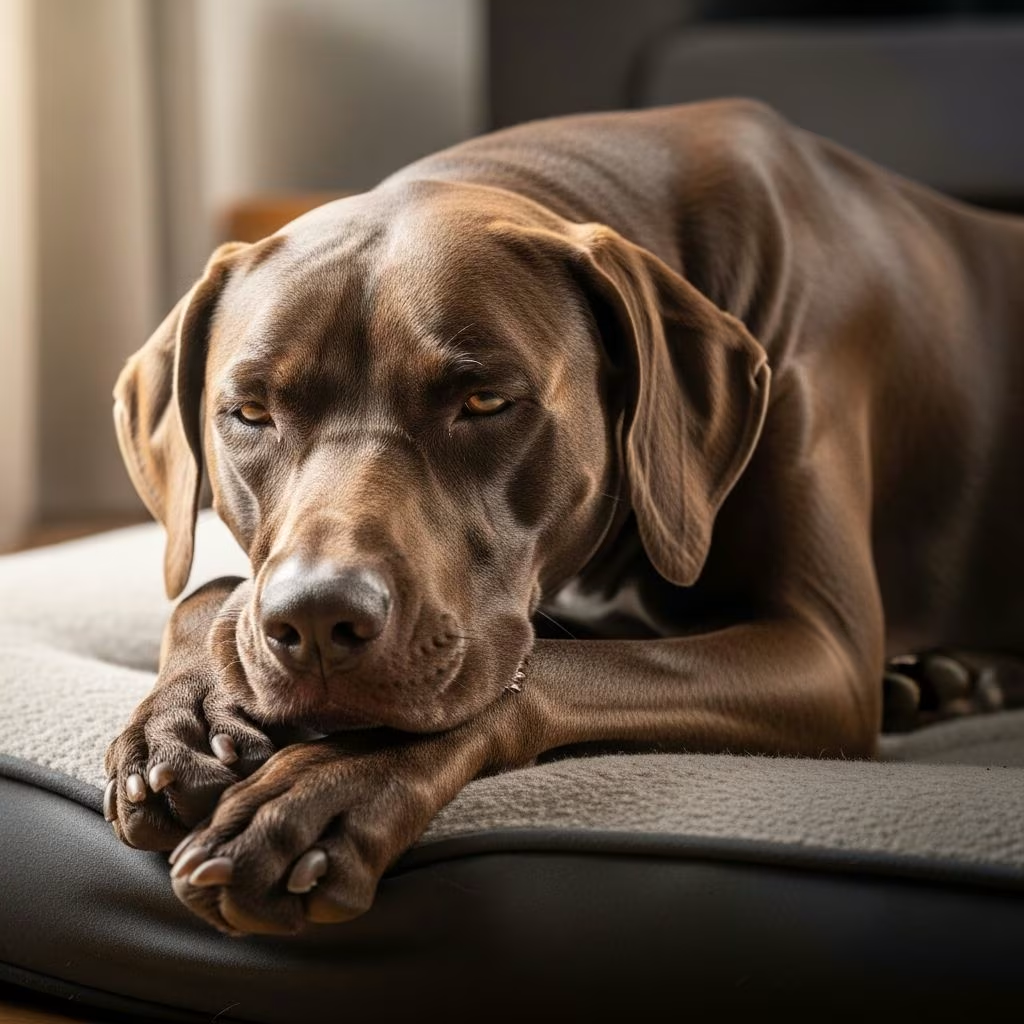
Dogs can indeed develop muscle soreness following intense or unaccustomed physical activity, similar to the delayed onset muscle soreness (DOMS) humans experience, caused by microscopic damage to muscle fibers. This condition arises from factors like sudden increases in exercise intensity, inadequate conditioning, or environmental stressors, affecting pets from couch potatoes to elite working breeds.
The Science Behind Dog Muscle Fatigue
At a cellular level, strenuous activity leads to microtears in muscle fibers, triggering inflammation and discomfort that peaks 24-48 hours later. In canine physiology, this is exacerbated by lactic acid buildup and reduced blood flow during high exertion, particularly in breeds prone to such stresses like Greyhounds or retrievers. Unlike acute injuries, this soreness is a normal adaptation response but can signal overdoing it if persistent.
Key contributors include:
- Overexertion: Sudden high-intensity efforts without buildup cause fiber breakdown.
- Dehydration and Electrolytes: Fluid loss disrupts sodium, potassium, and calcium balance, worsening damage.
- Heat Exposure: Elevated temperatures compound ischemia, leading to severe cases like rhabdomyolysis.
- Nutritional Gaps: Deficiencies in vitamins or minerals heighten vulnerability.
Spotting Signs of Post-Exercise Discomfort
Observant owners notice behavioral shifts indicating soreness. Common indicators include reluctance to rise, slowed movements, or whining during motion. Limping on one or more legs, avoidance of stairs, or postural changes like a hunched back are red flags.
| Soreness Symptom | Description | Duration (Typical) |
|---|---|---|
| Stiffness Upon Rising | Dog struggles to stand after rest | 1-2 days |
| Limping or Favoring Limbs | Intermittent hobbling post-activity | 24-48 hours |
| Reduced Activity | Hesitance to play or walk | Up to 72 hours |
| Vocalizing Pain | Yelps when touched or moving | Immediate to 2 days |
Distinguishing soreness from injury is crucial: temporary stiffness resolves with rest, while swelling, heat, or prolonged lameness (>48 hours) warrants vet attention.
Risk Factors Across Dog Demographics
Not all dogs react equally. Sedentary pups thrust into hikes suffer more than fit athletes. Age plays a role: seniors with joint wear face amplified stiffness, while energetic youth overplay into strains. Breeds matter too—long-backed types like Dachshunds risk spinal issues, and sighthounds encounter exertional myopathy.
- Puppies (Large Breeds): High-impact runs harm developing joints.
- Seniors: Osteoarthritis mimics or worsens soreness.
- Athletic Breeds: Greyhounds, Labs prone to rhabdo from races.
- Overweight Dogs: Extra load strains muscles faster.
Safe Conditioning for Lasting Fitness
Build endurance gradually: start with 10-15 minute low-impact sessions, incrementing 10% weekly. This strengthens muscles without overload, mimicking athletic training protocols. Track progress via activity logs to avoid plateaus turning into pitfalls.
Incorporate variety:
- Swimming for joint-friendly cardio.
- Short sprints alternated with walks.
- Hill climbs for targeted power.
Immediate Recovery Strategies
Post-workout, prioritize rest—24-72 hours off vigorous play allows repair. Gentle massages loosen knots: use firm strokes along limbs for 5-10 minutes daily. Cold therapy (wrapped ice packs, 10 minutes) reduces inflammation; alternate with warmth later.
Nutrition aids healing:
- Protein-Rich Meals: Supports fiber reconstruction.
- Omega-3s: Combat inflammation from fish oil.
- Hydration Boost: Electrolyte-enhanced water post-exertion.
Supplements like glucosamine may help chronic cases, but consult vets first.
When to Escalate to Professional Care
If symptoms linger beyond 48 hours, darken urine (myoglobin sign), or fever appears, rhabdomyolysis looms—seek emergency care. Vets diagnose via bloodwork for CK enzyme spikes and treat with IV fluids, monitoring kidney function.
Prevent escalation:
- Monitor in hot weather.
- Avoid meds like steroids without advice.
- Annual checkups for at-risk breeds.
Building a Soreness-Proof Routine
Daily habits fortify resilience. Warm-ups (5-minute trots) prime circulation; cool-downs flush waste. Weekly rest days prevent cumulative fatigue. Track via apps or journals: note duration, intensity, and next-day feel.
For working dogs, professional protocols include tailored diets and biweekly massages. Owners of performance pups benefit from canine physiotherapists for custom plans.
FAQs on Canine Workout Recovery
Do all dogs get sore from exercise?
No, conditioned dogs tolerate more; unfit ones are prone.
How long does dog muscle soreness last?
Typically 1-3 days with proper rest.
Can puppies get sore muscles?
Yes, overplay causes strains; limit high-impact.
Is limping always an injury?
Not if brief; persistent cases need vet eval.
How to prevent soreness in active dogs?
Gradual buildup, hydration, warm-ups.
What breeds are most at risk?
Sighthounds, retrievers from exertion.
Long-Term Wellness for Active Companions
Soreness signals adaptation opportunities. Consistent, mindful exercise enhances mobility, curbs obesity, and boosts joy. Partner with vets for breed-specific advice, ensuring tail-wagging adventures sans aftermath woes. Regular weigh-ins, joint supplements, and play-balanced schedules yield vibrant, pain-free years.
Empower your dog’s vitality: observe, adjust, thrive together.
References
- Working Dogs and Exertional Rhabdomyolysis — Alphaion Vet. 2023. https://alphaionvet.com/blogs/lablens/working-dogs-and-exertional-rhabdomyolysis
- Can Dogs Get Stiff Legs After Exercise? — Houndsy. 2024. https://www.houndsy.com/blogs/modern-tails/can-dogs-get-stiff-legs-after-exercise-understanding-canine-muscle-soreness
- Exertional Myopathy (Rhabdomyolysis) in Dogs — PetCareRx. 2023. https://www.petcarerx.com/article/exertional-myopathy-rhabdomyolysis-in-dogs/6620
- 5 Signs Your Dog Is Getting Too Much Exercise — PetMD. 2024. https://www.petmd.com/dog/general-health/signs-your-dog-getting-too-much-exercise
- Why is Your Dog Limping After Walking? — Lolahemp. 2023. https://lolahemp.com/blogs/dog-health/dogs-limping-after-exercise
- Prevent Sore Muscles in Sporting Dogs — Diamond Pet. 2024. https://www.diamondpet.com/blog/performance/recovery/prevent-sporting-dog-sore-muscles/
- Dogs get Delayed Onset Muscle Soreness (DOMS) too — 4Cyte Global. 2023. https://au.4cyte.global/dogs-get-delayed-onset-muscle-soreness-doms-too/



