

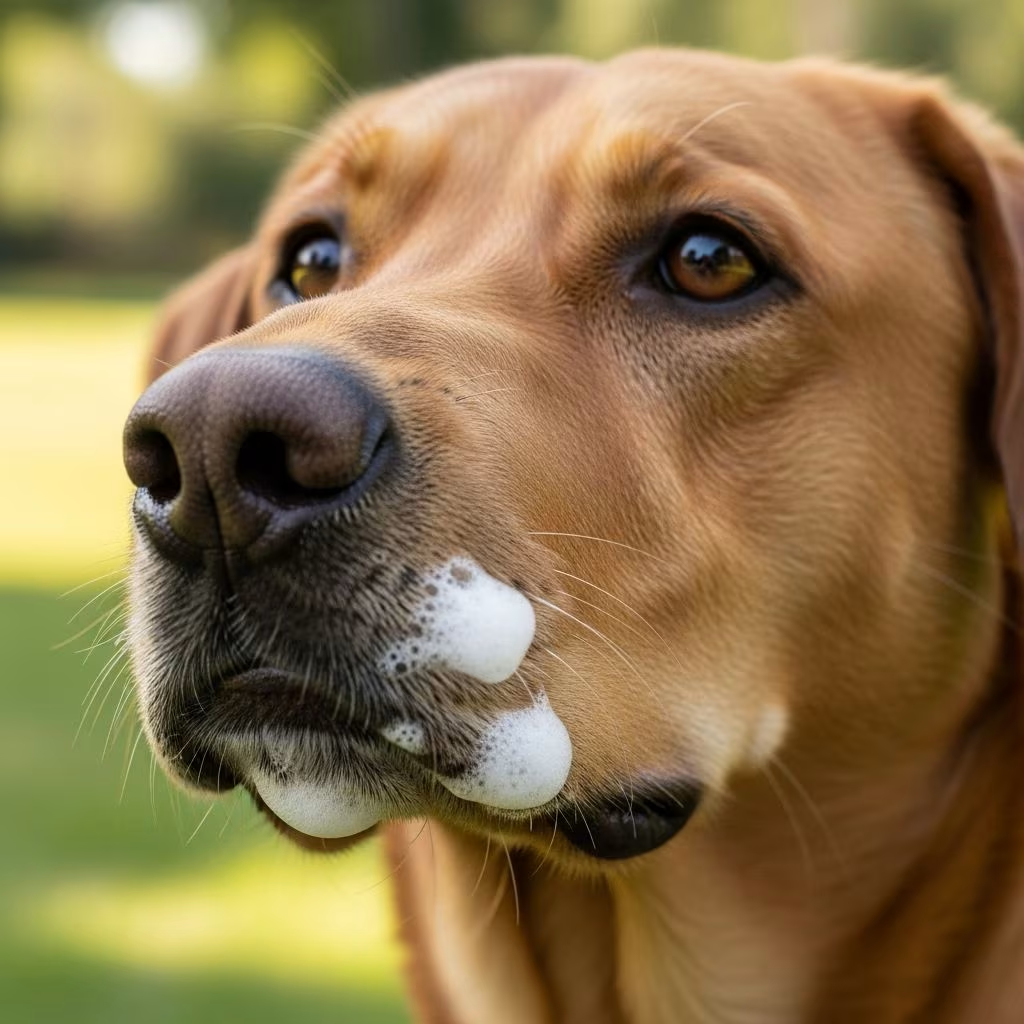
When you notice foam around your dog’s mouth, it’s natural to feel concerned. However, this common observation doesn’t always signal a serious problem. Mouth foaming in dogs can result from completely harmless physiological processes or indicate underlying health issues that require immediate attention. Understanding the distinction between benign and concerning causes helps pet owners respond appropriately and maintain their dog’s wellbeing.
The Science Behind Foaming: How It Develops
Dog saliva typically appears as a clear, flat liquid. The foaming effect occurs when air becomes incorporated into the saliva, creating visible bubbles and froth. This aeration happens through several natural mechanisms. When dogs pant rapidly, breathe heavily, or sniff intensely, they introduce oxygen into their salivary secretions. The physical action of panting, combined with active drooling, transforms ordinary saliva into the characteristic foam that owners observe around their pet’s mouth and lips.
Understanding this basic mechanism helps explain why many instances of mouth foaming represent normal canine behavior rather than pathology. The foam itself is not the problem—it’s simply saliva with air bubbles. What matters is identifying what causes the increased drooling and heavy breathing that led to the foam’s formation.
Common Benign Reasons for Foaming
Physical Activity and Exertion
One of the most frequent and harmless causes of mouth foaming is vigorous physical activity. When dogs engage in enthusiastic play sessions, running games, or extended exercise, they naturally breathe harder and pant more heavily. During these activities, increased panting aerates their saliva, creating the foam that appears around their mouths. This type of foaming typically accompanies visible signs of normal exertion, such as increased body temperature, rapid breathing that normalizes after rest, and apparent enjoyment of the activity.
Pet owners often notice this foam during trips to the dog park, after chase games, or following outdoor adventures. The foaming resolves naturally once the dog rests and returns to normal breathing patterns. This benign cause requires no intervention beyond allowing your dog adequate time to recover and access to fresh drinking water.
Emotional States: Stress, Anxiety, and Excitement
Dogs experiencing heightened emotional states frequently develop mouth foam. Excitement before a car ride, anxiety during thunderstorms, or stress in unfamiliar environments triggers rapid panting and whining. The combination of these behavioral responses aerates saliva, producing visible foam. Similarly, dogs anticipating positive events—like the arrival of their owner, preparation for a walk, or the appearance of a favorite toy—may pant enthusiastically and foam at the mouth as an expression of their emotional intensity.
Stress-related foaming typically accompanies other observable signs of the emotional trigger. Once the stressful situation resolves or the excitement passes, the foaming ceases. Managing your dog’s stress and anxiety through environmental modifications, training, or behavioral techniques can reduce these foam episodes.
Motion Sickness and Travel
Many dogs experience nausea during car travel, particularly younger animals that haven’t acclimated to vehicle motion. This nausea increases salivary production and often triggers excessive drooling. When combined with the anxiety-related panting that accompanies car sickness, the resulting foam becomes more pronounced. Young puppies frequently experience this condition, though most outgrow it as they mature.
If your dog consistently shows signs of motion sickness—including nausea, excessive drooling, and foaming—during travel, consulting your veterinarian is worthwhile. Various management strategies exist, from gradual desensitization to vehicle environments to prescription medications specifically designed to prevent motion sickness in dogs.
Bitter or Unpleasant Tastes
Dogs that lick, chew, or consume something with an unpleasant or bitter flavor often respond with increased drooling and foaming. This reaction represents their body’s attempt to clear the objectionable taste from their mouth. The excessive salivation, when aerated through mouth movements and tongue activity, creates the foaming appearance. Fortunately, this type of foaming typically resolves quickly once the dog has cleared the unpleasant substance from their mouth, drinks water, or eats their normal food.
Dental and Oral Factors Contributing to Foaming
Dental Disease and Oral Problems
Periodontal disease and other dental conditions frequently cause excessive drooling and subsequent foaming. When dogs develop tartar buildup, gum infections, tooth decay, or other oral pathology, they often experience increased salivation as an inflammatory response. The excessive drool, particularly when aerated, becomes visible foam.
Dogs with dental disease may exhibit additional signs including bad breath, difficulty eating, reduced appetite, or visible discoloration and swelling of the gums. If you suspect dental problems are contributing to foaming, scheduling a veterinary examination allows your veterinarian to assess oral health and recommend appropriate treatment, which might range from professional cleaning to extraction of compromised teeth.
Oral Masses and Tumors
Oral tumors, including the most common malignant type—oral melanomas—can cause excessive drooling and foaming. These masses typically appear as swellings along the gums or inside the mouth, often with black or red coloration. Oral tumors may cause facial swelling, appear infected or bloody, and are frequently associated with bad breath. Early detection through regular oral examinations increases treatment options and outcomes.
Foreign Objects in the Mouth
When dogs have objects lodged in their mouths—such as bone fragments, sticks, grass, or other debris—they respond with excessive drooling and foaming as their mouth attempts to clear or manage the obstruction. If a foreign object is visible, removal by a veterinarian ensures it doesn’t cause damage or become further impacted.
Gastrointestinal and Metabolic Causes
Nausea and Upset Stomach
Gastrointestinal upset frequently manifests as excessive drooling and mouth foaming. Dogs experiencing nausea from dietary indiscretion, food sensitivities, or gastrointestinal infections often drool excessively. When this increased salivation combines with panting or mouth movements, foaming becomes apparent.
If foaming at the mouth is followed by vomiting, the dog may have consumed something that triggered digestive distress. This warrants veterinary attention, particularly if the dog also shows signs of lethargy, loss of appetite, or abdominal discomfort.
Heat Stress and Heatstroke
Excessive heat exposure can cause foaming at the mouth, particularly in early stages of heat exhaustion or heatstroke. Dogs regulate body temperature through panting, and excessive panting during heat exposure aerates saliva. Additionally, heatstroke causes nausea, further increasing drooling and foam production.
Dogs displaying foaming combined with excessive panting during hot weather, lethargy, weakness, or difficulty moving require immediate cooling measures and veterinary evaluation. Heat-related illness in dogs constitutes a medical emergency.
Serious Conditions Requiring Immediate Veterinary Attention
Toxin Ingestion
Ingestion of toxic substances represents one of the most serious causes of sudden foaming at the mouth. Toxins triggering this response include household cleaners, pesticides, certain plants, medications, and foods toxic to dogs. Different toxins affect dogs differently—some cause mouth and esophageal irritation, while others trigger systemic responses resulting in excessive drooling and foam.
Caustic substances like alkaline batteries, household cleaners, pool chemicals, and fabric softeners cause burns to the mouth and esophagus, producing pain and nausea that manifest as foaming. If you suspect toxin ingestion, contact your veterinarian or emergency veterinary clinic immediately with information about what your dog consumed.
Natural Toxins: Algae, Moldy Food, and Plant Exposure
Dogs exploring outdoor environments risk exposure to naturally occurring toxins. Blue-green algae (cyanobacteria) found in freshwater bodies produces toxins causing vomiting, foaming, liver failure, and potentially fatal outcomes. Moldy food ingestion causes vomiting, tremors, and foaming, which is why preventing access to trash and compost piles is essential.
Certain houseplants containing calcium oxalates cause oral irritation and foaming when chewed. Being aware of toxic plants in your home allows you to remove them or prevent access.
Bacterial and Parasitic Infections
Tetanus, caused by the bacterium Clostridium tetani, produces toxins leading to muscle spasms, stiffness, difficulty swallowing, and frothy drool. While uncommon in vaccinated dogs, tetanus warrants immediate veterinary attention. Various viral and bacterial infections causing systemic illness also trigger nausea and excessive drooling, manifesting as foaming.
Seizure Disorders
Seizure activity can produce foaming at the mouth combined with twitching, muscle rigidity, and altered consciousness. Post-seizure periods often include foaming and disorientation. Dogs with seizure disorders require comprehensive veterinary management and diagnostic evaluation to identify underlying causes.
Rabies
Although unlikely in vaccinated dogs, rabies remains a serious potential cause of mouth foaming and warrants consideration. Rabies symptoms include behavioral changes, aggression, distrust, inability to swallow, difficulty drinking, weakness, paralysis, seizures, and coma. If your dog was bitten by an unknown animal or shows any combination of these symptoms, seek immediate veterinary evaluation.
Decision-Making: When to Contact Your Veterinarian
| Scenario | Likely Assessment | Recommended Action |
|---|---|---|
| Foaming after vigorous play or exercise | Normal exertion response | Monitor; allow rest and water access |
| Foaming during or after stressful events | Stress or anxiety-related | Address underlying stressor; contact vet if persistent |
| Foaming with vomiting or lethargy | Potential gastrointestinal or systemic issue | Contact veterinarian promptly |
| Foaming after possible toxin exposure | Possible poisoning | Emergency veterinary care immediately |
| Foaming with seizures or behavioral changes | Neurological or infectious concern | Emergency veterinary care immediately |
| Persistent foaming without obvious cause | Possible dental disease or underlying illness | Schedule veterinary examination |
Frequently Asked Questions
Is foaming at the mouth always a sign of rabies?
No. While rabies can cause foaming, this symptom has many benign explanations including normal panting, motion sickness, and dental issues. Most dogs are vaccinated against rabies, making this an uncommon cause. Contact your veterinarian if you observe foaming, particularly if accompanied by behavioral changes or other concerning symptoms.
What should I do if my dog foams at the mouth?
First, assess the context. If foaming follows exercise or occurs during excitement with no other symptoms, it’s likely benign and will resolve with rest. If foaming accompanies vomiting, lethargy, behavioral changes, or occurs after possible toxin exposure, contact your veterinarian promptly or visit an emergency clinic.
Can anxiety cause mouth foaming in dogs?
Yes. Anxiety and stress trigger panting and increased salivation, which combines to create mouth foam. Identifying and addressing the anxiety source helps reduce these episodes.
Does motion sickness always cause foaming?
Not always, but nausea frequently increases drooling, which becomes visible as foam when combined with panting. Many puppies experience car sickness and outgrow it. Medications and gradual desensitization help manage persistent cases.
When should foaming at the mouth be considered an emergency?
Seek emergency veterinary care if foaming occurs with vomiting, seizures, behavioral changes, difficulty breathing, lethargy, or after potential toxin or unknown substance ingestion.
Conclusion
Mouth foaming in dogs ranges from completely normal physiological responses to indicators of serious health issues. Most instances follow vigorous activity, emotional excitement, or minor gastrointestinal upset and resolve without intervention. However, paying attention to contextual factors—what your dog was doing, other symptoms present, and how long the foaming persists—helps determine whether veterinary evaluation is necessary. When foaming appears suddenly without an obvious cause, accompanies concerning symptoms, or follows possible toxin exposure, professional veterinary assessment ensures your dog receives appropriate care. Regular veterinary check-ups and oral health maintenance help identify and address potential problems before they become serious concerns.
References
- Why Is My Dog Foaming at the Mouth? — Frontier Vet Urgent Care. 2024. https://frontierveturgentcare.com/blog/dog-foaming-at-mouth-milwaukee-wi/
- Why is My Dog Foaming at the Mouth? — Whole Dog Journal. 2024. https://www.whole-dog-journal.com/health/why-is-my-dog-foaming-at-the-mouth/
- Why Is My Dog Foaming at the Mouth? — Hill’s Pet Nutrition. 2024. https://www.hillspet.com/dog-care/healthcare/why-is-my-dog-foaming-at-the-mouth
- Dog Foaming at the Mouth – Potential Reasons Why and Is It a Concern? — Waggel Pet Insurance. 2024. https://www.waggel.co.uk/blog/post/dog-foaming-at-mouth-causes-concerns
- What do I do when My dog is Foaming at the mouth? — Braselton Veterinary Clinic. 2024. https://braseltonervet.com/what-do-i-do-when-my-dog-is-foaming-at-the-mouth/
- My Dog is Foaming at the Mouth, What Do I Do? — VEG ER for Pets. 2024. https://www.veg.com/post/dog-foaming-at-the-mouth
- Why Does My Dog Foam at the Mouth? — Kinship. 2024. https://www.kinship.com/dog-health/why-does-my-dog-foam-at-the-mouth



