

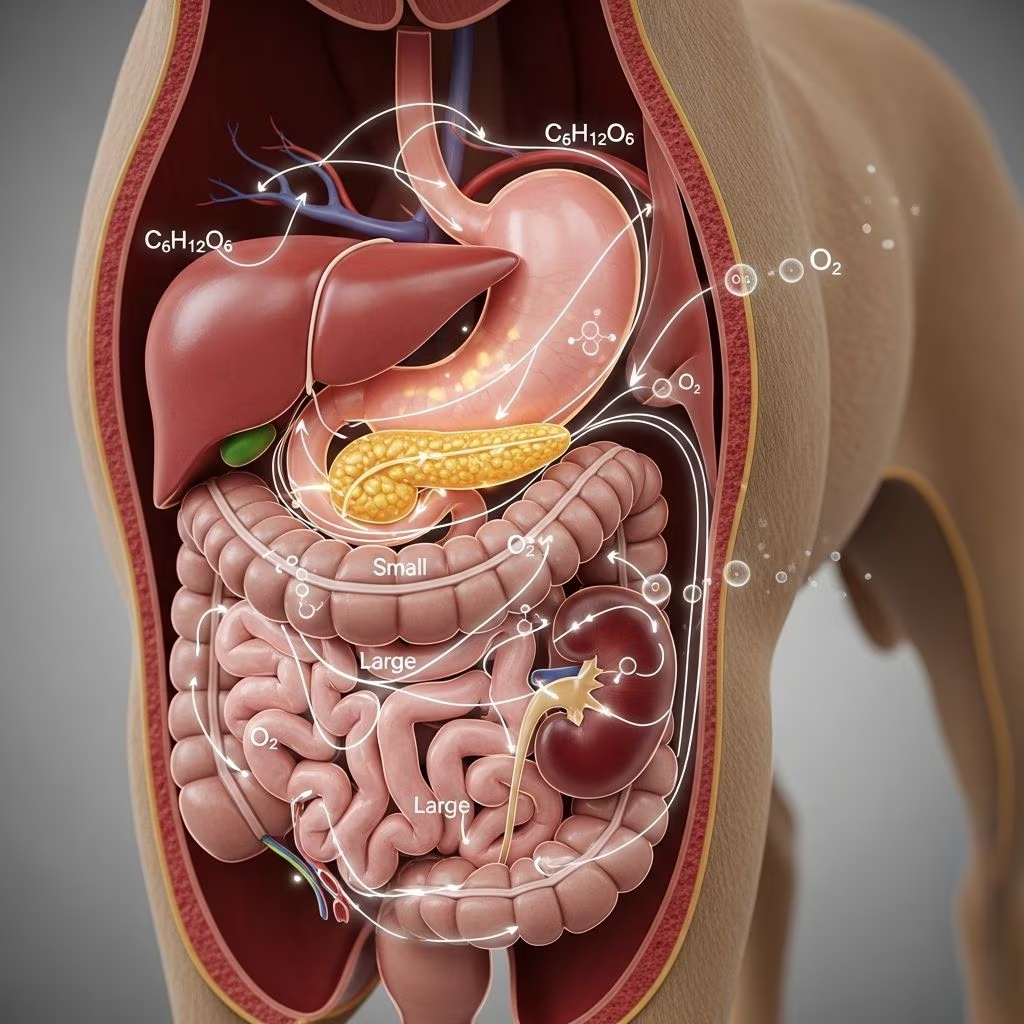
Dogs rely on metabolism to transform ingested food into the energy required for daily activities, growth, and maintenance. This intricate system involves breaking down carbohydrates, proteins, and fats through distinct biochemical pathways, influenced by breed, age, and lifestyle factors.
Fundamentals of Energy Conversion in Dogs
At its core, a dog’s metabolism encompasses all chemical reactions that sustain life by converting nutrients into usable energy known as ATP. This process engages multiple organs, including the digestive tract for initial breakdown, the liver for processing, and muscles for utilization. Even at rest, dogs expend energy on essential functions like circulation and respiration.
Two primary pathways dominate energy production: glycolysis for glucose-derived energy and ketosis for fat-based fuel. Glycolysis begins when carbohydrates are ingested, converting them into glucose, which cells metabolize in a series of steps to yield ATP and pyruvate. Excess glucose stores as glycogen in the liver, but overload leads to fat accumulation via fatty acid synthesis.
In contrast, ketosis activates in low-carbohydrate states, where the body shifts to burning fats, producing ketones that efficiently fuel tissues, including the brain. This pathway minimizes insulin spikes, promoting steady energy release without the crashes associated with high glucose reliance.
Key Metabolic Pathways: Glucose vs. Ketones
| Aspect | Glycolysis (Glucose-Based) | Ketosis (Fat-Based) |
|---|---|---|
| Fuel Source | Carbohydrates converted to glucose | Dietary fats and body fat stores |
| Process | Glucose breakdown to pyruvate, then Krebs cycle for ATP | Fatty acids to ketones, which enter energy production |
| Energy Stability | Prone to spikes and crashes due to insulin fluctuations | Steady, self-regulated flow |
| Storage Outcome | Excess leads to fat deposition | Promotes fat utilization |
| Suitability for Dogs | Inefficient for carnivorous ancestry | Aligns with natural fat metabolism |
This comparison highlights why ketosis may better suit dogs’ evolutionary biology, reducing metabolic stress and disease risk.
Factors Shaping Metabolic Rates
A dog’s basal metabolic rate (BMR)—the energy used at rest—varies widely. Genetics play a pivotal role; certain breeds inherit slower rates, making them prone to weight gain from even moderate calorie intake. Combining genetics with breed traits amplifies this, necessitating breed-specific nutritional guidance from veterinarians.
Age significantly impacts metabolism. Puppies exhibit rapid rates to support growth, while seniors often experience declines, leading to easier fat accumulation. Neutering can reduce BMR by up to 30%, as hormonal changes slow energy expenditure. Activity levels further modulate this: active dogs burn more calories, maintaining leaner physiques.
- Genetic Predisposition: Inherited slow metabolism increases obesity risk.
- Age-Related Changes: Declines post-maturity demand dietary adjustments.
- Hormonal Influences: Spaying/neutering alters energy needs.
- Activity and Environment: Exercise boosts rate; sedentary lifestyles suppress it.
Nutritional Adaptations in Canine Metabolism
Dogs, as omnivores adapted from wolves, efficiently process varied diets but excel with balanced protein and fat. Unlike cats, which require strict carnivory, dogs synthesize certain nutrients like arginine and taurine from precursors, tolerating moderate starches via enhanced amylase production.
Optimal diets prioritize high-quality proteins for gluconeogenesis—producing glucose from non-carb sources—and fats for sustained energy. Low-carb formulations encourage ketosis, enhancing fat metabolism and reducing obesity risks. Monitoring blood markers like glucose (GLU), which fuels cells, ensures balance; deviations signal metabolic issues.
Kidney function ties into metabolism via BUN and creatinine clearance, while pancreatic enzymes like amylase (AMYL) aid carb digestion. Elevated levels may indicate dysfunction, underscoring diet’s role in organ health.
Recognizing and Addressing Metabolic Imbalances
Slow metabolism manifests as unexplained weight gain, lethargy, or poor coat quality. Blood work reveals insights: high glucose suggests diabetes, while liver enzymes (ALT, AST) flag processing inefficiencies. Early detection via vet panels prevents progression to disorders like hypothyroidism or Cushing’s disease.
Management strategies include portion-controlled, nutrient-dense feeding. Transition to higher-protein, moderate-fat kibble supports efficient energy use. Daily exercise—30-60 minutes of walks or play—elevates BMR. For seniors, joint-friendly activities preserve muscle mass, countering age-related slowdowns.
Practical Strategies for Metabolic Optimization
To harness your dog’s metabolism:
- Assess ideal weight with your vet using body condition scoring.
- Choose AAFCO-approved foods matching life stage and activity.
- Incorporate puzzles or training to boost mental and physical expenditure.
- Track intake with measuring cups; avoid free-feeding.
- Schedule biannual bloodwork for proactive monitoring.
These steps foster a lean, energetic companion, mitigating chronic disease risks.
Breed-Specific Metabolic Considerations
Small breeds like Chihuahuas often have faster metabolisms, requiring frequent small meals to sustain energy. Large breeds such as Labradors, genetically prone to obesity, benefit from controlled portions and low-calorie treats. Working dogs like Border Collies demand high-energy fuels to match exertion levels.
Customizing based on breed genetics ensures tailored support, preventing over- or under-nourishment.
Age-Appropriate Metabolic Support
Puppies need calorie-dense diets for developmental bursts, with 2-3% body weight daily intake. Adults stabilize at maintenance levels, while seniors shift to senior formulas with added glucosamine for joint health amid slower metabolism. Gradual transitions prevent digestive upset.
Role of Exercise in Metabolic Health
Physical activity directly amplifies calorie burn, building muscle that elevates resting metabolism. Interval training—alternating sprints and walks—mimics natural hunting, enhancing fat oxidation. Consistency yields compounding benefits, improving insulin sensitivity and vitality.
Monitoring Tools for Pet Owners
Home glucose monitors aid diabetic dogs, correlating with vet results for trends. Weight scales and body condition apps provide ongoing data. Apps tracking activity via wearables quantify exercise impacts on energy use.
Frequently Asked Questions
What slows a dog’s metabolism?
Age, neutering, genetics, low activity, and poor diet contribute to reduced metabolic rates.
Can diet switch dogs to fat-burning mode?
Yes, low-carb, high-fat diets promote ketosis, optimizing fat utilization for energy.
How often should I weigh my dog?
Weekly for at-risk breeds; monthly for others, adjusting food accordingly.
Does breed affect energy needs?
Absolutely—small breeds burn faster, large ones require calorie control.
What blood tests check metabolism?
Glucose, BUN, creatinine, and liver enzymes reveal key insights.
Long-Term Benefits of Metabolic Balance
Maintaining optimal metabolism extends lifespan, enhances mobility, and sharpens cognition. Dogs with balanced energy pathways exhibit glossy coats, bright eyes, and playful demeanor, reflecting internal harmony.
References
- Characteristics of Nutrition and Metabolism in Dogs and Cats — Engormix. 2023-05-15. https://en.engormix.com/feed-machinery/animal-rendering/characteristics-nutrition-metabolism-dogs_a54106/
- Introduction to Metabolic Disorders of Dogs — Merck Veterinary Manual. 2024-01-10. https://www.merckvetmanual.com/dog-owners/metabolic-disorders-of-dogs/introduction-to-metabolic-disorders-of-dogs
- The ABCs of Dog Blood Work: What Those Results Really Mean — AAHA. 2023-11-20. https://www.aaha.org/resources/the-abcs-of-dog-blood-work-what-those-results-really-mean/
- Monitoring and Managing Glucose Levels in Dogs and Cats — PetMD. 2024-02-05. https://www.petmd.com/monitoring-and-managing-glucose-levels-dogs-and-cats
- How Dogs Use Ketones And Glucose — The Bones & Co. 2022-08-12. https://www.thebonesandco.com/blog/how-dogs-use-ketones-and-glucose



