

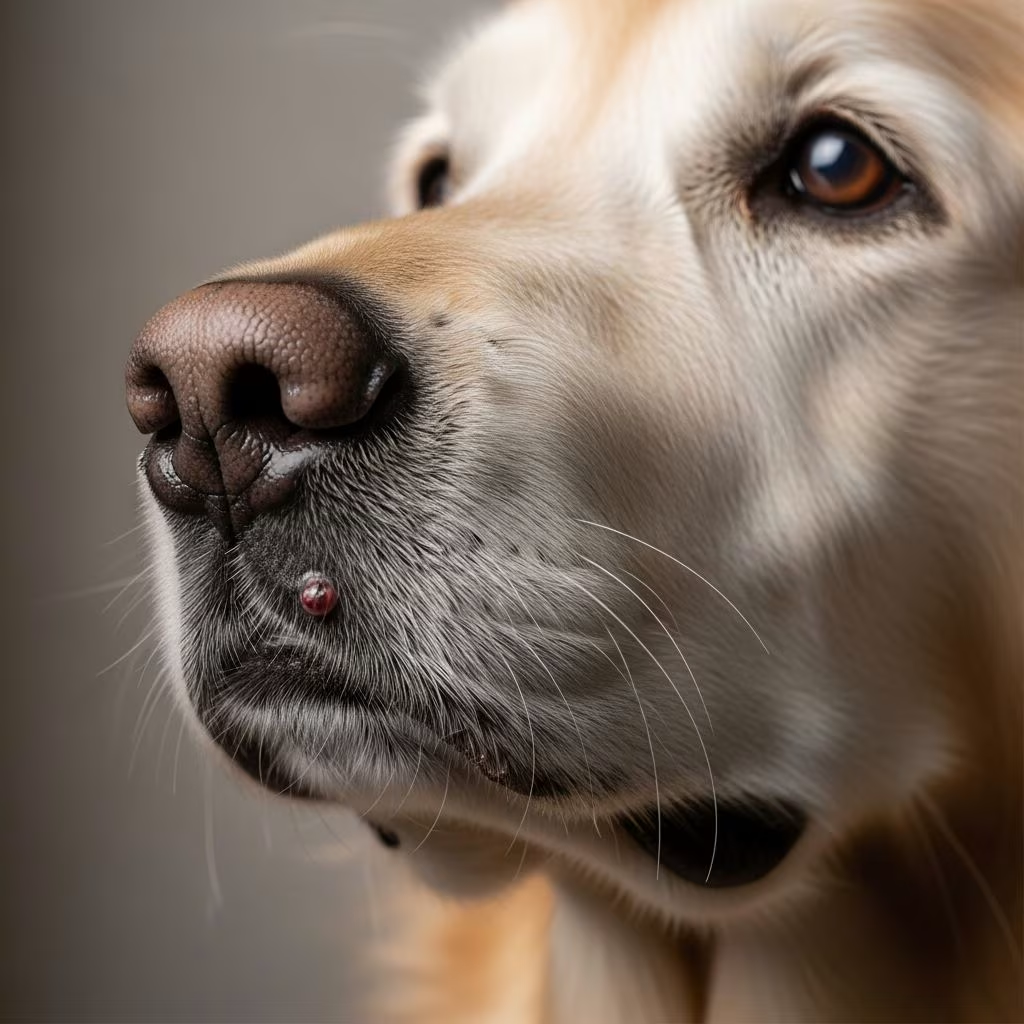
Melanoma in dogs represents a serious form of cancer originating from melanocytes, the pigment-producing cells. Unlike human melanoma, which is often linked to sun exposure, canine cases arise primarily in the mouth, toes, eyes, and skin, demanding prompt veterinary attention for optimal management.
Understanding the Nature of Canine Melanoma
Canine melanoma manifests as tumors that can be darkly pigmented or pinkish, often growing rapidly and metastasizing to lungs, lymph nodes, or liver. It affects older dogs predominantly, with certain breeds like Scottish Terriers, Golden Retrievers, and Labrador Retrievers showing higher susceptibility due to genetic predispositions. The disease’s aggressiveness varies by location: oral melanomas are highly invasive, digital ones affect toes, and ocular forms impact the eyes. Early detection significantly influences survival rates, emphasizing routine oral and physical exams during checkups.
Recognizing Early Warning Signs
Identifying melanoma early can be lifesaving. Owners should monitor for specific indicators based on tumor location.
- Oral Melanoma Indicators: Thickened saliva, foul breath, bleeding gums, loose teeth, or visible dark/pink masses on gums, tongue, or lips.
- Digital Melanoma Signs: Swollen toes, loose or misshapen nails, lameness, or dark lesions between toes.
- Ocular Melanoma Symptoms: Eye discoloration, shape changes, inflammation, or vision impairment.
- Cutaneous Melanoma Clues: Raised, pigmented skin lumps that ulcerate or bleed.
Any unusual growth warrants immediate vet evaluation, as these tumors can spread swiftly without intervention.
Factors Contributing to Melanoma Development
No single cause triggers canine melanoma; instead, a combination of genetics, age, breed, and possible environmental influences contributes. Older dogs over seven years face elevated risks, with males slightly more prone. Breeds with dark pigmentation or specific genetic lines show increased incidence. Unlike humans, UV light plays minimal role due to dogs’ fur coverage. Research highlights genetic mutations in melanocyte regulation as key drivers, underscoring the importance of breed-specific screenings.
Comprehensive Diagnostic Approaches
Veterinarians employ multifaceted diagnostics for accurate staging. Initial exams include physical inspections, fine-needle aspirates, and biopsies to confirm malignancy. Advanced imaging like CT scans assesses jaw invasion or metastasis, while chest X-rays and lymph node evaluations detect spread. Bloodwork monitors overall health, guiding treatment feasibility. Staging classifies tumors from I (localized) to IV (distant metastasis), directly impacting prognosis and therapy choices.
Primary Treatment: Surgical Interventions
Surgery remains the cornerstone for local tumor control, aiming for wide margins to prevent recurrence. For oral melanomas, partial mandibulectomy or maxillectomy removes affected jaw sections. Digital cases involve toe amputation, while ocular melanomas may require enucleation. Lymph node dissection provides staging data and enhances control. Success hinges on complete excision; incomplete removals necessitate adjunct therapies. Post-op recovery includes pain management with drugs like gabapentin and nutritional support.
Adjunct Radiation and Advanced Therapies
When surgery alone insufficient, radiation therapy excels, particularly for inoperable oral tumors. Stereotactic radiation surgery (SRS) delivers precise high doses in 1-3 sessions, sparing healthy tissue compared to traditional fractionation. It’s ideal for melanoma’s radioresistance. Cryotherapy, laser, and photodynamic therapies offer non-invasive options for smaller lesions.
Immunotherapy and Vaccine Innovations
The Oncept canine melanoma vaccine targets tyrosinase protein, stimulating immune response against cancer cells. Administered post-surgery, it extends survival: stage II/III dogs achieved over 15 months median survival versus 3-6 months without. It’s recommended alongside local control for high-risk cases. Emerging immunotherapies promise further advances by enhancing epitope expression via radiation.
Chemotherapy Protocols and Limitations
Chemotherapy serves as systemic control for metastatic disease, though melanomas resist it. Drugs like carboplatin (every 3 weeks), toceranib, lomustine, and prednisone are used, causing mild GI upset or myelosuppression. It’s adjunctive, not first-line, reserved for recurrence or spread. Combinations with vaccines improve outcomes marginally.
Prognosis Insights by Stage and Location
| Stage/Location | Median Survival (Surgery Alone) | With Adjunct Therapy |
|---|---|---|
| Stage I Oral | 12-18 months | 18+ months |
| Stage II/III Oral | 3-6 months | 15+ months (w/ vaccine) |
| Digital | 12 months | Improved w/ amputation |
| Ocular | Benign often | Excellent post-enucleation |
| Stage IV | Palliative | Guarded |
Data derived from clinical studies; individual outcomes vary by health and response. Location profoundly affects prognosis: oral worst, ocular/subungual better.
Preventive Measures and Home Monitoring
Prevention focuses on vigilance absent known causes. Monthly home checks of mouth, toes, eyes, and skin detect anomalies early. Annual vet exams, especially for at-risk breeds, boost early intervention odds. Oral hygiene reduces secondary infections. No proven preventive vaccine exists yet, but research progresses.
Supportive Care During Treatment
Treatment demands holistic support. Pain meds, anti-inflammatories, and e-collars aid recovery. Nutritional plans maintain weight, while follow-ups track metastasis. Quality-of-life assessments guide euthanasia decisions in advanced cases. Owners benefit from oncology referrals for tailored plans.
Frequently Asked Questions (FAQs)
Is melanoma painful for dogs?
Yes, advanced tumors cause pain from invasion or ulceration; pain management is crucial.
Can melanoma be cured in dogs?
Early-stage localized tumors have high cure rates post-surgery; metastatic cases focus on extension.
How much does treatment cost?
Varies widely: surgery $2,000-$10,000, radiation $5,000+, vaccine series $1,500+; consult vets for estimates.
Does breed matter for melanoma risk?
Yes, breeds like Goldens, Labs, Rottweilers face higher risks.
What if I spot a suspicious spot?
Seek vet immediately for biopsy; delay worsens spread.
Emerging Research and Future Directions
Ongoing trials explore targeted therapies, PD-1 inhibitors, and combination immunotherapies. Radiotherapy’s role grows by boosting immune recognition. Consensus guidelines advocate multimodal approaches for stage-adjusted care. Owners should stay informed via veterinary oncology updates.
References
- Melanoma in Dogs: Common Symptoms, Causes, and Treatment — PetMD. 2023. https://www.petmd.com/dog/conditions/cancer/melanoma-dogs-common-symptoms-causes-and-treatment
- What Is Canine Melanoma? — Metropolitan Veterinary Associates. 2023. https://metro-vet.com/what-is-canine-melanoma/
- Medical Oncology: Canine Oral Melanoma — NC State Veterinary Hospital. 2024. https://hospital.cvm.ncsu.edu/services/small-animals/cancer-oncology/oncology/canine-oral-melanoma/
- Melanoma of the dog and cat: consensus and guidelines — PMC/NCBI. 2024-04-15. https://pmc.ncbi.nlm.nih.gov/articles/PMC11026649/
- Melanoma in Dogs — PetCure Oncology. 2023. https://petcureoncology.com/melanoma-in-dogs/
- Melanoma – Location, Location, Location — Upstate Vet Specialty Veterinary Services. 2023. https://www.upstatevet.com/blog/melanoma-location-location-location



