
Critical Care Guide: Recognizing Canine Medical Emergencies
Learn to identify life-threatening conditions requiring immediate veterinary intervention for your dog.
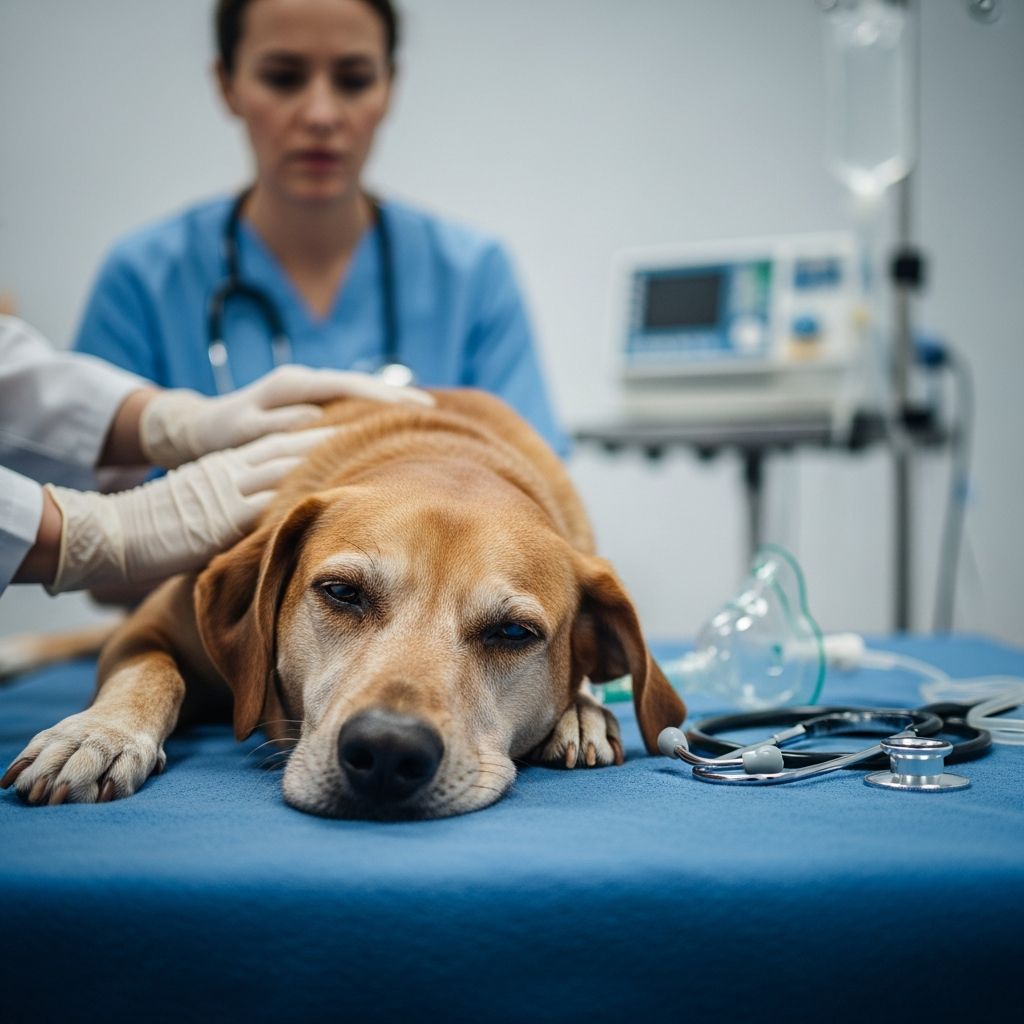
Pet owners face a challenging decision when their dog becomes ill or injured: determining whether the situation demands immediate emergency care or can wait for a regular veterinary appointment. This distinction is crucial because delaying appropriate care for genuine emergencies can result in permanent disability or death, while unnecessary emergency visits strain both finances and resources. Understanding how to categorize your dog’s health crisis empowers you to make the best decision for your companion’s wellbeing.
Establishing a Veterinary Triage Framework
Veterinary professionals use a structured approach to assess animal emergencies by dividing conditions into three distinct categories based on urgency and severity. This framework helps both veterinarians and pet owners understand which situations demand immediate attention, which require care within several days, and which can be managed through standard appointment scheduling.
The first category encompasses life-threatening conditions that require immediate emergency intervention. These situations cannot tolerate delay, and every minute matters for your dog’s survival and recovery prospects. The second category includes medical issues that need professional evaluation but can safely wait 24 to 72 hours without risk of deterioration. The third category consists of non-urgent health concerns that should be addressed during regular office hours through your primary veterinarian.
Respiratory Distress: A Critical Warning Sign
Difficulty breathing represents one of the most urgent conditions requiring emergency evaluation. Respiratory emergencies in dogs manifest through several observable indicators that alert owners to seek immediate care.
Watch for these respiratory warning signals:
- Resting breathing rates exceeding 50 breaths per minute when your dog is not panting or exercising
- Blue or purple discoloration of the gums, indicating insufficient oxygen circulation
- Neck extension postures adopted to facilitate breathing
- Abdominal muscles working visibly during each breath cycle
- Abnormally loud or high-pitched respiratory sounds
Respiratory compromise can develop from various underlying conditions including foreign body obstruction, severe allergic reactions, heart disease, fluid accumulation in the chest cavity, or respiratory infection. Regardless of the cause, breathing difficulty represents a genuine medical emergency. Do not attempt to manage this condition at home; proceed immediately to the nearest emergency veterinary facility.
Neurological Emergencies and Sudden Mobility Loss
Neurological emergencies encompass a range of conditions affecting your dog’s nervous system and movement capabilities. When your dog exhibits sudden changes in coordination, consciousness, or the ability to move normally, emergency evaluation becomes necessary.
Critical neurological symptoms requiring immediate care include:
- Weakness affecting one or more limbs, particularly sudden onset
- Severe lameness preventing normal weight-bearing on a leg
- Loss of balance or incoordination described as a wobbly gait
- Back leg collapse or inability to use hind limbs
- Altered mental state, confusion, or disorientation
- Difficulty standing or rising from rest
- Continued seizure activity lasting more than a few minutes
- Complete paralysis of any body region
These symptoms may indicate spinal stroke (fibrocartilaginous embolism), intervertebral disc disease, brain tumors, or shock states resulting from internal bleeding or severe trauma. The rapid onset of these signs makes emergency evaluation essential for proper diagnosis and treatment planning.
Traumatic Injuries and Uncontrolled Bleeding
Physical trauma from accidents, falls, or attacks demands emergency assessment regardless of visible external injuries. Internal bleeding and organ damage often remain hidden initially but can prove rapidly fatal without intervention.
Trauma-related emergencies include:
- Vehicle accidents affecting your dog in any manner
- Significant falls or impact injuries
- Attack wounds from other animals
- Crush injuries from being trapped or struck by objects
- Penetrating wounds with exposed bone or deep tissue damage
Additionally, any active bleeding requires emergency evaluation, particularly if the bleeding is profuse, appears to be pulsating, or does not stop within five minutes despite direct pressure application. Severe bleeding can lead to shock, organ failure, and death if not managed by veterinary professionals equipped for possible transfusion therapy or surgical intervention.
Acute Collapse and Loss of Consciousness
Sudden collapse or unconsciousness in your dog represents a medical crisis requiring immediate emergency care. These episodes indicate severe underlying pathology including internal bleeding, cardiac dysfunction, severe shock, or profound metabolic derangement.
When your dog suddenly becomes unresponsive, loses consciousness, or collapses unexpectedly, this demands emergency evaluation immediately. Do not wait to see if your dog recovers on their own. Collapsed dogs require diagnostic evaluation to determine the cause and initiate appropriate treatment. Emergency facilities have the equipment and expertise to stabilize your dog and identify the underlying emergency condition.
Toxin Exposure and Poisoning
Accidental ingestion of toxic substances represents a genuine emergency requiring specialized guidance and rapid intervention. Many common household items, medications, plants, and foods prove toxic to dogs and can cause life-threatening effects.
If you suspect toxin exposure, take these immediate steps:
- Contact the ASPCA Animal Poison Control Center or Pet Poison Helpline immediately rather than your regular veterinarian
- Provide the toxicology specialists with information about the substance, quantity, and timing of exposure
- Follow their guidance regarding whether emergency veterinary care is necessary
- Transport this information to the emergency clinic for their reference
Emergency veterinarians may need to induce vomiting to remove toxins from the stomach before absorption, administer activated charcoal to reduce intestinal absorption, or provide supportive care and monitoring for several hours or days depending on the toxin involved. The toxicology specialists’ recommendations help emergency teams determine the appropriate treatment approach for your specific situation.
Abdominal Emergencies and Gastrointestinal Distress
Severe gastrointestinal emergencies include bloated, swollen, or visibly painful abdomens requiring immediate evaluation. These symptoms may indicate gastric dilatation-volvulus, a life-threatening condition where the stomach twists and becomes trapped, cutting off blood supply.
Additional emergency gastrointestinal signs include:
- Repeated vomiting, particularly projectile vomiting or vomiting containing blood
- Severe diarrhea, especially diarrhea containing significant blood
- Inability to defecate or urinate despite straining
- Severe abdominal pain indicated by crying out, aggression when touched, or extreme reluctance to move
- Distended or bloated abdominal appearance accompanied by restlessness
These conditions can progress rapidly to shock and organ failure. Emergency evaluation with diagnostic imaging allows veterinarians to identify blockages, bleeding, or organ damage requiring surgical or intensive medical intervention.
Distinguishing Non-Emergencies From Genuine Crises
Not every health concern requires emergency care. Understanding which conditions can safely wait for regular appointments helps you allocate resources appropriately while ensuring true emergencies receive immediate attention.
Conditions that typically do not require emergency evaluation include:
- Single or occasional episodes of vomiting when your dog continues eating and acting normally
- Mild diarrhea in an otherwise healthy dog not lasting more than 24 hours
- Coughing without respiratory distress or fever, such as kennel cough cases
- Mild limping where your dog maintains some weight-bearing capacity on the affected limb
- Decreased appetite lasting less than 24 hours
- Minor changes in urination patterns without straining or obvious discomfort
- Skin infections or ear infections without signs of systemic illness
However, if your dog has a known chronic condition such as diabetes, liver disease, or kidney disease and suddenly becomes acutely ill, this combination demands emergency evaluation. These conditions compromise your dog’s ability to cope with additional stressors, making acute illness in these patients a genuine emergency.
When to Contact Your Primary Care Veterinarian
Many conditions benefit from evaluation by your regular veterinarian rather than an emergency facility. Primary care vets often have superior knowledge of your dog’s medical history and may have more extensive resources for managing chronic conditions.
Situations appropriate for regular appointment scheduling include chronic skin or ear infections caused by underlying allergies. While emergency clinics may have basic anti-inflammatory or antibiotic medications available, your primary veterinarian typically maintains a wider range of specialized shampoos, topical treatments, and preventative products designed to address both the infection and the underlying allergic predisposition.
The Importance of Professional Guidance
When uncertainty exists about whether your dog’s condition requires emergency care, the safest approach is to contact your veterinarian or local emergency clinic for guidance. Phone triage assessment by trained veterinary staff can help clarify whether immediate evaluation is necessary or whether waiting for a regular appointment is appropriate.
Emergency medicine practitioners emphasize a guiding principle: if you are concerned about your dog’s health, the emergency team should be equally concerned. Calling ahead while traveling to the emergency clinic allows staff to prepare for your dog’s arrival and ensures appropriate resources are available upon admission.
Improving Emergency Response Outcomes
Research demonstrates that dogs receiving immediate emergency care have significantly better survival rates compared to those with delayed treatment. Emergency veterinary facilities provide critical interventions including fluid therapy, blood transfusions, and emergency surgery within minutes of arrival.
Emergency veterinarians possess specialized training in handling critical cases and can make rapid, life-saving decisions when time is crucial. The 24/7 monitoring available at emergency clinics ensures any treatment complications are addressed immediately, providing your dog with the best possible chance of recovery.
Preparation for Emergencies
Before an emergency occurs, take time to identify the closest emergency animal hospital to your home and any locations you frequently travel to with your dog. Knowing the location, phone number, and hours of operation allows you to respond quickly without searching for facilities during a crisis.
Keep toxin hotline numbers readily available and maintain a current list of your dog’s medical conditions, medications, and allergies. This information proves invaluable when emergency staff needs to make rapid treatment decisions for your dog.
By understanding the distinction between genuine emergencies and routine ailments, you empower yourself to make informed decisions protecting your dog’s health and wellbeing while ensuring appropriate use of emergency resources.
References
- When to Take a Dog to the Emergency Vet: An ER Vet’s Advice — Toe Grips. 2024. https://toegrips.com/when-to-take-dog-to-emergency-vet/
- When to Take Your Dog or Cat to an Emergency Vet — Banning Veterinary Hospital. 2022. https://www.banningvet.com/site/blog/2022/10/30/pet-emergency-vet
- When to Take Dog to Emergency Vet: Life-Saving Guidelines for Pet Parents — Harvester Animal Clinic. https://harvesteranimalclinic.com/compassionate-pet-urgent-care-in-st-peters-mo/when-to-take-dog-to-emergency-vet-life-saving-guidelines-for-pet-parents/
- When to Take Your Pet to the Emergency Vet — Allied Veterinary Emergency and Referral. https://www.alliedervet.com/blog/how-can-i-tell-if-my-pet-needs-to-see-an-emergency-vet/
- Pet Emergencies — Tucson Veterinary Urgent Care. https://tucsonveterinaryurgentcare.com/pet-emergencies/
- When to Seek Emergency Care for your Pet — University of Wisconsin School of Veterinary Medicine. https://www.vetmed.wisc.edu/when-to-seek-emergency-care-for-your-pet/
- Signs That Your Pet Needs Emergency Veterinary Care — Northeast Veterinary Referral Hospital. 2020. https://www.northeast-vet.com/site/pet-care-blog-plains-vet/2020/08/12/signs-that-your-pet-needs-emergency-veterinary-care
Similar Articles








Read full bio of Sneha Tete




