

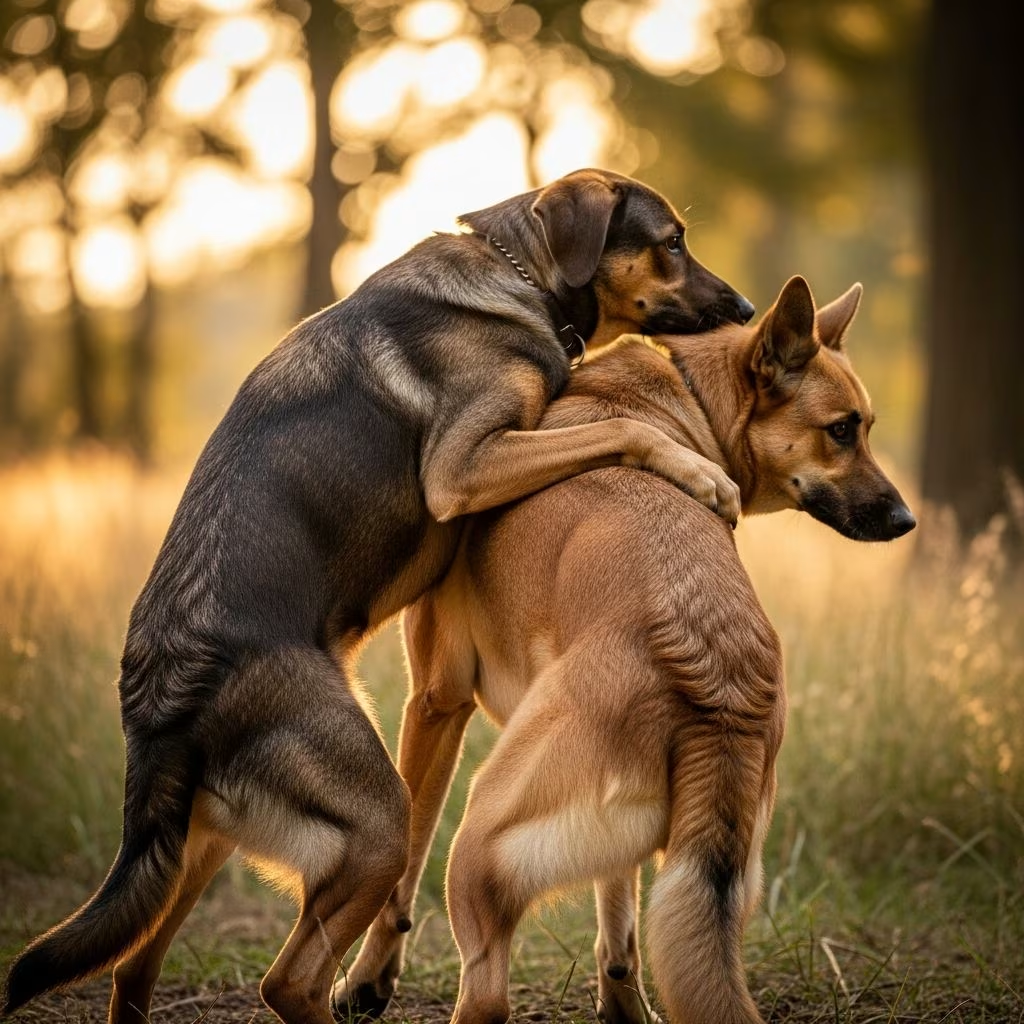
Understanding the reproductive biology of dogs is essential for dog owners, breeders, and anyone involved in canine care. The process of dog mating involves specific physiological phases, precise timing windows, and distinct behavioral changes. This comprehensive guide explores the timeline of canine mating, the various stages of the reproductive cycle, and what to expect during the breeding process.
The Phases of the Canine Reproductive Cycle
The reproductive cycle in dogs, medically known as the estrous cycle, consists of four distinct physiological phases that occur throughout the year. Each phase serves a unique purpose in preparing the female dog’s body for potential pregnancy and involves significant hormonal shifts and behavioral changes.
Proestrus: The Initial Phase
Proestrus marks the beginning of the heat cycle and represents the first stage of a female dog’s fertility window. During this phase, which typically lasts between 3 days to 3 weeks with an average duration of 9 days, the female dog’s body begins undergoing significant hormonal changes. Although males become attracted to the female during this period, she is not yet receptive to mating.
Physical indicators during proestrus include a noticeably swollen vulva and vaginal discharge that appears bloody or reddish in color. The discharge results from increasing estrogen levels influencing the reproductive organs. Beyond physical signs, behavioral changes become apparent as well, including:
- Increased anxiety, clinginess, or nervous behavior
- Reduced appetite or changes in eating patterns
- Territorial marking through urine, sometimes mimicking male marking behavior
- Heightened alertness and restlessness
Estrus: The Fertility Window
Estrus represents the fertile phase of the cycle when the female dog is receptive to mating. This critical stage typically lasts between 5 to 10 days, though it can range from 3 to 21 days in some individual dogs. During estrus, estrogen levels reach their peak, and ovulation occurs, usually during the earlier portion of this phase.
The physical appearance of the vaginal discharge changes noticeably during estrus, transitioning from red to a straw-like or pale yellow color. The vulva remains swollen but may appear softer than during proestrus. This is the optimal time for breeding, as the female’s body is prepared for successful conception.
Important considerations regarding estrus include:
- Ovulation typically occurs early to mid-estrus, though timing varies between individuals
- Eggs require 24 to 72 hours post-ovulation to fully mature
- Mature eggs remain viable for fertilization for 2 to 3 days after ovulation
- Female dogs actively seek mating during this phase
Diestrus: The Post-Fertility Phase
Following the conclusion of estrus, the diestrus phase begins and marks the end of the female’s receptiveness to males. This phase lasts approximately 60 to 90 days regardless of whether pregnancy has occurred. Progesterone levels increase significantly during diestrus, a hormone essential for maintaining pregnancy if conception has taken place.
Observable changes during diestrus include a gradual reduction in vulvar swelling and decreased interest in mating behavior. The female dog returns to normal behavioral patterns and shows no interest in male companionship.
Anestrus: The Resting Period
Anestrus represents the final stage of the reproductive cycle and is characterized by the complete absence of reproductive cycling. This resting phase typically lasts between 100 to 150 days. During anestrus, the female dog shows no signs of heat, has normal vulva appearance, and displays no behavioral changes associated with the reproductive cycle.
Timeline and Duration of the Complete Heat Cycle
The entire estrous cycle in dogs typically spans 6 to 7 months on average. However, significant variations exist among different breeds and individual dogs. Some breeds, such as Basenji dogs and sled dog breeds, experience heat cycles only once per year, while other breeds may cycle up to three times annually. Dogs generally reach puberty between 6 to 12 months of age, though this can extend to 24 months in some cases, with smaller breeds typically maturing earlier than larger breeds.
The Actual Mating Process: Timeline and Physical Events
The physical act of dog mating is a relatively brief but specific process that involves distinct stages. Understanding what occurs during these moments helps dog owners and breeders ensure the safety and comfort of both animals.
Initial Contact and Mounting
When the female is in estrus and receptive, the male dog initiates mating through mounting behavior. Natural mating should always be supervised to ensure the safety and comfort of both animals. The process begins with the male positioning himself on the female’s hindquarters.
First Stage of Coitus
The initial stage of coitus takes approximately 2 minutes. During this phase, the male dog remains mounted on the female while achieving intromission. The male will ejaculate within 15 to 30 seconds after intromission occurs.
The Tie: Nature’s Lock
Following ejaculation, a physiological phenomenon called the “tie” occurs. During the tie, the male and female become locked together due to a specialized anatomical feature: the bulbis glandis, a portion of the male’s penis, swells within the female’s vaginal tract, creating a physical lock. This tie typically lasts between 5 to 20 minutes, though some sources indicate it can extend to 10 to 30 minutes.
The tie is a normal and crucial part of canine mating and should never be interrupted, as this increases the chances of successful fertilization. During this period, the pair should be left completely undisturbed to avoid injury to the genitalia.
Position Changes
During the tie, dogs often change position to reduce discomfort from muscle cramps. The male dog typically swings one hind leg over the female’s body, causing the pair to stand back-to-back. This positional change takes approximately 5 seconds.
Optimal Timing for Successful Breeding
Successful conception in dogs depends heavily on precise timing of mating in relation to ovulation. The reproductive biology of dogs presents unique challenges compared to other mammals.
The Maturation Timeline
Dogs possess a unique reproductive biology among mammals. Upon ovulation, the eggs are not immediately mature and fully capable of fertilization. Instead, they must divide within the uterine tubes over a period of 24 to 72 hours post-ovulation before reaching full maturity and becoming fertilizable.
In contrast, healthy sperm cells demonstrate impressive longevity. Canine sperm can survive and remain viable for fertilization for 5 to 11 days within the reproductive tract of the female, with some sources indicating 6 to 10 days.
Determining Optimal Breeding Windows
The timing of mating is critical for successful conception. While ovulation typically occurs in the early to middle of the estrus phase, this timing varies significantly between individual dogs. Several methods can help determine the optimal breeding time:
- Progesterone testing to measure hormone levels
- Vaginal cytology examining cells under a microscope to determine reproductive stage
- Observation of behavioral receptiveness and physical signs
A practical breeding approach recommends mating as soon as the female will stand for breeding and then again 3 days later. Generally, mating is recommended a few days after the onset of estrus when the precise timing of ovulation is unknown.
From Mating to Pregnancy: What Happens Next
Once successful mating occurs, the reproductive process continues with pregnancy development. The gestation period in dogs is relatively brief compared to many other mammals.
The Gestation Period
Pregnancy in dogs, also called the gestation period, normally ranges from 58 to 65 days with an average of 63 days. However, the specific duration depends on which point is used to begin counting. The gestation period averages 63 days when measured from ovulation, while it extends to 65 to 66 days from the LH (luteinizing hormone) surge.
Early Pregnancy Development
During the first four weeks of pregnancy, critical developmental processes occur. A fertilized egg takes approximately 18 to 23 days to implant in the uterus. A mature canine egg remains viable and capable of fertilization for only 2 to 3 days after ovulation, making timing absolutely essential for conception.
Birth and Delivery
When pregnancy nears completion, labor and delivery occur during stage two of whelping. This stage can last anywhere from 1 to 24 hours. Bitches deliver one puppy at a time, with each delivery taking no more than 1 to 2 hours. Puppies typically arrive every 30 to 60 minutes.
Breed-Specific Variations in Heat Cycles
Not all dog breeds follow identical reproductive timelines. Significant breed variations exist in cycle frequency and age of onset.
| Characteristic | Typical Pattern | Notable Exceptions |
|---|---|---|
| Heat Cycle Frequency | Two cycles per year (every 6-7 months) | Basenji and sled dogs cycle once yearly; some breeds cycle up to three times yearly |
| Age of First Heat | 6-12 months, can extend to 24 months | Smaller breeds typically mature earlier; larger breeds mature later |
| Proestrus Duration | Average 9 days (range 3-21 days) | Duration may vary slightly based on individual genetics |
| Estrus Duration | Average 9 days (range 5-10 days typically) | Can extend to 3-21 days in some individuals |
Frequently Asked Questions About Dog Mating
How long does the actual mating process take in dogs?
The physical act of mating takes approximately 2 minutes for the initial coitus stage. However, when accounting for the tie, the complete mating event lasts 5 to 30 minutes total. The tie alone typically lasts between 5 to 20 minutes.
Can dogs get pregnant on their first heat cycle?
Yes, dogs can become pregnant during their first heat cycle if they are not spayed and encounter an intact male during estrus. This is why early spaying is often recommended for dogs not intended for breeding.
How often do dogs go into heat?
Most dogs cycle every 6 to 7 months, resulting in approximately two heat cycles per year. However, some breeds may cycle only once yearly, while others may cycle more frequently.
What is the best time to breed a dog?
The best time to breed is during the estrus phase, with mating recommended 3 days after the onset of estrus when precise ovulation timing is unknown. Progesterone testing and vaginal cytology can improve timing accuracy.
How long are dogs pregnant after mating?
After successful mating, pregnancy typically lasts 58 to 65 days with an average of 63 days.
Key Takeaways for Dog Owners and Breeders
Understanding canine reproductive biology is essential for responsible dog ownership and breeding. The complete process from heat cycle initiation through pregnancy requires knowledge of specific timelines and physiological changes. The actual mating process, while brief—lasting only minutes for initial coitus but extending to 30 minutes with the tie—plays a critical role in successful conception. Recognizing the four phases of the estrous cycle, understanding breed-specific variations, and respecting the natural timing of reproduction ensures the best outcomes for both breeding dogs and their offspring. Proper supervision during mating, accurate record-keeping of breeding dates, and consultation with veterinarians experienced in reproduction optimize the chances of successful breeding and healthy litter development.
References
- Dogs In Heat: Timeline, Duration, and Symptoms — PetMD. Accessed 2026. https://www.petmd.com/dog/general-health/dog-in-heat
- Understanding the Canine Reproductive Cycle and Mating — Cedarview Veterinary Clinic. https://www.cedarviewvet.ca/blog/understanding-the-canine-reproductive-cycle-and-mating
- Dog in Heat: Cycle and Mating Process — PetCubes. Accessed 2026. https://petcubes.com/blogs/dog-psychology/dog-in-heat
- How Long Are Dogs Pregnant? Dog Gestation Period — American Kennel Club. https://www.akc.org/expert-advice/dog-breeding/dog-reproductive-cycle/
- The Reproduction Cycle Of Dogs And Cats, Feline Estrus Cycle — Safari Veterinary Care Centers. https://www.safarivet.com/care-topics/dogs-and-cats/reproduction/the-reproductive-cycle/
- Breeding – What to expect after mating — Vetwest Veterinary Clinics. https://www.vetwest.com.au/pet-library/breeding-what-to-expect-after-mating/
- Stages of Pregnancy in Dogs — Veterinary Healthcare Associates. https://vhavets.com/blog/stages-of-pregnancy-in-dogs/
- Dog estrous cycles — Cornell University College of Veterinary Medicine. https://www.vet.cornell.edu/departments-centers-and-institutes/riney-canine-health-center/canine-health-topics/dog-estrous-cycles



