

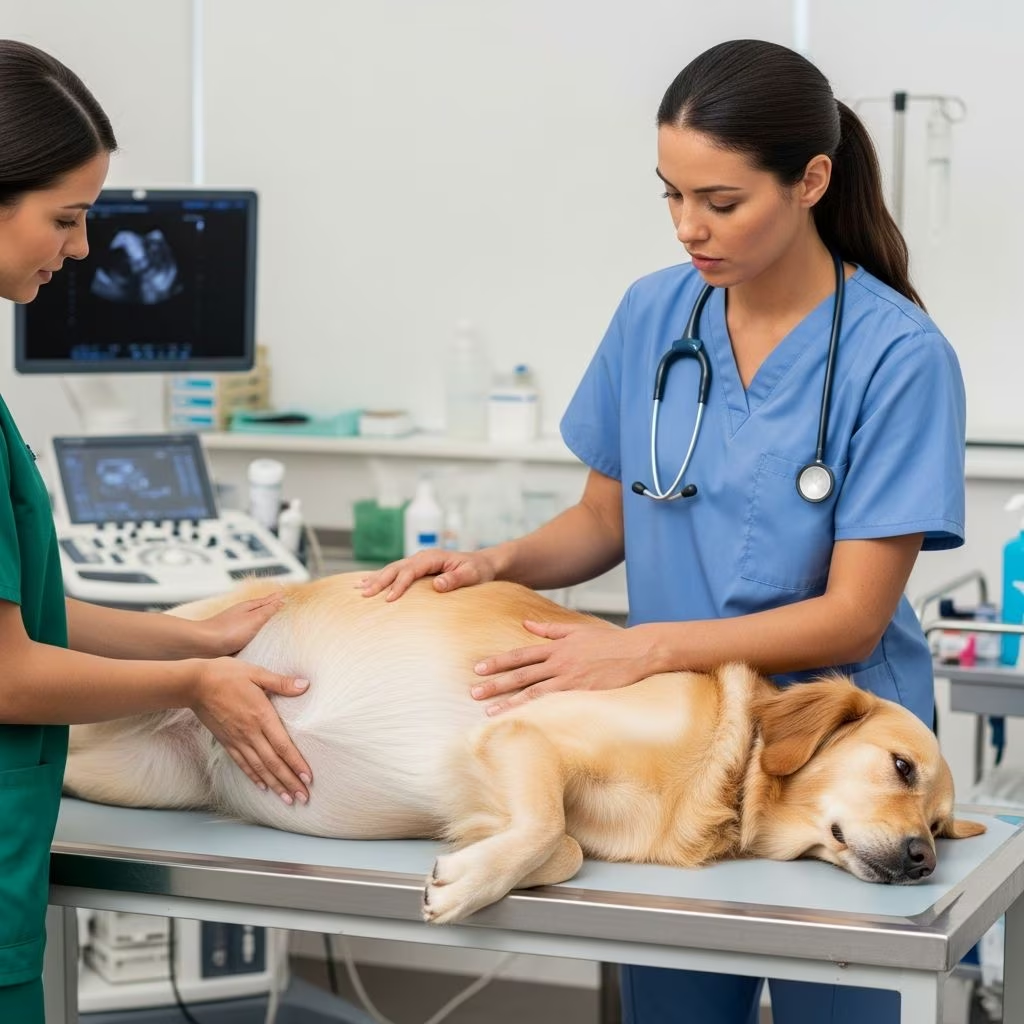
Canine maternal hydrops (CMH) represents a rare yet potentially fatal complication during dog pregnancies, characterized by abnormal fluid accumulation in the uterus and fetal membranes. This condition compresses vital organs, endangering both the mother and her puppies, often necessitating urgent veterinary intervention.
Understanding the Nature of CMH
CMH involves excessive fluid buildup in the allantoic or amniotic sacs surrounding the fetuses, leading to uterine distension far beyond normal pregnancy proportions. Unlike typical gestational swelling, this fluid overload strains the dam’s cardiovascular system, potentially causing heart failure if untreated. Documented cases span breeds like Golden Retrievers, Yorkshire Terriers, Pugs, and Spitz types, with higher incidence noted in first-time pregnancies or those with large litters exceeding 10 puppies.
The condition mirrors hydrops seen in livestock such as cattle and horses, where placental dysfunction leads to fluid imbalances. In dogs, the uterus fills with liters of clear fluid, making the abdomen rock-hard and obscuring fetal skeletons on imaging. Early detection through vigilant monitoring is crucial, as progression can occur rapidly around days 55-60 of gestation.
Recognizing Early Warning Signs
Owners and breeders must watch for distinctive symptoms that deviate from standard pregnancy. Key indicators include:
- Rapid, disproportionate abdominal enlargement: Weight gain exceeds 2 pounds per expected puppy, creating a taut, firm belly unresponsive to touch.
- Peripheral edema: Swelling in the vulva, hocks, limbs, and feet due to compressed blood vessels.
- Respiratory distress: Labored breathing, excessive panting, and reluctance to move from fluid pressure on the diaphragm.
- Diagnostic imaging anomalies: Blurry X-rays around days 55-56 and ultrasounds revealing massive anechoic fluid pools around fetuses.
- Late-stage signals: Clear fluid leakage from the vulva, heavy vomiting, early temperature drop without labor onset, and sudden appetite loss or lethargy.
These signs often intensify in the final two weeks, prompting immediate veterinary assessment. A physical exam combined with abdominal radiographs and ultrasonography confirms CMH by visualizing excess fluid and litter size.
Exploring Possible Causes and Risk Factors
The etiology of CMH remains elusive, with no single confirmed trigger despite extensive speculation. Leading theories include:
| Theory | Description | Supporting Evidence |
|---|---|---|
| Blood Incompatibility | Mismatch akin to human Rh factor between dam and puppies disrupts fluid regulation. | Observed in multi-species hydrops; unproven in dogs but plausible. |
| Genetic Predisposition | Hereditary links suggested, especially in certain breeds like Spitz in Europe. | Similar conditions in cloned bovines and familial patterns in livestock. |
| Placental Dysfunction | Malfunctioning placenta fails to manage fluid balance without infection. | Consistent autopsy findings; no pathogens isolated. |
| Environmental Triggers | Exposure to toxins, dietary imbalances, or allergens proposed. | Anecdotal reports; low-sodium diets sometimes mitigate. |
Large litters amplify risks, as collective fluid sacs exacerbate pressure. First litters appear more susceptible, possibly due to immature uterine physiology. Ongoing research, including fluid/tissue analysis by experts like Dr. Carmen Booth at Yale, aims to map pedigrees and pinpoint genetic markers.
Immediate Management Strategies
No standardized cure exists, but symptom palliation can stabilize the dam pre-delivery. Conservative approaches focus on fluid reduction:
- Diuretic Therapy: Spironolactone (0.25 mg, 2-3 times daily) preferred over furosemide to avoid dehydration shocks. Natural options like dandelion root (500-1000 mg twice daily) complement.
- Dietary Adjustments: Low-sodium, calorie-restricted intake to curb weight gain without malnutrition; smaller, frequent meals ease breathing.
- Lung Maturation: Dexamethasone injection accelerates fetal pulmonary development for premature viability.
Monitor closely; if symptoms worsen by day 59, escalate to surgical planning. IV fluid protocols during procedures counteract massive fluid expulsion.
Surgical Intervention: The C-Section Lifeline
A planned cesarean section is invariably required, often prematurely to avert maternal collapse. Timing hinges on severity—day 61 common in documented cases. Key surgical protocols include:
- Large-bore IV access for aggressive fluid replacement to combat hypovolemic shock from gushing amniotic fluid.
- Neonatal resuscitation: Puppies emerge fluid-engorged, requiring airway clearance (accordion compression), drying, and positioning head-down for drainage.
- Prophylactic antibiotics for all pups due to prolonged immersion risks; Bene-Bac gel supports gut flora.
- Post-op maternal support: Calcium supplementation if lactation surges cause eclampsia; domperidone restarts milk production.
Success rates improve with experienced theriogenologists; pups may exhibit transient swelling but thrive with intensive care.
Post-Delivery Care for Dam and Pups
Recovery demands meticulous oversight. The dam risks eclampsia from sudden mammary reactivation and fluid shifts; monitor temperature (spikes to 103°F signal hypocalcemia) and provide oral calcium. Puppies need 24/7 warming, frequent feedings, and fecal checks for antibiotic disruptions.
Long-term, spay consideration arises if recurrence risks loom, though unquantified. Breeders should log pedigrees for research databases to advance prevention.
Prevention Tips for Breeders
While unpredictable, proactive steps mitigate odds:
- Pre-breeding blood typing and genetic screening where available.
- Controlled breeding to avoid oversized litters.
- Nutritionally balanced, low-sodium gestation diets from day 40.
- Weekly weight logs and imaging from day 50.
- Partner with repro-specialist vets familiar with CMH.
Frequently Asked Questions (FAQs)
What is the survival rate for dogs with CMH?
With prompt intervention, maternal survival exceeds 80% in reported cases; puppy viability varies (50-90%) based on gestational age and care.
Can CMH recur in subsequent pregnancies?
Unknown definitively, but affected dams warrant caution; some breeders opt for spaying.
Is CMH contagious or vaccine-preventable?
No; non-infectious, with no vaccines available.
How much fluid is typically involved?
Up to several liters per uterine horn, akin to dumping gallons during C-section.
Which breeds are most at risk?
All, but noted in Goldens, Pugs, Yorkies, Spitz; large-litter breeds vulnerable.
CMH underscores breeding’s risks, emphasizing education and readiness. Research progresses, promising future insights.
References
- CMH: Canine Maternal Hydrops — TheDogPlace.org. 2019. https://www.thedogplace.org/Reproduction/CMH-Canine-maternal-hydrops-s19S01.asp
- Canine Maternal Hydrops: A Potentially Deadly Condition — Embrace Pet Insurance. Accessed 2026. https://www.embracepetinsurance.com/waterbowl/article/canine-maternal-hydrops
- Canine Maternal Hydrops in Dogs — WagWalking. Accessed 2026. https://wagwalking.com/wellness/pregnancy-in-the-dog-a-little-known-but-dangerous-complication
- Canine Maternal Hydrops: A North American Thing — Dr. Emmanuel Fontaine. 2016-03-20. https://dremmanuelfontaine.com/2016/03/20/blog-canine-maternal-hydrops-a-north-american-thing/
- Hydrallantois in a female dog: a case report — SciELO (Arquivos Brasileiros de Medicina Veterinária e Zootecnia). Accessed 2026. https://www.scielo.br/j/abmvz/a/mqWfdSXz95Zh8b9ShJZ8wtN/?format=pdf&lang=en



