

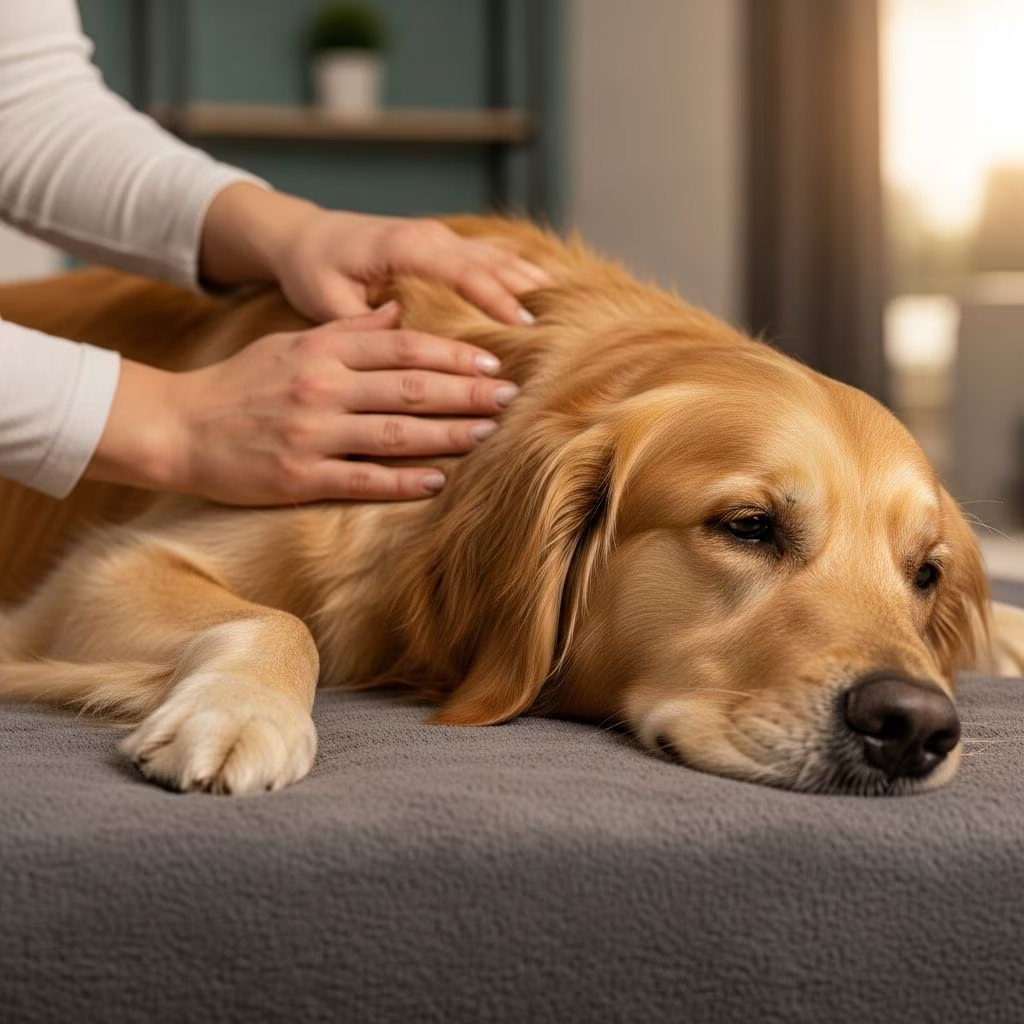
Canine massage therapy involves targeted manipulation of a dog’s soft tissues, including muscles, tendons, and ligaments, to promote physical and emotional health. This non-invasive practice delivers measurable improvements in circulation, pain management, and stress reduction, making it suitable for dogs across all life stages.
Understanding the Foundations of Dog Massage
At its core, dog massage applies structured touch to address musculoskeletal issues and support holistic wellness. Unlike casual petting, it employs specific strokes and pressures tailored to a dog’s anatomy and condition. Practitioners assess gait, posture, and muscle tension to customize sessions, ensuring safe and effective outcomes.
Historical roots trace back to veterinary rehabilitation and sports medicine for working dogs, evolving into a complementary therapy alongside chiropractic care and acupuncture. Modern applications extend to companion dogs, athletes, and seniors, backed by physiological responses like endorphin release and lowered cortisol.
Key Physiological Benefits for Dogs
Massage stimulates blood flow, delivering oxygen and nutrients while flushing metabolic waste. This enhances tissue repair and reduces inflammation, critical for injury recovery and chronic condition management.
- Improved Circulation: Boosts oxygen delivery to organs and muscles, supporting skin health and vitality.
- Pain Alleviation: Targets trigger points and adhesions, interrupting pain cycles via sensory receptor activation.
- Stress Reduction: Lowers cortisol, elevates dopamine and serotonin for calmer behavior.
For senior dogs, it prevents injuries by maintaining flexibility; for athletes, it aids muscle recovery post-exertion.
Tailored Benefits Across Dog Demographics
For Active and Working Dogs
Performance canines benefit from techniques that resolve lameness, balance muscle tone, and enhance proprioception. Post-competition massage eases soreness, reduces hypertension risks, and promotes longer, enjoyable activity sessions.
For Senior and Arthritic Dogs
Aging dogs experience stiffness and reduced range of motion. Regular sessions increase joint mobility, manage orthopedic pain, and foster independence, often leading to more sociable interactions.
For Anxious or Recovering Dogs
Pups in rehabilitation from surgery or injury gain holistic support. Massage addresses compensatory strains in unaffected areas, accelerates healing, and induces parasympathetic relaxation.
| Dog Type | Primary Benefits | Example Outcomes |
|---|---|---|
| Athletes | Sore muscle relief, circulation boost | Faster recovery, injury prevention |
| Seniors | Mobility enhancement, pain management | Longer walks, reduced stiffness |
| Recovering | Tissue repair, stress reduction | Improved healing, calmer demeanor |
Essential Massage Techniques for Dog Owners
Owners can learn basic methods under veterinary guidance. Start in a quiet space with the dog relaxed, using slow movements to build trust.
Effleurage: The Warming Stroke
Long, gliding strokes along the body warm tissues, promote relaxation, and initiate blood flow. Ideal for session starts and ends, apply light to moderate pressure following muscle contours.
Petrissage: Deep Kneading
Gentle lifting, rolling, and squeezing motions target deeper layers, aiding lymphatic drainage and toxin removal. Focus on neck, shoulders, and hindquarters for optimal results.
Compression and Friction
Static pressure on tense areas releases knots; circular friction breaks scar tissue. Use sparingly on sensitive dogs, monitoring for discomfort.
Advanced Methods: Myofascial Release and Trigger Point Therapy
Sustained holds on fascia improve elongation; pinpoint pressure deactivates stress points. Professionals often combine these for bespoke treatments.
- Observe dog’s stance and gait for tension indicators.
- Begin with effleurage for 5-10 minutes.
- Progress to petrissage on major muscle groups.
- End with light strokes to soothe.
Session length: 15-30 minutes, 2-3 times weekly, adjusting based on response.
Scientific Evidence Supporting Canine Massage
Research affirms efficacy. A Vet Record study of 527 dogs showed significant quality-of-life improvements post-massage, particularly for muscular and arthritic pain.
Physiological studies confirm increased circulation, reduced inflammation, and lymphatic stimulation, bolstering immunity. Cortisol reductions validate stress benefits.
Holistic integration with rehab protocols enhances outcomes, as vets recommend for post-surgical care.
Implementing Safe Home Massage Practices
Consult a veterinarian first, especially for dogs with acute injuries or conditions like cancer. Watch for signs of pain: lip licking, yawning, avoidance.
- Use hypoallergenic lotion if needed for glide.
- Avoid abdomen in pregnant or digestive-issue dogs.
- Combine with passive range-of-motion exercises.
Professional certification ensures expertise; seek those trained in canine anatomy.
Frequently Asked Questions (FAQs)
Is canine massage safe for all dogs?
Yes, when performed correctly by trained individuals. Avoid in cases of fever, open wounds, or fractures; always vet-approved.
How often should I massage my dog?
2-3 sessions weekly for maintenance; daily short sessions for rehab. Monitor progress and adjust.
Can I learn to massage my dog at home?
Absolutely, with vet demos or certified courses. Start simple, progress gradually.
What results can I expect?
Many notice relaxation immediately; mobility gains in weeks. Consistent use yields best outcomes.
Does insurance cover canine massage?
Some pet plans do for therapeutic needs; check policies.
Integrating Massage into Daily Canine Care
Incorporate touch therapy into routines for proactive wellness. Pair with balanced nutrition, exercise, and check-ups for comprehensive health. Track improvements via mobility logs or behavior notes to refine approaches.
For multi-dog homes, individualize sessions. Community resources like AAHA guidelines offer further insights on pet massage integration.[10]
References
- The Power of Dog Massage Therapy — AKC Pet Insurance. 2023. https://www.akcpetinsurance.com/blog/hands-healing-hounds-the-power-of-canine-massage
- The Benefits of Canine Massage — TopDog Health. 2024. https://topdoghealth.com/the-benefits-of-canine-massage-how-and-why-to-massage-your-dog/
- Benefits Of Clinical Canine Massage — K9 Massage UK. 2023. https://www.k9-massage.co.uk/canine-massage/benefits-clinical-canine-massage/
- The Role of Canine Massage in Pet Wellness — UAH Vet. 2024. https://www.uah-vet.com/the-role-of-canine-massage-in-pet-wellness/
- Canine Massage Therapy – Helping Dogs Feel Better — Lone Tree Vet. 2023. https://www.lonetreevet.com/blog/canine-massage-therapy-helping-dogs-feel-better/
- 11 Wonderful Benefits of Animal Massage — Integrative Healthcare. 2022. https://www.integrativehealthcare.org/mt/11-wonderful-benefits-of-animal-massage/
- Does Your Dog Need a Massage? Benefits of the Canine Massage — AKC. 2024. https://www.akc.org/expert-advice/health/dog-massage/



