

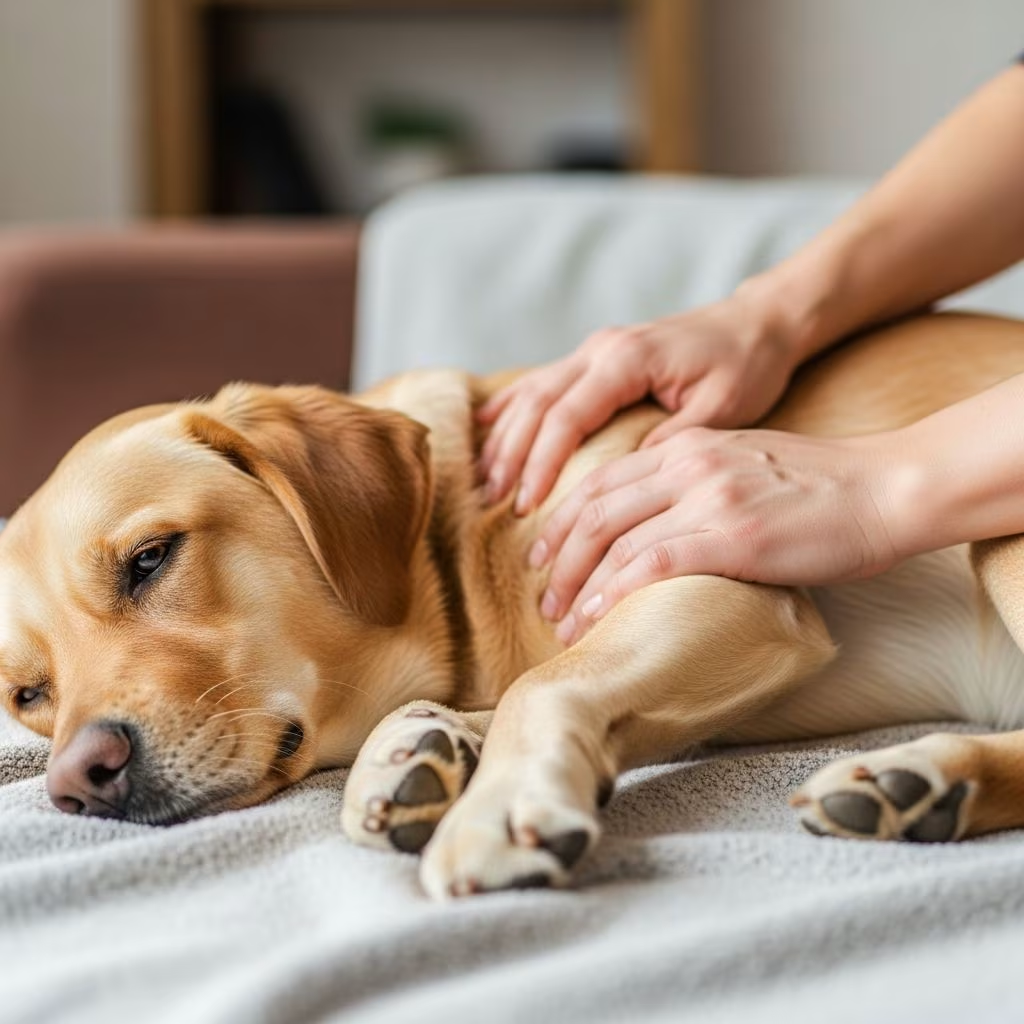
Therapeutic massage for dogs offers a non-invasive way to alleviate pain, improve mobility, and promote healing by targeting soft tissues like muscles, tendons, and ligaments. This hands-on approach enhances blood flow, reduces inflammation, and supports recovery from injuries or age-related issues, making it accessible for owners to perform at home or with professionals.
Why Dogs Benefit from Regular Massage Sessions
Canine massage therapy addresses multiple health aspects beyond simple relaxation. It works directly on soft tissues to relieve soreness, increase circulation, and ease discomfort associated with conditions like arthritis, sprains, or post-surgical recovery.
- Stress and Anxiety Reduction: Rhythmic strokes activate the parasympathetic nervous system, promoting a calm state and helping high-energy breeds manage behaviors like excessive barking.
- Pain Management: Techniques release muscle tension and trigger points, providing relief for orthopedic issues without medication.[10]
- Immune and Digestive Support: Improved lymphatic flow removes toxins, potentially strengthening immunity and aiding digestion.
A study in the journal Vet Record involving 527 dogs showed significant quality-of-life improvements post-massage, particularly for muscular injuries and arthritis.
Key Physiological Advantages of Massage
Massage stimulates physiological changes that benefit dogs of all ages, from active puppies to senior pets. Enhanced circulation delivers oxygen and nutrients while flushing metabolic waste, reducing risks like hypertension or edema.
| Benefit | Description | Targeted Conditions |
|---|---|---|
| Improved Circulation | Increases blood and lymph flow for nutrient delivery and waste removal | Stiffness, poor coat health |
| Muscle Relaxation | Eases tightness and balances tone | Sprains, overexertion |
| Mobility Enhancement | Increases range of motion | Arthritis, post-injury |
| Recovery Acceleration | Promotes healing and reduces inflammation | Surgery, trauma |
Owners report quick results, such as relaxed posture and willingness to move, even in dogs resistant to handling.
Essential Massage Techniques for Home Use
Start with gentle methods to build your dog’s comfort. Always observe body language—tail wags and relaxed ears indicate enjoyment, while lip licking or avoidance signals discomfort.
Effleurage: The Warming Stroke
Begin and end sessions with long, gliding strokes using your palms. This warms tissues, boosts blood flow, and induces relaxation. Apply light pressure along the back, sides, and limbs for 5-10 minutes.
Petrissage: Kneading for Depth
Use your fingers and thumbs to gently knead muscles in rolling motions, mimicking dough kneading. Focus on shoulders, hips, and thighs to stimulate lymphatic drainage and toxin removal. Avoid bony areas.
Targeted Key Zones
Certain spots yield maximum relief:
- Base of Skull: Circular motions here release neck tension and stress.
- Tail Base: Light strokes improve balance and flexibility.
- Legs and Joints: Circular rubs enhance joint mobility.
- Abdomen: Clockwise strokes aid digestion.
Deep tissue options like cross-fiber friction target adhesions but require professional training.
Tailoring Massage to Your Dog’s Needs
Adapt techniques based on breed, age, and condition. High-energy dogs like Border Collies benefit from calming sessions, while seniors gain from gentle mobility work.
- Puppies: Light effleurage for growth support and touch tolerance.
- Athletes: Pre- and post-exercise petrissage to prevent strains.
- Seniors: Focus on joints for arthritis relief.
- Injured Dogs: Holistic full-body approach to address compensatory tensions.
Session length: 10-20 minutes, 2-3 times weekly. Consult vets for tailored advice, especially post-surgery.
Integrating Massage with Professional Care
Massage complements veterinary treatments like chiropractic, acupuncture, or rehab. For instance, pre-chiropractic massage relaxes muscles for better adjustments.
Vets may demonstrate techniques for recovery, combining massage with holistic remedies. A coordinated plan—massage followed by alignment and energy work—optimizes outcomes for surgical recoveries.
Professional therapists use advanced methods like Shiatsu or trigger point therapy, often detecting early issues like lumps during sessions.
Getting Started: Safety and Preparation
Ensure a quiet space with your dog relaxed, perhaps after a walk. Use treats for positive association. Contraindications include acute infections, open wounds, or fractures—always vet-check first.
- Assess for heat, swelling, or pain.
- Warm hands and apply dog-safe oil if needed.
- Progress from light to moderate pressure.
- End with effleurage and praise.
Early detection during massage can prompt timely vet visits.
Frequently Asked Questions
Can I massage my dog daily?
Short daily sessions are fine for healthy dogs, but limit intensive work to 2-3 times weekly to avoid overstimulation.
Is massage safe for puppies?
Yes, gentle techniques build touch tolerance and support development, but keep pressure minimal.
How soon after surgery can I start?
Wait for vet approval, typically after stitches heal, starting with very light strokes.
What if my dog dislikes it?
Go slower, use high-value rewards, and stop if stressed. Build tolerance gradually.
Should I hire a professional?
For complex issues, yes—certified therapists offer specialized care.
Real-World Results and Owner Tips
Owners note 30% mobility gains in studies, with dogs showing calmer behavior and faster healing. Track progress via photos or mobility logs. Combine with exercise for best results.
References
- The Power of Dog Massage Therapy — AKC Pet Insurance. 2023. https://www.akcpetinsurance.com/blog/hands-healing-hounds-the-power-of-canine-massage
- The Benefits of Canine Massage — TopDog Health. 2024. https://topdoghealth.com/the-benefits-of-canine-massage-how-and-why-to-massage-your-dog/
- Discover How Canine Massage Can Transform Your Dog’s Life — UAH Vet. 2023. https://www.uah-vet.com/discover-how-canine-massage-can-transform-your-dogs-life/
- The Benefits Of Canine Massage — Halo Collar. 2024. https://www.halocollar.com/blog/dog-health/benefits-of-canine-massage/
- Canine Massage Therapy – Helping Dogs Feel Better — Lone Tree Vet. 2023. https://www.lonetreevet.com/blog/canine-massage-therapy-helping-dogs-feel-better/
- Does Your Dog Need a Massage? — AKC. 2024. https://www.akc.org/expert-advice/health/dog-massage/



