
Canine Massage Mastery
Unlock the healing power of touch: essential techniques to boost your dog's wellness, mobility, and joy through simple at-home massages.
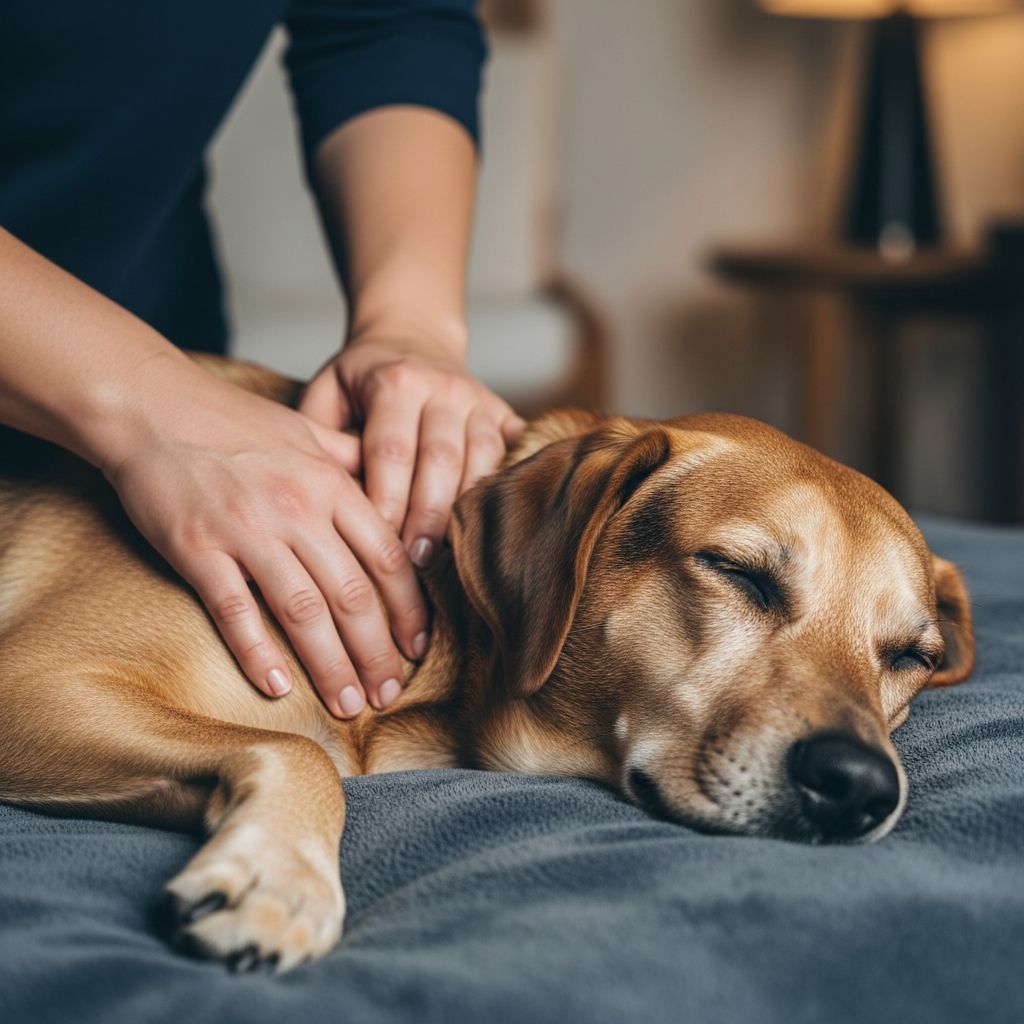
Regular massage sessions can profoundly impact your dog’s physical and emotional health, offering a natural way to address common issues like tension, poor mobility, and stress. This guide provides a complete roadmap to performing effective canine massages at home, drawing on established techniques to help dogs of all ages thrive.
Why Every Dog Deserves Regular Massages
Massage therapy for dogs goes beyond simple petting; it targets soft tissues to deliver tangible health improvements. Studies and veterinary insights show that consistent sessions can lead to measurable gains in overall vitality.
- Stress Reduction: Rhythmic touch activates the parasympathetic nervous system, calming hyperactive or anxious dogs, including high-energy breeds like Border Collies.
- Pain Relief: Targeted pressure eases chronic discomfort from arthritis or injuries, often providing quicker results than medication alone.
- Circulation Boost: Enhanced blood and lymph flow delivers oxygen and nutrients while flushing toxins, supporting immune health and preventing conditions like edema.
- Mobility Enhancement: A 2020 veterinary study noted 30% better mobility in massaged dogs compared to standard care.
- Early Detection: Hands-on sessions reveal lumps, stiffness, or hotspots for prompt vet attention.
These benefits extend to puppies building strength, athletic dogs recovering from exertion, and seniors maintaining independence. Even dogs resistant to handling often warm up to therapeutic touch.
Preparing for a Successful Massage Session
Success starts with the right setup. Choose a quiet, warm space free from distractions. Use a non-slip mat or soft bedding, and have treats ready to build positive associations.
| Factor | Recommendations |
|---|---|
| Surface | Firm yet padded; side-lying position for comfort |
| Timing | 10-20 minutes, 2-3 times weekly; post-walk or evening |
| Tools | Clean hands or hypoallergenic oil; avoid lotions |
| Mood Check | Observe tail wags, relaxed ears; stop if tense |
Warm your hands first and speak soothingly. Gauge your dog’s response: relaxed breathing and loose posture signal readiness. Consult a vet for dogs with injuries, skin issues, or post-surgery needs.
Core Massage Techniques for Dogs
Master these foundational methods, progressing from light to deeper pressure as your dog relaxes. Always stay off the spine, joints, and sensitive areas unless trained otherwise.
Effleurage: The Relaxation Starter
This gliding stroke warms tissues and promotes blood flow, ideal for session openers and closers. Place your full palm on the neck and sweep toward the tail in long, even motions. Repeat 4-5 times per side, adjusting speed for breed size—slower for large dogs, quicker for small ones.
Petrissage: Deep Muscle Kneading
Gently lift and roll muscle bellies between fingers and thumb to release knots and boost lymphatic drainage. Focus on shoulders, hips, and thighs; 30-60 seconds per spot. This technique aids rehab by improving flexibility without strain.
Circular Friction: Targeted Tension Relief
Use fingertips for small, firm circles on tight spots like the base of the skull or along the back muscles (parallel to spine). Great for stiffness; increase pressure gradually if your dog leans in.
Compression: Leg and Limb Revival
Squeeze limbs rhythmically from body outward, mimicking a pump for circulation. Hold 3-5 seconds per compression, avoiding inflamed joints. Excellent for post-exercise recovery.
Passive Stretching: Gentle Extension
Support a limb and slowly extend it, holding 10-20 seconds. Enhances range of motion safely; combine with effleurage for seniors.
Area-Specific Massage Routines
Tailor sessions to your dog’s needs with these body-zone guides.
Neck and Shoulders: Stress Hotspots
Start here for anxiety relief. Use circular motions at the skull base, then petrissage along shoulder blades. Many dogs melt into bliss during ear tugs integrated here.
Back and Sides: Core Strengthener
Effleurage parallel to the spine on both sides, followed by light kneading. Skip direct vertebrae contact to prevent discomfort.
Legs and Hips: Mobility Makers
Compress upper legs, circle thighs, and stretch gently. Prioritize hind legs for aging dogs prone to hip issues.
Chest, Abdomen, and Face: Calming Finish
Light strokes over the chest promote deep breathing. Belly circles aid digestion; facial rubs around eyes and muzzle soothe.
Customizing for Dog Types and Conditions
Adapt techniques to life stage and lifestyle.
- Puppies: Short, playful sessions with effleurage to build trust and muscle tone.
- Athletes: Petrissage post-training to flush lactic acid and prevent strains.
- Seniors/Arthritis: Gentle compression and warmth for joint relief; note 30% mobility gains.
- Anxious Dogs: Slow ear and base-of-skull focus to shift to rest mode.
- Rehab Cases: Vet-approved light effleurage; integrate with PT for optimal healing.
For advanced needs, combine with acupressure or consult certified therapists.
Frequently Asked Questions
Is dog massage safe for all breeds?
Yes, when done gently. Monitor for signs of pain like yelping or pulling away, and avoid deep pressure on thin-coated or frail dogs.
How often should I massage my dog?
2-3 times weekly for 10-20 minutes yields best results without overwhelming your pet.
Can massage replace vet care?
No—it complements treatment. Use it for maintenance and early detection, but seek professional help for persistent issues.
What if my dog doesn’t like it?
Start shorter, use high-value treats, and build tolerance gradually. Some prefer treats over touch initially.
Are there tools for beginners?
Hands work best, but soft brushes or therapy balls can assist once proficient.
Advanced Tips and Precautions
Track progress with a journal noting relaxed areas or new tensions. Hydrate your dog post-session and watch for over-relaxation signals like heavy sleepiness. Never massage open wounds, tumors, or acute fevers—defer to vets.
For holistic boosts, pair with balanced nutrition and exercise. Certified training elevates skills for competitive or therapeutic applications.
References
- How to Massage Your Dog for Maximum Relaxation and Wellness — Earthbath. 2023. https://earthbath.com/blogs/earthbath-blog/how-to-massage-your-dog
- The Benefits of Canine Massage | TopDog Health — TopDog Health. 2023. https://topdoghealth.com/the-benefits-of-canine-massage-how-and-why-to-massage-your-dog/
- Discover How Canine Massage Can Transform Your Dog’s Life — UAH Vet. 2024. https://www.uah-vet.com/discover-how-canine-massage-can-transform-your-dogs-life/
- The Benefits Of Canine Massage — Halo Collar. 2023. https://www.halocollar.com/blog/dog-health/benefits-of-canine-massage/
- Massage Techniques for Pets during Rehabilitation — RehabVet Clinic. 2024. https://rehabvet.com/blog/massage-techniques-for-pets-during-rehabilitation/
- Canine Massage Therapy – Helping Dogs Feel Better — Lone Tree Vet. 2023. https://www.lonetreevet.com/blog/canine-massage-therapy-helping-dogs-feel-better/
- Does Your Dog Need a Massage? Benefits of the Canine Massage — AKC. 2024-03-15. https://www.akc.org/expert-advice/health/dog-massage/
Similar Articles








Read full bio of medha deb




