

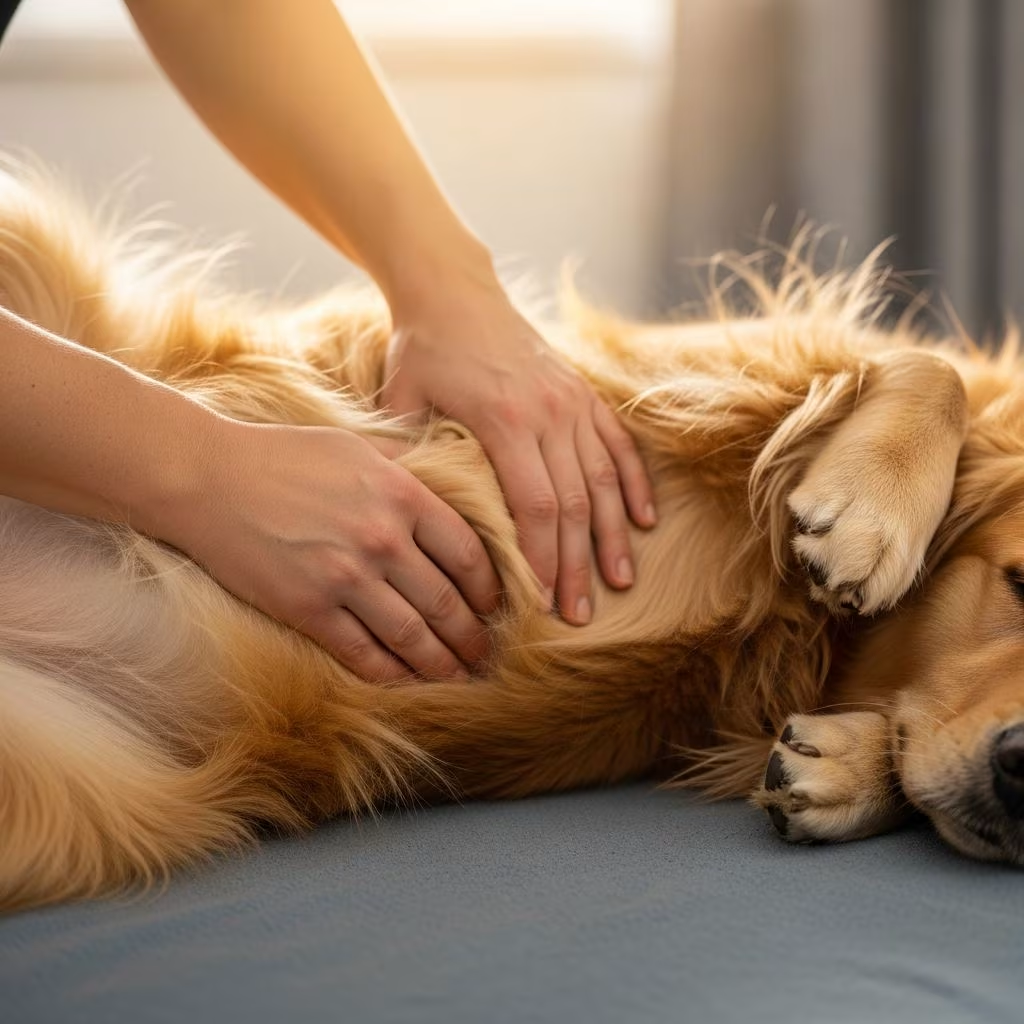
When your beloved dog experiences digestive difficulties, the desire to help becomes overwhelming. Many pet owners explore various remedies, including therapeutic touch and massage. While massage has gained recognition in human medicine for supporting digestive function, applying these principles to dogs requires careful consideration, professional guidance, and understanding of what the science actually shows. This comprehensive guide explores how gentle massage techniques may support your dog’s digestive wellness, important safety considerations, and when professional veterinary care is essential.
Understanding Canine Digestive Challenges
Constipation in dogs manifests when bowel movements become infrequent or when your dog experiences difficulty passing stool. This condition can arise from multiple sources, including dietary factors, behavioral changes, medication side effects, stress responses, underlying medical conditions, or complications from anesthesia. The experience can cause genuine discomfort for your pet, making it understandable why owners seek relief strategies.
However, recognizing the underlying cause matters tremendously before attempting any treatment approach. Some constipation cases involve physical obstructions, structural issues, or serious health problems that massage cannot address and might even complicate. This is precisely why veterinary consultation forms the essential first step before attempting massage therapy on your constipated dog.
The Critical Importance of Professional Evaluation
Before attempting any massage technique on your dog, scheduling a veterinary appointment should be your priority. Your veterinarian can conduct a thorough physical examination, review your dog’s medical history, and perform diagnostic testing if necessary. This evaluation helps identify whether massage might be beneficial or potentially harmful for your specific dog’s situation.
Some constipation cases involve complications that massage could worsen. For example, fecal impaction, tumors affecting the anal glands, or structural abnormalities require targeted medical interventions, not supplementary massage. Additionally, dogs with abdominal pain related to constipation may experience increased discomfort if massaged without proper diagnosis. Your vet can determine whether massage represents an appropriate complementary approach within your dog’s overall treatment plan.
Your veterinarian may recommend massage as part of a comprehensive strategy that includes dietary modifications, specific medications like laxatives, increased exercise, or other interventions. In cases where constipation stems from stress, medication effects, or as a preventive wellness measure, massage may receive veterinary approval.
What Scientific Evidence Reveals About Massage and Digestion
The scientific landscape regarding massage for canine constipation remains limited, with no substantial body of research specifically demonstrating its effectiveness in dogs. However, related evidence provides useful context for understanding potential benefits.
Research in human medicine shows measurable benefits from abdominal massage for constipation relief. Studies document that a single 30-minute abdominal massage session can relax abdominal muscles, improve circulation, and enhance intestinal movement. Individuals receiving regular massage sessions—even brief 10-minute treatments three times weekly—demonstrated improved bowel function. These benefits appear to work through multiple mechanisms: direct stimulation of digestive muscles, activation of the parasympathetic nervous system (which controls digestion), and reduction of abdominal tension.
In canine studies, massage has demonstrated effectiveness for pain reduction in dogs with orthopedic conditions, suggesting that therapeutic touch does produce physiological responses in dogs similar to humans. Since stress and anxiety contribute to constipation in dogs, and since massage promotes relaxation and nervous system calming, theoretical support exists for potential benefits. However, this represents theoretical extrapolation rather than proven effectiveness.
The consensus among veterinary professionals is that while massage is unlikely to cause harm when performed correctly with veterinary approval, it should complement rather than replace conventional veterinary treatments. Massage might prove most useful for mild cases or as a preventive wellness strategy rather than as primary treatment for significant constipation.
Preparing Your Dog for Therapeutic Massage
Successful massage begins with proper preparation that sets the stage for relaxation and positive response from your dog.
Environmental Considerations
Choose a quiet, comfortable location where your dog feels secure and undisturbed. Background noise, other pets, or household activity can create tension that undermines the relaxation massage aims to achieve. A non-slip surface such as a yoga mat, training mat, or towel prevents your dog from sliding around, which creates anxiety and prevents them from fully relaxing.
Timing and Your Dog’s State
Ideally, perform massage when your dog is naturally relaxed and calm. Sleepy or drowsy periods following gentle exercise represent optimal timing. Exercise before massage serves multiple purposes: it naturally stimulates bowel movements through activity, helps satisfy your dog’s energy needs so they’re calmer during massage, and prevents massage on a hungry dog.
Avoid attempting massage immediately after meals or when your dog is hungry, agitated, or anxious. Your dog’s emotional state directly influences whether massage produces relaxation or stress. If your dog typically resists prolonged petting or dislikes close physical contact, massage may create frustration rather than benefit.
Building Comfort and Trust
Before beginning specific massage techniques, ensure your dog is comfortable with extended touch from you. Some dogs tolerate brief petting but become stressed with prolonged contact. Test your dog’s tolerance and respect their boundaries. A dog that resists or tries to move away is communicating discomfort—honor that communication by stopping rather than forcing continued contact.
The Foundational Relaxation Massage Technique
The simplest and most foundational massage approach involves gentle stroking along your dog’s back and sides. This technique promotes overall relaxation and nervous system calm.
Begin by positioning yourself comfortably beside your dog. Using gentle, consistent pressure, stroke downward along both sides of your dog’s spine, moving from the neck region toward the rear. Avoid pressing directly on the spine itself; instead, work the muscles on either side of the spinal column. The pressure should be firm enough to feel purposeful but never forceful or painful.
Continue these strokes in slow, rhythmic patterns for several minutes. Many dogs find this deeply soothing, and you’ll notice physical signs of relaxation: softened facial expression, slower breathing, and eventual settling into a comfortable resting position. This foundational technique prepares your dog’s nervous system for more targeted work and can provide benefit on its own.
Targeted Abdominal Massage for Digestive Support
When your veterinarian approves, you can progress to more specific abdominal massage techniques designed to support digestive function.
Positioning Your Dog
Position your dog in a way that comfortably exposes the abdomen for massage. Options include:
- Lying on their back (best for thorough access, though some dogs find this position vulnerable)
- Standing with their rear toward you while you access the abdomen from the side
- Lying upright on their side, which many dogs find more comfortable
Choose the position your dog tolerates best. A comfortable dog is a relaxed dog, and comfort directly influences whether the massage achieves its intended effect.
Locating the Abdominal Area
Gently feel your dog’s body to identify the soft area between the ribcage above and the pelvis below. This is your massage region. Familiarize yourself with your dog’s anatomy so you know exactly where you’re working and can avoid uncomfortable pressure on bony structures.
Clockwise Circular Motions
Using your fingertips or the flat of your hand, begin making gentle circular motions across the abdomen in a clockwise direction. This follows the natural path of the colon through the digestive tract: up the right side of the abdomen, across the upper portion, and down the left side. Work your way systematically through these regions with consistent, gentle pressure.
The pressure should be light and suited to your dog’s size and comfort level. You’re not pushing forcefully; instead, you’re applying gentle stimulation that encourages the intestinal muscles to contract naturally. Many dogs show visible relaxation during this technique, with softened expression and deeper breathing.
Continue for several minutes while observing your dog’s responses. If they remain relaxed and comfortable, continue the technique. If your dog shows signs of discomfort, tries to move away, or appears agitated, stop immediately. Pushing past your dog’s comfort boundaries works against your goal of promoting relaxation and digestive wellness.
Alternative Massage Approaches
If traditional abdominal massage doesn’t suit your dog, alternative techniques may prove effective.
Side-to-Side Stroking Method
With your dog lying on their side, apply moderate pressure using both palms, starting at the shoulder or neck area and moving slowly toward the tail. These strokes should follow the length of your dog’s body, moving from front to rear. Continue for 2-5 minutes, then allow your dog to stand and move around briefly. This short break gives the digestive system time to respond to the stimulation.
After this movement break, guide your dog to lie down on their opposite side and repeat the stroking pattern. This bilateral approach ensures both sides of the abdomen receive stimulation and helps address the natural asymmetry in how constipation affects dogs.
Pressure Release and Vibration Techniques
Beyond stroking motions, you can apply gentle sustained pressure along the digestive tract pathway. Hold steady, light pressure at various points along the colon’s path for several seconds, then release. This pressure stimulates intestinal muscles to contract involuntarily, encouraging natural movement of contents through the digestive system.
Vibration techniques involve creating gentle vibrating motions with your fingers or hand along the same pathway. These vibrations provide sensory stimulation that encourages muscle engagement without forceful manipulation.
Reading Your Dog’s Response and When to Stop
Throughout any massage session, your dog provides continuous feedback about their comfort and willingness to continue. Learning to read these signals prevents causing unnecessary stress or discomfort.
Positive signs include relaxed facial expression, softened eyes, deeper or slower breathing patterns, and continued willingness to remain in position. Some dogs eventually fall asleep during massage—a clear indicator of deep relaxation.
Warning signs indicating you should stop include attempting to move away, changes in body tension, ears pulling back, lip licking or yawning (stress signals), whining or vocalization, or attempting to stand. These behaviors communicate that your dog wants the massage to end. Respecting these signals matters far more than completing your planned session duration.
Complementary Approaches to Support Digestive Wellness
Massage works best as part of a comprehensive approach to canine digestive health rather than as a standalone solution.
Exercise stimulates natural bowel movements through muscle engagement and increased abdominal pressure. Regular walks, play sessions, and age-appropriate activity support healthy digestion independent of any massage efforts.
Dietary factors significantly influence constipation incidence. Your veterinarian may recommend increased fiber intake through dietary modifications or supplements. Adequate hydration, appropriate meal timing, and consistent feeding schedules all support digestive regularity.
Stress reduction contributes directly to constipation relief, since anxiety and stress inhibit normal digestive function. Beyond massage, this might include maintaining predictable routines, providing a secure environment, and addressing sources of anxiety.
When Massage Isn’t Appropriate
Certain situations contraindicate massage or require medical intervention instead. If you suspect intestinal impaction, structural blockages, tumors, or other serious medical conditions, your dog needs veterinary imaging and treatment, not massage. Similarly, if constipation persists despite dietary adjustments and increased activity, professional evaluation becomes essential rather than attempting additional home remedies.
If your dog shows severe abdominal pain, refuses food, vomits, appears lethargic, or displays other signs of serious illness, contact your veterinarian immediately rather than attempting massage.
Key Takeaways for Safe and Effective Practice
- Always consult your veterinarian before attempting massage on a constipated dog
- Massage represents a complementary approach, not a replacement for veterinary treatment
- Proper preparation, including choosing an appropriate time and environment, directly influences success
- Gentle, relaxing touch promotes nervous system calm that may support digestive function
- Targeted clockwise abdominal massage can stimulate intestinal movement when performed gently
- Always respect your dog’s comfort signals and stop if they show resistance or stress
- Combine massage with exercise, dietary adjustments, and other veterinary-recommended approaches
- Recognize situations where massage is inappropriate and professional intervention is necessary
Frequently Asked Questions
How often should I massage my dog for constipation?
Frequency depends on your veterinarian’s recommendations and your dog’s individual situation. Some dogs benefit from daily massage during mild constipation episodes, while others might benefit from massage only a few times weekly as a preventive measure. Your vet can guide appropriate frequency for your dog’s specific circumstances.
Can massage worsen constipation?
Gentle massage performed correctly is unlikely to worsen constipation. However, overly forceful massage or massage performed without proper diagnosis could potentially cause discomfort or complicate underlying medical conditions. This is why veterinary approval before beginning massage is essential.
How long should a massage session last?
Most effective massage sessions last 5-15 minutes depending on your dog’s tolerance and response. Shorter sessions that genuinely relax your dog may prove more beneficial than longer sessions that create stress. Quality of relaxation matters more than duration.
Will massage work for all types of constipation?
No. Massage may help mild constipation related to stress, medication effects, or suboptimal digestive stimulation. Constipation caused by structural problems, impactions, tumors, or serious medical conditions requires veterinary intervention beyond massage.
Can I learn massage from videos or books?
Basic massage techniques can be learned from instructional sources, but professional instruction from a veterinarian or certified animal massage therapist provides valuable guidance for your specific dog. Video demonstrations help with technique, but professional feedback ensures you’re performing massage safely and effectively.
References
- How to Massage a Dog to Poop: 5 Great Tips (Vet Answer) — Dogster. Accessed January 30, 2026. https://www.dogster.com/ask-the-vet/how-to-massage-a-dog-to-poop
- How to Massage A Dog to Poop — Service Dog Training School. Accessed January 30, 2026. https://www.servicedogtrainingschool.org/blog/how-to-massage-a-dog-to-poop
- Massage for constipation- dogs and cats — Board Certified Animal Massage Practitioner. YouTube. Published May 9, 2020. https://www.youtube.com/watch?v=G1twYQS6iRM



