

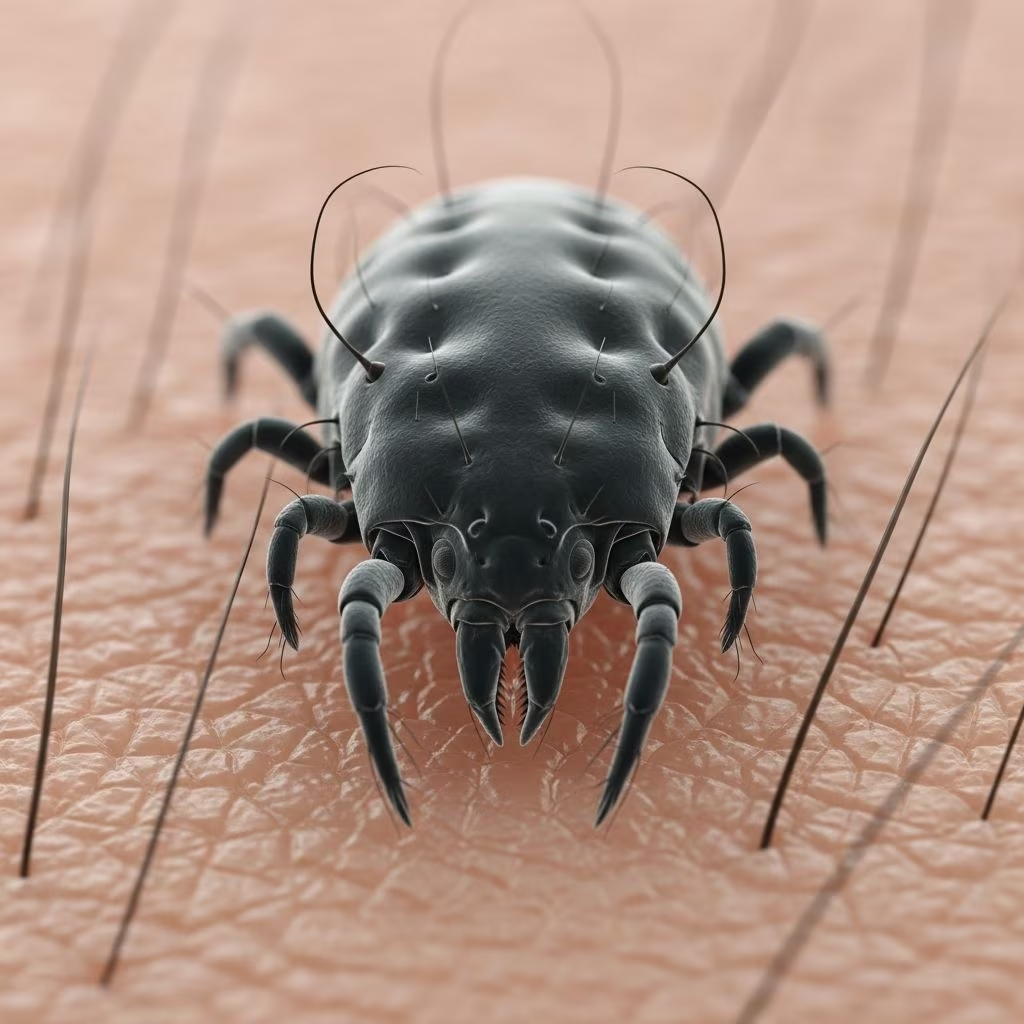
Canine mange results from mite infestations on a dog’s skin, with some types posing limited risks to humans through close contact. While most cases stay confined to dogs, understanding the nuances helps pet owners protect their households effectively.
Understanding Mange in Dogs
Mange represents a group of skin conditions triggered by parasitic mites burrowing into a dog’s epidermis. These infestations lead to intense discomfort, visible skin changes, and potential secondary issues if untreated. Two primary forms dominate in canines: sarcoptic and demodectic mange, each with distinct characteristics and implications.
Sarcoptic mange, driven by Sarcoptes scabiei var. canis, spreads rapidly among dogs via direct touch or shared items like bedding. It causes severe itching, leading to hair loss, crusty lesions, and inflamed areas, often starting on the ears, elbows, and belly.
Demodectic mange, conversely, stems from Demodex canis mites naturally residing in canine hair follicles. These proliferate when a dog’s immunity falters, such as in puppies or stressed adults, resulting in patchy baldness without the hallmark itch of sarcoptic cases.
Key Differences Between Sarcoptic and Demodectic Mange
| Aspect | Sarcoptic Mange | Demodectic Mange |
|---|---|---|
| Cause | Sarcoptes scabiei var. canis | Demodex canis |
| Contagious to Dogs | Highly contagious | Not contagious |
| Symptoms | Intense itching, red skin, hair loss, sores | Bald patches, mild/no itch, scaling |
| Transmission | Direct contact, fomites | Immune suppression |
| Human Risk | Temporary rash possible | None |
This comparison highlights why sarcoptic mange demands immediate isolation and treatment, unlike demodectic cases.
How Mange Mites Spread Among Dogs
Sarcoptic mites transmit primarily through physical contact between infected and healthy dogs, thriving in environments with high dog density like kennels or parks. Wild animals such as foxes and coyotes serve as reservoirs, passing mites during rare encounters.
- Direct skin-to-skin contact during play or grooming.
- Indirect spread via contaminated bedding, brushes, or collars.
- Environmental survival: Adult mites persist off-host for days to weeks on fomites.
Demodex mites, passed from mother to puppies at birth, do not spread dog-to-dog post-weaning, emphasizing genetic or health predispositions over contagion.
Mange Mites and Human Transmission: The Facts
Pet owners often worry if their dog’s mites can infest family members. Sarcoptic mange mites qualify as zoonotic, capable of brief human infestation via close, prolonged contact like cuddling or sleeping together. However, canine mites cannot reproduce on human skin, limiting issues to transient irritation.
Demodex mites remain species-specific, posing zero risk to humans, who harbor their own harmless Demodex folliculorum variants.
Transmission requires direct mite transfer; these parasites do not leap like fleas but burrow quickly upon contact.
Recognizing Mange Symptoms in Dogs
Early detection prevents escalation. Watch for these sarcoptic signs:
- Relentless scratching, especially at night.
- Red, bumpy skin progressing to yellow crusts.
- Hair loss in symmetric patterns on limbs and face.
- Secondary bacterial infections from self-trauma.
Demodex presents with non-pruritic alopecia, often on the face or legs, worsening without itch-driven damage.
Veterinarians confirm via skin scrapings, though sarcoptic mites evade detection in 20-30% of cases, prompting suspicion-based treatment.
Human Symptoms from Canine Sarcoptic Mites
Humans exposed to sarcoptic mange may notice:
- Papular rash with red, itchy bumps on arms, abdomen, or thighs—contact zones.
- Intense pruritus mimicking allergic reactions.
- Self-resolution in 3-5 days as mites perish without reproduction.
Persistent symptoms beyond a week warrant medical evaluation to rule out human scabies (S. scabiei var. hominis), which completes its cycle on people.
Effective Treatments for Dogs
Treatment targets the full mite lifecycle (17-21 days), demanding compliance.
For sarcoptic mange:
- Topical or oral macrocyclic lactones (e.g., selamectin, moxidectin).
- Isoxazolines like fluralaner for rapid kill.
- Two rounds, 2-4 weeks apart, treating all household dogs.
Demodex requires addressing underlying immunity, using similar parasiticide dips or orals alongside supportive care.
Environmental decontamination involves hot-washing fabrics and vet-recommended sprays for severe cases.
Protecting Humans: Prevention Strategies
Minimize zoonotic risk with proactive steps:
- Limit contact with suspect dogs until cleared.
- Wear gloves for handling infested pets or cleaning.
- Practice rigorous hand hygiene post-interaction.
- Isolate affected dogs from children and immunocompromised individuals.
Monitor household for rashes; over-the-counter hydrocortisone or antihistamines suffice for mild cases, but consult physicians promptly.
Long-Term Management and Prognosis
With prompt intervention, sarcoptic mange boasts excellent outcomes; most dogs recover fully in 4-6 weeks. Recurrence risks drop with complete treatment and hygiene.
Demodex may linger in immunocompromised dogs, necessitating ongoing monitoring. Nutrition, stress reduction, and vaccinations bolster resilience.
Prevention hinges on routine vet checks, avoiding stray contact, and prompt symptom reporting.
Frequently Asked Questions
Is dog mange always contagious to humans?
No, only sarcoptic mange carries risk, and even then, human cases are mild and short-lived.
How long do dog mites live on human skin?
Canine sarcoptic mites survive 4-5 days max on humans without reproducing.
Can I get mange from my cat?
Rarely; feline mites differ, with low zoonotic potential compared to canine sarcoptic.
Does demodex mange spread to other pets?
No, it’s non-contagious and tied to individual immunity.
What if my rash doesn’t go away?
Seek medical advice to exclude true scabies or allergies.
Debunking Common Myths
- Myth: All mange is highly dangerous to humans. Fact: Risks are minimal and temporary.
- Myth: Mites jump from dogs. Fact: Direct contact required.
- Myth: Home remedies cure mange. Fact: Vets prescribe targeted therapies for efficacy.
Armed with this knowledge, dog owners can confidently manage mange, safeguarding pets and people alike.
References
- Sarcoptic Mange in Dogs — Small Door Veterinary. Accessed 2026. https://www.smalldoorvet.com/learning-center/medical/sarcoptic-mange-in-dogs/
- Mange in Dogs – What Does It Look Like and Is It Contagious to Humans? — Animal Hotels. Accessed 2026. https://animalhotels.com/gb/blog/dogs/mange-in-dogs-what-does-it-look-like-and-is-it-contagious-to-humans
- Dog Mange Mites on Humans — Whole Dog Journal. Accessed 2026. https://www.whole-dog-journal.com/health/dog-mange-mites-on-humans/
- Mange in humans: Treatment, symptoms, and outlook — Medical News Today. 2019-05-22. https://www.medicalnewstoday.com/articles/321379
- Sarcoptes species — sarcoptic mange or scabies — Western College of Veterinary Medicine, University of Saskatchewan. Accessed 2026. https://wcvm.usask.ca/learnaboutparasites/parasites/sarcoptes-species-sarcoptic-mange-or-scabies.php
- Scabies (Sarcoptic Mange) — Pets and Parasites. Accessed 2026. https://www.petsandparasites.org/dog-owners/scabies/



