

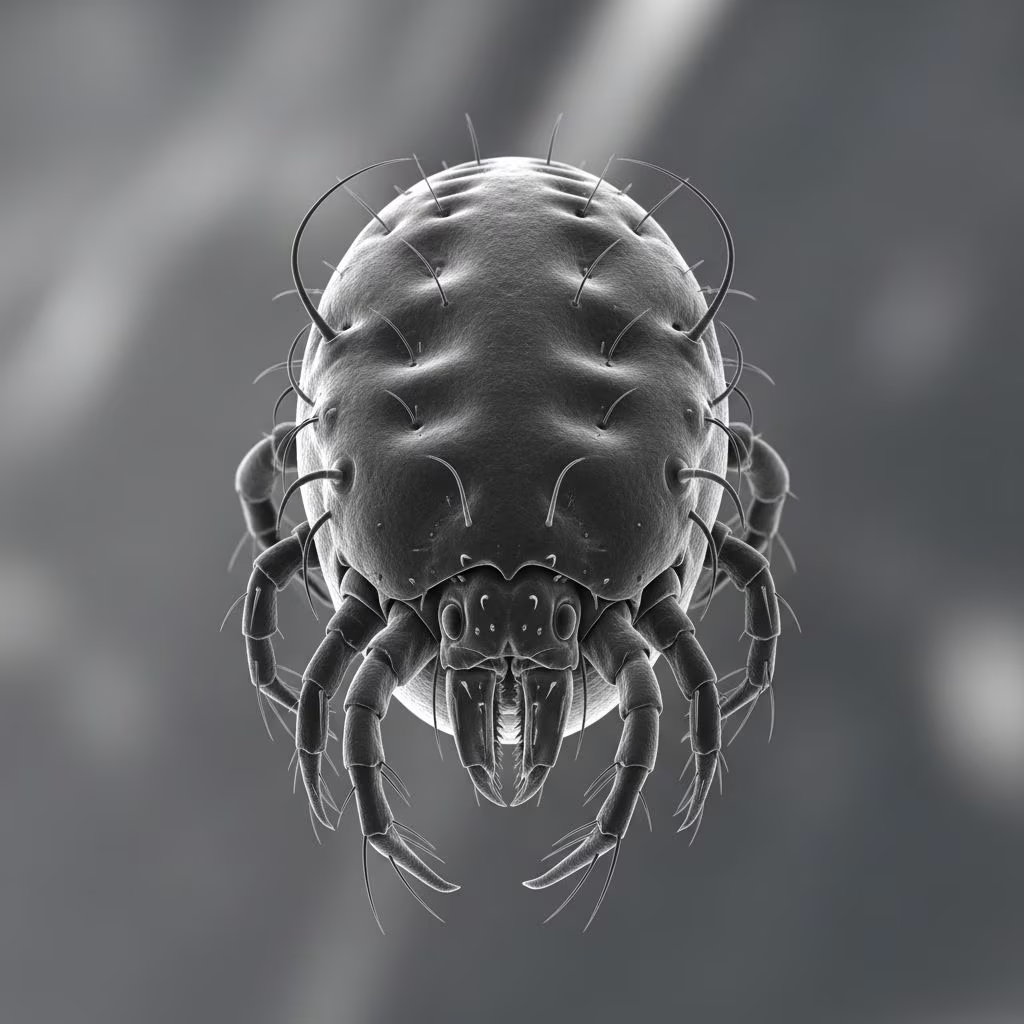
Dog mange arises from parasitic mites infesting a dog’s skin, leading to severe itching, hair loss, and potential infections. While primarily a canine issue, certain mites raise concerns for human transmission, prompting pet owners to seek clarity on risks and safeguards.
Understanding the Two Primary Mange Types in Dogs
Mange in dogs stems from two distinct mite species, each with unique behaviors and implications for spread. Recognizing these differences is foundational for assessing human exposure risks.
Sarcoptic Mange (Scabies): Caused by Sarcoptes scabiei var. canis, this highly contagious form involves mites burrowing into the skin, provoking intense allergic responses. Dogs exhibit widespread redness, crusting, and bald patches, often starting on the ears and elbows.
Demodectic Mange: Triggered by Demodex canis mites, which naturally reside in canine hair follicles. Overpopulation occurs in immunocompromised dogs, causing localized or generalized hair loss without the severe itch of sarcoptic cases.
| Mange Type | Causative Mite | Contagious to Dogs? | Human Risk |
|---|---|---|---|
| Sarcoptic | Sarcoptes scabiei | Yes, highly | Temporary infestation possible |
| Demodectic | Demodex canis | No | None |
Zoonotic Potential: Do Dog Mites Infest Humans?
Sarcoptic mange mites can jump to humans via close contact, inducing temporary skin reactions known as zoonotic scabies. These mites burrow briefly but fail to reproduce on human skin, limiting infestations to days or weeks.
- Mites prefer canine hosts; human skin lacks ideal conditions for their lifecycle completion.
- Transmission occurs through petting, hugging, or sharing bedding with infected dogs.
- Immunocompromised individuals may face prolonged symptoms, though full infestations remain rare.
Demodex mites pose zero zoonotic threat, as they are host-specific and cannot survive on human skin.
Spotting Human Symptoms from Canine Mites
Human reactions mimic scabies: pimple-like rashes, intense nocturnal itching, and linear burrows on exposed areas like wrists, fingers, and waists. Symptoms emerge 2-5 days post-exposure.
- Itch Intensity: Peaks at night due to mite activity.
- Rash Patterns: Red welts or blisters in contact zones.
- Secondary Issues: Scratching risks bacterial infections if untreated.
These resolve spontaneously once the dog’s infestation clears, as mites perish without reproduction.
Veterinary Diagnosis and Treatment for Affected Dogs
Confirming mange type requires skin scrapings or tape tests at a vet clinic. Sarcoptic cases demand aggressive therapy due to contagion.
Treatments include:
- Topicals: Lime-sulfur dips or medicated shampoos for mild cases.
- Systemics: Ivermectin, milbemycin, or afoxolaner oral/injectable options.
- Supportive Care: Antibiotics for infections, nutritional boosts for immunity.
Multiple treatments spaced weeks apart ensure mite elimination, with follow-ups verifying clearance.
Medical Care for Human Exposures
Consult a doctor for persistent itching or rashes post-dog contact. Though self-resolving, prescription scabicides like permethrin cream accelerate relief.
- Avoid over-the-counter remedies without diagnosis.
- Launder clothes/bedding in hot water to kill stray mites.
- Monitor for resolution within 1-4 weeks after dog treatment.
Essential Prevention Tactics for Households
Proactive steps minimize cross-species transmission while prioritizing dog recovery.
- Isolate infested dogs from family members, especially children and elderly.
- Enforce handwashing post-handling.
- Vacuum and hot-wash fabrics weekly.
- Administer monthly preventives covering mites (e.g., isoxazolines).
Annual vet checks catch early signs, curbing outbreaks.
Environmental Control Measures
Mites survive off-host briefly (up to 3 days), necessitating thorough sanitation.
- High-Traffic Areas: Steam-clean carpets and furniture.
- Pet Zones: Discard or deeply clean bedding; use mite-killing sprays.
- Outdoor Spaces: Rake soil and treat yards if generalized mange suspected.
High-Risk Scenarios and Special Considerations
Farm or rescue dogs face elevated exposure from wildlife reservoirs. Multi-pet homes amplify spread risks.
- Pregnant women or infants: Extra caution advised.
- Immunosuppressed owners: Prompt vet intervention critical.
- Stray adoptions: Quarantine new dogs 2-4 weeks.
FAQs
Can my dog give me permanent mange?
No, sarcoptic mites cause only transient issues in humans; they die without completing their cycle on our skin.
How quickly do symptoms appear in people?
Typically 2-5 days after contact, with itching worsening nocturnally.
Is demodex mange a worry for my family?
No, it’s non-zoonotic and dog-specific.
What if my dog keeps getting mange?
Underlying issues like poor nutrition or genetics may require vet investigation.
Can mites spread person-to-person from dog exposure?
Rarely, as human scabies differs; focus on treating the dog source.
Long-Term Management for Mange-Prone Dogs
Post-treatment, bolster immunity via balanced diets rich in omega-3s and probiotics. Routine flea/tick preventives often cover mites, reducing recurrence.
Breeds like Shar-Peis or those with allergies warrant vigilant monitoring.
References
- Can Dog Mange Be Transferred to Humans? — Zoorithm. 2023. https://www.zoorithm.com/dogs/can-dog-mange-be-transferred-to-humans
- Sarcoptic Mange Discussion — YouTube (Veterinary Webinar). 2023. https://www.youtube.com/watch?v=tQ4HqjutIqA
- Sarcoptic Mange and Scabies: What You Mite Not Know — YouTube (Vet Expert). 2023. https://www.youtube.com/watch?v=OmzboDDRfFA
- Animal Care & Information: Can Humans Catch Mange? — YouTube (eHow Vet). 2023. https://www.youtube.com/watch?v=rNl2EUiG9Wo



