

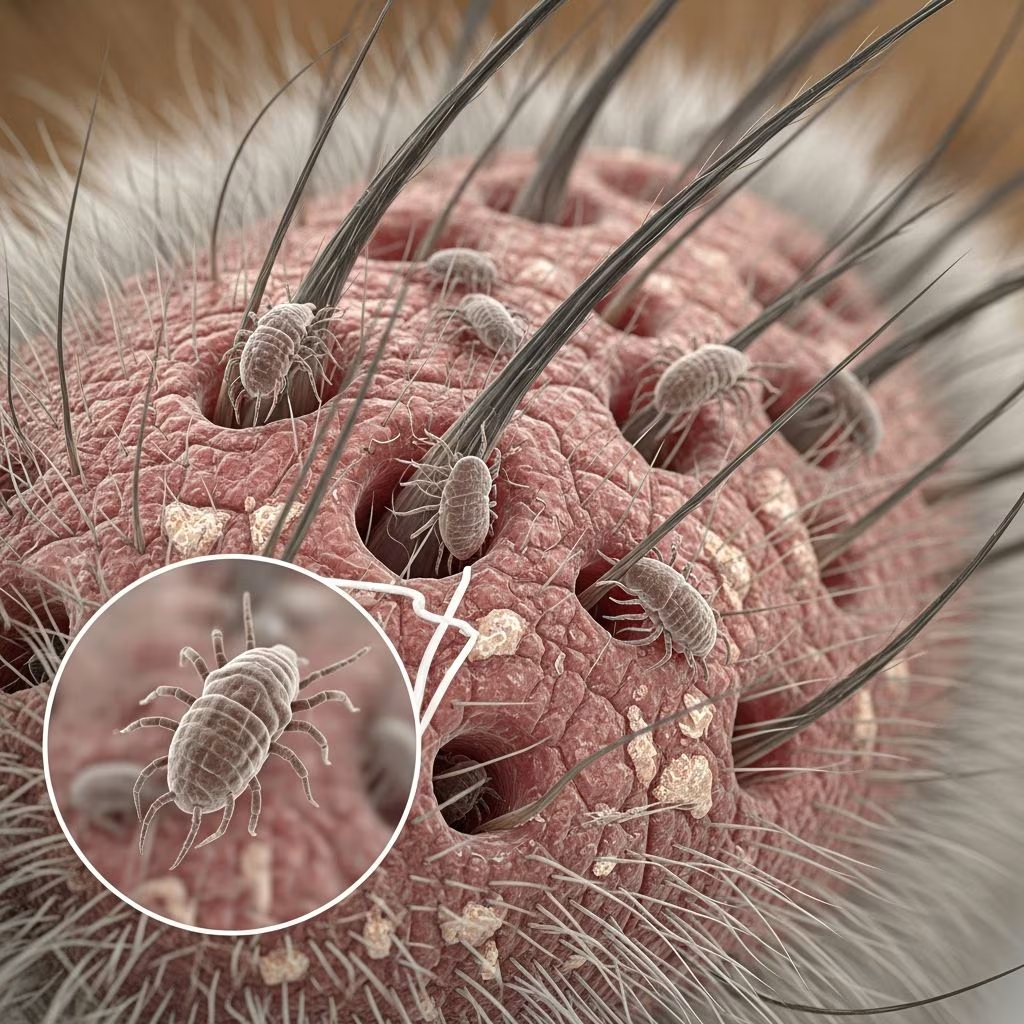
Mange represents one of the most uncomfortable skin conditions that can affect your canine companion. This parasitic disease, caused by microscopic mites that burrow into or colonize a dog’s skin and hair follicles, creates significant distress through intense itching, hair loss, and secondary skin complications. Understanding the nature of mange, recognizing its symptoms early, and knowing the available treatment options can make a substantial difference in your dog’s comfort and recovery.
What Is Mange and How Does It Develop?
Mange is fundamentally a skin disorder triggered by mite infestations that penetrate the dermal layers of affected animals. Unlike some parasitic conditions that remain isolated to specific body areas, mange can spread rapidly across a dog’s body if left untreated, potentially affecting the entire skin surface. The condition develops when mites multiply beyond normal levels, overwhelming the skin’s natural defense mechanisms and causing progressive inflammation, tissue damage, and secondary bacterial or fungal infections.
The development of mange depends on several factors, including the dog’s immune system status, age, overall health condition, and exposure to infected animals. A healthy immune system typically manages the natural mite population present on all dogs’ skin, preventing disease manifestation. However, when immunity becomes compromised or mite populations exceed manageable levels, clinical mange emerges with increasingly severe symptoms.
The Two Primary Types of Mange
Veterinarians recognize two distinct types of mange in canines, each with different characteristics, transmission patterns, and treatment approaches.
Sarcoptic Mange: The Highly Contagious Form
Sarcoptic mange originates from the Sarcoptes scabiei mite, a microscopic parasite that burrows directly beneath the skin’s outer layers. These mites are particularly aggressive, creating tunnels within the epidermis that trigger intense itching and rapid progression. The condition spreads easily between infected dogs and can even transmit to other animal species and humans, though infected people typically experience milder symptoms since the mites cannot complete their life cycle on human skin.
The contagious nature of sarcoptic mange means affected dogs require immediate isolation from other household pets and careful hygiene practices to prevent transmission. Symptoms typically manifest within 10 days to 8 weeks following exposure to infected animals.
Demodectic Mange: The Immune-Related Variant
Demodectic mange develops from Demodex canis mites, cigar-shaped parasites naturally present in the hair follicles of virtually all dogs. Unlike sarcoptic mites, Demodex mites typically coexist peacefully with healthy immune systems, causing no disease symptoms. The condition emerges when immune function becomes compromised, allowing mite populations to proliferate unchecked.
This form of mange does not spread from dog to dog or to humans, making it non-contagious. However, some evidence suggests demodectic mange may have hereditary components, which is why dogs with this condition should not be included in breeding programs.
Recognizing Mange Symptoms in Your Dog
Early detection of mange significantly improves treatment outcomes and reduces suffering. The manifestations vary somewhat between the two types, though some symptoms overlap.
Sarcoptic Mange Indicators
- Intense, relentless itching that disrupts sleep and normal activities
- Crusted or yellowing skin with visible scaling
- Progressive hair loss affecting ears, legs, chest, and belly
- Red, inflamed skin with pustules and rashes
- Secondary yeast infections causing additional irritation
- Dandruff, oozing sores, and emaciation in severe untreated cases
- Reduced energy levels and lethargy
Demodectic Mange Presentation
- Patchy or localized hair loss, particularly around the face, eyes, and legs
- Redness and mild to moderate itching (less severe than sarcoptic form)
- Scaling and crusting of affected skin areas
- Localized lesions that may resolve spontaneously in young dogs
- In generalized cases: widespread lesions across the entire body[10]
- Oily dandruff and skin thickening in chronic cases
Dogs at highest risk for developing demodectic mange include puppies with developing immune systems, older animals with weakened defenses, stray dogs, and those suffering from systemic illnesses that compromise immunity.
Understanding the Underlying Causes
While mites serve as the direct causative agents, several underlying factors determine whether a dog develops clinical mange:
| Factor | Impact on Mange Development |
|---|---|
| Immune System Status | Compromised immunity allows mite proliferation; healthy immune systems maintain populations at subclinical levels |
| Age | Puppies and elderly dogs face higher risk due to developing or declining immune function |
| Underlying Disease | Systemic illnesses, hormone imbalances, and cancer can suppress immune response and trigger mange |
| Genetic Predisposition | Demodectic mange shows hereditary tendencies in certain breeds |
| Stress | Physiological stress compromises immune effectiveness and facilitates mite proliferation |
| Exposure History | Contact with infected animals dramatically increases sarcoptic mange risk |
Research indicates that interestingly, demodectic mange may involve a bacterial component, with Staphylococcus epidermidis potentially playing a role in disease development. The Demodex mites dilate skin follicles and sweat glands, potentially allowing bacterial entry and contributing to inflammation.
Comprehensive Treatment Approaches
Successful mange management requires professional veterinary supervision and a multi-faceted treatment strategy tailored to the specific type and severity of infection. Home remedies cannot adequately address this condition.
Antiparasitic Medications
Veterinarians prescribe various antiparasitic options depending on the mange type and individual dog characteristics:
- Oral medications including ivermectin and milbemycin oxime
- Injectable treatments such as doramectin administered subcutaneously
- Topical spot-on applications containing imidacloprid/moxidectin
- Oral moxidectin for comprehensive mite eradication
Certain breeds, particularly Collies and Old English Sheepdogs, carry genetic sensitivities to macrocyclic lactone medications due to the MDR1 gene mutation. Veterinarians must identify these sensitivities before treatment initiation, often administering doses gradually to monitor for adverse reactions.
Topical Treatments and Dips
Medicated dips and shampoos provide additional mite elimination and skin healing support. Lime-sulfur dips have demonstrated particular effectiveness and safety, especially in young animals requiring gentle treatment. Amitraz baths represent another established option for mange management. These treatments typically require multiple applications over weeks to achieve complete mite elimination.
Symptom Management
Beyond mite elimination, treatment addresses secondary symptoms causing significant discomfort:
- Medications to reduce intense itching and inflammation
- Antibiotics such as cephalexin or Convenia for bacterial skin infections
- Anti-inflammatory drugs and corticosteroids in cream or tablet forms
- Protective devices including cones or body suits to prevent self-trauma
Treatment Timeline and Expectations
Response times vary by mange type and individual dog response. Sarcoptic mange typically resolves within four weeks to one month with appropriate treatment and regular medication administration. Demodectic mange often requires longer-term management, particularly in adult dogs. Younger dogs typically achieve full recovery more readily than older animals, who may require extended therapy.
Managing Underlying Health Conditions
For demodectic mange cases, addressing immune system deficiencies becomes essential to prevent recurrence. Veterinarians may conduct bloodwork or radiographic examinations to identify underlying causes of immune suppression. Managing physiological stress, treating systemic illnesses, and supporting overall health become integral components of comprehensive mange treatment.
Prevention and Environmental Management
Preventing mange requires different strategies based on the type of infection. For sarcoptic mange, dogs in contact with infected animals require isolation and treatment to prevent transmission. All animals in the household should receive appropriate treatment to interrupt the disease cycle.
Because demodectic mange is non-contagious, environmental cleaning is unnecessary. However, monthly or tri-monthly preventative medications provide protection against potential exposure. Dogs recovering from sarcoptic mange should remain on regular preventative treatments to avoid reinfection.
Prognosis and Recovery Outcomes
The outlook for dogs with mange is generally favorable when appropriate treatment begins promptly. Most affected dogs achieve complete recovery with consistent therapy and proper medical management. Chronic or recurring cases typically indicate underlying systemic illnesses requiring separate treatment strategies.
Complications arise when dogs receive inappropriate therapy or underlying medical conditions remain unmanaged. In severe untreated cases involving extreme emaciation and extensive secondary infections, mortality risk increases substantially. Early intervention dramatically improves outcomes and prevents disease progression.
Frequently Asked Questions About Dog Mange
Can humans catch mange from dogs?
Sarcoptic mites can temporarily affect humans, causing itching, though they cannot complete their life cycle on human skin. Demodectic mange does not transmit to humans. Anyone exposed to a dog with sarcoptic mange should consult a healthcare provider if symptoms develop.
Can other pets in the house get mange?
Sarcoptic mange spreads readily to other household pets requiring treatment for all affected animals. Demodectic mange does not spread between animals, making isolation unnecessary.
How long does mange treatment take?
Sarcoptic mange typically resolves within one month of consistent treatment. Demodectic mange often requires longer management periods, particularly in adult dogs.
Is mange fatal?
Mange becomes life-threatening only in severe untreated cases with extreme complications, or when underlying medical conditions cause treatment failure. Appropriate veterinary care prevents fatal outcomes.
Should dogs with demodectic mange be bred?
No, dogs with demodectic mange should not participate in breeding programs due to suspected hereditary components of the condition.
Conclusion: Protecting Your Dog’s Skin Health
Mange represents a treatable but serious skin condition requiring prompt professional veterinary attention. Recognizing early symptoms, understanding the differences between sarcoptic and demodectic forms, and committing to complete treatment courses ensures the best outcomes for affected dogs. Regular preventative care, stress management, and attention to underlying health conditions provide the strongest defense against this uncomfortable parasitic disease.
References
- Mange in Dogs – Causes, Treatments & Prevention — YuMove. https://yumove.co.uk/blogs/dog-expert-advice/mange-in-dogs
- Demodectic mange in dogs and cats: diagnosis and treatment — Vets and Clinics. https://www.vetsandclinics.com/es/biblioteca/demodectic-mange-in-dogs-and-cats-diagnosis-and-treatment
- Mange in Dogs: Symptoms, Causes and Treatment — PetMD. https://www.petmd.com/dog/conditions/skin/mange-dogs
- Mange in Dogs: Signs, Symptoms & Treatment — Purina. https://www.purina.com/articles/dog/health/parasites/mange-in-dogs
- Mange — Veti Ned Edmonton. https://www.vetinedmonton.com/mange/
- Mange in Dogs: What is mange? — Blue Cross. https://www.bluecross.org.uk/advice/dog/health-and-injuries/mange-in-dogs
- Mite Infestation (Mange, Acariasis, Scabies) in Dogs — MSD Veterinary Manual. https://www.msdvetmanual.com/dog-owners/skin-disorders-of-dogs/mite-infestation-mange-acariasis-scabies-in-dogs



