

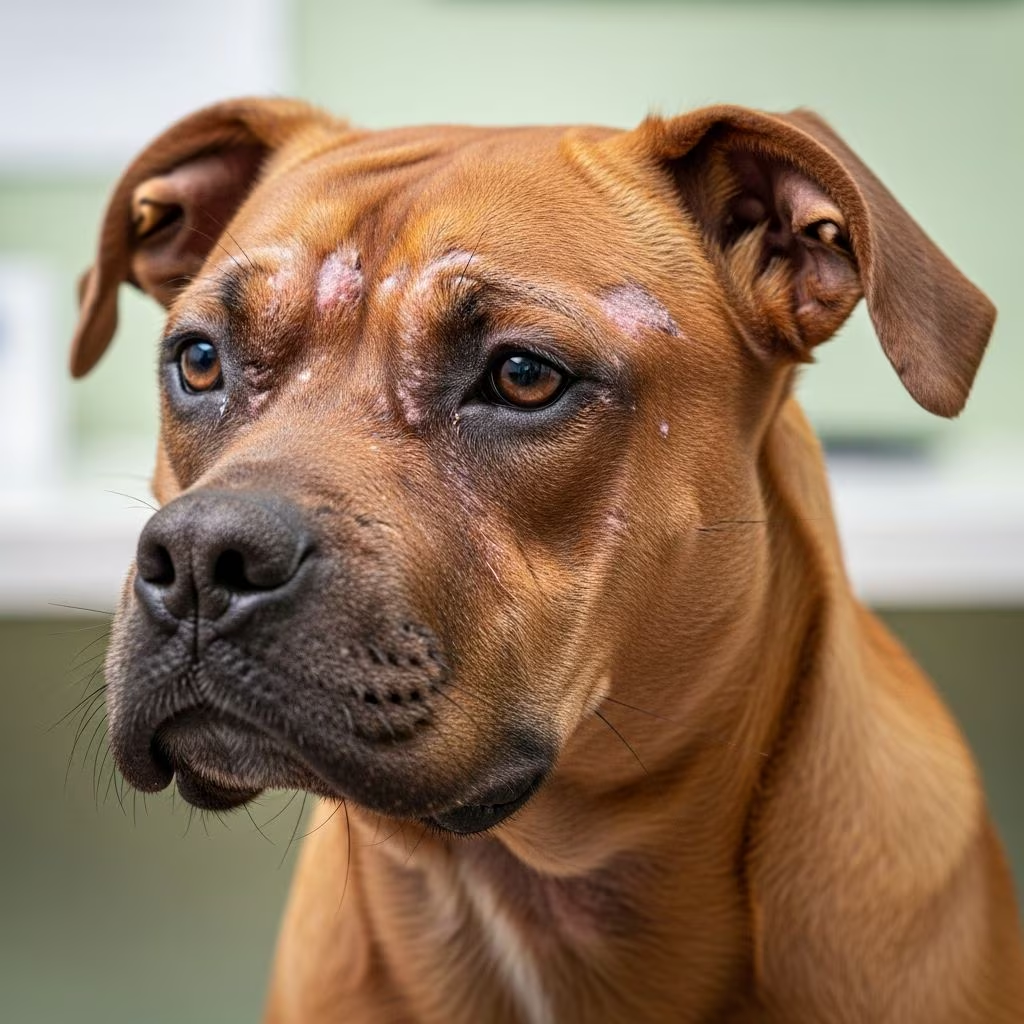
Mange represents one of the most common parasitic skin conditions affecting dogs worldwide. This uncomfortable dermatological disorder develops when microscopic mites invade a dog’s skin and hair follicles, triggering an inflammatory response that manifests through visible symptoms and significant discomfort. Recognizing the early warning signs and understanding the nature of this condition can help pet owners seek timely veterinary intervention and prevent the progression to severe complications.
What Is Canine Mange and How Does It Develop
Canine mange is fundamentally a parasitic skin disease caused by two distinct types of mites that inhabit different layers of a dog’s skin. Unlike many other parasitic conditions, mange can develop in seemingly healthy animals when the right conditions align. The condition results not merely from the presence of mites—which exist naturally on all dogs—but rather from an imbalance that allows mite populations to proliferate unchecked.
The primary mechanisms driving mange development involve immune system dysfunction and environmental factors. When a dog’s natural defenses weaken or fail to regulate mite populations effectively, these microscopic parasites multiply rapidly, creating the inflammatory cascade characteristic of the disease. Understanding this distinction proves crucial for both prevention and treatment, as addressing the underlying cause directly impacts recovery outcomes.
The Two Primary Forms of Canine Mange
Demodectic Mange: The Mite of Opportunity
Demodectic mange occurs when Demodex mites—cigar-shaped parasites naturally present in all dogs’ hair follicles—exceed normal population levels. In healthy canines with robust immune systems, these mites remain dormant and cause no problems. The immune system acts as a natural regulatory mechanism, preventing mite overgrowth and associated complications.
This form primarily affects dogs with compromised immunity. Puppies with developing immune systems face particular vulnerability, as their bodies have not yet fully equipped themselves to manage mite populations. Elderly dogs and those suffering from systemic illnesses experience heightened susceptibility due to age-related immune decline. Stray or malnourished animals frequently develop demodectic mange because nutritional deficiencies and stress suppress immune function.
Young, otherwise healthy dogs occasionally contract demodectic mange, though affected areas typically remain localized and may resolve independently or with minimal topical intervention. This localized presentation differs markedly from the generalized form, which can affect large body regions and demands more aggressive treatment approaches.
Sarcoptic Mange: The Highly Contagious Invader
Sarcoptic mange results from infestation with Sarcoptes scabiei mites—the same parasites that cause scabies in humans. Unlike their demodectic cousins, these mites burrow directly beneath the skin surface, creating tunnels that trigger intense inflammatory responses. This burrowing behavior distinguishes sarcoptic mange as a far more immediately uncomfortable condition for affected canines.
The transmission patterns of sarcoptic mange differ substantially from demodectic variants. Sarcoptic mange spreads readily between dogs and can occasionally transmit from infected dogs to foxes and other wildlife. The condition develops rapidly following exposure, with symptoms typically appearing between 10 days and 8 weeks after initial contact with infected animals or contaminated environments.
Sarcoptic mange represents a contagious disease requiring careful management to prevent spread within multi-dog households or kennel environments. However, contrary to common misconceptions, this form does not transmit from dogs to humans despite the species similarities of the causal mite.
Recognizing Mange Symptoms Across Different Presentations
Demodectic Mange Symptom Profile
Dogs with demodectic mange display a characteristic constellation of clinical signs that progress in severity depending on disease stage and immune status. The initial manifestations often include:
- Localized or generalized hair loss patterns
- Redness and inflammation of affected skin regions
- Scaling and crusty formations on the skin surface
- Mild to moderate itching that intensifies with secondary infections
These symptoms frequently concentrate around the face, legs, and trunk—areas where mite populations tend to establish most readily. In mild cases, pet owners may notice only subtle hair thinning or small patches of redness that spontaneously improve over weeks. More severe presentations involve extensive hair loss across multiple body regions, thickened and wrinkled skin, and crust accumulation that creates visible disfigurement.
Sarcoptic Mange Symptom Profile
Sarcoptic mange produces more acute and intensely uncomfortable symptoms that typically escalate rapidly if left untreated. The characteristic presentation includes:
- Extreme itching that disrupts sleep and normal activities
- Crusty, yellow-tinged skin formations
- Widespread inflammation and rash development
- Hair loss secondary to frantic scratching and chewing
- Secondary yeast infections from compromised skin barriers
- Dandruff, oozing sores, and significant weight loss in chronic cases
The intense pruritus associated with sarcoptic mange often provides the most distressing symptom for affected dogs. Animals may scratch constantly, causing additional trauma to already compromised skin and opening pathways for bacterial colonization. The ears, legs, chest, and abdominal region typically show symptoms first, though unchecked infestations eventually spread across the entire body.
In severe, long-standing cases, dogs may develop systemic complications including extreme emaciation, lethargy, and secondary conditions that can prove life-threatening if left unaddressed.
Factors That Increase Mange Susceptibility
While mites causing mange are ubiquitous in the canine environment, not all dogs develop the disease. Several interconnected factors determine whether a dog will experience symptomatic mange:
| Risk Factor | Impact on Demodectic Mange | Impact on Sarcoptic Mange |
|---|---|---|
| Age (Puppies) | Very High – developing immune systems | Moderate – variable susceptibility |
| Age (Senior Dogs) | Very High – age-related immune decline | Moderate to High |
| Systemic Illness | Very High – underlying disease suppresses immunity | Moderate – stressed immune system |
| Malnutrition | High – depleted immune resources | High – weakened skin barrier |
| Poor Living Conditions | Moderate – chronic stress impacts immunity | Very High – promotes mite transmission |
| Environmental Exposure | Low – non-contagious mite type | Very High – highly contagious among dogs |
Professional Diagnosis and Assessment Procedures
Accurate diagnosis of mange requires professional veterinary evaluation, as the condition can resemble other canine skin disorders including allergic dermatitis, ringworm, yeast infections, and bacterial skin disease. Pet owners cannot reliably distinguish between these conditions without laboratory confirmation.
Veterinarians employ several diagnostic approaches to confirm mange and identify the causal mite species. Skin scrapings represent the most common technique, involving gentle scraping of affected skin areas onto microscope slides for examination. The presence and species of mites visible under magnification confirms the diagnosis and guides treatment selection.
For suspected demodectic mange, veterinarians may recommend bloodwork or radiographic imaging to identify underlying immune suppression or systemic conditions contributing to disease development. This investigative approach proves essential for puppies and young dogs, where identifying and addressing underlying causes can prevent disease progression and recurrence.
Treatment Approaches and Recovery Pathways
Topical Treatment Modalities
Topical treatments target mites and soothe inflamed skin directly. Lime-sulfur dips, applied to affected areas, have demonstrated efficacy for both demodectic and sarcoptic mange. These treatments work through direct parasiticide action while simultaneously providing mild antiseptic and anti-inflammatory benefits.
Modern topical treatments include selamectin, moxidectin-imidacloprid combinations, and fluralaner products. These medications penetrate the skin to reach mite populations while minimizing systemic absorption. Topical approaches prove particularly valuable for dogs with specific sensitivities or those unable to tolerate oral medications.
Oral and Injectable Medications
Systemic treatments administered orally or via injection provide effective mite elimination across generalized infestations. Common oral medications include milbemycin oxime, afoxolaner, fluralaner, and ivermectin. These antiparasitic agents circulate throughout the body, reaching mites regardless of location.
Importantly, certain herding breeds and their crosses carry genetic mutations affecting ivermectin metabolism, making this medication unsafe for these animals. Veterinarians carefully evaluate breed background before prescribing ivermectin or related macrocyclic lactones to prevent adverse reactions.
Injectable doramectin offers an alternative systemic approach, particularly for dogs requiring periodic treatments or those demonstrating compliance challenges with oral medication administration.
Supportive and Adjunctive Treatments
Beyond direct mite elimination, comprehensive mange treatment addresses secondary consequences of parasitic infestation. Bacterial skin infections commonly develop in damaged skin, requiring antibiotic therapy. Veterinarians may prescribe broad-spectrum antibiotics like cephalexin or Convenia to manage these complications.
Yeast infections frequently colonize compromised skin barriers, particularly in demodectic mange cases. Anti-fungal treatments target these secondary infections, improving comfort and accelerating healing. Prescription shampoos with medicated formulations provide additional therapeutic benefit by cleansing the skin and delivering antiparasitic, antibacterial, or anti-fungal compounds directly to affected areas.
Protective devices including cones or recovery suits prevent dogs from further traumatizing their skin through scratching or chewing during treatment periods. This protective approach proves essential for sarcoptic mange, where the intense pruritus drives self-trauma that complicates healing.
Prevention Strategies and Long-Term Management
Prevention approaches differ substantially between the two mange types based on their distinct transmission patterns. For sarcoptic mange, regular application of monthly or tri-monthly preventative treatments significantly reduces infection risk. These preventatives contain the same antiparasitic compounds used therapeutically but administered at preventative doses.
Environmental cleaning becomes necessary for sarcoptic mange management, as mites can survive on bedding, furniture, and other surfaces for limited periods. Washing all bedding in hot water and cleaning the dog’s environment removes potential sources of reinfection.
Demodectic mange requires no environmental cleaning since the disease remains non-contagious, but veterinarians still recommend ongoing preventative treatments for dogs with histories of the condition. Addressing underlying health conditions and maintaining optimal nutrition support immune function, reducing recurrence risk.
Prognosis and Expected Recovery Timeline
Most dogs with appropriately diagnosed and treated mange experience full recovery with proper therapy adherence. The timeline for improvement varies based on mange type, disease severity, and treatment responsiveness. Mild localized demodectic mange may resolve within weeks with minimal intervention, while generalized forms require months of consistent treatment.
Sarcoptic mange typically shows improvement within 2-4 weeks of initiating appropriate treatment, with symptom resolution preceding complete skin healing by several weeks. Chronic or recurrent cases often indicate either inadequate initial treatment, underlying systemic conditions requiring attention, or secondary infections complicating the clinical picture.
Fatal outcomes remain possible when dogs receive inappropriate treatment or when underlying medical conditions driving immunosuppression remain unaddressed. This reality underscores the importance of professional veterinary diagnosis and management rather than attempting home remedies.
Frequently Asked Questions About Canine Mange
Can humans contract mange from infected dogs?
No. While sarcoptic mange is caused by the same mite species affecting humans, dogs with mange cannot transmit the condition to people. The mites are host-specific in their reproduction and disease manifestation.
How long does mange treatment typically require?
Treatment duration varies significantly based on mange type and severity. Mild cases may resolve in 4-8 weeks, while severe generalized infestations may require 3-6 months or longer of consistent treatment.
Is mange curable?
Yes, mange is highly curable when properly diagnosed and treated by veterinarians. Most dogs achieve complete recovery with appropriate therapy. Some dogs, particularly those with underlying chronic conditions, experience occasional recurrence requiring renewed treatment.
Should dogs with mange be isolated from other pets?
Sarcoptic mange requires separation from other dogs to prevent transmission. Demodectic mange poses no contagion risk, so isolation proves unnecessary. Consult your veterinarian regarding specific recommendations for your situation.
References
- Mange in Dogs: Signs, Symptoms & Treatment — Purina US. Accessed February 2026. https://www.purina.com/articles/dog/health/parasites/mange-in-dogs
- Mange (sarcoptes mite) in dogs — PDSA Pet Health Hub. Accessed February 2026. https://www.pdsa.org.uk/pet-help-and-advice/pet-health-hub/conditions/mange-sarcoptes-mite-in-dogs
- Mite Infestation (Mange, Acariasis, Scabies) in Dogs — Merck Veterinary Manual. Accessed February 2026. https://www.msdvetmanual.com/dog-owners/skin-disorders-of-dogs/mite-infestation-mange-acariasis-scabies-in-dogs
- Demodectic mange in dogs and cats: diagnosis and treatment — Vets and Clinics. Accessed February 2026. https://www.vetsandclinics.com/en/library/demodectic-mange-in-dogs-and-cats-diagnosis-and-treatment
- Mange in Dogs: Types, Symptoms and Treatment — Hill’s Pet Nutrition. Accessed February 2026. https://www.hillspet.co.uk/dog-care/healthcare/what-is-dog-mange
- Mange in Dogs: Symptoms, Causes and Treatment — PetMD. Accessed February 2026. https://www.petmd.com/dog/conditions/skin/mange-dogs



