

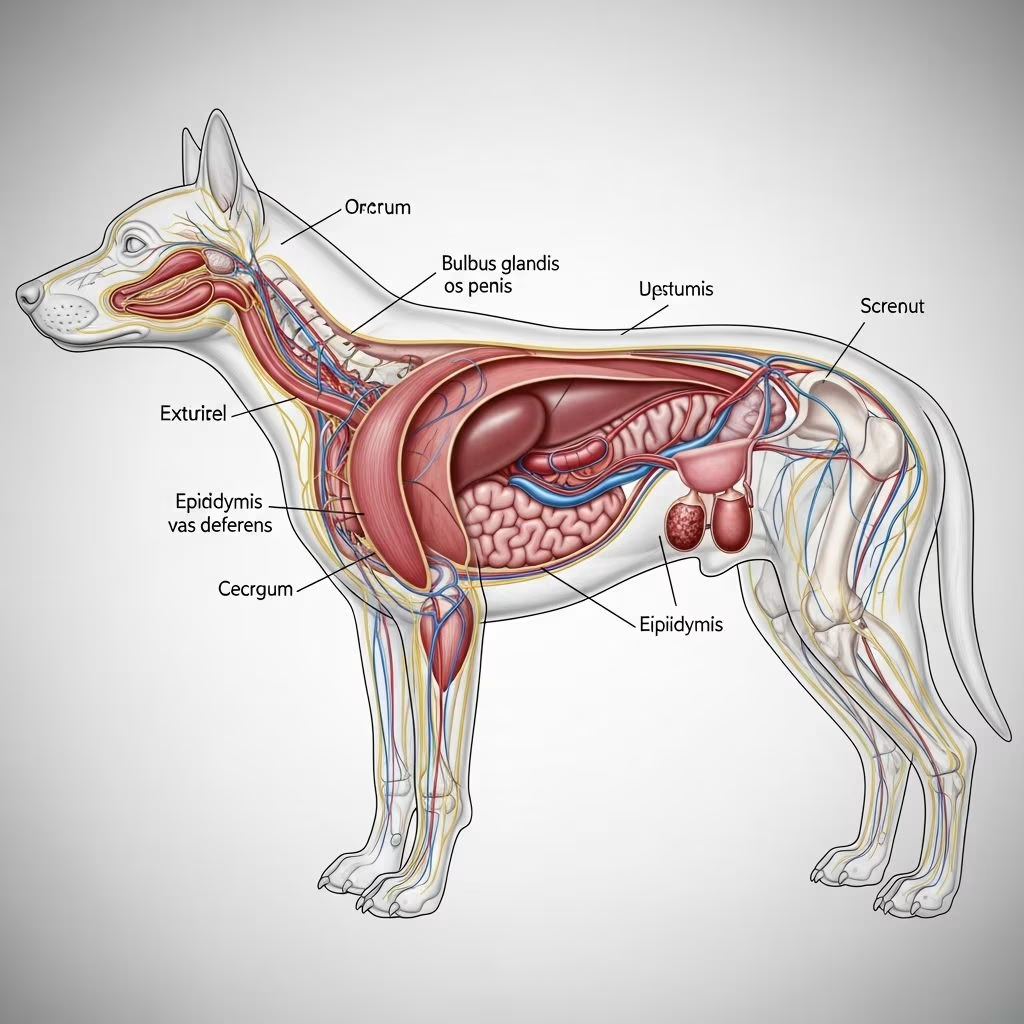
The male reproductive system in dogs is a sophisticated network of organs designed for sperm production, transport, and mating. Key components include the testicles, epididymis, ductus deferens, prostate gland, and penis, each playing vital roles in reproduction and urination. Understanding this anatomy helps owners recognize normal variations from health problems.
Core Components of the Male Reproductive Tract
The system begins with paired testicles housed in the scrotum, producing sperm and testosterone. These oval organs contain seminiferous tubules where sperm develop, supported by Sertoli cells that provide nutrition. The epididymis, a coiled tube along each testicle, stores and matures sperm before they move to the ductus deferens, muscular tubes that propel sperm via contractions.
The prostate gland encircles the urethra near the bladder neck, secreting fluid that nourishes sperm, neutralizes urethral acidity, and boosts ejaculate volume. Its size fluctuates with testosterone levels, larger in intact males. The penis, sheathed in the prepuce, directs urine and semen outward, featuring vascular tissues for erection and a unique bone for rigidity.
Detailed Penis Structure and Mechanics
The canine penis divides into root, body, and glans. The root anchors to the pelvis with crura and penile bulb from corpora cavernosa and spongiosum. The body includes the os penis, a baculum providing stiffness even flaccid, aiding penetration. The glans has bulbus glandis (proximal swelling) and pars longa glandis (distal tip), swelling post-penetration to lock during mating, lasting 10-30 minutes.
- Os penis: Supports structure, attaches to glans parts via tunica albuginea.
- Retractor penis muscle: Smooth muscle from vertebrae pulls penis into prepuce post-mating.
- Bulbospongiosus and ischiocavernosus: Aid erection and thrusting.
The prepuce, a skin sheath, protects the penis, secreting smegma for lubrication. It attaches to the abdominal wall, fully enclosing the non-erect penis. Urethra runs centrally, handling urine and semen. Sensory dorsal penile nerve ensures responsiveness.
Reproductive Functions and Mating Process
Testicles produce sperm via meiosis in seminiferous tubules and testosterone for libido and secondary traits. Epididymis matures sperm over days, enabling motility. Ductus deferens transports via peristalsis. Prostate fluid creates optimal pH and nutrients.
During arousal, vascular sinuses in corpus cavernosum engorge, stretching tunica albuginea for rigidity, enhanced by os penis. Bulbus glandis expands, ‘tying’ dogs for sperm delivery. Post-coitus, retractor muscles withdraw the penis. Lymphatics drain to inguinal nodes.
Age-Related and Hormonal Influences
In puppies, testicles descend by 10 days; failure indicates cryptorchidism. Puberty hits 6-12 months, with prostate growth stabilizing then expanding in seniors due to testosterone. Neutering shrinks prostate, preventing hypertrophy. Intact seniors risk benign prostatic hyperplasia (BPH), causing straining.
Recognizing Normal vs. Abnormal Presentations
A healthy penis tip may protrude slightly red-pink; full exposure signals arousal or issue. Brief post-mating exposure is normal. Persistent exposure, swelling, discharge, or color changes (purple-black) warrant vet checks.
| Normal Features | Potential Concerns |
|---|---|
| Pink tip visible occasionally | Prolonged protrusion |
| Clean, minimal smegma | Heavy discharge, odor |
| Quick retraction post-excitement | Swelling, pain |
| Symmetric scrotum | Lumps, asymmetry |
Common Disorders and Complications
Prostate Issues: BPH affects 80% intact males over 5 years, leading to tenesmus, dysuria. Prostatitis (infection) or neoplasia obstruct urethra/rectum.
Penile Problems: Phimosis (small prepuce opening traps penis); paraphimosis (can’t retract, risks drying). Priapism (persistent erection) from trauma/infection. Balanoposthitis (inflammation) causes discharge. Transmissible venereal tumor spreads via mating.
Testicular Disorders: Orchitis, torsion, tumors. Cryptorchidism raises cancer risk.
Veterinary Interventions and Prevention
Neutering eliminates BPH, prostate cancer risk (75% reduction), and some penile issues. For paraphimosis, lubricate and reduce manually; surgery for chronic cases. Antibiotics treat infections; ultrasound diagnoses prostate issues. Regular exams catch early signs.
Owner Care Tips for Reproductive Health
- Monitor urination/defecation habits.
- Clean visible preputial area gently if soiled.
- Note mating behaviors or aggression changes.
- Schedule annual vet checks for intact males.
- Consider neutering pros/cons with vet.
FAQs on Male Dog Reproductive Anatomy
Why does my dog’s penis look like that?
The red tip is normal bulbus glandis; full erection rare outside mating.
Is neutering always recommended?
It prevents diseases but discuss breed/health with vet.
What if the penis won’t retract?
Paraphimosis emergency; seek vet to avoid necrosis.
Can older dogs develop prostate problems?
Yes, BPH common; symptoms include blood in urine.
How does the ‘tie’ work in mating?
Bulbus glandis swells, locking for 5-30 minutes.
References
- Anatomy of the Canine Male Urogenital System — EasyAnatomy. 2023. https://easy-anatomy.com/anatomy-of-the-canine-male-urogenital-system/
- Structure and Function of the Male Canine Reproductive Tract — PetPlace. 2024. https://www.petplace.com/article/dogs/pet-health/structure-and-function-of-the-male-canine-reproductive-tract
- Penis and Prepuce — Veterian Key. 2022. https://veteriankey.com/penis-and-prepuce/
- The Male Dog’s Reproductive System — Whole Dog Journal. 2023. https://www.whole-dog-journal.com/health/the-male-dogs-reproductive-system/
- Canine and Feline Male Reproductive System — Manorswood Vet. 2024. https://manorswoodvet.co.za/canine-and-feline-male-reproductive-system/



