

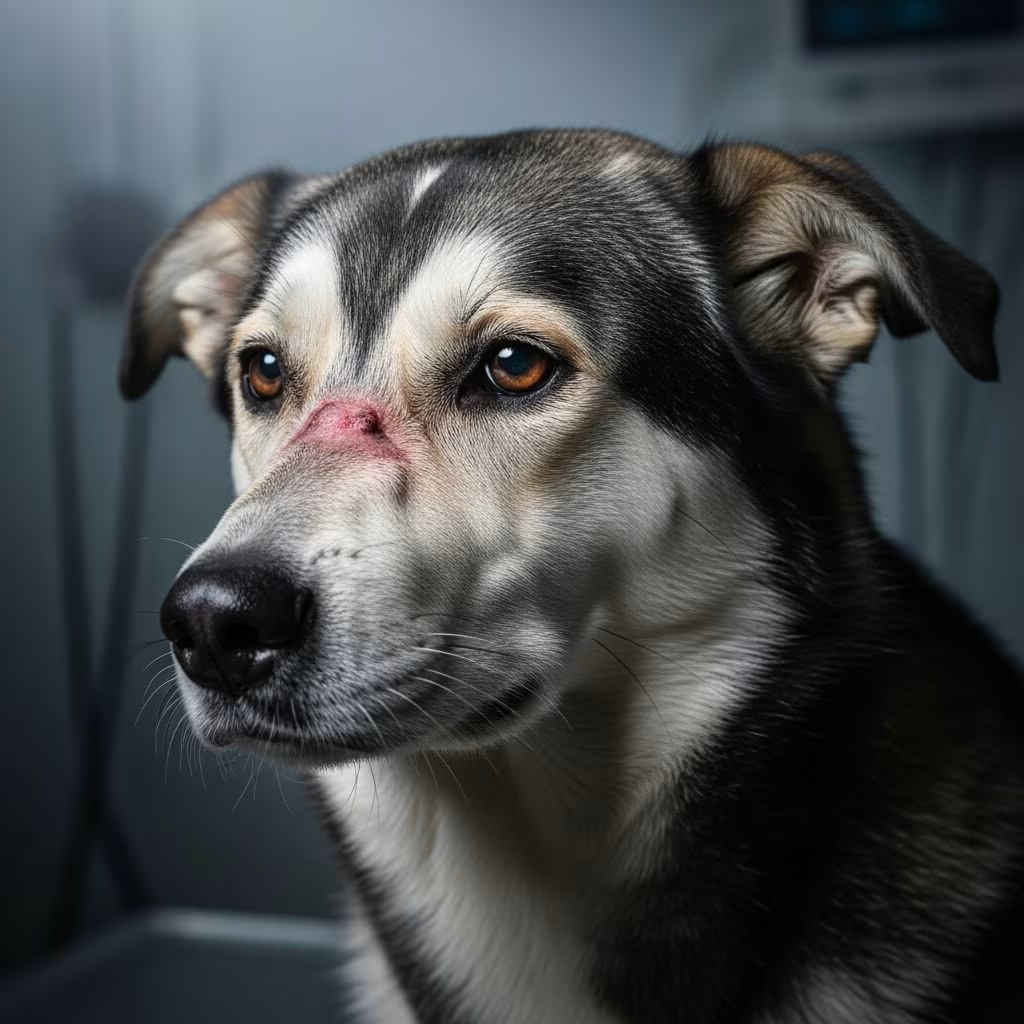
Canine lupus, an autoimmune disorder where the immune system attacks the body’s own tissues, presents varying prognoses depending on its form—systemic lupus erythematosus (SLE) or cutaneous lupus erythematosus (CLE, including discoid lupus erythematosus or DLE). While no cure exists, early intervention can significantly extend life and improve comfort, with many dogs achieving remission through tailored therapies.
Recognizing the Early Warning Signs
Detecting lupus early is crucial for a favorable prognosis. Initial indicators often mimic general illness, such as persistent lethargy, reduced appetite, unintended weight loss, and intermittent lameness, which can progress to severe joint pain or swelling. Skin manifestations, particularly in CLE, include scaling, ulceration, and depigmentation around the nose, lips, or ears, exacerbated by sunlight exposure.
In SLE, multi-organ involvement heightens risks. About 30% of cases develop immune-mediated hemolytic anemia (IMHA), signaled by pale gums, rapid breathing, weakness, and bruising due to low platelet counts (thrombocytopenia). Kidney compromise appears as increased thirst, frequent urination, vomiting, and muscle wasting, potentially leading to fatal renal failure if unchecked. Other signs encompass fever unresponsive to antibiotics, mouth sores, swollen lymph nodes, low white blood cell counts, seizures, and organ-specific issues like thyroid or spleen dysfunction.
- Lethargy and fever: Common starters, often mistaken for infections.
- Skin changes: Crusting or redness on muzzle, worsening in sun.
- Joint issues: Stiffness, shifting lameness affecting mobility.
- Blood anomalies: Anemia signs like exercise intolerance.
- Organ signals: Excessive drinking/urination for kidney involvement.
Types of Lupus in Dogs: Systemic vs. Cutaneous
Lupus manifests in two primary types, each with distinct prognostic implications. SLE affects multiple systems, leading to a more guarded outlook, whereas CLE is largely skin-confined, offering better control.
| Type | Primary Targets | Prognosis Factors |
|---|---|---|
| Systemic Lupus Erythematosus (SLE) | Joints, kidneys, blood, skin, nervous system | Guarded; many succumb within a year if organs fail |
| Cutaneous Lupus Erythematosus (CLE/DLE) | Skin (face, ears, nose) | Fair to good with sun protection and topicals |
SLE demands aggressive management due to widespread damage, while CLE responds well to localized therapies, rarely progressing systemically.
Unraveling the Causes and Risk Factors
The precise trigger for canine lupus remains elusive, but immune dysregulation causes antibodies to assault healthy tissues, akin to human lupus. Genetic predisposition is evident in breeds like German Shepherds, Shetland Sheepdogs, Collies, and Siberian Huskies, suggesting heritability. Environmental culprits include UV light (aggravating CLE), infections, stress, certain drugs, and possibly vaccines, activating susceptible genes.
No single cause dominates; it’s often a genetic-environmental interplay. Unlike infectious diseases, lupus stems from internal malfunction, producing antibodies against blood cells, skin, or organs. Owners of predisposed breeds should monitor for triggers like prolonged sun exposure.
Diagnostic Approaches for Accurate Assessment
Diagnosis hinges on ruling out mimics like infections or cancers via comprehensive evaluation. Vets start with history and physical exams, noting breed, symptoms, and sun exposure. Blood tests reveal anemia, low platelets/white cells, proteinuria, or autoantibodies like ANA (antinuclear antibody) positive in 95% of SLE cases. Urinalysis detects kidney protein loss; imaging (X-rays, ultrasound) checks joints/organs; skin biopsies confirm CLE’s interface dermatitis.
Challenges arise from non-specific signs, but combined tests yield definitive results. Early diagnosis enhances prognosis by preventing irreversible damage.
Treatment Strategies to Optimize Prognosis
Treatment focuses on immunosuppression to halt autoantibody production, alongside symptom relief. High-dose corticosteroids like prednisone are first-line, tapered post-remission, though side effects include lethargy, infections, and bone marrow suppression. Adjuncts like azathioprine, cyclosporine, mycophenolate, or cyclophosphamide minimize steroid reliance.
For CLE, sun avoidance, topical tacrolimus (0.1%), or oclacitinib (JAK inhibitor) show promise, reducing interferon-driven inflammation with fewer systemic effects. Apoquel (oclacitinib) achieved good responses (≥50% lesion reduction) or complete remission in studies, safely. Antibiotics (cephalexin) or antifungals treat secondary infections; fatty acid supplements bolster skin barriers.
- Immunosuppressants: Prednisone (high initial dose), cyclosporine.
- Topicals: Steroid shampoos, tacrolimus for CLE.
- Novel therapies: Oclacitinib for CCLE variants.
- Supportive care: Diet for kidneys, rest for joints.
Lifestyle tweaks—prescription renal diets, omega-3s, limited activity—aid long-term control. Hospitalization may be needed for severe anemia. No diet overhaul is universally required, but vet-guided nutrition supports immunity.
Factors Shaping Long-Term Prognosis
Prognosis varies widely: CLE often stabilizes with compliance, granting years of quality life, while SLE’s multi-organ assault yields a guarded outlook, with many dogs not surviving past one year due to kidney failure or infections. Positive influencers include early detection, mild organ involvement, and responsive breeds; negatives encompass renal disease, IMHA, or non-compliance.
With vigilant management, 50-70% achieve remission, though lifelong therapy is standard. Breeding affected dogs is discouraged due to heritability. Regular monitoring adjusts treatments, countering relapses from triggers like stress or sun.
Living with Lupus: Daily Management Tips
Owners play a pivotal role in prognosis. Protect CLE dogs with UV-blocking balms, hats, or shaded yards; use E-collars to prevent licking. Monitor for IMHA/anemia signs, adhere to meds, and schedule frequent vet check-ups for bloodwork. Joint support via ramps, soft bedding, and weight control eases pain; renal diets manage kidney loads.
Track symptoms in a journal for pattern recognition. Holistic aids like acupuncture or herbal supplements may complement but require vet approval. Emotional support via pet groups alleviates owner stress, indirectly benefiting the dog.
FAQs on Canine Lupus Prognosis
Q: Is canine lupus curable?
A: No, it’s lifelong, but manageable with medications for remission.
Q: Which breeds are most at risk?
A: German Shepherds, Collies, Shelties, Huskies show predisposition.
Q: How does sun exposure affect prognosis?
A: UV worsens CLE; strict avoidance improves skin outcomes.
Q: What are steroid side effects?
A: Increased infection risk, lethargy, endocrine issues; combos mitigate.
Q: Can diet influence lupus?
A: Renal diets help kidneys; fatty acids reduce inflammation.
Q: What’s the survival rate for SLE?
A: Guarded; many succumb within a year if severe.
Emerging Therapies and Research Directions
Recent advances like JAK inhibitors (oclacitinib) target interferon pathways, offering steroid-sparing options for CCLE with rapid, safe efficacy in trials. Ongoing studies explore genetic markers for early screening and biologics mirroring human lupus treatments. Owners should discuss novel options with vets, as personalized plans optimize prognosis.
Prognosis evolves with research; staying informed empowers better decisions. While challenging, many dogs thrive for years under expert care.
References
- Lupus in Dogs — Small Door Veterinary. 2023. https://www.smalldoorvet.com/learning-center/medical/lupus-in-dogs
- Lupus in Dogs — PetMD. 2024. https://www.petmd.com/dog/conditions/immune/lupus-dogs
- Systemic Autoimmune Disease (Lupus Erythematosus) in Dogs — Vetster. 2024. https://vetster.com/en/conditions/dog/lupus-erythematosus
- Canine Cutaneous Lupus Erythematosus — LABOKLIN. 2023. https://laboklin.com/en/canine-cutaneous-lupus-erythematosus/
- Effective treatment of canine chronic cutaneous lupus erythematosus with oclacitinib — PMC (Wiley). 2023-04-15. https://pmc.ncbi.nlm.nih.gov/articles/PMC10092348/
- Systemic Lupus Erythematosus (SLE) in Dogs — VCA Animal Hospitals. 2024. https://vcahospitals.com/know-your-pet/systemic-lupus-erythematosis-sle-in-dogs



