

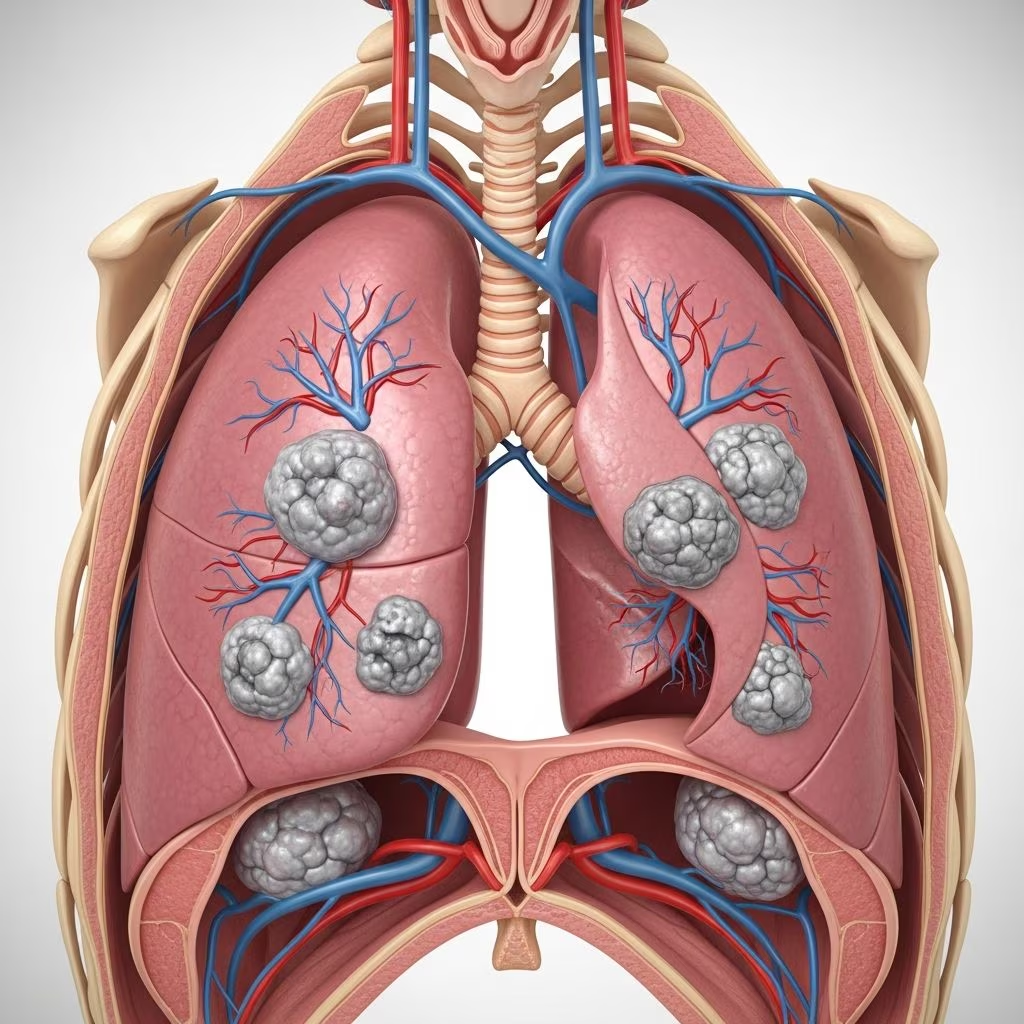
Lung tumors in dogs represent a serious health challenge, often detected through routine imaging or when respiratory issues arise. These growths can be primary, originating in the lung tissue, or secondary from metastasis elsewhere in the body. Early recognition of symptoms like persistent coughing or exercise intolerance can lead to timely intervention, potentially extending a dog’s life and comfort.
Recognizing Early Warning Signs
Dogs with lung tumors may remain asymptomatic until the growth affects significant lung function. Common indicators include coughing, which occurs in over 95% of symptomatic cases, often dry and non-productive, alongside rapid or labored breathing. Weight loss and reduced appetite frequently accompany these respiratory changes, signaling systemic impact.
- Coughing or gagging: Persistent and worsening over time.
- Lethargy and fatigue: Reluctance to engage in normal activities.
- Breathing abnormalities: Rapid, shallow breaths or wheezing sounds.
- Exercise intolerance: Inability to sustain previous activity levels.
- Appetite loss and vomiting: Leading to noticeable weight reduction.
Less common signs such as coughing up blood, fever, lameness from bone metastasis, or hair loss may appear in advanced stages. Metastatic tumors might present with symptoms tied to the primary cancer site, like skin masses or abdominal bleeding. Owners should monitor for these, especially in older dogs.
Types of Lung Tumors in Dogs
Primary lung tumors are predominantly malignant carcinomas, accounting for the majority of cases. Adenocarcinomas, including papillary and bronchogenic subtypes, are most prevalent, followed by bronchioalveolar carcinomas. Other forms include squamous cell carcinoma, osteosarcoma, mast cell tumors, histiocytic sarcoma, and anaplastic carcinoma.
Metastatic lung tumors, originating from cancers like mammary glands or bones, are more common overall than primary ones. Distinguishing between them is crucial, as primary tumors offer better surgical prospects if isolated.
| Tumor Type | Characteristics | Prevalence |
|---|---|---|
| Adenocarcinoma | Glandular origin, often solitary | Most common primary |
| Bronchioalveolar | Spreads along airways | Common primary |
| Metastatic | Multiple nodules from elsewhere | More frequent than primary |
| Other (e.g., sarcoma) | Rare, aggressive | Less than 10% |
Diagnostic Approaches for Accurate Assessment
Veterinarians start with a thorough physical exam, bloodwork, and chest X-rays to identify masses or fluid buildup. If abnormalities appear, advanced imaging like CT scans or ultrasounds pinpoints tumor location and checks for spread.
Fine-needle aspiration or biopsy provides definitive typing and grading. Grading assesses growth speed: Grade I (slow, 46%), Grade II (moderate, 43%), Grade III (fast, 10%), influencing prognosis. Staging follows WHO criteria: Stage I (localized), up to Stage IV (distant organs). Abdominal ultrasounds evaluate metastasis risks.
Grading and Staging: Key to Prognosis
Tumor grading evaluates cellular aggression and necrosis presence. Low-grade tumors respond better to treatment. Staging determines extent: solitary low-grade tumors without lymph node involvement or pleural effusion have the best outcomes.
Prognosis varies; surgical candidates with early-stage primary tumors can survive 1-3 years post-lobectomy. Advanced or metastatic cases average months, improved by multimodal therapy.
Surgical Interventions: The Gold Standard
For non-metastatic, solitary tumors, lung lobectomy removes the affected lobe via thoracotomy. Dogs recover swiftly, often discharged within days, maintaining good quality of life. Thoracoscopy offers minimally invasive alternatives where feasible. Intraoperative lymph node checks guide adjunct therapies.
Advanced Therapies: Chemotherapy and Radiation
When surgery isn’t viable, chemotherapy targets metastatic disease or residual cells. Protocols are tailored by oncologists, balancing efficacy with minimal side effects.
Radiation, particularly stereotactic body radiation therapy (SBRT) or stereotactic radiosurgery (SRS), delivers precise high doses in 1-5 sessions under anesthesia. It spares healthy tissue, with mild side effects like temporary inflammation. Hypofractionated options provide palliation.
Supportive and Palliative Care Options
Medications enhance comfort regardless of curative intent:
- Antibiotics: Combat secondary infections.
- Anti-inflammatories: Reduce tumor-related swelling.
- Cough suppressants and bronchodilators: Ease breathing.
- Pain management: Maintains mobility and appetite.
Nutritional support and oxygen therapy aid severely affected dogs.
Risk Factors and Prevention Strategies
Lung tumors are rare, more common in older dogs without breed predisposition. Exposure to carcinogens like tobacco smoke may elevate risk, though not proven conclusively. No vaccination exists; routine check-ups and avoiding pollutants help. Cancer isn’t contagious among pets.
Owner’s Role in Management and Monitoring
Post-diagnosis, owners track symptoms, adhere to follow-ups, and report changes promptly. Emotional support via pet loss groups aids coping. Discuss quality-of-life scales with vets to guide euthanasia decisions humanely.
Recent Advances in Canine Oncology
SBRT has revolutionized non-surgical cases, with studies showing median survival over a year. Targeted therapies and immunotherapy trials emerge, promising personalized care.
Frequently Asked Questions (FAQs)
Is lung cancer common in dogs?
No, it’s relatively rare, especially primary forms.
Can my dog survive lung cancer?
Yes, early-stage surgical cases often exceed one year survival with good quality.
What causes lung tumors in dogs?
Unknown primarily; possible environmental links, no genetic smoking gun.
How is lung cancer diagnosed?
X-rays, CT, biopsy confirm.
Is radiation painful for dogs?
No, sessions are quick under anesthesia with few side effects.
Navigating Treatment Decisions
Consult board-certified oncologists for tailored plans. Costs vary: surgery $3,000-$6,000, radiation $5,000+, chemo cycles similar. Pet insurance may offset. Weigh benefits against pet’s age and comorbidities.
References
- Types, Treatments & Symptoms of Lung Cancer in Dogs — Northeast Veterinary Referral Hospital. 2020-10-15. https://www.northeast-vet.com/site/pet-care-blog-plains-vet/2020/10/15/lung-cancer-in-dogs-symptoms-and-treatments
- Lung Cancer in Dogs: Symptoms, Treatment, and Prognosis — ToeGrips. N/A. https://toegrips.com/lung-cancer-in-dogs/
- Learn About Lung Cancer In Dogs — PetCure Oncology. N/A. https://petcureoncology.com/lung-cancer-in-dogs/
- Lung Cancer in Dogs – Symptoms & Treatment Options — VRCC. 2023-03-30. https://www.vrcc.com/site/blog/2023/03/30/dog-lung-cancer
- Radiation Oncology: Lung Cancer in Dogs and Cats — NC State University College of Veterinary Medicine (hospital.cvm.ncsu.edu). N/A. https://hospital.cvm.ncsu.edu/services/small-animals/cancer-oncology/radiation-oncology/lung-cancer-in-dogs-and-cats/
- Lung Cancer In Dogs — PetMD. N/A. https://www.petmd.com/dog/conditions/cancer/lung-cancer-dogs
- Lung Cancer in Dogs – Causes, Treatment and Associated Conditions — Vetster. N/A. https://vetster.com/en/conditions/dog/lung-cancer



