

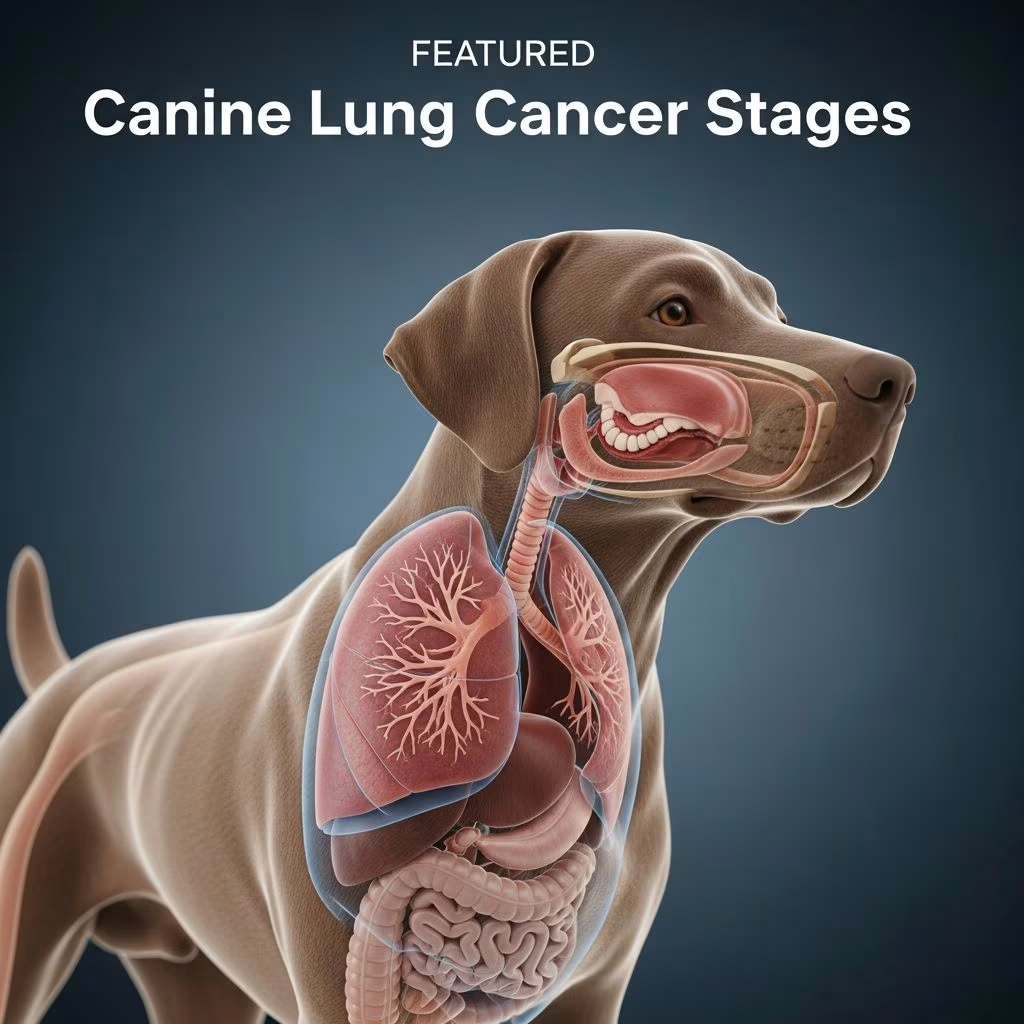
Lung cancer in dogs progresses through distinct stages that determine symptoms, treatment viability, and overall prognosis. Early identification through veterinary diagnostics can significantly influence outcomes, with primary tumors offering better surgical prospects compared to metastatic cases.
Recognizing the Onset of Lung Tumors in Dogs
Primary lung tumors in dogs are relatively rare, comprising about 1% of all canine cancers, but they can develop asymptomatically in early phases. Many dogs exhibit no initial signs, making routine check-ups crucial for breeds predisposed to respiratory issues or older pets. As tumors grow, respiratory functions become compromised, leading to noticeable changes in behavior and vitality.
Common Clinical Manifestations
Symptoms often emerge gradually and may mimic other respiratory conditions. Key indicators include:
- Persistent coughing or gagging, affecting over 95% of symptomatic dogs
- Lethargy and reduced energy levels
- Appetite loss leading to unintended weight reduction
- Hemoptysis, or coughing up blood
- Labored or rapid breathing patterns
- Exercise intolerance and weakness during activity
- Vomiting, regurgitation, or swallowing difficulties
For metastatic lung tumors, additional signs related to the primary cancer site may appear, such as abdominal bleeding, lameness from bone involvement, or visible masses on the skin or mammary glands. Intermediate to advanced presentations involve wheezing, fever, gastrointestinal ulcers, and hair loss, signaling widespread impact.
Diagnostic Approaches for Accurate Staging
Veterinarians initiate evaluation with chest radiographs to detect lung masses. Confirmation often requires advanced imaging like CT scans, abdominal ultrasounds, or fine-needle aspirates for cytology. Blood work, lymph node biopsies, and bronchoalveolar lavage help assess metastasis and overall health. Following diagnosis, staging classifies the tumor’s extent, guiding therapeutic decisions.
Staging Framework for Canine Pulmonary Neoplasia
The World Health Organization staging system categorizes primary lung tumors based on size, lymph node involvement, and distant spread:
| Stage | Description | Implications |
|---|---|---|
| I | Small primary tumor confined to one lung lobe, no spread | Excellent surgical candidate; potential for long-term remission |
| II | Larger tumor with involvement of nearby lymph nodes | Surgery possible, often combined with adjuvant therapy |
| III | Spread to mediastinal lymph nodes between lungs | Multimodal treatment required; guarded prognosis |
| IV | Distant metastasis to organs like brain, liver, or kidneys | Palliative focus; poor long-term survival |
This framework, derived from veterinary oncology standards, informs prognosis—Stage I dogs may survive up to two years post-treatment, while Stage IV cases face rapid decline.
Therapeutic Interventions by Stage
Primary Tumor Management
For non-metastatic cases (Stages I-II), surgical lobectomy—removal of the affected lung lobe—remains the gold standard. Procedures like lateral thoracotomy or minimally invasive thoracoscopy allow dogs to maintain adequate lung function post-resection, with most recovering swiftly. Intraoperative lymph node assessment ensures complete excision.
Advanced and Metastatic Disease
When surgery is infeasible due to spread (Stages III-IV), chemotherapy protocols target residual or disseminated cells. Veterinary oncologists tailor regimens to minimize side effects while maximizing tumor control. Radiation therapies, including stereotactic body radiation therapy (SBRT), deliver precise high doses to tumors, sparing healthy tissue and requiring only 1-3 sessions with mild side effects like temporary inflammation.
Supportive and Palliative Measures
Across all stages, adjunctive care enhances comfort:
- Antibiotics for secondary infections
- Anti-inflammatories to reduce swelling and pain
- Cough suppressants and bronchodilators for respiratory relief
- Palliative radiation for symptom control in inoperable cases
Holistic options may complement conventional treatments to bolster quality of life.
Prognostic Outlook and Survival Expectations
Prognosis hinges on tumor type, stage, and intervention timeliness. Surgical resection of Stage I primary carcinomas yields 12-18 month median survival, extendable to two years in optimal scenarios. Metastatic or advanced tumors confer poorer outcomes, with survival often limited to months despite therapy; untreated progression leads to severe respiratory distress and euthanasia considerations. Factors like tumor grade, patient age, and comorbidities further modulate expectations—senior dogs face higher surgical risks.
End-Stage Indicators and End-of-Life Care
In terminal phases, dogs exhibit profound appetite loss, persistent vomiting, severe dyspnea, unrelenting pain, and immobility. Veterinary hospice services like those from Lap of Love emphasize dignified palliation, focusing on pain management and family support. Early discussions with oncologists about quality-of-life scales aid compassionate decisions.
Preventive Strategies and Risk Factors
While no direct preventives exist, minimizing exposure to carcinogens like secondhand smoke reduces risk. Breeds such as Boxers, Rottweilers, and older intact females show higher incidence. Annual thoracic imaging for at-risk pets enables early intervention.
Frequently Asked Questions (FAQs)
Can lung cancer in dogs be cured?
Complete cures are possible in early-stage primary tumors via surgery, with long remissions common. Metastatic cases prioritize palliation over cure.
How quickly does lung cancer progress in dogs?
Progression varies; localized tumors grow slowly, but metastatic spread accelerates decline within months.
Is chemotherapy painful for dogs with lung cancer?
Dogs tolerate chemotherapy well, experiencing fewer side effects than humans, often continuing normal activities.
What breeds are prone to lung tumors?
Boxers, German Shepherds, and large breeds over eight years have elevated risk.
Should I euthanize my dog with lung cancer?
Decisions center on quality of life; consult vets for personalized guidance when suffering outweighs joy.
Navigating Diagnosis: A Pet Owner’s Checklist
To empower owners:
- Monitor for respiratory changes or lethargy
- Seek prompt veterinary evaluation with imaging
- Consult a board-certified oncologist
- Discuss multimodal plans early
- Track symptoms with a daily log
Armed with staging knowledge, owners can advocate effectively for their companions’ care.
References
- Lung Cancer in Dogs: Symptoms, Treatment, and Prognosis — ToeGrips. 2023. https://toegrips.com/lung-cancer-in-dogs/
- Lung Tumors | Lap of Love — Lap of Love. 2024. https://www.lapoflove.com/resource-center/common-diseases-in-dogs/lung-tumors
- Types, Treatments & Symptoms of Lung Cancer in Dogs — Northeast Veterinary Referral Hospital. 2020-10-15. https://www.northeast-vet.com/site/pet-care-blog-plains-vet/2020/10/15/lung-cancer-in-dogs-symptoms-and-treatments
- A Pet Owners Guide to Lung Cancer in Dogs — Total.Vet. 2024. https://total.vet/lung-cancer-in-dogs/
- Canine lung carcinoma—A descriptive review — PMC (PubMed Central). 2024. https://pmc.ncbi.nlm.nih.gov/articles/PMC11788302/
- Learn About Lung Cancer In Dogs — PetCure Oncology. 2024. https://petcureoncology.com/lung-cancer-in-dogs/



