

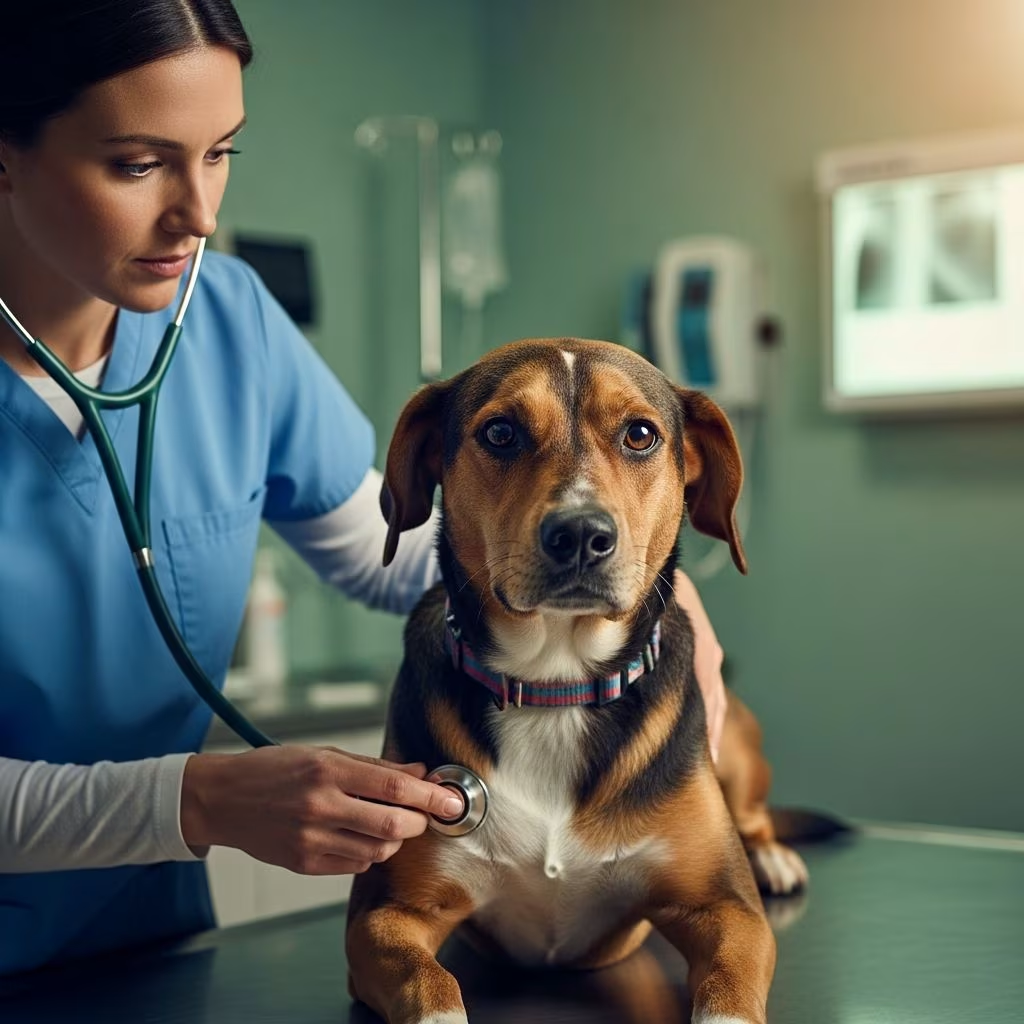
Primary lung tumors in dogs represent about 1% of all canine cancers, often presenting subtle challenges in early detection and management. Prognosis varies widely based on tumor type, stage at diagnosis, and treatment approach, with many dogs remaining asymptomatic until advanced stages.
Recognizing Early Indicators of Lung Tumors in Dogs
Dogs with lung cancer may display a range of clinical signs, though approximately 25% show no symptoms at diagnosis. Common indicators include loss of appetite, unintended weight loss, and rapid or labored breathing, which can signal tumor growth impacting respiratory function. Lethargy and reduced exercise tolerance frequently accompany these changes, as tumors demand significant energy and may cause systemic effects.
Vomiting or regurgitation occurs in some cases, potentially linked to tumor pressure or metastasis. Lameness, particularly if the cancer spreads to bones, arises from hypertrophic osteopathy, a paraneoplastic syndrome associated with lung tumors. Coughing, while a hallmark in human lung cancer, is less consistent in dogs and rarer in metastatic cases. Other signs like fever, wheezing, hair loss, and gastrointestinal ulcers can emerge depending on tumor location and size.
- Respiratory changes: Rapid shallow breathing, wheezing, or difficulty breathing.
- Systemic effects: Weight loss, lethargy, fever.
- Less common: Coughing with blood, lameness, body odor changes.
Diagnostic Pathways for Confirming Lung Cancer
Diagnosis often begins incidentally during routine chest X-rays for unrelated issues, given the high rate of asymptomatic cases. If a mass is visible, veterinarians proceed with advanced imaging like ultrasound-guided aspirates, biopsies, abdominal ultrasounds, or CT scans to assess tumor extent and metastasis.
Thoracic auscultation may reveal increased bronchovesicular sounds or muffled heart/lung sounds from pleural effusion. Lung ultrasound algorithms, using features like tumors, hepatization, and subpleural consolidations, help differentiate lung neoplasms from conditions like bacterial pneumonia with over 95% accuracy in dyspneic dogs. Immunohistochemical markers such as surfactant protein A (SP-A) and Napsin A aid in confirming epithelial lung carcinomas and distinguishing them from metastases.
| Diagnostic Tool | Purpose | Advantages |
|---|---|---|
| Chest X-ray | Initial tumor detection | Non-invasive, widely available |
| Ultrasound-guided biopsy | Sample collection | Targets specific masses accurately |
| CT scan | Staging and metastasis check | Detailed 3D imaging |
| Lung ultrasound | Differentiate from pneumonia | High accuracy in dyspneic cases |
Types of Lung Tumors Affecting Dogs
Primary lung tumors, such as carcinomas, are less common than metastatic ones from sites like mammary glands or bones. Clinical signs range from none to chronic cough or dyspnea. Paraneoplastic syndromes like hypertrophic osteopathy cause lameness and limb swelling in affected dogs. Metastatic tumors mimic primary symptoms but less often involve coughing.
Treatment Strategies and Their Impact on Survival
Surgical excision of the primary tumor and affected lymph nodes offers the best prognosis for resectable cases, potentially extending life significantly. Radiation or chemotherapy may follow for residual disease. Untreated primary lung tumors carry a median survival of 2-3 months, while surgery can push this to 6-12 months or more, depending on staging.
For metastatic disease, palliative care focuses on symptom relief, with chemotherapy providing modest extensions. Factors like tumor size, lymph node involvement, and overall health influence outcomes. Recent advancements in targeted therapies and immunotherapy show promise in veterinary oncology, though data remains emerging.
- Surgery: Gold standard for localized tumors.
- Chemotherapy: Controls spread, improves quality of life.
- Radiation: Shrinks inoperable masses.
- Palliative: Manages pain and breathing issues.
Factors Shaping Life Expectancy
Prognosis hinges on early detection; asymptomatic dogs at diagnosis fare better. Primary vs. metastatic distinction matters, with primaries more amenable to cure. Age, breed (larger dogs at higher risk), and comorbidities play roles. Recent studies emphasize surgical intervention’s value, with some dogs surviving over a year post-resection.
Hypertrophic osteopathy complicates prognosis but responds to tumor removal. Overall, median survival without treatment is poor (weeks to months), but multimodal approaches extend quality time significantly.
Supportive Care for Dogs with Lung Cancer
Beyond medical interventions, nutritional support combats cachexia, while pain management enhances comfort. Oxygen therapy aids breathing difficulties, and environmental modifications like low-exercise zones help. Regular veterinary monitoring tracks progression and adjusts care.
FAQs on Canine Lung Cancer
Is coughing always a sign of lung cancer in dogs?
No, coughing is uncommon and less frequent in metastatic cases; many dogs lack respiratory symptoms.
How is lung cancer typically found in dogs?
Often via routine X-rays; only 75% show symptoms.
What improves prognosis most?
Early surgical removal of resectable tumors.
Can lung cancer be prevented in dogs?
No direct prevention, but spaying/neutering reduces some cancer risks; avoid carcinogen exposure.
What breeds are prone?
Larger breeds like Boxers and German Shepherds show higher incidence.
Advances in Veterinary Oncology for Lung Tumors
Ongoing research into biomarkers like SP-A enhances diagnostics. Ultrasound algorithms and minimally invasive biopsies improve accuracy. Tyrosine kinase inhibitors and immunotherapies, borrowed from human medicine, are trialed in veterinary settings, potentially revolutionizing outcomes.
Pet owners should consult oncology specialists for tailored plans. Early vigilance and prompt diagnostics remain key to maximizing lifespan and quality of life.
References
- Learn About Lung Cancer In Dogs | PetCure Oncology — PetCure Oncology. 2023. https://petcureoncology.com/lung-cancer-in-dogs/
- Types, Treatments & Symptoms of Lung Cancer in Dogs — Northeast Veterinary Referral Hospital. 2020-10-15. https://www.northeast-vet.com/site/pet-care-blog-plains-vet/2020/10/15/lung-cancer-in-dogs-symptoms-and-treatments
- Cancers and Tumors of the Lung and Airway in Dogs – Dog Owners — Merck Veterinary Manual. 2023. https://www.merckvetmanual.com/dog-owners/lung-and-airway-disorders-of-dogs/cancers-and-tumors-of-the-lung-and-airway-in-dogs
- 12 Subtle Signs of Cancer in Dogs that Most Pet Parents Overlook — PetMD. 2023. https://www.petmd.com/dog/conditions/signs-of-cancer-in-dogs
- Lung Cancer in Dogs | Huntersville Vet Specialists — Carolina Veterinary Specialists. 2020-08-14. https://www.huntersville.carolinavet.com/site/huntersville-veterinary-blog/2020/08/14/lung-cancer-in-dogs
- Symptoms of Lung Cancer in Dogs | Santa Cruz Vet — Pacific Santa Cruz Vet. 2024-01-15. https://www.pacificsantacruzvet.com/site/blog/2024/01/15/dog-lung-cancer
- Canine lung carcinoma—A descriptive review — PMC (PubMed Central). 2024. https://pmc.ncbi.nlm.nih.gov/articles/PMC11788302/



