

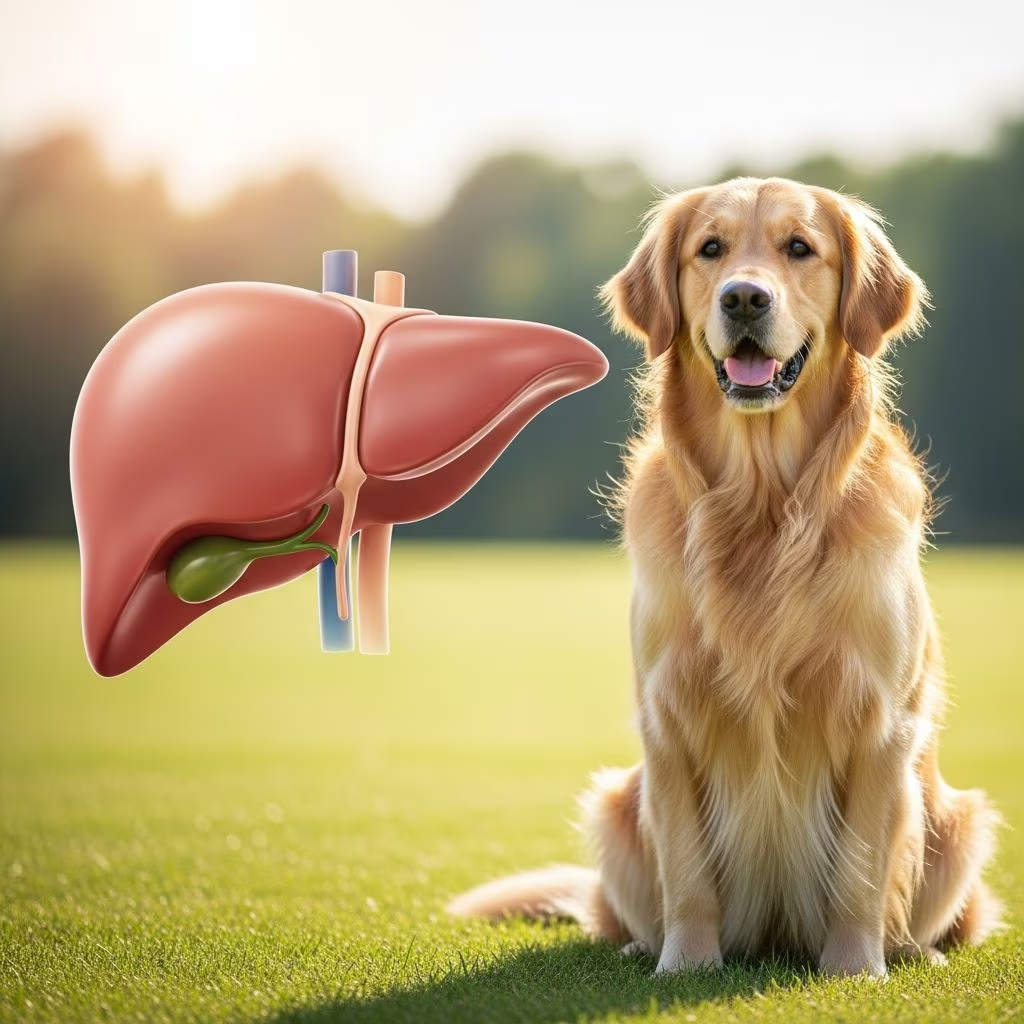
The liver stands as a cornerstone of canine physiology, executing over 500 vital tasks that sustain overall health. This organ filters toxins, metabolizes nutrients, produces bile for digestion, and synthesizes essential proteins. When liver function falters, it can trigger widespread health disruptions, yet proactive care can mitigate risks and support recovery.
The Pivotal Functions of a Dog’s Liver
In dogs, the liver processes ingested food into usable energy, stores vitamins like A, D, and B12, and breaks down fats through bile production. It detoxifies harmful substances from the bloodstream, including medications and environmental pollutants. Additionally, the liver manufactures clotting factors and albumin, which maintain fluid balance and prevent bleeding disorders. Disruptions in these processes can lead to metabolic imbalances, poor digestion, and immune vulnerabilities.
Common Liver Conditions Affecting Dogs
Dogs face various liver ailments, ranging from congenital defects to acquired diseases. Chronic hepatitis, often linked to copper buildup or infections like leptospirosis, inflames liver tissue over time. Portosystemic shunts divert blood from the liver, impairing detoxification in young dogs. Toxin-induced damage from drugs such as NSAIDs or heavy metals causes acute failure. Tumors and infectious hepatitis from viruses or bacteria further compromise function. Hereditary factors play a role in breeds like Bedlington Terriers, prone to copper-associated issues.
- Chronic Hepatitis: Persistent inflammation, potentially genetic or toxin-related.
- Portosystemic Shunts: Abnormal vessels bypassing the liver, common in puppies.
- Toxin Exposure: Acute damage from medications, plants, or chemicals.
- Infectious Causes: Bacterial (Leptospira) or viral agents.
- Cancerous Growths: Tumors invading liver tissue.
Recognizing Early Warning Signs
Liver disease symptoms often mimic other conditions, delaying diagnosis. Watch for jaundice, evident as yellowing of gums, eyes, or ears due to bilirubin buildup. Digestive issues like vomiting, diarrhea, or bloody stools signal impaired processing. Behavioral shifts include lethargy, confusion, aggression, or seizures from toxin accumulation. Increased thirst and urination reflect failing filtration, while appetite loss leads to weight decline and muscle wasting. Neurological signs like unstable gait or head pressing indicate hepatic encephalopathy.
| Symptom | Possible Liver Link | Urgency Level |
|---|---|---|
| Jaundice | Bilirubin accumulation | High – Seek vet immediately |
| Lethargy & Appetite Loss | Metabolic disruption | Medium – Monitor & consult |
| Vomiting/Diarrhea | Digestion failure | High |
| Increased Thirst/Urination | Impaired filtration | Medium |
| Seizures/Confusion | Toxin buildup in brain | Critical emergency |
Diagnostic Approaches for Liver Issues
Veterinarians employ blood tests to assess liver enzymes like ALT, which spikes with hepatocyte damage, and ALP or GGT for bile duct problems. A complete blood count checks for anemia or infection, while chemistry panels evaluate proteins, electrolytes, and kidney values. Bile acid tests measure liver processing efficiency pre- and post-meal. Ultrasound imaging reveals shunts, tumors, or enlargement, and biopsies provide definitive tissue analysis. Regular screening is advised for dogs on long-term medications.
Nutritional Strategies to Support Liver Recovery
Diet profoundly influences liver health, aiming to minimize ammonia from protein breakdown while supplying digestible energy. Low-protein, high-carbohydrate formulas reduce liver workload. Prioritize highly digestible proteins from sources like egg or cottage cheese over red meats. Complex carbs from rice, sweet potatoes, and oats provide sustained fuel. Antioxidants in vegetables such as carrots and green beans bind toxins and aid gut health. Small, frequent meals prevent overload. Raw or minimally processed foods avoid additives burdening the liver, though vet approval is essential.
- Protein: Moderate amounts, highly bioavailable (e.g., fish, dairy).
- Carbohydrates: Rice, potatoes for energy without strain.
- Fats: Omega-3 rich sources like fish oil for anti-inflammation.
- Veggies: Fibrous options to support detoxification.
- Avoid: Processed kibble with fillers or copper-rich ingredients.
Treatment Options and Management Plans
Therapy targets underlying causes. Medications like antibiotics combat infections, while diuretics and lactulose manage encephalopathy by reducing ammonia. Ursodiol promotes bile flow in cholestatic cases. Surgery corrects shunts or excises tumors, offering cures in select cases. Supportive care includes IV fluids for hydration and hospitalization for acute failure. Natural adjuncts like milk thistle (silymarin) provide hepatoprotective effects, but only under veterinary guidance.
Lifestyle modifications enhance outcomes: ensure constant fresh water access, limit toxin exposure (e.g., no xylitol, secure chemicals), and opt for gentle exercise like short walks to maintain muscle without exhaustion. Biannual detox protocols using fermented herbs or raw diets bolster resilience even in healthy dogs.
Preventive Measures for Lifelong Liver Vitality
Proactive steps preserve liver function. Annual bloodwork detects elevations early. Vaccinate against leptospirosis and avoid hepatotoxic drugs unless necessary. Feed premium, unprocessed diets rich in antioxidants. Maintain ideal weight to lessen fatty liver risk. Regular exercise promotes circulation, aiding detoxification. Minimize household toxins and monitor for plant ingestion. Breeds at risk benefit from copper-restricted foods.
Gut-Liver Connection in Canine Health
Emerging research highlights the microbiome’s influence on liver status. A balanced gut flora, dominated by Bacteroidetes, produces short-chain fatty acids that fortify immunity and prevent leaky gut, reducing liver stress. Probiotics and prebiotic fibers support this axis, potentially alleviating inflammation.
Frequently Asked Questions
Can liver disease in dogs be reversed?
Early intervention often stabilizes or improves function, though advanced scarring may be irreversible. Dietary management and treatment can extend quality life significantly.
What foods should dogs with liver problems avoid?
High-protein meats, copper-heavy organ meats, fatty treats, and processed foods with preservatives exacerbate issues.
Is milk thistle safe for all dogs?
It supports regeneration but consult a vet for dosing, especially with medications, to avoid interactions.
How often should liver tests be done?
Annually for seniors or at-risk breeds; more frequently for those on long-term meds or with history.
Does raw diet help liver health?
Yes, it provides natural enzymes and avoids processed toxins, but ensure balance and pathogen-free sourcing.
Monitoring Progress and Long-Term Outlook
Track enzyme levels quarterly post-diagnosis. Adjust diets based on response. Many dogs thrive for years with vigilant care, avoiding progression to failure. Collaborate with vets for tailored plans, integrating conventional and holistic approaches where suitable.
References
- Nutrition for Dogs with Liver Disease — VCA Animal Hospitals. 2023. https://vcahospitals.com/know-your-pet/nutrition-for-dogs-with-liver-disease
- Disorders of the Liver and Gallbladder in Dogs — Merck Veterinary Manual. 2024-05-01. https://www.merckvetmanual.com/dog-owners/digestive-disorders-of-dogs/disorders-of-the-liver-and-gallbladder-in-dogs
- A Guide to Liver Disease in Dogs — Zoetis Petcare. 2023-08-15. https://www.zoetispetcare.com/blog/article/liver-disease-dogs
- Basic Liver Function in Cats and Dogs — Lonsdale Pet Hospital. 2024. https://www.lonsdalevet.com/basic-liver-function-in-cats-and-dogs/
- How to Care for a Dog with Liver Disease — Houndsy (vet-reviewed guide). 2024-02-20. https://www.houndsy.com/blogs/modern-tails/how-to-care-for-a-dog-with-liver-disease-a-comprehensive-guide-for-pet-owners



