

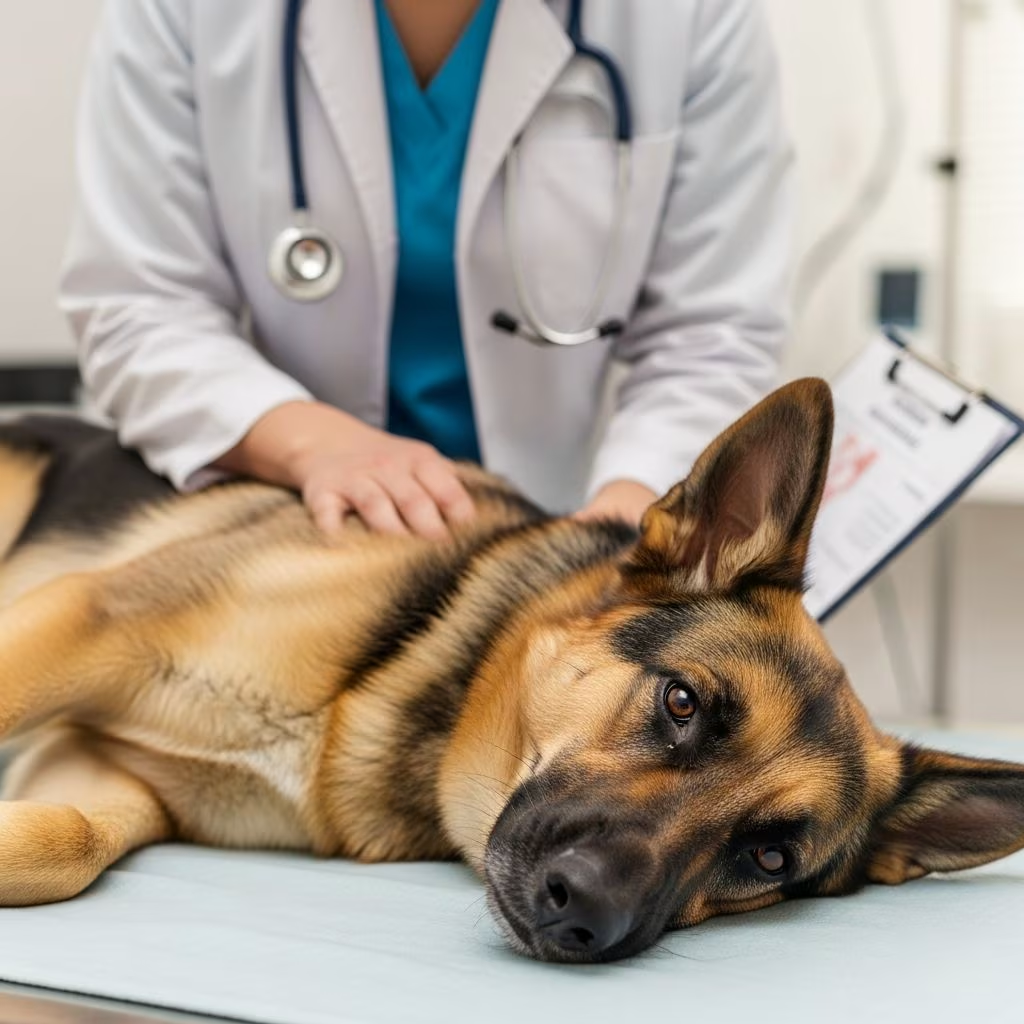
The liver represents one of the most vital organs in a dog’s body, performing numerous critical functions that sustain overall health and vitality. When this essential organ becomes compromised, it can affect nearly every system within your dog’s body. Hepatic disease encompasses a range of conditions affecting liver function, from acute episodes that develop suddenly to chronic progressive disorders that develop over extended periods. Understanding the nature of these conditions, recognizing warning indicators, and knowing what treatment options exist can make a significant difference in your dog’s quality of life and long-term prognosis.
The Role of Hepatic Function in Canine Health
Before examining disease states, it’s important to understand what the liver actually does. This organ serves as the body’s primary detoxification center, filtering harmful substances from the bloodstream and converting them into forms the body can eliminate. Beyond detoxification, the liver produces essential proteins, metabolizes nutrients, stores vitamins and minerals, regulates blood sugar levels, and produces bile for digestion. When liver function becomes impaired, these processes fail to occur efficiently, creating a cascade of health complications throughout the body.
Primary Factors Contributing to Hepatic Disease Development
Hepatic disease in dogs develops through various pathways, each presenting distinct challenges for diagnosis and management. Recognizing these contributing factors helps owners understand their dog’s condition and work more effectively with veterinary professionals.
Infectious Origins
Viral and bacterial infections represent significant contributors to hepatic dysfunction. Leptospirosis, a bacterial infection spread through contaminated water sources, directly damages liver tissue and remains a serious concern for dogs with outdoor exposure. Canine infectious hepatitis, caused by canine adenovirus type 1, primarily affects younger dogs and can produce acute, severe liver damage. Fungal infections including histoplasmosis and coccidioidomycosis, contracted through environmental exposure to fungal spores during outdoor activities, create particularly challenging treatment scenarios due to their resistance to standard therapies.
Toxicological Exposures
Environmental and pharmaceutical toxins pose substantial hepatic risks. Common household substances including acetaminophen (Tylenol), certain pain relievers (Rimadyl), sedatives (Valium), and xylitol found in sugar-free products can severely damage liver tissue. Pesticides, mold-contaminated food, and certain medications used to treat other conditions inadvertently create hepatic injury as a side effect. Mycotoxins present in improperly stored pet foods represent another insidious source of liver damage that many owners don’t recognize until disease manifests.
Nutritional Imbalances
Dietary composition profoundly influences hepatic health. Excessive copper accumulation in liver tissue, whether from dietary sources or genetic predisposition, creates a chronic inflammatory state leading to progressive damage. Diets high in carbohydrates combined with inadequate quality protein fail to provide necessary amino acids for liver repair and regeneration. Conversely, excessive dietary copper relative to zinc availability prevents optimal nutrient absorption and liver function.
Age-Related Decline
As dogs enter their senior years, hepatic efficiency naturally declines. The aging liver becomes progressively less efficient at filtering toxins and metabolic waste products, allowing harmful substances to accumulate within tissue and bloodstream. This cumulative toxin burden frequently triggers chronic hepatic inflammation in older animals.
Secondary Consequences of Other Diseases
Hepatic disease often develops as a secondary complication of other medical conditions. Severe dental disease introduces bacterial infections that ultimately damage liver tissue through systemic circulation. Endocrine disorders such as Cushing’s syndrome alter hepatic metabolism. Obesity places metabolic stress on the liver, while conditions affecting respiratory function create sustained hypoxic states that compromise hepatic performance.
Immune-Mediated Conditions
In certain cases, a dog’s own immune system becomes misdirected, attacking hepatic tissue and creating inflammation. These autoimmune conditions represent idiopathic hepatitis, where the specific triggering cause remains unknown despite thorough investigation.
Recognizing Clinical Manifestations of Liver Disease
Early detection significantly improves treatment outcomes. Understanding which signs warrant immediate veterinary attention enables owners to seek care during more treatable disease stages.
Early Stage Indicators
Initial symptoms often appear subtle and non-specific, making them easy to overlook. Dogs may exhibit decreased appetite or selective eating behaviors. Energy levels decline noticeably, with affected dogs showing reluctance to engage in previously enjoyed activities. Subtle changes in drinking patterns emerge, with some dogs consuming more water while others drink less than usual. Digestive upset manifests as occasional vomiting or loose stools.
Progressive and Severe Signs
As hepatic dysfunction advances, symptoms become more pronounced and alarming. Weight loss becomes apparent despite continued feeding. Persistent vomiting and diarrhea develop, often with visible blood in stool or vomit indicating advanced coagulopathy. Jaundice develops, characterized by yellow discoloration of the gums, eyes, skin, and ear pinnae, indicating severe bile accumulation in tissues. Abdominal distension occurs as fluid accumulates in the peritoneal cavity, creating visible bloating and discomfort. Neurological signs emerge, including seizures, tremors, disorientation, head pressing against objects, and unsteadiness indicative of hepatic encephalopathy from ammonia accumulation.
Emergency Warning Signs
Certain presentations demand immediate emergency veterinary evaluation. Acute collapse, loss of consciousness, severe seizures, uncontrolled hemorrhage, and acute abdominal pain with rigid musculature suggest fulminant hepatic failure requiring urgent intervention.
Diagnostic Approaches and Assessment Protocols
Veterinarians employ multiple diagnostic tools to confirm hepatic disease, assess severity, and identify underlying causes when possible.
Laboratory Evaluation: Blood work reveals elevated liver enzymes including alanine aminotransferase (ALT) and aspartate aminotransferase (AST), indicating hepatocellular damage. Alkaline phosphatase elevation suggests cholestasis or bile duct obstruction. Bilirubin elevation correlates with jaundice severity. Coagulation profiles assess the liver’s ability to produce clotting factors, with prolonged times indicating severe dysfunction. Albumin levels reflect hepatic synthetic function, while glucose abnormalities suggest metabolic derangement.
Imaging Studies: Ultrasound examination allows visualization of liver size, texture, and architectural changes. It can identify masses, cysts, cirrhotic changes, and bile duct dilation. Radiography may reveal ascites or abdominal effusion.
Tissue Analysis: Liver biopsy provides definitive diagnosis in many cases, revealing inflammation patterns, fibrosis, cirrhosis, copper accumulation, or neoplastic changes. This information guides specific treatment strategies.
Distinguishing Acute Versus Chronic Hepatic Disease
The temporal presentation of hepatic disease influences both treatment approach and prognosis. Acute hepatic failure develops suddenly, often from trauma, poisoning, or acute infection, causing rapid deterioration in liver function. Dogs may collapse suddenly or show severe symptoms within days. Treatment focuses on intensive supportive care and addressing the specific triggering cause when identifiable.
Chronic hepatitis develops gradually over months or years, typically affecting dogs between four and ten years of age. Progressive inflammation leads to fibrosis and eventual cirrhosis. While progression may be slower, chronic forms often have more guarded long-term prognoses because permanent structural changes accumulate over time.
Multi-Modal Treatment Framework
Effective hepatic disease management typically combines multiple therapeutic approaches rather than relying on single interventions.
Dietary Modification Strategies
Nutritional adjustment represents a cornerstone of hepatic disease management. Dogs with hepatic dysfunction require diets formulated specifically for their condition. The dietary composition typically includes moderate-to-high quality protein to preserve muscle mass while providing essential amino acids needed for hepatic repair, combined with reduced fat content to minimize digestive stress on a compromised liver. High antioxidant content helps neutralize free radicals produced during liver inflammation and regeneration.
For dogs with elevated ammonia levels contributing to neurological signs, higher carbohydrate content may be recommended to reduce ammonia production and improve neurological function. However, copper-related hepatic disease requires specific dietary copper restriction, necessitating veterinary-approved food selections.
Pharmacological Interventions
Medications address both disease processes and symptomatic manifestations. Antimicrobial therapy: Antibiotics target bacterial infections directly and help prevent secondary bacterial infections in severely compromised livers. Anti-inflammatory medications: Corticosteroids may be employed for immune-mediated hepatitis, though careful dosing is essential given the liver’s role in steroid metabolism.
Hepatoprotective agents: Ursodeoxycholic acid improves bile flow and reduces cholestasis, serving as either primary therapy or adjunctive treatment alongside other medications. Supportive medications: Lactulose binds ammonia in the gut, reducing absorption and lowering bloodstream ammonia levels. Vitamin K administration addresses clotting abnormalities in dogs with evidence of impaired coagulation.
Nutritional Supplementation
Targeted supplements support hepatic regeneration and function. Antioxidant compounds including S-adenosyl-L-methionine (SAMe), milk thistle extract, and vitamin E combat oxidative stress and support hepatocyte recovery. Vitamin E specifically provides protection against copper-related damage at recommended dosages of 50 to 400 IU daily. Denamarin, combining SAMe with silybin (milk thistle’s active component), is frequently recommended at one tablet daily on an empty stomach for 15 to 30 days.
Omega-3 supplementation: Fish oil supplements containing omega-3 fatty acids reduce liver inflammation and may enhance overall hepatic function. These supplements should be introduced gradually and monitored for any adverse effects.
Advanced Supportive Care
Dogs with severe acute hepatic dysfunction may require hospitalization with intravenous fluid therapy to maintain hydration, electrolyte balance, and renal perfusion during the critical recovery phase. In cases where oral intake becomes impossible, gastrostomy tube placement may provide nutritional support for extended periods.
Surgical Intervention
Specific hepatic conditions may benefit from surgical management. Dogs with single cysts or space-occupying lesions causing hepatic compromise may undergo surgical removal. Similarly, bile duct obstructions sometimes require surgical intervention to restore proper bile flow and prevent secondary complications.
Integrated and Complementary Approaches
Many veterinarians now incorporate evidence-based complementary therapies alongside conventional treatment. Traditional Chinese medicine approaches including acupuncture and herbal remedies may complement standard medical management when integrated thoughtfully with conventional care. Specialized herbal formulations used within integrated veterinary practices can support liver function, though these should always be implemented under professional guidance to ensure compatibility with other medications and safety.
Long-Term Prognosis and Quality of Life Considerations
The outlook for dogs with hepatic disease varies considerably depending on disease type, severity at diagnosis, and underlying cause. Dogs with acute hepatic failure from identifiable and treatable toxins may recover fully if intervention occurs quickly enough. Chronic mild-to-moderate hepatitis often responds well to dietary modification and supplementation, allowing dogs to maintain acceptable quality of life for extended periods.
Conversely, chronic infections like fungal hepatitis carry guarded long-term prognoses due to treatment difficulties and the progressive nature of these infections. Cirrhotic changes indicate advanced disease with limited regenerative potential. However, even dogs with significant hepatic compromise can maintain acceptable quality of life through diligent management, appropriate medication adherence, and consistent veterinary monitoring.
Prevention Strategies and Risk Reduction
While some hepatic diseases cannot be prevented, owners can implement measures reducing disease risk. Maintaining current vaccinations protects against infectious hepatitis and leptospirosis exposure. Preventing access to toxins—including xylitol-containing products, acetaminophen, certain pesticides, and moldy foods—eliminates major preventable risk factors.
Providing balanced, high-quality nutrition appropriate to each dog’s life stage and health status supports optimal hepatic function. Regular dental care prevents secondary infections that could damage the liver. Managing other medical conditions like Cushing’s syndrome and obesity reduces hepatic stress. Annual or semi-annual veterinary examinations enable early detection of developing problems, particularly important for senior dogs and breeds predisposed to hepatic disease.
Frequently Asked Questions
How quickly does liver disease progress in dogs?
Progression varies dramatically based on disease type. Acute hepatic failure can develop within hours to days from trauma or poisoning. Chronic hepatitis typically progresses over months to years, though some dogs remain relatively stable for extended periods with appropriate management.
Can dogs recover from liver disease?
Recovery potential depends on disease cause and severity. Acute cases from treatable toxins may resolve completely with rapid intervention. Chronic conditions cannot be cured but can be effectively managed to maintain quality of life. Cirrhotic changes are largely irreversible, but disease progression can be slowed significantly.
What dietary changes help dogs with liver disease?
Recommended diets typically feature moderate-to-high quality protein, reduced fat content, increased antioxidants, and appropriate carbohydrate levels. Copper-related disease requires specific copper restriction. Always implement dietary changes under veterinary guidance.
Are supplements safe for dogs with liver disease?
Many supplements prove beneficial when used appropriately, including SAMe, milk thistle, and vitamin E. However, liver-compromised dogs metabolize substances differently, so veterinary approval is essential before introducing any supplement.
How often should dogs with liver disease be monitored?
Dogs with diagnosed hepatic disease typically require veterinary evaluation every 3-6 months, with more frequent monitoring during initial treatment phases or if clinical signs worsen. Blood work monitoring ensures treatment effectiveness and allows medication adjustments as needed.
References
- Liver Disease in Dogs: Common Causes, Symptoms, and Treatments — Lyka. 2024. https://lyka.com.au/blog/liver-disease-in-dogs
- Liver Disease in Dogs: Symptoms and Causes — WebMD Pets. 2024. https://www.webmd.com/pets/dogs/liver-disease-liver-failure-dogs
- Natural Ways to Treat Liver Disease in Dogs and Cats — Paws and Claws Animal Hospital. 2024. https://pawsandclawsanimalhospital.com/natural-ways-to-treat-liver-disease-in-dogs-and-cats
- Liver Disease in Dogs: Symptoms, Causes, and Treatments — GoodRx. 2024. https://www.goodrx.com/pet-health/dog/liver-disease-in-dogs
- Liver Disease in Dogs — PetMD. 2024. https://www.petmd.com/dog/conditions/digestive/liver-disease-dogs
- Liver Disease in Dogs — PDSA (People’s Dispensary for Sick Animals). 2024. https://www.pdsa.org.uk/pet-help-and-advice/pet-health-hub/conditions/liver-disease-in-dogs
- Management of Chronic Liver Disease in Dogs — DVM360. 2024. https://www.dvm360.com/view/management-chronic-liver-disease-dogs-proceedings



