

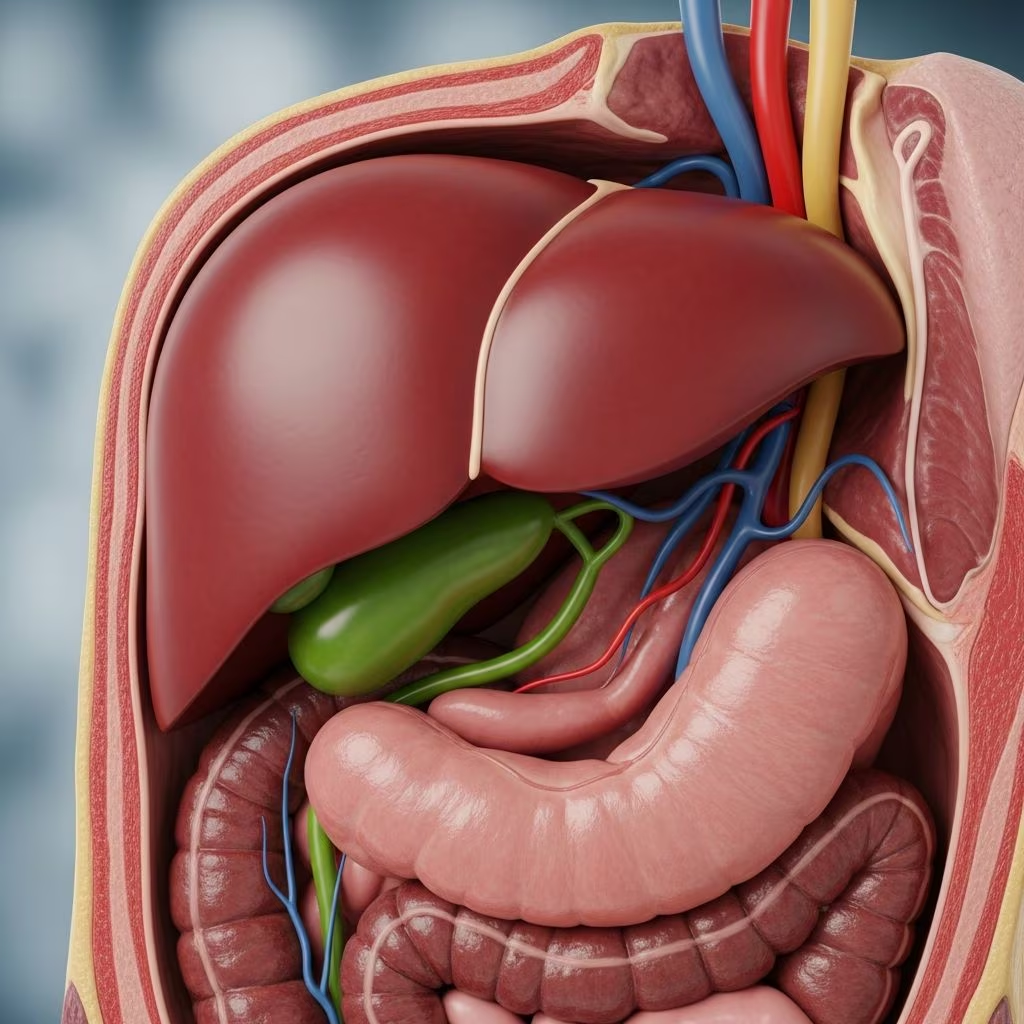
The liver and gallbladder play vital roles in a dog’s digestive system, processing nutrients, producing bile, and detoxifying the body. When these organs falter, it can lead to serious health complications. This article delves into the various disorders affecting these organs in dogs, highlighting symptoms, causes, diagnostic approaches, and treatment strategies to help owners recognize issues early and seek appropriate care.
Roles of the Liver and Gallbladder in Canine Health
The liver, one of the largest organs in dogs, performs over 500 functions, including metabolizing fats and proteins, storing vitamins, and filtering toxins from the blood. The gallbladder stores and concentrates bile, which aids in fat digestion. Disruptions in these processes can manifest as systemic problems, affecting energy levels, appetite, and overall vitality.
- Bile production and release: Essential for breaking down dietary fats in the intestine.
- Detoxification: Neutralizes harmful substances ingested or produced internally.
- Protein synthesis: Produces clotting factors and albumin to maintain blood volume.
Understanding these functions underscores why disorders here impact multiple body systems, from digestion to neurological health.
Common Symptoms of Liver and Gallbladder Problems
Dogs with liver or gallbladder issues often exhibit nonspecific signs that can mimic other conditions. Early detection hinges on owners noting subtle changes.
| Symptom | Description | Associated Conditions |
|---|---|---|
| Jaundice | Yellowing of eyes, skin, gums, and ears due to bilirubin buildup | Cholecystitis, liver failure, obstructions |
| Lethargy | Reduced activity and energy | Infections, mucoceles, cancer |
| Vomiting/Diarrhea | Gastrointestinal upset | Shunts, hepatitis, gallstones |
| Abdominal Pain/Swelling | Discomfort, distension | Ascites, ruptures, inflammation |
| Loss of Appetite/Weight Loss | Reduced eating leading to thinness | Chronic disease, encephalopathy |
Additional signs include excessive thirst/urination, fever, seizures, and bleeding tendencies, signaling advanced disease.
Types of Liver Disorders in Dogs
Acute Liver Failure
This rapid-onset condition often stems from toxins, infections, or medications. Dogs may collapse suddenly with signs like seizures or coma. Supportive care with IV fluids, antibiotics, and identifying toxins is crucial. Prognosis improves with prompt intervention.
Portosystemic Shunts
Congenital or acquired vascular abnormalities bypass the liver, leading to toxin buildup. Symptoms include stunted growth, neurological episodes, and ascites. Medical management reduces toxins, but surgery offers the best long-term results for congenital cases.
Chronic Hepatitis and Cirrhosis
Progressive inflammation scars the liver, seen in breeds like Scottish Terriers. Copper accumulation is a common trigger. Treatments involve diet changes, chelators, and anti-inflammatories to slow progression.
Cancerous Growths
Hepatocellular carcinoma or metastases cause enlargement, bleeding, and failure. Surgery may palliate but rarely cures. Signs mimic other failures, with poor prognosis.
Infectious Causes
Fungal infections like histoplasmosis or coccidioidomycosis lead to ascites and jaundice. Long-term antifungals (6-12 months) are standard, though relapses occur.
Gallbladder-Specific Conditions
Cholecystitis (Gallbladder Inflammation)
Bacterial ascent from the intestines causes wall thickening and infection. Dogs present with pain, fever, and shock if ruptured. Diagnosis via ultrasound and biopsy; treatment is cholecystectomy plus antibiotics. Early action yields good outcomes.
Gallbladder Mucoceles
Mucus accumulation forms jelly-like masses, risking rupture. Up to 25% of cases are asymptomatic, detected incidentally. Surgery is primary, with supportive meds like choleretics pre- and post-op.
Gallstones and Bile Duct Obstructions
Stones block bile flow, causing pain and jaundice. Pancreatitis or cancer may contribute. Management includes dissolution diets, meds, or surgery. High-protein, low-fat diets aid mild cases.
Diagnostic Approaches
Veterinarians use a multi-modal strategy:
- Blood tests: Elevated enzymes (ALT, AST, ALP), bilirubin, low albumin/protein.
- Imaging: Ultrasound detects stones, thickening, shunts; radiographs for size changes.
- Biopsy: Confirms infections, cancer, fibrosis.
- Bile analysis: Cultures for bacteria.
These pinpoint causes, guiding therapy.
Treatment Strategies
Tailored to the disorder, focusing on cause elimination, symptom relief, and liver support.
- Medications: Antibiotics, anti-nausea, pain relievers, appetite stimulants, antifungals.
- Diet: Frequent small, high-carb, low-fat/protein meals; vitamin supplements (E, K).
- Supportive care: IV fluids, monitoring for encephalopathy.
- Surgery: Shunt ligation, cholecystectomy, tumor removal.
For end-stage, palliative care maximizes quality life.
Prevention and Home Management
Avoid toxins (xylitol, acetaminophen), vaccinate against leptospirosis, feed balanced diets. Monitor breeds prone to copper storage. Post-treatment, low-copper diets and supplements prevent recurrence.
Prognosis Across Conditions
| Condition | Prognosis | Factors Influencing Outcome |
|---|---|---|
| Acute Failure | Variable | Speed of treatment, toxin identification |
| Shunts (Surgical) | Good | Early correction |
| Mucoceles/Cholecystitis | Good if early | No rupture, prompt surgery |
| Cancer/Amyloidosis | Poor | Late diagnosis |
FAQs
What causes jaundice in dogs?
Jaundice results from bilirubin accumulation due to liver dysfunction, bile obstructions, or hemolysis.
Can gallbladder issues be treated without surgery?
Mild cases respond to antibiotics, supplements, and diet; severe ones often require removal.
Is liver disease hereditary?
Some forms, like copper hepatitis in Bedlingtons, are genetic; test breeds at risk.
How do I support a dog post-cholecystectomy?
Low-fat diet, probiotics, bile acid supplements aid digestion.
When is emergency care needed?
Collapse, severe pain, rupture signs (acute swelling, shock) demand immediate vet visit.
References
- Disorders of the Liver and Gallbladder in Dogs — Merck Veterinary Manual. 2023. https://www.merckvetmanual.com/dog-owners/digestive-disorders-of-dogs/disorders-of-the-liver-and-gallbladder-in-dogs
- All About Gallbladder Issues in Dogs — Zoetis Petcare. 2023. https://www.zoetispetcare.com/blog/article/gallbladder-issues-dogs
- Dogs Have Gallbladder Health Issues Too — Volhard Dog Nutrition. 2022. https://www.volharddognutrition.com/blog/dogs-have-gallbladder-health-issues-too-heres-what-you-need-to-know/
- Gallbladder Disease in Dogs and Cats — Dr. Judy Morgan. 2023. https://drjudymorgan.com/blogs/blog/gallbladder-disease-in-dogs-and-cats
- Canine Gall Bladder Disease — Veterinary Specialty Center. 2024. https://www.vetspecialty.com/specialties/internal-medicine/canine-gall-bladder-disease/



