

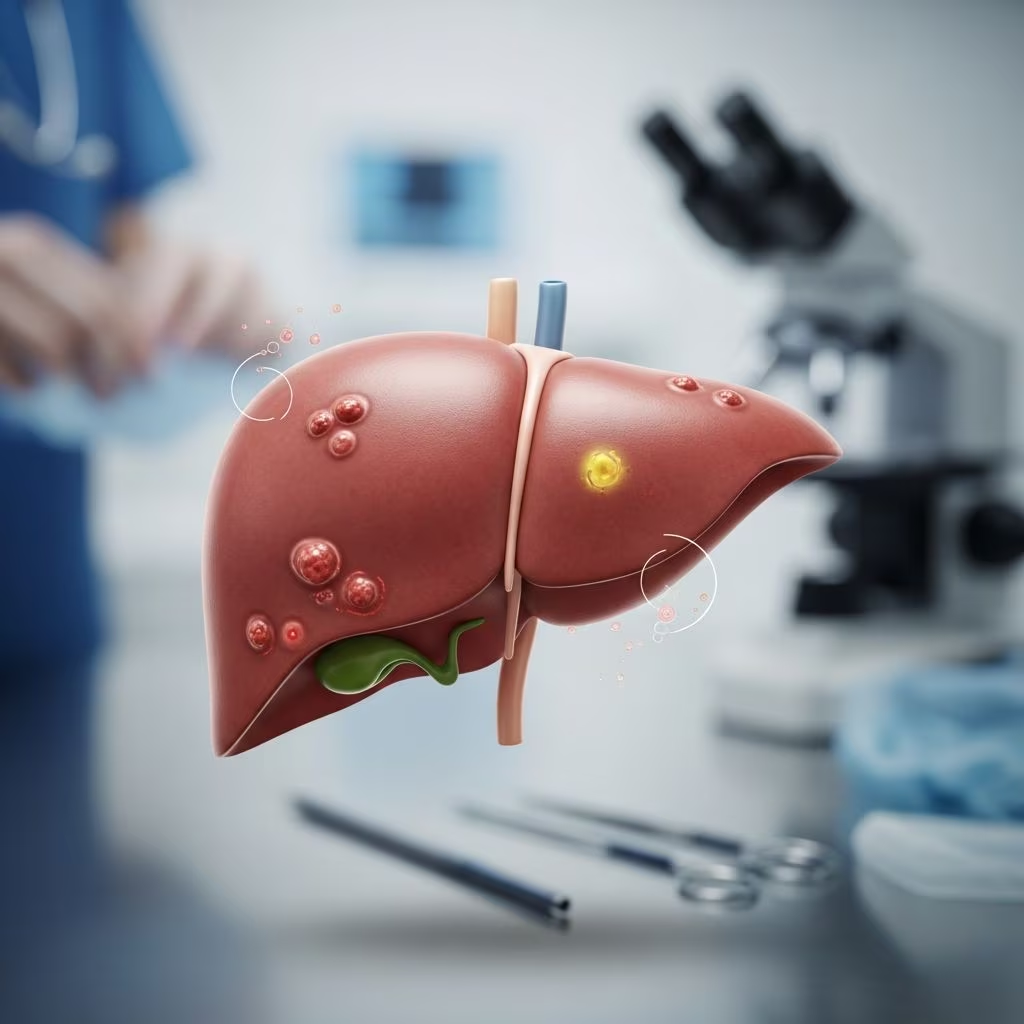
The liver plays a pivotal role in a dog’s health, handling detoxification, protein synthesis, and nutrient processing. When this organ faces disorders, it can lead to serious complications, but early detection often allows for effective management. This guide draws from veterinary insights to outline key aspects of liver health in canines.
Essential Functions of the Canine Liver
The liver acts as a multitasking powerhouse, filtering toxins from the bloodstream, producing bile for digestion, storing vitamins and minerals, and regulating blood sugar levels. It also manufactures clotting factors and albumin, crucial for preventing bleeding and maintaining fluid balance. Disruptions in these processes manifest as systemic issues, underscoring the liver’s broad influence on overall well-being.
Primary Triggers Behind Liver Dysfunction
Liver problems in dogs stem from diverse origins, ranging from sudden insults to chronic degeneration. Identifying the root cause is vital for targeted intervention.
- Toxic Exposures: Common household dangers like xylitol in sugar-free products, rodenticides, certain plants (e.g., sago palm), and human medications such as NSAIDs can overwhelm the liver’s detox capabilities, leading to acute failure.
- Infectious Agents: Bacteria like Leptospira, viruses including canine hepatitis, and fungi such as histoplasmosis infiltrate the liver, causing inflammation and damage. These are often environmentally acquired.
- Trauma and Overload: Blunt injuries from accidents, heatstroke, or excessive physical stress can precipitate sudden dysfunction, especially in vulnerable dogs.
- Genetic and Metabolic Factors: Breeds like Bedlington Terriers suffer from copper accumulation, while immune-mediated attacks or amyloidosis in Shar-Peis contribute to ongoing damage.
- Neoplastic Growths: Primary liver tumors or metastases from elsewhere erode healthy tissue, complicating recovery.
Chronic exposure to low-level toxins or unresolved infections can escalate minor issues into severe conditions over time.
Recognizing Warning Signs Early
Symptoms vary by disease stage but often start subtly. Vigilant owners can spot changes prompting timely veterinary visits.
| Symptom | Description | Associated Severity |
|---|---|---|
| Jaundice | Yellowing of gums, eyes, ears, or skin due to bilirubin buildup | Moderate to Advanced |
| Gastrointestinal Distress | Vomiting, diarrhea, or appetite loss leading to weight decline | Early to Moderate |
| Increased Thirst/Urination | Polydipsia and polyuria from impaired waste filtration | Progressive |
| Lethargy and Weakness | Reduced energy, unsteadiness, or coordination loss | Advanced |
| Neurological Effects | Seizures, disorientation from toxin accumulation (hepatic encephalopathy) | Severe |
| Abdominal Issues | Swelling, bleeding in stool/urine, or fever | Variable |
These signs overlap with other ailments, making professional evaluation essential.
Diagnostic Approaches for Accurate Assessment
Veterinarians employ a multi-step process to confirm liver involvement and pinpoint causes. Initial blood panels reveal elevated enzymes (ALT, AST, ALP), bilirubin spikes, low albumin, or clotting deficits. Urinalysis detects bilirubinuria, while imaging like ultrasound or X-rays visualizes structural anomalies such as masses or shunts. Definitive diagnosis may require biopsy for histopathological analysis. Advanced tests screen for infections or copper levels in predisposed breeds. Early diagnostics improve outcomes significantly.
Management and Therapeutic Strategies
Treatment tailors to the underlying issue, severity, and dog’s stability, often combining supportive and specific measures.
- Supportive Fluid Therapy: IV or subcutaneous fluids combat dehydration, flush toxins, and stabilize electrolytes, critical in acute cases.
- Pharmacological Interventions: Antibiotics target infections, anti-nausea drugs ease vomiting, and hepatoprotectants like SAM-e or milk thistle aid regeneration. Immunosuppressants manage autoimmune responses.
- Specialized Nutrition: Hepatic diets low in copper/protein, high in antioxidants support liver workload without overload. Prescription formulas ensure balanced intake.
- Surgical Options: For cysts, gallstones, shunts, or resectable tumors, surgery offers curative potential.
- Adjunct Supplements: Omega-3s, ursodiol for bile flow, and vitamins bolster recovery.
Hospitalization aids severe cases, with ongoing monitoring via bloodwork.
Prognostic Factors and Long-Term Outlook
Prognosis hinges on cause and timeliness. Acute toxic or infectious cases respond well if addressed promptly, often reversing damage. Chronic hepatitis or cancer carries guarded forecasts, with cirrhosis limiting reversibility. Regular vet follow-ups, diet adherence, and toxin avoidance extend life quality. Many dogs thrive post-diagnosis with diligent care.
Preventive Measures for Optimal Liver Health
Proactive steps minimize risks: secure toxins, vaccinate against leptospirosis/hepatitis, avoid overheating, and schedule routine check-ups. Breed-specific screening (e.g., copper tests) and prompt injury care are key. A balanced diet from puppyhood supports resilience.
Frequently Asked Questions (FAQs)
Can liver disease in dogs be cured completely?
Many acute forms resolve with treatment, but chronic conditions focus on management rather than cure. Success depends on early intervention.
What diet is best for a dog with liver problems?
Vet-prescribed hepatic diets reduce protein/copper loads while providing digestible nutrients and antioxidants.
Is milk thistle safe for dogs with liver issues?
Yes, it’s a common supplement for liver support, but consult a vet for dosing to avoid interactions.
How quickly does liver failure progress in dogs?
Acute failure can onset in hours from toxins/trauma; chronic builds over months.
Are certain breeds more prone to liver disease?
Yes, including Bedlington Terriers (copper storage), Dobermans (chronic hepatitis), and Shar-Peis (amyloidosis).
Holistic Care Tips for Affected Dogs
Beyond meds, maintain gentle exercise, monitor weight, and track symptoms daily. Stress reduction via calm environments aids recovery. Collaborate closely with vets for personalized plans.
Liver disorders challenge but don’t define a dog’s life. Informed owners empower better health trajectories through awareness and action.
References
- Liver Disease in Dogs: Symptoms, Causes, and Treatments — GoodRx. 2023. https://www.goodrx.com/pet-health/dog/liver-disease-in-dogs
- Liver Disease in Dogs: Signs, Symptoms, Causes, Treatment — ToeGrips. 2024. https://toegrips.com/liver-disease-in-dogs/
- Liver Disease in Dogs: Causes, Symptoms, Stages, and More — ASPCA Pet Insurance. 2023. https://www.aspcapetinsurance.com/resources/liver-disease-in-dogs/
- Liver Disease in Dogs: Symptoms, Stages & Treatment — Pooch & Mutt. 2024. https://www.poochandmutt.co.uk/blogs/health/liver-disease-in-dogs-symptoms-stages-treatment
- Liver Disease in Dogs: Causes, Symptoms & More — Hill’s Pet Nutrition. 2023. https://www.hillspet.ca/en-ca/dog-care/healthcare/dog-liver-disease
- Liver Disease in Dogs — Small Door Veterinary. 2024. https://www.smalldoorvet.com/learning-center/medical/liver-disease-dogs



