

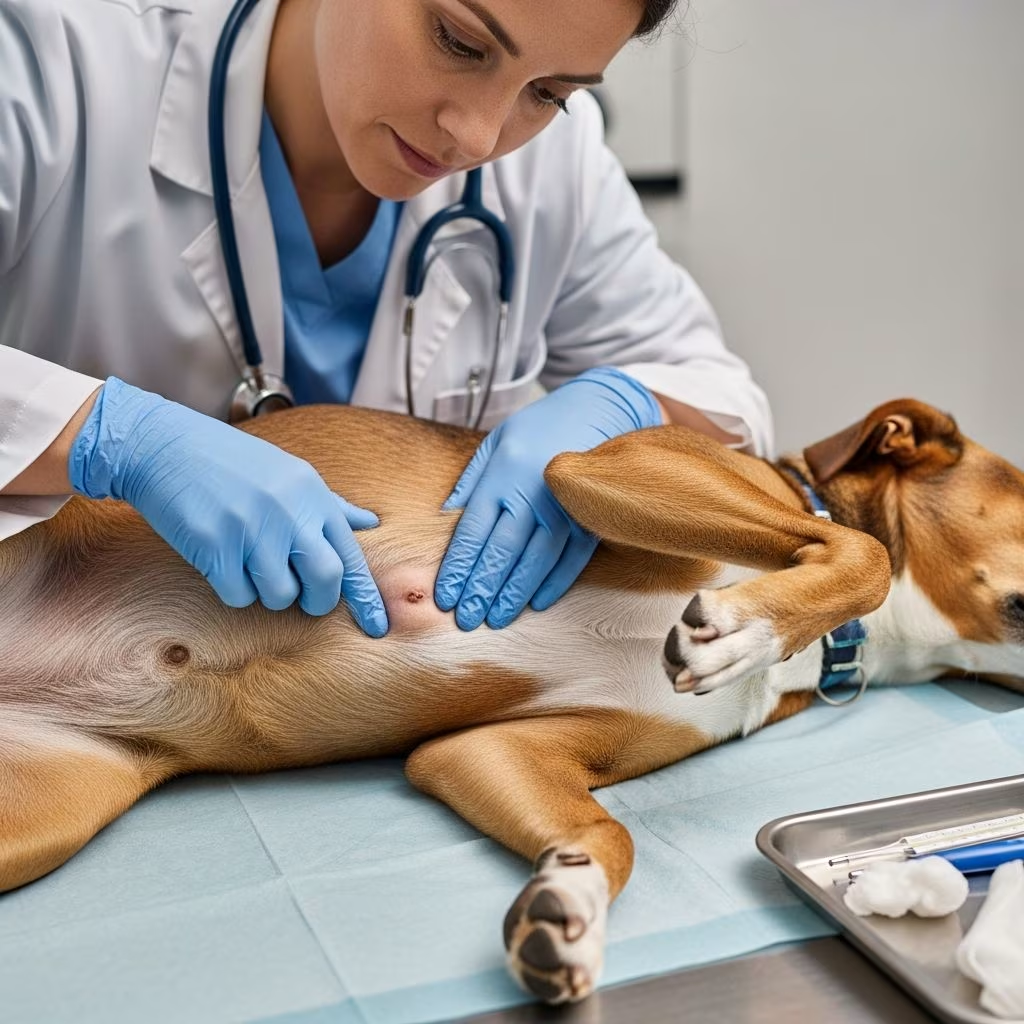
Discovering a lump on your dog’s body can trigger concern, but many of these growths are benign fatty tumors known as lipomas. While these soft, movable masses are typically non-cancerous, pet owners often consider surgical removal for their dog’s comfort and mobility. The financial aspect of this decision requires careful planning, as costs can vary significantly based on multiple factors. This guide examines the pricing landscape of lipoma surgery for dogs, helping owners understand expenses and make informed decisions.
What Are Lipomas and Why Consider Removal?
Lipomas are benign tumors composed primarily of fat cells that develop beneath a dog’s skin. These growths frequently appear on the chest, abdomen, and limbs, and they’re characterized by their soft texture and ability to move when touched. Unlike malignant tumors, lipomas grow slowly and rarely pose immediate health threats. However, owners may pursue removal if the growths interfere with their dog’s movement, cause discomfort, or create concerns about the dog’s appearance and quality of life.
Before committing to surgery, veterinarians typically confirm the diagnosis through diagnostic imaging or fine needle aspiration, a procedure that costs between $20 and $200. This confirmation step ensures that the mass is indeed a lipoma rather than a more serious condition requiring different treatment approaches.
The Pricing Framework: Understanding Basic Surgery Costs
The financial investment required for lipoma removal depends heavily on the tumor’s characteristics and the surgical approach needed. Veterinarians generally categorize these procedures into distinct cost tiers based on complexity and location.
Simple Lipoma Removal
Small, superficial lipomas situated just beneath the skin represent the most straightforward surgical cases. These procedures typically cost between $200 and $700, with many clinics charging in the $250 to $500 range. Simple removals usually involve local anesthesia and minimal surgical time, resulting in reduced expenses and faster recovery periods.
Moderate to Complex Cases
Lipomas positioned near joints, embedded within muscle tissue, or located in anatomically challenging areas require more extensive surgical expertise. These cases typically range from $600 to $1,200, reflecting the additional time and precision required for safe removal. Surgeons must carefully navigate surrounding tissues to prevent damage to nerves or blood vessels.
Advanced Surgical Situations
When lipomas extend into surrounding tissues or approach vital organs, costs escalate significantly to $1,500 to $2,500 or beyond. These infiltrative lipomas demand advanced imaging technology and board-certified surgical specialists, substantially increasing overall expenses. In some cases involving unusually large or multiply-located tumors, total costs can exceed $2,500.
| Lipoma Type | Typical Cost Range | Key Characteristics |
|---|---|---|
| Simple/Superficial | $200–$700 | Small, accessible, local anesthesia |
| Moderate Complexity | $600–$1,200 | Deeper location, near joints or muscles |
| Infiltrative/Complex | $1,500–$2,500+ | Extended tissue involvement, organ proximity |
Key Factors That Influence Surgical Pricing
Understanding what drives cost variations helps owners anticipate expenses and compare veterinary quotes effectively. Multiple elements beyond the tumor itself affect the final bill.
Tumor Size and Anatomical Position
The physical dimensions of a lipoma directly correlate with removal difficulty and cost. Tumors measuring 0-5 centimeters typically cost $300 to $500, while those exceeding 15 centimeters can reach $650 or more just for the surgical removal itself. Location proves equally important—masses near sensitive structures demand heightened surgical precision.
Dog’s Age and Overall Health Status
Senior dogs or those with pre-existing conditions such as heart disease, liver dysfunction, or metabolic disorders require additional medical screening before surgery. These animals may need specialized anesthesia protocols, extended monitoring during procedures, and increased post-operative care, all of which add to expenses. Younger, healthier dogs typically move through surgery with fewer ancillary costs.
Veterinary Provider and Facility Type
General practice veterinarians typically charge less than board-certified surgical specialists. Specialty hospitals and referral centers, which possess advanced equipment and highly experienced surgeons, command premium fees. However, this premium often reflects enhanced safety measures and better outcomes, particularly for complex cases.
Diagnostic and Monitoring Requirements
Advanced imaging such as ultrasound, X-rays, or CT scans adds $100 to $300 to the total cost. Anesthesia monitoring, blood work, and pathology testing—while important for safety—contribute additional expenses ranging from $100 to $400 depending on clinic standards.
Comprehensive Expense Breakdown: What Your Bill Actually Covers
The total cost of lipoma removal encompasses multiple service components beyond the surgical procedure itself. Understanding this breakdown clarifies why seemingly similar surgeries carry different price tags.
Pre-Surgical Assessment and Preparation
Before the actual procedure, your veterinary clinic conducts diagnostic evaluations, blood work, and physical examinations. These preliminary steps ensure your dog can safely tolerate anesthesia and helps identify any complications. Pre-operative consultations and imaging typically represent 15-20% of the total surgical cost.
Anesthesia and Surgical Execution
The anesthesia itself—whether general or local—comprises a significant expense, particularly for complex cases requiring extended surgical time. Surgical staff compensation, facility use, sterile equipment, and surgical supplies all factor into the procedure component of your bill.
Post-Operative Care and Recovery Support
After surgery, your dog requires pain management medications, antibiotics to prevent infection, and wound care oversight. Many clinics include protective equipment like Elizabethan collars to prevent licking or self-trauma during healing. These post-operative components typically add $100 to $400 to the final bill. Follow-up appointments for suture removal and healing checks may incur additional fees of $50 to $200.
Optional but Valuable Services
Some clinics offer pathology testing to examine removed tissue, providing peace of mind regarding the growth’s benign nature. While not always necessary, this service costs $50 to $150 and offers diagnostic confirmation.
Strategies for Managing Lipoma Surgery Costs
Pet owners facing lipoma removal decisions can employ several strategies to manage financial responsibility effectively. Proactive planning reduces stress and ensures dogs receive appropriate care without creating household financial strain.
Obtaining Detailed Quotations
Request written estimates from multiple veterinary providers listing every charge separately—anesthesia, diagnostics, medications, and follow-up care. This transparency allows meaningful comparison between clinics and prevents surprise expenses. Be specific about asking whether estimates include or exclude pathology testing, post-operative medications, and follow-up visits.
Exploring Insurance and Payment Options
Pet health insurance may cover lipoma removal if your policy was established before diagnosis and includes surgical coverage. Many veterinary clinics partner with third-party financing companies offering payment plans that spread costs over several months. These options can transform an immediate large expense into manageable monthly payments.
Comparing Facility Options
While specialty surgical centers command higher fees, general veterinary practices provide cost-effective options for straightforward cases. For uncomplicated removals, a trusted general practitioner may deliver excellent results at lower cost. Reserve specialist referrals for truly complex situations where their advanced expertise justifies premium pricing.
Timing Considerations
Planning surgery during less busy seasons or bundling multiple procedures (if applicable) sometimes yields modest discounts. Some clinics offer promotional pricing during specific periods. Discussing timing flexibility with your veterinarian can occasionally result in cost savings.
Long-Term Financial Planning and Potential Secondary Expenses
While lipoma recurrence is uncommon, some dogs develop additional fatty tumors over time or experience complications requiring secondary surgical intervention. Budgeting for potential future expenses demonstrates financial prudence for long-term pet ownership.
Post-operative complications occasionally necessitate additional veterinary visits and medications, adding $50 to $200 to overall costs. Some dogs may require extended pain management or develop infection requiring antibiotic therapy. In rare instances where a lipoma regrows in the same location or appears nearby, secondary surgical removal may cost $400 to $1,000 depending on circumstances.
Pet owners should view the initial surgical investment as part of comprehensive lifetime healthcare planning. Just as human health insurance accounts for future medical needs, pet healthcare budgeting should accommodate potential emerging expenses related to aging and health changes.
Making the Surgical Decision: Beyond Financial Considerations
While cost plays an important role in decision-making, veterinary professionals emphasize that surgery should address actual medical need rather than cosmetic concerns. Dogs with lipomas that don’t interfere with movement, cause pain, or create functional limitations may live comfortably without surgical removal. Conversely, tumors restricting mobility, causing discomfort, or affecting quality of life warrant serious surgical consideration regardless of cost.
Consulting with your veterinarian about the specific tumor’s characteristics, growth rate, and potential health implications helps frame the financial decision appropriately. A $500 procedure for a growth meaningfully affecting your dog’s life represents good medicine. The same procedure for a stationary, asymptomatic tumor purely for appearance reasons requires different financial justification.
Frequently Asked Questions About Lipoma Surgery Costs
What represents the minimum investment for lipoma removal?
Small, superficial lipomas located just beneath the skin may cost as little as $200 to $400 including basic anesthesia and surgical excision. However, this baseline excludes diagnostic imaging, laboratory work, and specialized medications. Regional variations and individual clinic policies significantly influence minimum pricing.
Why do cost estimates vary so dramatically between veterinary clinics?
Quote variations stem from multiple sources: the tumor’s specific size, depth, and location; the surgeon’s experience level and credentials; facility capabilities and overhead; and whether estimates include imaging, pathology testing, and post-operative care. A $300 quote excluding diagnostics and post-op medications differs significantly from a $700 estimate providing comprehensive services throughout recovery.
Does pet insurance typically cover lipoma removal?
Coverage depends entirely on your specific policy. Insurance may cover lipoma removal if you purchased coverage before the lipoma developed and if your policy includes surgical procedures. Always verify with your insurance provider whether your dog’s specific situation qualifies for reimbursement before committing to surgery.
Should cost influence surgical decision-making?
Cost should factor into decisions but shouldn’t overshadow medical considerations. If a lipoma restricts your dog’s movement or causes discomfort, delaying surgery to save money may compromise quality of life. Conversely, removing asymptomatic tumors purely for cosmetic reasons may not justify substantial expenses. Discuss priorities with your veterinarian.
Are there cost-reduction strategies without compromising safety?
Yes—obtain multiple written quotes, explore payment plan options, consider general practice veterinarians for straightforward cases, and time surgery strategically. Avoid reducing costs by skipping pre-operative testing or post-operative care, which compromise safety and increase long-term complications risk.
References
- Dog Lipoma Removal Cost: Full Price Breakdown — Sustainable Vet. 2024. https://www.sustainablevet.org/blog/dog-lipoma-removal-cost
- How Much Does Dog Lipoma Removal Cost? — Lemonade Insurance. 2024. https://www.lemonade.com/pet/explained/dog-lipoma-cost/
- Dog Lipoma Removal Cost and Procedure Guide — CareCredit. 2024. https://www.carecredit.com/well-u/pet-care/lipoma-removal-cost/
- Surgery Costs — Affordable Veterinary Surgery. 2024. https://affordableveterinarysurgery.com/surgery-costs/



