

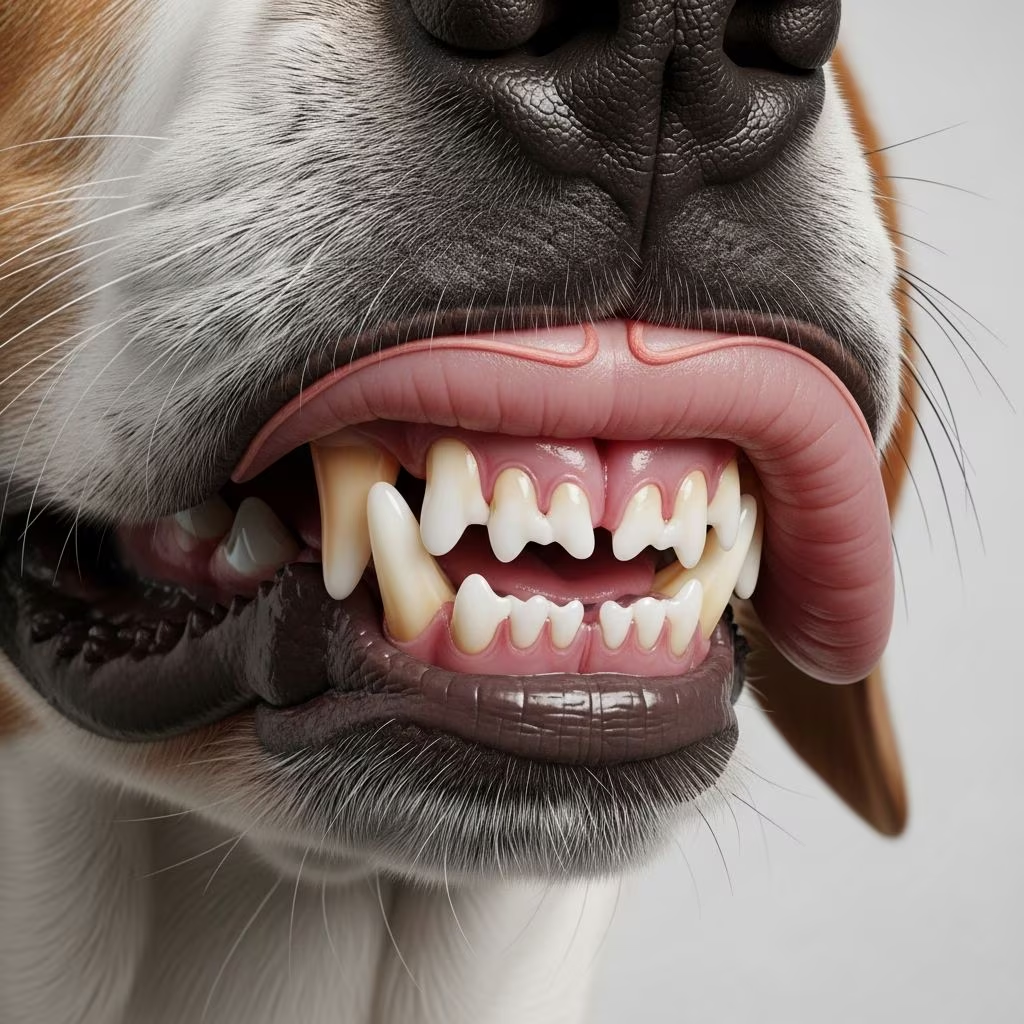
Dogs possess a complex and highly functional mouth structure that extends far beyond simple appearance. While many pet owners focus on their dog’s teeth and breath, the lips themselves represent a critical component of canine anatomy that deserves closer examination. Unlike human lips, dog lips are specialized structures designed to support eating, water consumption, emotional expression, and overall oral health. This guide explores the intricate details of canine lip anatomy, the special features unique to dogs, and what pet owners should know about maintaining their dog’s oral health.
The Fundamental Structure of Dog Lips
Dog lips are far more complex than they initially appear. The lip structure in dogs comprises three distinct layers that work together to create both protective and functional boundaries for the oral cavity. The outermost layer consists of the integument, or skin, which provides protection against environmental elements. Beneath this lies a muscular and fibroelastic layer that gives lips their mobility and flexibility. The innermost layer is the mucosal tissue, which is more delicate and sensitive than the outer layers. This three-layer composition allows dogs to perform a remarkable range of activities, from gentle food manipulation to vigorous play and expression of emotion.
The muscular components of the lips enable dogs to control food intake with surprising precision. These muscles contract in coordinated movements that help position food within the mouth, guide it toward the throat, and maintain proper closure during chewing. This sophisticated control system allows dogs to eat efficiently despite their carnivorous ancestry and powerful jaw muscles.
Rugal Folds: The Bumpy Ridges You May Have Noticed
One of the most distinctive features of dog lip anatomy that often surprises new pet owners is the presence of small, bumpy ridges running along the lips. These structures, known as rugal folds, rugae, or lip fimbriae, are completely normal and present in virtually all dogs. If you have recently noticed these tiny bumps along your dog’s lower lip and wondered if something was wrong, you can rest assured that these features are entirely healthy and natural.
Rugal folds are not limited to the lips alone. These ridged structures appear in multiple locations throughout the canine body, including the hard palate on the roof of the mouth and the stomach lining. The presence of rugae in these various locations suggests they serve important biological purposes across different organs and systems.
Why Dogs Have Rugal Folds
The primary function of rugal folds relates to increasing surface area for the tissues they support. On the lips, these bumpy ridges provide enhanced grip when holding food during eating. As a dog manipulates food in its mouth, the lip muscles contract in sequential waves, creating a conveyor belt-like motion that moves food toward the throat. The rugal folds increase friction and grip, making this process more efficient and preventing food from slipping out of the mouth.
Beyond eating, rugal folds provide an important protective function. These ridges create a cushion-like barrier between the upper teeth and the lower gum, protecting delicate gum tissue from injury during the chewing process. On the hard palate, rugal folds similarly assist with eating and drinking by increasing surface area and improving mechanical function.
Variation in Rugal Fold Appearance
Just as no two dogs are identical, rugal fold characteristics vary significantly from one dog to another. Some dogs, particularly larger breeds such as St. Bernards and Great Danes, display prominent, well-developed rugal folds that visibly flop outward from their mouths. These exaggerated folds contribute to the characteristic droopy appearance many dog lovers find endearing. Smaller dog breeds, by contrast, may have only barely noticeable rugal folds that appear as slight bumps along the lip margin.
The color of rugal folds typically matches the surrounding lip tissue, creating a uniform appearance. Depending on a dog’s genetic background and breed characteristics, lip coloration can range from pale pink to deep black, or even consist of multicolored patches. The rugal folds simply follow this existing coloration pattern.
Flews: The Drooping Lip Feature
Another distinctive lip feature found in many dogs is the presence of flews, a term that refers to the drooping portions of a dog’s upper lip. Flews extend downward beyond the gum line and are particularly prominent in certain breeds. The word “flews” might sound unfamiliar to casual dog owners, but anyone who has seen a Bloodhound, Bulldog, or Basset Hound is familiar with this feature.
The structure and prominence of flews vary dramatically across different breeds. Breeds developed for hunting and tracking, such as Bloodhounds, possess well-developed flews that serve a functional purpose beyond aesthetics. These drooping lips help maintain moisture around the nose, which enhances the dog’s ability to follow scent trails effectively. This adaptation represents thousands of years of selective breeding for specific hunting capabilities.
Other breeds exhibit more moderate flews. Boxers, for example, have flews that contribute to their distinctive facial appearance without significantly compromising functionality. Some breeds, such as Bernese Mountain Dogs, are classified as having relatively minimal flews due to their drier mouth characteristics, meaning less tissue droops below the normal lip line.
Functional Purposes of Flews
Beyond their aesthetic appeal, flews serve several practical functions in canine daily life. These drooping lips help create an effective seal when dogs drink water or carry objects in their mouths, preventing spillage and keeping the surrounding area cleaner during eating and drinking activities. For dogs engaged in retrieving activities or water sports, properly developed flews provide advantages in maintaining grip and control.
The Role of Lips in Canine Expression and Communication
Dog lips play a more significant role in emotional expression than many pet owners realize. The lips and surrounding facial structures provide dogs with a sophisticated system for communicating emotions such as anger and fear. When a dog raises its lip to show teeth, this action communicates threat or aggression. Conversely, relaxed, closed lips indicate a calm, contented state. This lip-based communication system allows dogs to send important signals to other dogs and to humans, facilitating social interaction and reducing misunderstandings that could otherwise lead to conflict.
Health Considerations and When to Seek Veterinary Attention
While rugal folds and flews are entirely normal features of canine anatomy, changes to lip appearance warrant veterinary evaluation. It is important for dog owners to establish a baseline understanding of what is normal for their individual pet so that deviations become apparent.
Normal Lip Characteristics
Healthy rugal folds should appear uniform along the lip, with larger ridges on the outer edge that gradually taper to a smoother surface toward the inner lip. The coloration should be consistent throughout, matching the surrounding tissue. Both flews and rugal folds should maintain their typical appearance without sudden changes.
Warning Signs Requiring Veterinary Evaluation
Several changes to lip appearance should prompt a veterinary appointment. These include:
- Noticeable changes in the size of individual rugal folds
- Alterations in the color of lip tissue or rugal folds
- Changes in the texture of lip tissue
- New bumps or growths appearing along the lips
- Swelling or inflammation of lip tissue
- Signs of trauma or injury from biting or chewing
Any of these changes could indicate inflammation, infection, or more serious conditions requiring professional assessment. Dogs can accidentally bite their own lips during chewing, just as humans sometimes do, and such injuries may become infected if not properly treated. Additionally, dogs sometimes injure their lips by chewing on sticks, sharp objects, or other foreign materials.
Common Lip Conditions in Dogs
One common condition affecting dog lips is the presence of viral oral papilloma warts, which are more frequently observed in younger dogs. These benign, cauliflower-like growths typically appear around the head, lips, and inside the mouth. While benign, they warrant veterinary confirmation of diagnosis.
Immune-mediated diseases and various skin conditions can also cause observable changes to lip appearance and structure. Additionally, cancers, though less common, can develop in lip tissue, emphasizing the importance of prompt veterinary evaluation for any suspicious lesions.
Palatitis, or inflammation of the hard palate caused by the entrapment of plaque and food debris, represents another condition that can affect the tissues in and around the mouth. Signs that a dog may suffer from this condition include notably bad breath, changes in eating behavior or appetite, and the dog pawing at its mouth or showing signs of discomfort.
Breed-Specific Lip Characteristics and Considerations
Different dog breeds exhibit distinct lip characteristics based on thousands of years of selective breeding. Large molosser breeds, such as St. Bernards and Great Danes, typically display substantial, prominent flews that flop to the sides of their mouths. These breeds are often referred to as having “wet mouths” due to the drooping tissue and tendency toward increased drooling. This characteristic requires regular cleaning to prevent skin irritation or infection in the folds.
Brachycephalic breeds—those with shortened muzzles such as Bulldogs and Pugs—often have congenital conditions affecting their lips. One such condition is tight lip syndrome, where the rostral edge of the lip tissue is pulled too tightly over the mandibular dental arcade. This condition can cause trauma to lip tissue during chewing and may even affect jaw growth and tooth eruption in developing puppies.
Primary cleft palate represents another congenital condition that can affect lip development in dogs. This condition results in cosmetic and functional defects that require surgical reconstruction to restore normal separation between the nasal and oral cavities and to rebuild the lip structure.
Lip Care and Maintenance
Maintaining healthy dog lips requires awareness of potential problems and consistent observation. Regular grooming that includes inspection of the mouth helps owners identify changes early. For breeds with prominent flews, regular cleaning of the skin folds helps prevent moisture accumulation, which can lead to bacterial or fungal infections.
Preventing lip injuries involves providing appropriate chewing toys and discouraging dogs from chewing on sticks, hard plastic objects, or other materials that could cause trauma. A balanced diet supports overall oral health, and regular dental care, including tooth brushing when possible, helps maintain healthy gums and prevent conditions like palatitis.
Frequently Asked Questions About Dog Lips
Do all dogs have the same type of lips?
No. While all dogs have the basic three-layer lip structure, the prominence of features like flews and rugal folds varies significantly based on breed, genetics, and individual characteristics. Some dogs have very noticeable flews and prominent rugal folds, while others have minimal lip features beyond basic functionality.
Are rugal folds a sign of poor health?
Rugal folds are completely normal anatomical features present in virtually all dogs. They are not indicative of health problems. However, if the appearance of rugal folds changes significantly or if new growths appear, veterinary evaluation is warranted.
Why do some dogs drool more than others?
Dogs with prominent flews tend to drool more due to the drooping lip tissue that cannot contain saliva as effectively as tighter lips. This is a normal characteristic in breeds with developed flews and does not necessarily indicate a health problem, though excessive drooling beyond a dog’s breed norm could suggest other issues.
Can lip problems affect a dog’s ability to eat?
Yes. Conditions such as tight lip syndrome, severe injuries, or significant infections can affect eating ability and comfort. Additionally, lip and mouth problems may indicate or cause changes in eating behavior, which should be evaluated by a veterinarian.
How often should I check my dog’s lips?
Regular grooming and play sessions provide natural opportunities to observe your dog’s lips. Establishing familiarity with your dog’s normal appearance allows you to quickly identify changes that warrant veterinary attention. Monthly careful inspection is a reasonable goal for most owners.
Understanding Your Dog’s Unique Lip Features
Dog lips represent a fascinating aspect of canine anatomy that combines aesthetic appeal with important functional roles. From the specialized rugal folds that improve grip during eating to the characteristic flews that define certain breeds, lips are far more significant than casual observation might suggest. By understanding the normal anatomy and characteristics of your individual dog’s lips, you become better equipped to identify changes that might warrant professional evaluation. This knowledge ultimately contributes to your dog’s overall health and wellbeing, ensuring that these often-overlooked structures receive the attention they deserve.
References
- What Are Rugal Folds? — Kinship. 2024. https://www.kinship.com/uk/dog-health/what-are-rugal-folds-dogs
- Soft Tissues of the Oral Cavity — Veterian Key. 2024. https://veteriankey.com/soft-tissues-of-the-oral-cavity/
- Understanding Flews: The Unique Lip Structure in Dogs — Oreate AI. 2024. https://www.oreateai.com/blog/understanding-flews-the-unique-lip-structure-in-dogs/a14c1380bd7eae9f2bc39d982ff7f127



