

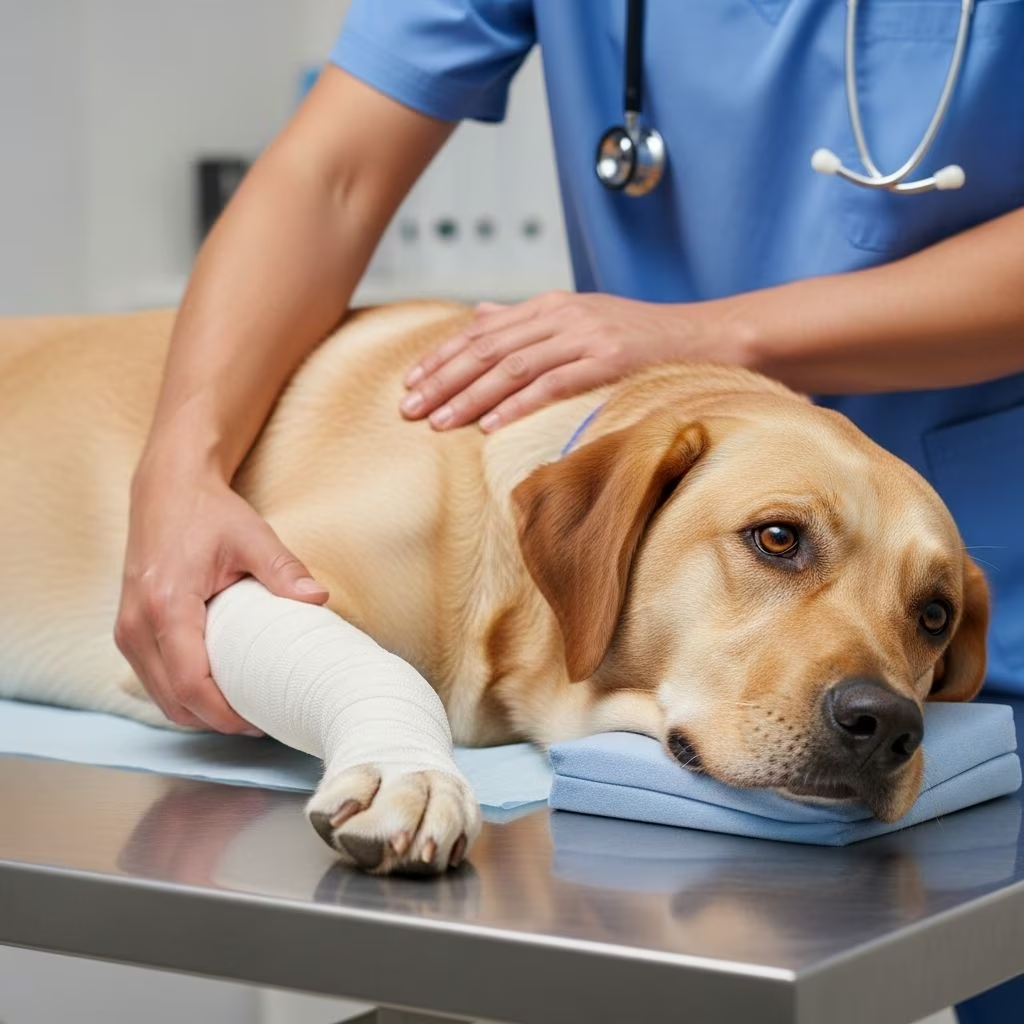
When a dog sustains a bone fracture, it represents a medical emergency that demands immediate professional attention. Whether caused by a vehicular accident, a fall from height, or rough play, limb fractures are among the most frequently encountered orthopedic injuries in veterinary medicine. Understanding the nature of these injuries, the available treatment pathways, and what to expect during recovery can help pet owners make informed decisions and provide appropriate care during this challenging period.
Recognizing the Signs of a Fractured Limb
A dog with a broken bone typically exhibits clear indicators that distinguish the injury from minor sprains or strains. The affected limb may appear at an abnormal angle, or the dog may refuse to bear any weight on the injured leg entirely. Noticeable swelling develops around the fracture site, and the dog often displays visible pain and reluctance to move. Some dogs may show signs of shock, including pale gums, rapid breathing, or lethargy, particularly if the fracture resulted from significant trauma.
Pet owners should remain alert to behavioral changes, as pain can cause previously friendly dogs to snap or bite when handled. The specific presentation depends on the fracture’s location and severity, but any suspicion of a broken bone warrants emergency veterinary evaluation.
Immediate Response and First Aid Measures
The moments immediately following a suspected fracture are critical for preventing further injury. The primary goal during initial response involves stabilizing the affected limb and minimizing movement that could exacerbate the damage.
Transport considerations: When moving a dog with a suspected fracture, carriers should be used whenever possible to prevent weight-bearing on the injured leg. If a carrier is unavailable, carefully lifting and supporting the dog with both hands—particularly supporting the chest and hindquarters—reduces the risk of additional trauma.
Temperature application: Cold therapy applied in the first week following injury can significantly reduce inflammation and swelling at the fracture site. An ice pack wrapped in a towel should be placed on the affected area for approximately 10 to 15 minutes. This temporary measure helps manage pain and reduce discomfort before professional evaluation occurs.
Wound management: If the fracture has broken the skin, creating an open or compound fracture, clean the area gently with water and apply pressure using a clean cloth to control any bleeding. Avoid applying ointments or allowing the dog to lick the wound, as contamination can lead to serious infections that complicate fracture healing.
Professional Diagnostic Procedures
Upon arrival at the veterinary clinic, the veterinarian conducts a thorough physical examination and orders imaging studies to determine the exact nature and extent of the injury. Radiographic imaging, commonly referred to as X-rays, provides a detailed view of the fracture’s location, the degree of bone displacement, and whether multiple fracture lines are present.
The veterinarian may sedate or anesthetize the dog during this process to ensure adequate positioning for clear images and to prevent pain during manipulation of the injured limb. Additional imaging may include ultrasound or advanced techniques such as computed tomography, depending on the complexity of the injury.
Beyond imaging, the veterinarian evaluates overall health status, considering the dog’s age, general condition, and ability to tolerate various treatment approaches. This comprehensive assessment guides the selection of the most appropriate therapeutic strategy for the individual patient.
Treatment Pathways for Bone Fractures
Veterinary professionals tailor fracture treatment based on multiple factors including fracture type, severity, location, the dog’s age and overall health, and the owner’s resources and commitment level. Several established approaches have proven effective in canine fracture management.
Non-Surgical Stabilization Methods
External coaptation: This approach uses external devices such as splints, casts, or bandages to immobilize the fractured bone and prevent movement that would interfere with healing. External coaptation works most effectively for fractures that occur below the knee or elbow, or for stable fractures in younger dogs whose bones heal rapidly. The device must immobilize not only the fractured bone but also the joints above and below the fracture site to prevent any movement that could disrupt healing.
Success with this method requires strict adherence to activity restrictions and regular veterinary check-ups to ensure the cast or splint remains properly positioned and that healing progresses appropriately. X-rays taken at intervals throughout the healing period guide adjustments to the external device and confirm that bone union is occurring.
Surgical Repair Techniques
Intramedullary fixation: This represents the most common surgical approach for canine fractures and involves placing pins, rods, wires, or nails through the interior of the bone to stabilize the fracture from within. This technique provides excellent support for bone healing and is suitable for a wide range of fracture types and locations. The internal hardware remains permanently in place unless complications develop requiring removal.
Plate and screw fixation: This method involves attaching metal plates across the fracture site using screws that penetrate both sides of the broken bone. Plate fixation provides exceptional stability and is particularly valuable for complex or comminuted fractures where the bone shatters into multiple pieces. This approach allows for more aggressive rehabilitation since the repair provides robust support.
External skeletal fixation: This technique employs pins or wires inserted through the skin and bone, connected to a rigid external frame that holds the fracture in alignment. External fixation proves particularly valuable for open fractures where skin penetration has occurred, severe crushing injuries, or situations where the fracture pattern makes internal fixation challenging. The external apparatus allows visualization of the injury site for wound care and can be adjusted if needed during the healing process.
Timeline Considerations for Treatment Initiation
The timing of fracture treatment influences healing outcomes and complication rates. Closed fractures—those where the bone has broken but the skin remains intact—ideally receive treatment within two to four days of injury. Open fractures, where the skin has been penetrated and contamination may have occurred, require more urgent intervention with initial wound cleaning and stabilization ideally performed within eight hours of injury. While final surgical repair can be delayed 24 to 48 hours in open fractures, the initial assessment and wound management cannot wait.
Factors Influencing Treatment Selection
The veterinarian considers multiple variables when recommending a specific treatment approach. Younger dogs typically heal more rapidly than senior dogs, potentially making less invasive options viable. The fracture’s location affects options; fractures of the femur or humerus usually require surgical fixation, while some carpal or tarsal fractures may heal adequately with external support alone.
The dog’s lifestyle and owner commitment also matter considerably. Active dogs requiring full return to normal function benefit from robust surgical repair, while more sedentary dogs might manage well with conservative treatment. Financial considerations are honest factors in the discussion; surgical repair typically costs substantially more than external coaptation, though the outcomes and recovery timeline may differ significantly.
Recovery and Healing Timeline
Bone healing follows a predictable biological process, though the timeline varies based on the dog’s age and the fracture’s severity. Puppies and young dogs experience remarkably rapid bone healing, often achieving union within four to eight weeks. Adult dogs typically require three to four months for complete healing, while senior dogs may need somewhat longer.
During the early healing phase, it is critical to maintain the immobilization provided by the cast, splint, or surgical fixation. The veterinarian schedules regular re-evaluation appointments, typically at two-week intervals, to assess healing progress through repeated radiographs. These check-ups allow the veterinarian to adjust external devices, monitor for complications, and modify the treatment plan if healing is proceeding slower than expected or if problems develop.
Owners must administer all prescribed medications consistently, including pain relievers, anti-inflammatory medications, and antibiotics for open fractures. Medications reduce discomfort, which paradoxically improves healing by allowing the dog to use the injured limb more normally, promoting blood flow and preventing muscle deterioration.
Activity Restrictions During Healing
Strict activity limitation represents one of the most challenging yet essential aspects of fracture recovery. Dogs must avoid jumping, running, playing, or any activities that place stress on the healing bone. Off-leash time should be eliminated entirely, and on-leash walks should be short and controlled, primarily for bathroom breaks.
During the early recovery period, many dogs benefit from assisted walking using a harness or support under the chest or pelvis, reducing the load placed on the injured limb. Dogs should be confined to small areas where they cannot exercise freely, and stairs should be avoided or blocked to prevent the temptation to jump.
Some dogs test boundaries and attempt activities despite pain, so owner vigilance in enforcing restrictions proves essential. Genetic predisposition toward activity levels and personality means some dogs require more creative management to prevent self-inflicted reinjury.
Rehabilitation and Physical Therapy
As bone healing progresses and pain decreases, structured rehabilitation becomes increasingly important for restoring full function to the affected limb. Physical therapy addresses several key outcomes: improving comfort, rebuilding muscle mass, restoring joint mobility, and teaching the dog to use the limb normally again.
Simple at-home techniques can begin early in recovery. Controlled passive motion—gently moving the joints through their normal range of motion without the dog’s muscular effort—maintains joint health and prevents stiffness. Gradual leash walking on flat, soft surfaces like grass promotes weight-bearing while protecting the healing bone from impact stress.
As healing progresses, more advanced rehabilitation techniques conducted by veterinary physical therapists can include therapeutic exercises, underwater treadmill therapy where buoyancy reduces weight-bearing stress while promoting movement, and massage to improve circulation and reduce muscle tightness. Swimming in controlled environments offers excellent rehabilitation potential, as buoyancy eliminates impact stress while allowing the dog to exercise nearly all muscle groups.
Consistent communication between the surgeon managing the fracture and the physical therapist optimizes rehabilitation outcomes and helps prevent complications from overly aggressive therapy or insufficient activity.
Environmental Modifications for Comfort
The recovery environment significantly influences a dog’s comfort and healing. A soft, well-padded bed in a quiet location allows the dog to rest without pressure on the healing bone. Non-slip flooring or rugs prevent the dog from sliding, which can stress the fracture site or cause falls.
Food and water bowls should be positioned at comfortable heights to avoid excessive bending or standing on the injured limb. Elevated food stations reduce strain on dogs with rear limb fractures. Bathroom access should be convenient; some owners establish temporary outdoor potty areas near the house to minimize the distance the dog must travel.
Multi-level homes present challenges; confining the recovering dog to a single floor eliminates stair navigation, which stresses healing bones and risks falls. Temporary barriers or closed doors effectively manage this issue.
Potential Complications During Recovery
While most fractures heal successfully, complications can develop that require adjustments to the treatment plan. Inadequate immobilization leading to excessive motion at the fracture site may prevent bone union, requiring revision of external supports or consideration of surgical intervention. Infections, particularly in open fractures, demand aggressive antibiotic therapy and sometimes additional surgery to remove infected bone fragments.
Pressure sores can develop under casts or splints from friction or excessive pressure, requiring the external device to be modified or temporarily removed for skin care. Some dogs develop behavioral responses to confinement and activity restriction, requiring patience and consistent management strategies.
Nerve or blood vessel damage, though uncommon, can cause persistent limb weakness or swelling. Limb swelling despite appropriate elevation and ice application may indicate infection or compromised circulation, requiring immediate evaluation.
Return to Normal Function
Following successful fracture healing, the dog’s return to normal activity should be gradual rather than abrupt. The veterinarian provides specific guidelines for progressive activity increases based on the individual’s recovery progress. Typically, dogs begin with short, controlled leash walks, gradually increasing duration and pace over several weeks.
Resume jumping, running, and free play only after the veterinarian confirms complete healing and the dog demonstrates normal function without limping or reluctance to use the limb. Some dogs require several months to regain full confidence in the previously injured limb, even after complete bone healing occurs.
Most dogs return to normal function and activity levels following appropriate fracture treatment and rehabilitation. Permanent limitations occur primarily in cases where complications developed during healing or where extensive muscle or soft tissue damage accompanied the original fracture.
Prevention and Risk Reduction
While accidents cannot always be prevented, several strategies reduce a dog’s fracture risk. Maintaining appropriate weight reduces stress on bones and joints. Avoiding high-impact activities in young dogs while their growth plates remain open prevents injuries that could impair normal skeletal development. Preventing falls by securing windows and doors, using baby gates on stairs, and ensuring safe play environments protects against many common fracture causes.
Proper nutrition supporting bone health, including adequate calcium and phosphorus, contributes to strong bones less susceptible to fracture. Some medical conditions predispose dogs to fractures, and managing these conditions through appropriate veterinary care reduces injury risk.
Frequently Asked Questions
How long does it take for a dog’s broken bone to heal?
Puppies typically experience fracture healing within four to eight weeks due to their rapid bone metabolism. Adult dogs generally require three to four months, while senior dogs may need slightly longer. Individual variation exists based on fracture severity, location, and the dog’s overall health status.
Can a broken dog leg heal without surgery?
Many dog fractures heal successfully without surgery through external immobilization using casts or splints, particularly those occurring below the knee or elbow, or stable fractures in younger dogs. However, more complex fractures, those involving joints, or those with bone displacement typically require surgical repair for optimal outcomes.
What is the cost of treating a broken dog leg?
Costs vary significantly based on treatment approach. External immobilization with casts or splints typically costs between $500 and $1,500 total. Surgical repair can range from $1,500 to $5,000 or more depending on the fracture complexity and geographic location. Radiographs, anesthesia, and follow-up care add to these base costs.
What activities should be restricted during recovery?
All jumping, running, free play, and off-leash time should be eliminated. Leash walks should be brief and controlled, primarily for bathroom needs. Stairs should be avoided, and the dog should be confined to small areas where unsupervised exercise cannot occur.
When can my dog resume normal activity?
Progressive activity increases can begin once the veterinarian confirms complete bone healing through radiographic evidence and the dog demonstrates normal function without limping. This typically occurs at three to four months for adult dogs, though gradual increases in activity over additional weeks or months may be recommended.
References
- Understanding Leg Fractures — Direct Veterinary Surgery. 2018. https://directvetsurg.com/wp-content/uploads/2018/01/Pet-owners-Understanding-longbone-fractures.pdf
- Broken Bones in Dogs — PetMD. 2024. https://www.petmd.com/emergency/broken-bones-dogs
- Bone Fractures in Dogs: What You Need to Know — Red Rocks Animal Hospital. 2024. https://www.redrocksanimal.com/site/blog/2024/08/22/bone-fractures-dogs
- What To Do When Your Dog Breaks a Leg — PetVet Care Centers. 2024. https://www.petvetcarecenters.com/site/blog/2024/06/15/what-to-do-dog-breaks-leg
- First Aid for Limping Dogs — VCA Animal Hospitals. https://vcahospitals.com/know-your-pet/first-aid-for-limping-dogs



