

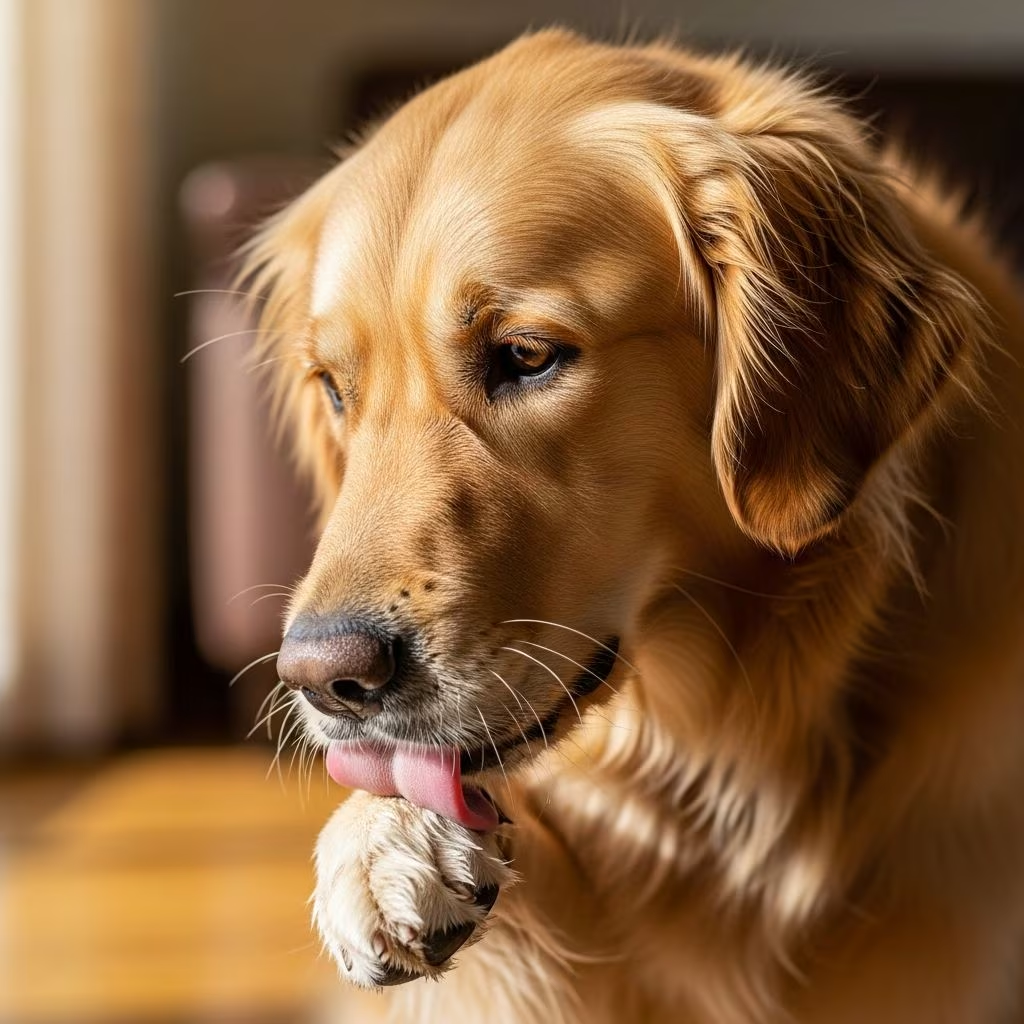
Licking is a natural and normal part of canine behavior. Dogs use their tongues to explore their environment, communicate with other dogs and humans, and maintain their coat. However, when licking becomes excessive or obsessive, it may signal an underlying health concern or behavioral issue that requires attention. Understanding the distinction between normal grooming and problematic licking patterns is essential for any dog owner who wants to ensure their pet’s well-being.
The Distinction Between Normal and Excessive Licking
Not all licking in dogs warrants concern. A dog that occasionally licks its paws, grooms its coat, or licks its owner’s face is engaging in typical canine behavior. The concern arises when licking becomes compulsive, frequent, or focused on specific areas to the point of causing damage to the skin or disrupting the dog’s daily activities.
Signs that licking has become excessive include visible hair loss, raw or red skin, the presence of oozing wounds, audible whimpering or distress vocalizations, and the dog’s inability to engage in normal activities like eating or playing due to the constant urge to lick. When these symptoms appear, investigating the root cause becomes necessary.
Physical Health Conditions That Drive Licking Behavior
Allergic Reactions and Skin Sensitivity
Allergies represent one of the most prevalent medical reasons dogs lick excessively. Dogs can experience three primary types of allergic reactions: environmental allergies, food-based allergies, and reactions to flea saliva.
Environmental allergies, also known as atopy, develop when dogs inhale airborne allergens such as pollen, dust mites, mold spores, or grass particles. These allergic responses typically cause intense itching that prompts dogs to lick affected areas repeatedly. Food allergies operate differently; they can trigger itching throughout the year regardless of season. Additionally, some dogs develop hypersensitivity to flea saliva, meaning even a single flea bite can cause disproportionate itching and subsequent licking behavior.
When allergies are the culprit, owners often notice the dog licking its paws more frequently than other body parts, as paws represent the most accessible areas for self-grooming. The affected skin may appear red, warm to the touch, or show signs of secondary infection.
Skin Infections and Parasitic Infestations
Bacterial, fungal, and yeast infections frequently cause the skin irritation that leads to excessive licking. These infections thrive in warm, moist environments, making areas between toes, groin folds, and ear canals particularly vulnerable. Yeast and bacterial infections typically present with redness, discharge, and characteristic brownish-red discoloration of the fur.
Parasitic infestations, including mites and fleas, represent another common trigger. Flea bites damage the skin barrier, making dogs susceptible to secondary infections that intensify the itching sensation. Some parasites, such as Demodex mites, may not be visible to the naked eye but can cause significant discomfort and compulsive licking behaviors.
Gastrointestinal Disturbances
Research indicates that gastrointestinal disorders may be responsible for approximately 60% of excessive licking cases when allergies and skin infections have been ruled out. Dogs experiencing nausea, acid reflux, or other digestive discomfort may lick strange surfaces, floors, or even the air in an attempt to self-soothe their upset stomach. Some dogs direct their licking toward their flanks or abdominal area when GI distress is present, as they attempt to alleviate internal discomfort through this behavior.
Inflammatory bowel disease and intestinal parasites can also trigger these compensatory licking behaviors as the dog’s body signals distress.
Localized Pain and Joint Conditions
Dogs experiencing localized pain from injuries or degenerative joint conditions like arthritis often lick the affected area as a coping mechanism. This behavior mimics human responses to pain; just as people might rub a sore muscle, dogs lick to comfort themselves. Notably, the licking triggers the release of endorphins—the body’s natural painkillers—providing temporary relief from discomfort. Veterinarians sometimes observe dogs with chronic wrist licking developing arthritis in that specific joint, suggesting a direct correlation between pain and licking behavior.
Oral and Dental Complications
Toothaches, gum disease, or foreign objects lodged between teeth can cause dogs to lick excessively as they attempt to relieve oral pain or manipulate the uncomfortable object. Dental problems often manifest as increased lip licking or attempts to address the problematic area with the tongue.
Behavioral and Psychological Factors
Stress Response and Anxiety-Related Licking
Just as some humans nervously bite their nails or tap their feet, dogs may develop excessive licking as a stress-coping mechanism. Common anxiety triggers include separation from their owners, exposure to loud noises, environmental changes, or insufficient mental and physical stimulation.
During stressful situations, licking provides a calming effect similar to the relaxation a person might experience during a massage. The repetitive motion releases endorphins, temporarily soothing the dog’s anxiety. However, this habit can become ingrained over time, transforming into a difficult-to-break compulsive pattern.
Obsessive-Compulsive Behaviors in Dogs
Some dogs develop obsessive-compulsive disorder (OCD), manifesting as uncontrollable licking behaviors. These dogs seem psychologically compelled to lick and find it nearly impossible to cease the activity. They may spend hours licking themselves, objects, floors, or furniture without apparent reason. Canine OCD often coexists with other behavioral issues such as general anxiety or heightened reactivity. Genetic predispositions combined with environmental stressors can contribute to the development of these compulsive patterns.
Learned Behaviors and Attention-Seeking
Dogs are intelligent creatures that quickly learn which behaviors elicit owner responses. If a dog receives attention—whether positive or negative—when licking, it may continue or increase the behavior to maintain that interaction. Additionally, boredom and lack of engagement can drive dogs to develop repetitive licking habits as a form of self-entertainment or stimulation.
Distinguishing Medical from Behavioral Causes
Determining whether licking stems from medical or behavioral origins requires systematic evaluation. Consider the following factors:
- Location specificity: Medical causes often involve specific body areas (paws, ears, abdomen), while behavioral licking may be more generalized
- Timing patterns: Does licking intensify at particular times, such as when the owner leaves or during stressful events?
- Visible symptoms: The presence of skin changes, discharge, or odor suggests medical involvement
- Duration and intensity: Sudden onset often indicates medical issues, while gradual escalation may suggest behavioral origins
- Response to distraction: Behaviorally-driven licking may pause when the dog’s attention shifts, while medically-caused licking typically persists
When to Consult a Veterinarian
Dog owners should schedule a veterinary appointment when licking becomes excessive or shows any of the following characteristics:
- Visible hair loss or bald patches appearing on the body
- Raw, inflamed, or infected-appearing skin
- Discharge or unusual odor from licked areas
- Signs of pain, including whimpering or reluctance to walk
- Disruption of normal eating, sleeping, or play activities
- Sudden behavior changes or unexplained increase in licking frequency
A veterinarian can perform diagnostic tests such as skin scrapings, fluid samples (cytologies), or fungal cultures to identify infections. They may also conduct allergy testing or recommend elimination diets if food allergies are suspected. In cases where gastrointestinal issues are suspected, diagnostic imaging or specialized testing may be warranted.
Management Strategies for Excessive Licking
Medical Interventions
Treatment depends entirely on the underlying cause. Allergies may be managed through environmental modifications, dietary changes, antihistamines, or prescription allergy medications. Infections typically require topical treatments, oral antibiotics, or antifungal medications. Pain-related licking may improve with arthritis medications or joint supplements prescribed by a veterinarian. Gastrointestinal issues might respond to dietary modifications, probiotics, or gastroprotectant medications.
Behavioral Management Techniques
For behaviorally-driven licking, increased physical exercise and mental stimulation prove highly effective. Daily walks, interactive play sessions, puzzle toys, and training activities help redirect the dog’s energy away from compulsive licking. Creating a structured daily routine provides security and reduces anxiety-driven behaviors.
Redirect the dog’s attention when licking begins. Offering alternative activities like chewing toys, fetch games, or training exercises gives the dog a productive outlet for its behavioral needs. Some owners find success with calming aids such as anxiety wraps, pheromone diffusers, or supplements formulated to promote relaxation.
Environmental Modifications
Reducing exposure to identified stressors helps minimize anxiety-triggered licking. For dogs with environmental allergies, limiting outdoor time during high pollen seasons and regular bathing to remove allergens from the coat can significantly reduce itching and subsequent licking.
Frequently Asked Questions
Is moderate licking normal in dogs?
Yes, moderate licking is a normal part of canine behavior. Dogs lick to clean themselves, explore their environment, and communicate affection. Concern arises only when licking becomes excessive, causes visible damage to skin, or interferes with the dog’s daily functioning.
Can I treat excessive licking at home?
While some behavioral licking may improve with increased exercise and mental enrichment, any excessive licking warrants veterinary evaluation first. Medical conditions must be ruled out before pursuing behavioral interventions. Self-treating at home risks missing serious underlying health issues.
How long does it take to resolve excessive licking?
Recovery time varies based on the underlying cause. Medical conditions may improve within weeks once appropriate treatment begins. Behavioral issues typically require longer timelines—often several weeks to months—as the dog learns new habits and overcomes ingrained patterns.
Do certain dog breeds lick more than others?
All breeds can engage in excessive licking. However, individual dogs within breeds vary considerably in their propensity toward licking behaviors based on temperament, health status, and environmental factors.
Should I punish my dog for excessive licking?
Punishment is counterproductive and may increase anxiety-driven licking behaviors. Instead, focus on identifying and addressing the underlying cause while redirecting the dog’s attention toward appropriate activities.
Conclusion: A Holistic Approach to Canine Licking
Excessive licking in dogs rarely occurs without reason. Whether rooted in medical conditions such as allergies, infections, pain, or gastrointestinal disturbances, or emerging from behavioral factors like anxiety and compulsive patterns, persistent licking demands investigation and intervention. By working closely with veterinary professionals to identify the underlying cause and implementing appropriate medical or behavioral management strategies, dog owners can help their pets return to healthier, happier lives free from the constant urge to lick.
References
- The Science Behind the Slurp: Why Dogs Engage in Excessive Licking — Rear Road Animal Hospital. 2024. https://www.rearoadanimalhospital.com/the-science-behind-the-slurp-why-dogs-engage-in-excessive-licking/
- 12 Reasons Dogs Lick Excessively and When to be Concerned — Pets Best. 2024. https://www.petsbest.com/blog/12-reasons-dogs-lick-excessively
- Excessive Licking, Chewing, and Grooming in Dogs — PetMD. 2024. https://www.petmd.com/dog/general-health/excessive-licking-chewing-and-grooming-dogs
- Dog Excessive Licking: Causes, Signs, and When to Worry — Mission Road Animal Clinic. 2024. https://www.missionroadanimalclinic.com/dog-excessive-licking-health-signs/
- Why Dogs Lick Their Privates — VCA Animal Hospitals. 2024. https://vcahospitals.com/know-your-pet/why-dogs-lick-their-privates
- Why Does My Dog Lick So Much? [Answered by a Vet] — Newport Harbor Vets. 2024. https://www.newportharborvets.com/services/dogs/blog/why-does-my-dog-lick-so-much-decoding-dog-licking-behaviors



