

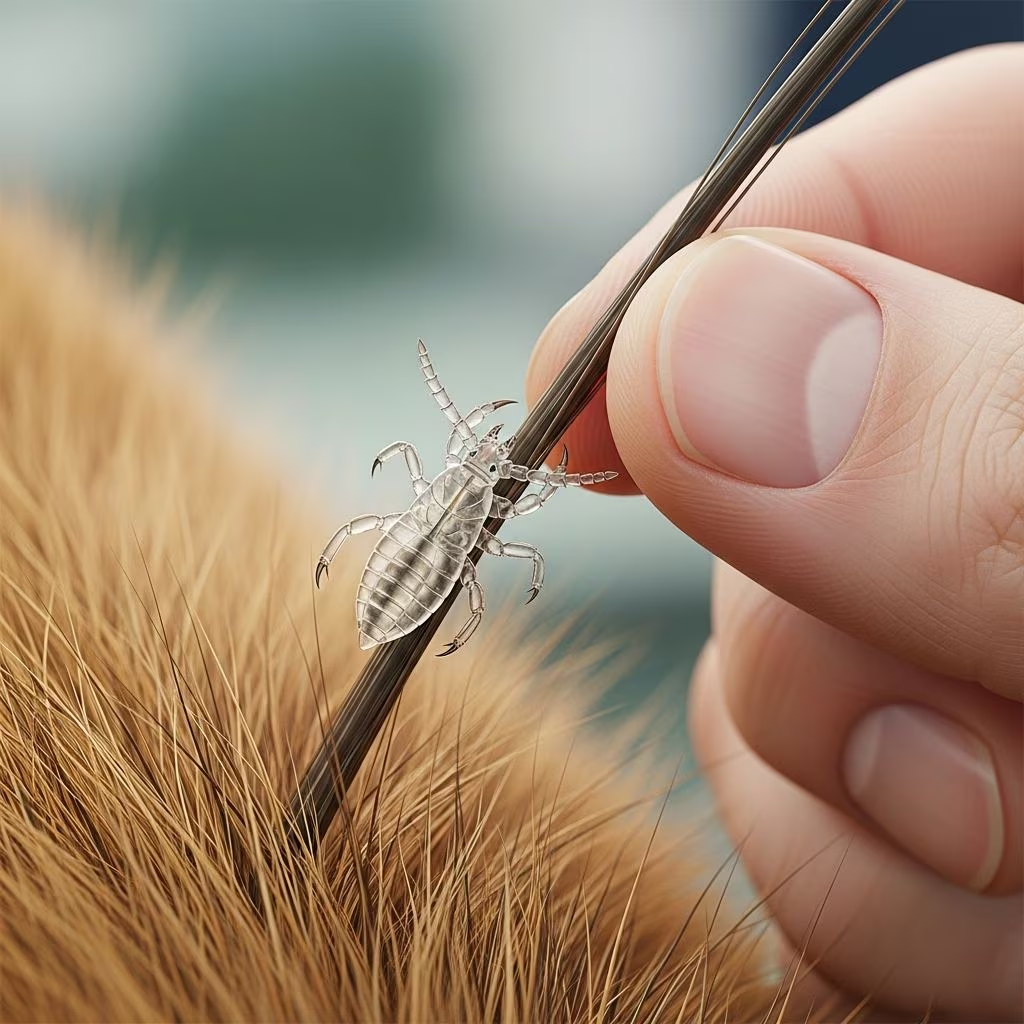
Dogs cannot contract lice from humans due to species-specific parasites that do not cross between hosts. Canine lice, such as Trichodectes canis (biting lice) and Linognathus setosus (sucking lice), thrive exclusively on dogs and require direct contact with infested canines for transmission.
Understanding the Biology of Dog Lice
Lice are wingless insects that complete their life cycle on the host, laying eggs (nits) attached to hair shafts. These parasites feed on skin debris or blood, causing irritation but rarely severe disease in healthy dogs. Unlike fleas, lice do not jump; they crawl from dog to dog during close contact like play or grooming. Human head lice (Pediculus humanus capitis) cannot survive on canine skin, as their anatomy and feeding habits are incompatible.
Infestations often occur in environments with poor hygiene, such as shelters, kennels, or homes with multiple pets. Puppies and senior dogs with weakened immunity are most vulnerable. While not zoonotic, distinguishing lice from similar pests like fleas is crucial for targeted treatment.
Spotting the Signs of Lice Infestation
Early detection prevents discomfort and secondary issues like skin infections. Common indicators include:
- Intense itching, leading to scratching, biting, or rubbing against surfaces.
- Visible adult lice (1-2 mm long, pale yellow to tan) or nits (white, oval eggs) on hair, especially at the base near ears, neck, back, or tail.
- Dull, dry coat with dandruff-like flakes (lice excrement).
- Hair loss in patches from excessive grooming.
- Restlessness or behavioral changes due to irritation.
Part the fur under bright light or use a magnifying glass for inspection. Nits resist removal and fluoresce under blacklight, aiding diagnosis. If symptoms mimic allergies or fleas, a vet exam confirms lice via skin scraping or tape test.
Veterinary Diagnosis: Confirming a Lice Problem
Consult a veterinarian promptly for accurate identification. Self-diagnosis risks misapplying treatments ineffective against lice. Vets perform:
- Visual exam: Combing with a fine-toothed flea comb to collect lice/nits.
- Microscopy: Examining specimens under a microscope for species confirmation.
- Skin tests: Ruling out mites, fungal infections, or allergies.
Diagnosis guides safe, effective therapy, avoiding over-the-counter products that may harm dogs.
Proven Treatment Strategies for Dog Lice
Treatment combines parasiticides, manual removal, and environmental cleaning. Most resolve within 1-2 weeks with follow-up.
Topical and Oral Medications
| Treatment | Type | Application | Effectiveness Notes |
|---|---|---|---|
| Selamectin (Revolution®) | Topical | One dose, repeat in 2-4 weeks | Highly effective; kills lice and prevents fleas |
| Fipronil (Frontline®) | Topical | Apply twice, 2-4 weeks apart | Broad-spectrum; safe for most dogs |
| Ivermectin | Oral/Injection | Two doses, 2 weeks apart | Use under vet supervision; breed-sensitive |
| Imidacloprid | Topical | Monthly for ongoing control | Flea products often treat lice too |
| Isoxazolines (e.g., fluralaner) | Oral | Single dose | Emerging efficacy against lice |
Clip matted fur before topicals for better penetration. Repeat treatments target hatching nymphs, as nits resist most drugs.
Supportive Home Care
Bathe dogs every 7-10 days with mild shampoo to dislodge debris, followed by flea combing twice daily. Dip combs in soapy water to drown lice. While not primary, some use diluted apple cider vinegar sprays (1:1 with water) as adjuncts, though evidence is anecdotal. Avoid essential oils, as they can irritate skin.
Environmental Decontamination Essentials
Lice survive off-host briefly but spread via fomites. Clean thoroughly:
- Wash bedding, collars, toys in hot water (>140°F/60°C); dry on high heat.
- Vacuum carpets, furniture; dispose of bag outdoors.
- Disinfect brushes/combs with alcohol or boil.
- Quarantine infested dogs until clear.
Eggs desiccate naturally; heat accelerates this.
Prevention: Keeping Lice at Bay Year-Round
Proactive measures minimize risk:
- Monthly preventatives: Fipronil, imidacloprid, selamectin, or isoxazolines control lice alongside fleas/ticks.
- Grooming routine: Weekly brushing distributes oils, removes eggs; focus on long-haired breeds.
- Hygiene: Regular baths with flea shampoo; clean living areas weekly.
- Avoidance: Limit contact with strays, crowded dog parks; quarantine new pets.
- Multi-pet homes: Treat all simultaneously.
Year-round protection suits indoor/outdoor dogs, especially in temperate climates.
Potential Complications and When to Worry
Untreated lice cause anemia in puppies, bacterial infections from scratching, or weight loss. Monitor for lethargy or pale gums—seek emergency care. Allergies may exacerbate symptoms; holistic checks ensure comprehensive health.
FAQs on Dog Lice Management
Can my dog get lice from cats? Rarely; cat lice differ, though shared environments risk fleas.
Is lice contagious to other pets? Yes, direct dog-to-dog contact spreads it quickly.
How long do treatments take? Visible improvement in 2-7 days; full clearance in 2-4 weeks with repeats.
Are over-the-counter shampoos enough? No; they may kill adults but miss eggs—vet products are superior.
Can lice survive winter? Yes, indoor infestations persist; consistent prevention is key.
Long-Term Health Strategies for Parasite-Free Dogs
Integrate lice prevention into wellness plans: annual fecal exams detect internal parasites, nutrition supports immunity. Breeds like Shih Tzus or Collies need extra grooming vigilance. Educate families—kids’ lice won’t transfer, but shared combs can harbor bacteria.
Partner with vets for tailored protocols, especially rescues. Consistent care ensures happy, itch-free companionship.
References
- Lice In Dogs: Symptoms, Treatment And Prevention — Kingsdale Animal Hospital. 2023. https://www.kingsdale.com/lice-in-dogs-symptoms-treatment-and-prevention
- Can Dogs Get Lice From Children? — Taconic Veterinary Center. 2023. https://taconicvet.com/blog/can-dogs-get-lice-from-children/
- Lice – Companion Animal Parasite Council — CAPC. 2024. https://capcvet.org/guidelines/lice/
- Tips and Tricks to Keeping your Dog Lice-Free — Charlotte Kennels. 2023-05-26. https://charlottekennels.com/2023/05/26/tips-and-tricks-to-keeping-your-dog-lice-free/
- Understanding Dog Lice | Treatment & Prevention — Lolahemp. 2024. https://lolahemp.com/blogs/dog-health/can-dogs-get-lice
- Lice of Dogs – Dog Owners — Merck Veterinary Manual. 2024. https://www.merckvetmanual.com/dog-owners/skin-disorders-of-dogs/lice-of-dogs



