

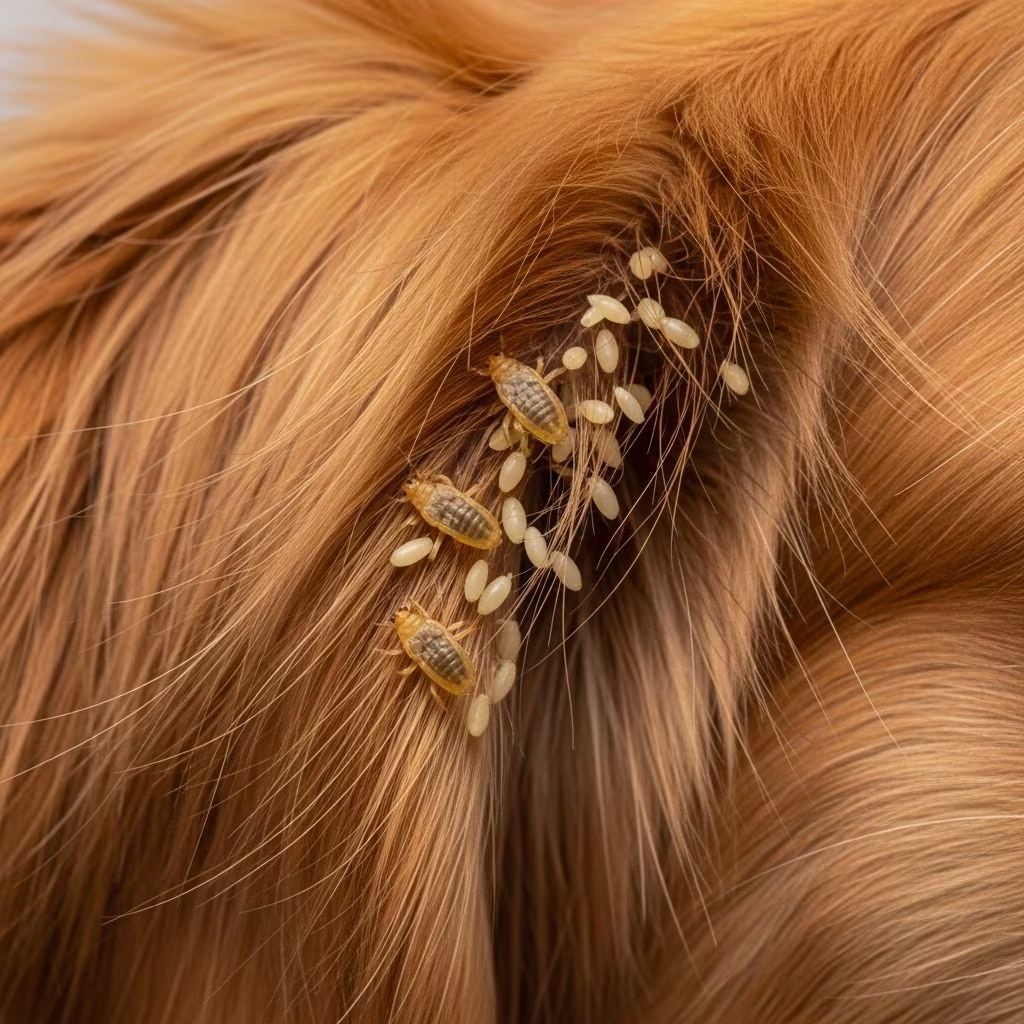
Dogs can become infested with lice, a parasitic condition that causes significant discomfort and irritation. Unlike the common misconception that lice primarily affect poorly maintained animals, any dog can encounter these parasites through contact with infected animals or contaminated environments. Understanding the nature of canine lice, recognizing early warning signs, and knowing effective intervention methods are essential for every dog owner.
Understanding Canine Louse Biology and Types
Lice that affect dogs are species-specific parasites that differ significantly from those that infest humans. These tiny insects belong to two primary categories: biting lice and sucking lice, each with distinct characteristics and behaviors. Canine lice have a relatively short lifecycle compared to other parasites, making rapid identification and treatment crucial for preventing widespread infestation.
The lifecycle of canine lice consists of multiple developmental stages. Adult lice lay eggs, commonly called nits, that attach firmly to individual hair shafts. These eggs hatch into nymphs, which mature into reproducing adults. Understanding this progression is vital because treatment efficacy often depends on targeting multiple life stages over an extended period.
Identifying Lice Infestation in Your Dog
Early detection of lice infestation can significantly reduce treatment complexity and duration. Dog owners should monitor their pets for several telltale signs that may indicate parasitic infection:
- Persistent scratching, particularly on the neck, head, and rear regions
- Visible hair loss or patches of missing fur
- Matted or tangled coat texture that appears unkempt despite regular grooming
- Small tan or gray insects visible on the skin or within the fur
- Tiny white or yellowish egg casings attached to hair strands
- Skin redness, inflammation, or secondary bacterial infections from excessive scratching
- Behavioral changes including restlessness or sleep disturbance
A thorough physical examination remains the most reliable diagnostic method. Part the fur in multiple locations and inspect the skin carefully under adequate lighting. Using a fine-toothed flea comb can help capture adult lice and nits for closer inspection. Veterinary professionals can confirm suspected infestations through microscopic examination of collected specimens.
Circumstances That Increase Infestation Risk
While lice can affect any dog, certain conditions create environments where parasitic infestations become more likely. Dogs in poor health, those with compromised immune systems, or animals maintained in unsanitary living conditions face elevated risk. Additionally, contact with infected animals at grooming facilities, dog parks, boarding establishments, or community shelters significantly increases exposure probability.
Nutritional deficiencies and inadequate grooming practices weaken a dog’s natural defense mechanisms, making parasitic establishment easier. Matted or severely neglected coats provide ideal hiding places for lice to proliferate undisturbed. Senior dogs and puppies with underdeveloped immune systems also demonstrate higher susceptibility to infestations.
Pharmaceutical Treatment Approaches
Modern veterinary medicine offers multiple effective medication options for eliminating canine lice. These treatments work through different mechanisms and application methods, allowing veterinarians to select options tailored to individual patient needs.
| Treatment Type | Application Method | Effectiveness | Repeat Schedule |
|---|---|---|---|
| Selamectin (Revolution®) | Topical application | Highly effective with single dose | Second application 2-4 weeks later |
| Fipronil (Frontline®) | Topical application | Broad-spectrum effectiveness | Two applications 2-4 weeks apart |
| Ivermectin | Oral or injection | Very effective | Two doses separated by 2 weeks |
| Lime Sulphur Dips | Full body immersion | Highly effective | Two applications 2 weeks apart |
| Permethrin (topical) | Topical application | Good effect | As veterinarian recommends |
| Insecticidal Collars (Seresto®) | Wearable device | Extended protection | Worn continuously |
Many of these medications are also formulated to prevent flea infestations, providing dual protection against multiple parasites. Newer isoxazoline-class drugs demonstrate promise in treating both established infestations and providing preventive protection.
Importance of Repeated Treatment Cycles
A critical aspect of successful lice elimination involves understanding why single treatments often fail. Most pharmaceutical interventions effectively kill adult lice and nymphs but have limited impact on eggs. Since lice eggs continue to hatch over two to three weeks, repeated treatments at seven to ten-day intervals ensure newly emerged parasites are eliminated before reaching reproductive maturity.
Veterinarians typically recommend maintaining treatment protocols for a minimum of one month to ensure complete eradication. Skipping scheduled repeat treatments allows surviving or newly hatched parasites to repopulate, essentially restarting the infestation cycle.
Addressing Severe Coat Conditions
Dogs with severely matted hair require special handling during lice treatment. Parasites and their eggs embed deeply in tangled fur, making topical medications less effective. Clipping away matted sections allows medications to contact the skin directly and increases treatment efficacy significantly.
After initial hair removal, veterinarians often recommend using fine-toothed flea combs to mechanically remove remaining adult lice and nits from the accessible coat. While combing alone cannot eliminate the infestation, it provides supplementary benefit when combined with pharmaceutical treatments. Properly disinfect combs between uses by immersing them in insecticidal solutions for at least ten minutes.
Environmental Decontamination Protocols
Successful lice elimination requires addressing not only the dog but also contaminated surroundings. Parasites and eggs present on bedding, grooming implements, and living spaces can contribute to reinfestation cycles. Comprehensive environmental management includes:
- Washing all dog bedding in hot water and high-heat dryers to destroy eggs and parasites
- Disinfecting or replacing grooming tools such as brushes, combs, and clippers
- Thoroughly cleaning collars, leashes, and any wearable items
- Vacuuming and cleaning all areas where infected dogs spend time
- Using environmental sprays specifically designed for parasite control in pet living spaces
- High heat conditions (such as clothes dryers) accelerate egg destruction through desiccation
Maintaining isolation between treated and untreated animals for at least four weeks prevents cross-contamination. Lice dropped from treated dogs remain viable for several days, creating reinfestation risk if exposure occurs prematurely.
Multi-Pet Household Considerations
Homes with multiple dogs require special attention during lice treatment. Even animals showing no visible symptoms should receive preventive treatment if they have contacted an infested dog. Lice can spread rapidly between compatible hosts, and asymptomatic carriers may harbor early-stage infestations.
Treating only visibly affected animals while neglecting others often leads to treatment failure. Implement simultaneous treatment protocols across all dogs in the household to prevent recirculation of parasites between pets.
Long-Term Prevention Strategies
Monthly broad-spectrum antiparasitic medications significantly reduce lice infestation risk. Many flea preventive products simultaneously protect against lice, providing dual-parasite coverage with single applications. These preventive medications work by maintaining therapeutic drug levels that eliminate parasites before populations establish.
Regular grooming practices contribute substantially to lice prevention. Frequent brushing and inspection allow early detection of parasitic infestations before they become severe. Maintaining clean, hygienic living environments and limiting exposure to potentially infected animals in communal settings reduces exposure probability.
Veterinary Guidance and Safety Considerations
Certain lice treatments, particularly those effective for dogs, present toxicity risks for cats. Multi-pet households containing both species require veterinary guidance to select products safe for all animals. Additionally, individual dog health status, breed predispositions, and age affect medication suitability.
Consulting veterinary professionals before beginning any treatment regimen ensures appropriate product selection and correct application protocols. Veterinarians can provide specific recommendations tailored to your dog’s unique circumstances and medical history.
Improving Overall Dog Health to Reduce Susceptibility
Dogs in excellent health demonstrate greater natural resistance to parasitic infestations. Providing high-quality nutrition, maintaining regular exercise routines, and ensuring adequate grooming creates conditions less favorable for parasite establishment. Dogs receiving proper care and maintained in sanitary environments experience fewer lice problems regardless of occasional exposure.
Senior dogs and those with chronic health conditions may require enhanced prevention strategies. Veterinarians can recommend specialized parasite prevention protocols for dogs with health challenges or compromised immune function.
Frequently Asked Questions
Can dogs transmit lice to humans?
Canine lice are species-specific parasites that do not infest humans. While dogs can transfer other parasites to people, lice transmission between dogs and humans does not occur.
How long does lice treatment typically require?
Most lice infestations require one month or longer of treatment to ensure complete elimination of all life stages. This timeframe includes multiple applications of pharmaceutical treatments spaced seven to fourteen days apart.
Are natural or homemade lice remedies effective?
While some natural products may provide temporary relief, veterinary-approved pharmaceutical treatments demonstrate superior efficacy for complete parasite elimination. Consult veterinarians before attempting any home remedies.
What signs indicate successful treatment completion?
Reduced scratching, coat improvement, and absence of visible parasites or eggs after completing the full treatment protocol indicate successful elimination. Continued daily inspection for two weeks post-treatment confirms complete eradication.
References
- Lice of Dogs – Dog Owners — Merck Veterinary Manual. Merck Sharp & Dohme Corp. https://www.merckvetmanual.com/dog-owners/skin-disorders-of-dogs/lice-of-dogs
- Lice – Companion Animal Parasite Council — Companion Animal Parasite Council. CAPC. https://capcvet.org/guidelines/lice/
- Lice on Dogs: Signs, Symptoms, Treatments — American Kennel Club. AKC Canine Health Foundation. https://www.akc.org/expert-advice/health/lice-on-dogs/
- Can Dogs Get Lice? Everything Pet Parents Should Know — PetMD Editorial. 2024. https://www.petmd.com/dog/condition/skin-hair/dog-lice
- Lice In Dogs: Symptoms, Treatment And Prevention — Kingsdale Veterinary Hospital. 2024. https://www.kingsdale.com/lice-in-dogs-symptoms-treatment-and-prevention
- What To Do if Your Dog has Lice: Treatment and Prevention — Elanco Animal Health. 2024. https://mypetandi.elanco.com/nz/parasites/lice/can-dogs-get-lice
- An Itch You Can’t Scratch: What to Do About Lice in Pets — Lone Tree Veterinary Hospital. 2024. https://www.lonetreevet.com/blog/what-to-do-about-lice-in-pets/



