

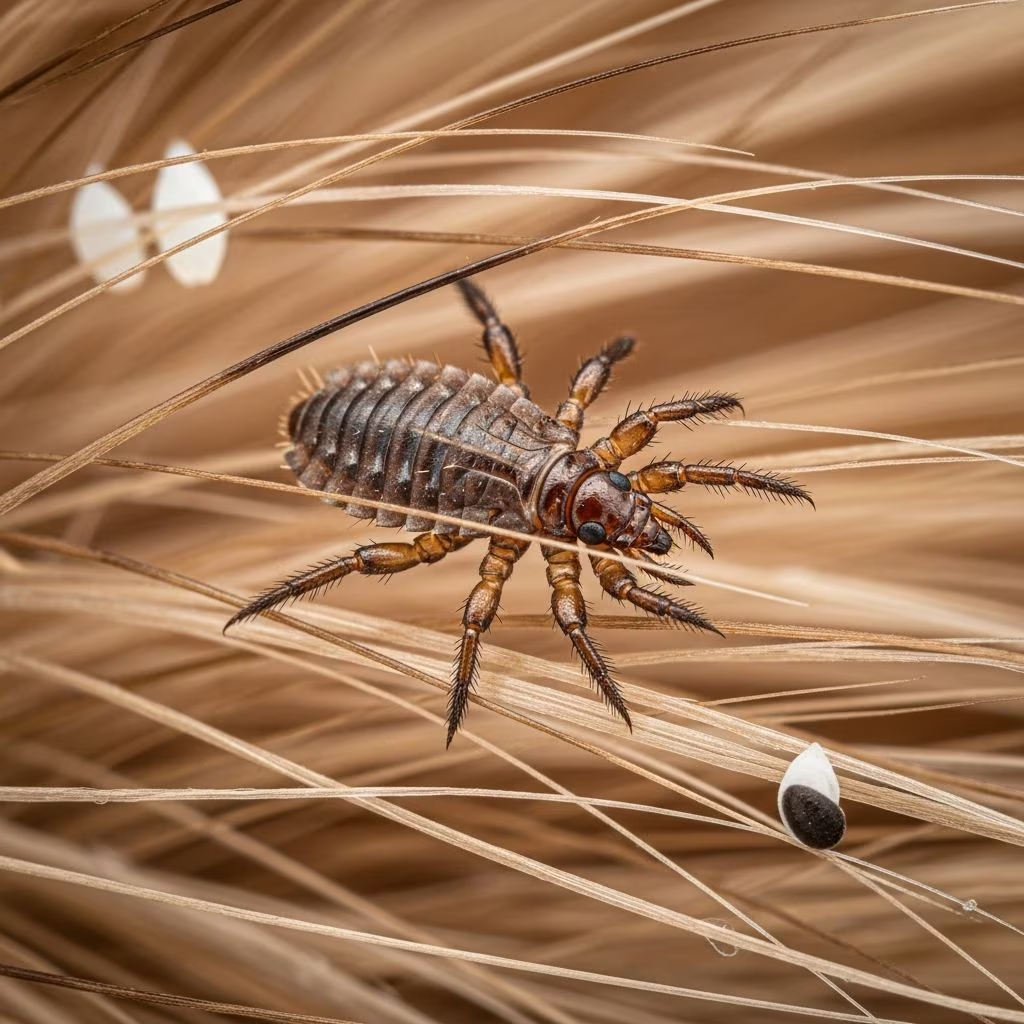
Parasitic infections are a common concern for dog owners, and lice represent one of the less discussed but nonetheless important conditions that can affect canine health. Unlike some parasitic problems that have become less prevalent due to modern preventative medications, lice infestations in dogs continue to occur and deserve proper understanding. Many pet owners may wonder whether dogs can contract lice similarly to how humans experience head lice, and the answer involves important distinctions about species-specific parasites and transmission routes.
Species-Specific Parasites and Cross-Infection Risks
One of the most reassuring facts for dog owners is that dogs cannot contract lice from human family members. This fundamental distinction exists because lice are species-specific parasites, meaning each type of louse has evolved to infest particular host animals. The lice that affect humans are biologically incompatible with canine hosts, so direct transmission from an infected person to a dog is impossible from a biological standpoint.
However, dogs can absolutely acquire lice from other dogs. This species-specific transmission means that contact with infected canines presents the primary transmission route. Dogs in close proximity to infested animals, particularly in environments where multiple dogs gather, face increased vulnerability. Common settings where such transmission occurs include dog parks, boarding facilities, doggy daycares, grooming salons, and shelters where sanitation protocols may vary.
Recognizing the Warning Signs of Infestation
Identifying lice infestation in dogs requires familiarity with the characteristic symptoms that typically manifest. The most obvious indicator is behavioral change related to discomfort.
Physical and behavioral symptoms include:
- Persistent scratching and biting at the skin, often described as intense and constant
- Visible restlessness or agitation, particularly when lying down or during rest periods
- Localized hair loss concentrated in specific body regions, with the neck, ears, and tail base being particularly susceptible areas
- Development of crusts, scabs, or open sores resulting from the dog’s scratching
- Potential matting of fur in severely infected areas
- General irritability or mood changes beyond the dog’s normal behavior
The severity of symptoms can vary depending on the degree of infestation and the individual dog’s immune response. Some dogs may show mild symptoms initially, while others display more pronounced reactions. Early detection through observation of these signs is crucial because untreated infestations can worsen and lead to secondary skin infections from constant scratching.
Understanding the Lice Life Cycle
Comprehending how lice develop and reproduce helps explain why treatment requires attention to timing. Lice progress through distinct developmental stages: eggs, nymphs, and adult lice. The adult female louse reproduces by laying eggs, known as nits, which attach firmly to hair shafts using a sticky substance. These nits hatch into nymphs, which gradually mature into reproducing adults.
This life cycle has important implications for treatment effectiveness. Many medications successfully kill adult lice and nymphs but prove ineffective against eggs. Consequently, veterinarians often recommend repeated treatments at specific intervals to target newly hatched nymphs before they mature into egg-producing adults. Treatment intervals typically span one week, though individual cases may require different protocols based on the infestation severity and medication type used.
Professional Diagnosis and Assessment
Accurate diagnosis requires veterinary examination combining clinical observation with microscopic confirmation. Veterinarians look for the parasites themselves or their characteristic eggs during examination. This professional assessment ensures proper identification, as other skin conditions can produce similar symptoms like itching and hair loss.
Attempting self-diagnosis based solely on visible scratching risks misidentification and inappropriate treatment. A veterinarian can distinguish lice infestations from allergies, fungal infections, or mite-related conditions, ensuring the most appropriate therapeutic approach. Professional diagnosis also accounts for the individual dog’s health status, age, and any existing medical conditions that might influence treatment selection.
Treatment Approaches and Medication Options
The encouraging news for affected dog owners is that lice respond well to available treatments, with numerous effective options available through veterinary channels.
Effective pharmaceutical treatments include:
- Fipronil: A widely used insecticide effective against lice and commonly found in flea prevention products
- Imidacloprid: Often combined with other active ingredients in topical formulations
- Selamectin: Another effective option available in topical form
- Topical permethrin: Applied directly to the dog’s coat with good efficacy
- Flumethrin/imidacloprid combination: A potent topical treatment option
- Isoxazoline class medications: Newer options like afoxolaner and fluralaner showing promise for lice treatment
Beyond these pharmaceutical options, bathing with medicated anti-parasitic shampoos containing active ingredients like tea tree oil can provide supplementary treatment. These shampoos must remain in contact with the coat for adequate time, typically three to five minutes, to maximize effectiveness.
For severe cases involving significant matting, veterinarians may recommend clipping affected areas since lice and eggs become deeply embedded in matted hair, making them difficult to reach with topical treatments. Following medication application, using a flea comb helps remove dead lice and debris, though combs should be disinfected in insecticidal solution for at least ten minutes after each use.
The Importance of Environmental Sanitation
Treating only the dog while neglecting environmental disinfection significantly increases reinfection risk. Lice eggs can persist on bedding, grooming implements, and other surfaces the dog contacts.
Comprehensive sanitation includes:
- Washing all bedding, blankets, and cushions in hot water and detergent every one to two weeks
- Cleaning dog sweaters, leashes, and collars in hot water
- Disinfecting or replacing grooming tools, as nits stick firmly and prove difficult to remove from brushes and combs
- Thoroughly cleaning areas where the dog spends significant time
- Considering replacement of highly porous items that cannot be adequately sanitized
Eggs and other parasite stages gradually die through desiccation, which can be accelerated in hot, dry conditions. Using a clothes dryer on high heat for contaminated textiles helps eliminate parasites more rapidly.
Prevention Strategies for Long-Term Protection
While treatment addresses existing infestations, prevention focuses on avoiding problems before they develop. A multi-faceted approach combines hygiene practices, environmental management, and strategic medication use.
Preventative measures encompass:
- Regular bathing and grooming every three to four weeks, or more frequently for long-haired dogs
- Frequent brushing to detect parasites before populations expand
- Maintaining good overall hygiene and sanitary living conditions
- Avoiding contact with stray or visibly infested animals, particularly in congregate settings
- Careful selection of boarding facilities and daycares with strong hygiene protocols
- Monthly flea and tick preventatives that also provide lice protection,
Monthly parasite control medications represent particularly effective prevention because many formulations developed for flea control simultaneously protect against lice, . This dual benefit makes consistent preventative treatment especially valuable for dogs at higher risk.
General Health Maintenance as Prevention
Beyond direct preventative products, overall health status influences susceptibility. Dogs in poor nutritional condition or living in substandard environments show greater vulnerability to lice infestation. Conversely, well-nourished dogs receiving regular grooming and living in clean housing demonstrate natural resistance to parasitic infection. This connection underscores how comprehensive pet care contributes to parasite prevention.
Treatment Duration and Timeline Expectations
Patience becomes necessary when treating lice because complete elimination requires adequate time. With appropriate treatment, infestation control typically occurs within one to two weeks. However, completely eliminating all parasites at every life stage may require treatment continuation for at least four weeks to ensure all newly hatched nymphs are eliminated before reaching reproductive maturity.
The specific timeline depends on multiple factors including medication type, infestation severity, environmental sanitation compliance, and individual dog response. Veterinarians provide specific guidance based on the particular situation and medication selected.
Multi-Pet Household Considerations
Households with multiple dogs require special attention because lice readily transmit between canine housemates. All dogs in the home should receive treatment even if only one displays visible symptoms. Additionally, cat owners must exercise caution with certain canine lice treatments, as many insecticides prove toxic to felines. Veterinarians must know about all household pets to recommend safe medication choices.
Frequently Asked Questions
Can humans catch lice from infected dogs?
No. Canine lice are species-specific and cannot infect humans. The parasites have evolved specifically for dog hosts and lack the biological capability to survive on human skin.
How quickly do lice spread between dogs?
Transmission occurs through direct contact between infested and uninfected dogs. In high-contact environments like dog parks or boarding facilities, spread can occur relatively rapidly. Quarantine of infected dogs prevents transmission to other pets.
Are lice infestations life-threatening?
While lice themselves are primarily a nuisance, severe infestations causing constant scratching can lead to secondary skin infections and discomfort. Proper treatment addresses these concerns effectively.
Can lice develop resistance to treatments?
The numerous effective treatment options available suggest resistance remains uncommon. However, veterinarians should be consulted if a treatment appears ineffective after appropriate application.
Do all flea prevention products also prevent lice?
Many do, but not all. Monthly flea preventatives using fipronil, imidacloprid, selamectin, or isoxazolines typically provide lice protection. Pet owners should verify with their veterinarian that their chosen product covers lice before relying on it for dual protection.
When to Consult Your Veterinarian
Professional guidance becomes essential when symptoms suggest possible infestation or when over-the-counter treatments fail to produce improvement. Veterinarians provide accurate diagnosis, ensure appropriate medication selection for individual dogs, monitor treatment effectiveness, and adjust protocols as needed. Early professional intervention typically leads to faster resolution and prevents complications.
Understanding canine lice empowers dog owners to respond effectively should their pets become infested. While uncomfortable for affected animals, lice infestations respond readily to proper treatment combined with thorough environmental sanitation. Prevention through regular grooming, careful parasite control, and environmental management offers the most reliable approach to keeping dogs lice-free and comfortable throughout their lives.
References
- Can Dogs Get Lice From Children? — Taconic Veterinary Center. https://taconicvet.com/blog/can-dogs-get-lice-from-children/
- Lice — Companion Animal Parasite Council. https://capcvet.org/guidelines/lice/
- Lice in Dogs: Symptoms, Treatment, and Prevention — Artero. https://artero.com/uk/petcare/blog/post/Lice-in-dogs
- Lice on Dogs: Signs, Symptoms, Treatments — American Kennel Club. https://www.akc.org/expert-advice/health/lice-on-dogs/
- Can Dogs Get Lice? — Your Pet and You – Elanco. https://yourpetandyou.elanco.com/us/parasites/lice/can-dogs-get-lice
- An Itch You Can’t Scratch: What to Do About Lice in Pets — Lone Tree Veterinary Clinic. https://www.lonetreevet.com/blog/what-to-do-about-lice-in-pets/
- Lice of Dogs – Dog Owners — Merck Veterinary Manual. https://www.merckvetmanual.com/dog-owners/skin-disorders-of-dogs/lice-of-dogs
- Lice — Animal Medical Hospital. https://www.vet.bc.ca/lice.pml



