
Canine Leptospirosis Vaccine: Protection Guide
Comprehensive guide to protecting your dog from leptospirosis through vaccination.
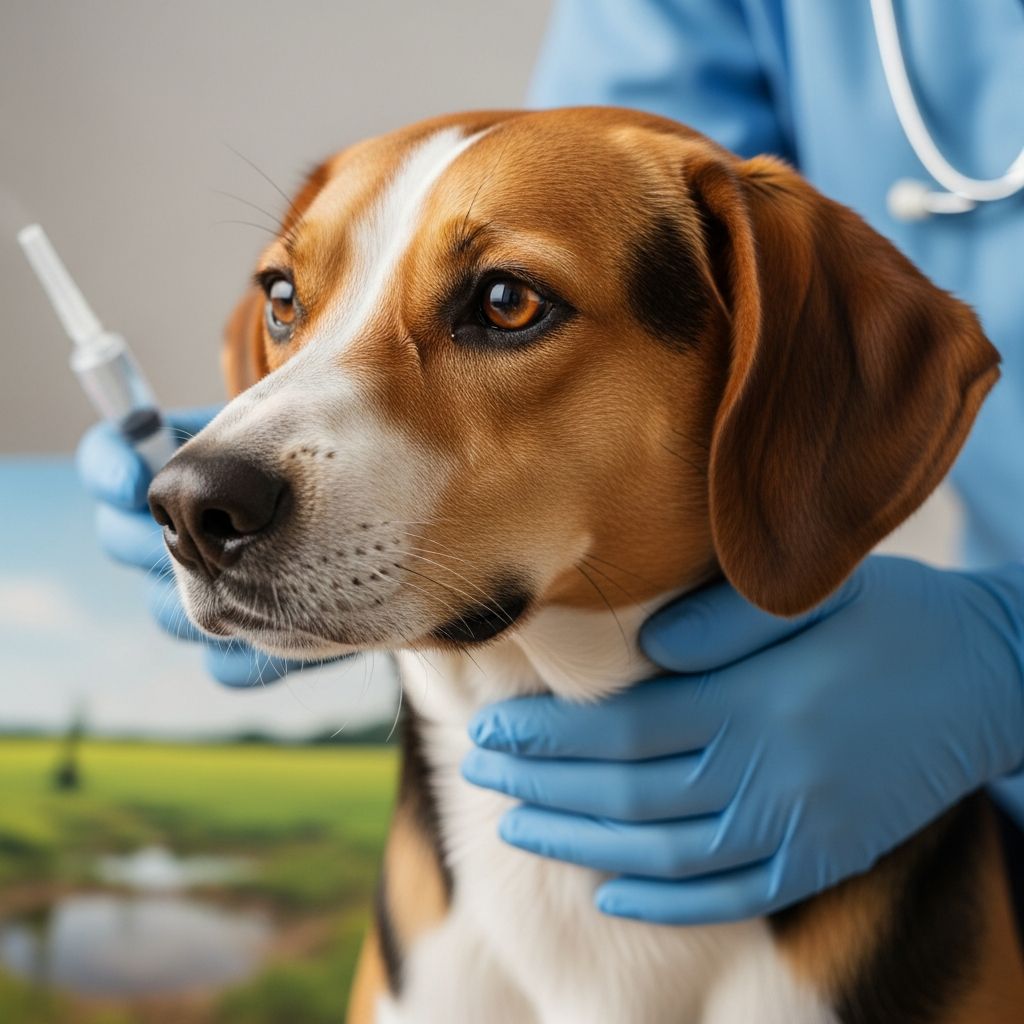
Understanding Canine Leptospirosis Vaccination
Leptospirosis is a serious bacterial disease that affects dogs worldwide and poses significant risks to both canine and human health. The disease is caused by the bacterium Leptospira and is transmitted through infected urine, contaminated water, and contact with infected wildlife. Fortunately, vaccination has become one of the most effective tools in preventing this potentially life-threatening condition in dogs. Understanding how these vaccines work, their effectiveness, and proper vaccination protocols is essential for responsible dog ownership.
What Are Leptospirosis Vaccines?
Modern canine leptospirosis vaccines are inactivated bacterins that have undergone significant refinement over the years to enhance safety and efficacy. These vaccines contain killed Leptospira bacteria designed to stimulate the dog’s immune system without causing active infection. The development of these vaccines has marked a major breakthrough in canine preventive medicine, offering dog owners a reliable way to protect their pets from this serious disease.
The most commonly used vaccines today are quadrivalent formulations, containing four different serovars of Leptospira. Specifically, these vaccines typically include serovars Canicola, Icterohaemorrhagiae, Grippotyphosa, and Pomona. The quadrivalent vaccines became available in North America in 2001 and have since become the standard of care for leptospirosis prevention. Some regions may still use bivalent vaccines containing only Icterohaemorrhagiae and Canicola serovars, though quadrivalent protection is generally preferred for more comprehensive coverage.
Vaccine Effectiveness and Duration of Immunity
The effectiveness of current canine leptospirosis vaccines has been well-documented through both experimental and real-world observations. In controlled challenge studies, leptospiral vaccines effectively prevent disease and reduce bacterial shedding after exposure to the included serovars. However, it is important to note that the controlled conditions of experimental studies do not always perfectly mirror natural exposure situations, so prevention claims should be interpreted thoughtfully.
One of the most significant pieces of evidence supporting vaccine effectiveness comes from epidemiological patterns: leptospirosis is now almost exclusively diagnosed in unvaccinated dogs or those receiving inadequate protection. A retrospective case-control study examining acute kidney injury in 469 dogs from Switzerland demonstrated that vaccination with quadrivalent vaccines containing serovars from serogroups Icterohaemorrhagiae, Canicola, Grippotyphosa, and Australis was associated with significantly lower odds of leptospirosis diagnosis. This real-world evidence strongly supports the protective value of modern vaccines.
Duration of Protection
The duration of immunity following leptospirosis vaccination is an important consideration for establishing appropriate revaccination schedules. Current evidence indicates that protection lasts at least 12 months, with some studies demonstrating protection extending to 15 months following vaccination. However, evidence supporting protection beyond 12-15 months is limited, which is why annual revaccination has become the standard recommendation. For dogs that have not received revaccination for more than 18 months, veterinarians recommend restarting a basic vaccination schedule with two doses administered 3-4 weeks apart to restore adequate immunity.
Vaccine Coverage and Serovar Considerations
Not all leptospirosis vaccines provide equal protection, which is an important distinction for dog owners and veterinarians. Bivalent vaccines containing only Icterohaemorrhagiae and Canicola serovars have significant limitations and do not adequately cross-protect against serogroups responsible for most infections in contemporary dog populations. Cases of leptospirosis have been reported in dogs vaccinated with these limited bivalent vaccines, demonstrating that outdated formulations cannot provide sufficient protection against emerging strains.
The evolution toward quadrivalent vaccines represents a significant improvement in protection strategies. By including four different serovars, these vaccines address the most common causes of canine leptospirosis and provide broader immunity. Recent epidemiological data from Europe has identified Grippotyphosa and Australis strains as increasingly common causes of disease, which is why their inclusion in modern quadrivalent formulations is crucial for comprehensive protection.
Safety Profile of Leptospirosis Vaccines
Historical Safety Concerns and Modern Improvements
In the past, leptospirosis vaccines were associated with type I hypersensitivity reactions, including anaphylaxis, particularly in small-breed dogs. These adverse reactions were a significant concern that limited vaccination uptake in some populations. However, the safety profile of modern leptospirosis vaccines has improved dramatically. Industry efforts to remove residual cell culture constituents such as bovine proteins have substantially reduced the prevalence of these reactions.
Anecdotal evidence from veterinary practitioners and manufacturers in North America suggests that the incidence of serious adverse reactions has decreased to less than 1%, with the majority of reported reactions being local reactions at the injection site rather than systemic anaphylaxis. This represents a remarkable improvement from the historical safety profile and has made leptospirosis vaccination much more accessible for dogs of all sizes and breeds.
Current Adverse Event Data
Modern regulatory oversight has established robust systems for monitoring vaccine safety. According to regulatory authorities, the overall incidence of suspected adverse reactions to leptospirosis vaccines is considered rare. Current data indicates approximately 0.016% adverse event incidence for bivalent vaccines and 0.045% for quadrivalent vaccines, translating to fewer than 2 adverse events per 10,000 doses for bivalent formulations and fewer than 5 per 10,000 doses for quadrivalent formulations. These statistics include all reported suspected adverse events, even those later determined to be unrelated to vaccination, providing a conservative and comprehensive safety assessment.
The vast majority of reactions, when they do occur, are minor and local in nature. The risk-benefit analysis strongly favors vaccination, as the serious health consequences of leptospirosis infection far outweigh the minimal risk of vaccine-related adverse effects. This is why veterinary associations classify leptospirosis vaccination as a core vaccine recommended for all dogs.
Vaccination Schedule and Protocol
Initial Vaccination Series
Establishing proper immunity requires an initial vaccination protocol specifically designed for this inactivated vaccine. Puppies and previously unvaccinated adult dogs require an initial series of two doses administered 3-4 weeks apart. This two-dose protocol is necessary because inactivated vaccines such as leptospirosis bacterins require this schedule to generate optimal immune response. The spacing between doses allows the immune system to develop robust and lasting protection.
Booster Vaccination Requirements
Following completion of the initial vaccination series, annual booster vaccinations are essential to maintain immunity. Unlike some core vaccines that provide multi-year protection, leptospirosis vaccines induce only short-lived immunity due to the nature of inactivated bacterin vaccines. The immune memory for leptospirosis vaccines persists for months rather than years, necessitating yearly booster vaccinations in adult dogs to retain protective efficacy.
Annual leptospirosis boosters offer an important opportunity for comprehensive health assessment. These yearly veterinary visits allow for full physical examinations where age-related health concerns can be identified early, and comprehensive health discussions can take place between veterinarians and dog owners. This preventive health approach extends beyond vaccination to encompass overall wellness monitoring.
Prevention Strategies Beyond Vaccination
While vaccination is the cornerstone of leptospirosis prevention, a comprehensive approach should include multiple protective measures. Dog owners can reduce their pet’s exposure to Leptospira bacteria through several practical strategies:
- Limit access to standing water, including puddles, ponds, and stagnant water sources where infected wildlife may have urinated
- Prevent rodent problems through proper sanitation and pest control, as rodents serve as disease reservoirs
- Avoid contact with wildlife and discourage scavenging behaviors
- Maintain annual vaccination status as the primary protective measure
These environmental management strategies work synergistically with vaccination to provide layered protection against leptospirosis exposure.
Understanding Leptospirosis Severity and Treatment
Leptospirosis is a serious disease with significant morbidity and mortality potential. While early treatment with antibiotics is the standard approach, the disease often involves serious complications affecting multiple organ systems. Dogs diagnosed with leptospirosis typically require a minimum 14-day course of antibiotics, but this is rarely the only treatment required. The disease frequently causes hepatic and renal involvement, leading to acute kidney injury and liver disease that necessitate intensive supportive care and monitoring.
Many cases of leptospirosis require hospitalization, intravenous fluid therapy, and supportive care to manage organ failure and metabolic complications. The severity of leptospirosis underscores why prevention through vaccination is so critically important—preventing the disease is far preferable to treating the serious complications that develop after infection.
Frequently Asked Questions
Q: How often should my dog receive the leptospirosis vaccine?
A: Dogs should receive the leptospirosis vaccine annually after completing the initial two-dose series given 3-4 weeks apart. Annual boosters are necessary because the vaccine provides protection for approximately 12-15 months.
Q: Is the leptospirosis vaccine safe for small dogs?
A: Yes, modern leptospirosis vaccines are safe for dogs of all sizes. The improved formulations have greatly reduced adverse reactions, with serious reactions occurring in fewer than 1% of vaccinated dogs, primarily affecting very small individuals.
Q: What is the difference between bivalent and quadrivalent leptospirosis vaccines?
A: Bivalent vaccines contain two serovars (Icterohaemorrhagiae and Canicola), while quadrivalent vaccines contain four serovars (Canicola, Icterohaemorrhagiae, Grippotyphosa, and Pomona). Quadrivalent vaccines provide broader protection against more serovars responsible for contemporary leptospirosis cases.
Q: Can vaccinated dogs still get leptospirosis?
A: While rare, vaccinated dogs can develop leptospirosis if exposed to serovars not included in their vaccine formulation or in cases of vaccine failure. However, leptospirosis is now predominantly seen in unvaccinated dogs or those receiving inadequate protection.
Q: What should I do if my dog has a reaction to the leptospirosis vaccine?
A: Contact your veterinarian immediately if you observe any concerning symptoms following vaccination. While serious reactions are rare, prompt veterinary attention ensures appropriate management of any adverse events.
Q: Is leptospirosis a risk in my area?
A: Leptospirosis risk varies by geographic location and environment. Discuss regional disease prevalence with your veterinarian to determine appropriate vaccination protocols for your specific area.
Key Considerations for Dog Owners
Leptospirosis vaccination represents one of the most important preventive health measures available to dog owners. The disease poses risks to both canine and human health, making vaccination not just a personal decision but a public health consideration. Modern vaccines offer excellent safety profiles with minimal adverse reactions, while providing substantial protection against this serious disease.
Working closely with your veterinarian to maintain appropriate vaccination schedules, combined with environmental management strategies, provides comprehensive protection for your dog. Regular annual examinations associated with booster vaccinations ensure that your dog receives both disease prevention and ongoing health monitoring throughout their life.
References
- Vaccination Overview: Leptospirosis — Today’s Veterinary Practice. 2024. https://todaysveterinarypractice.com/preventive-medicine/vaccination-overview-leptospirosis/
- Leptospirosis Vaccine: A Silent Killer? — Veterinary Voices. 2023. https://www.vetvoices.co.uk/post/leptospirosis-vaccine-a-silent-killer
- Recent Advances in Canine Leptospirosis: Focus on Vaccine — National Center for Biotechnology Information (PMC6067773). 2018. https://pmc.ncbi.nlm.nih.gov/articles/PMC6067773/
- Canine Leptospirosis — Cornell University College of Veterinary Medicine, Riney Canine Health Center. November 2024. https://www.vet.cornell.edu/departments-centers-and-institutes/riney-canine-health-center/canine-health-topics/canine-leptospirosis
- Updated ACVIM Consensus Statement on Leptospirosis in Dogs — Journal of Veterinary Internal Medicine. 2023. https://onlinelibrary.wiley.com/doi/10.1111/jvim.16903
Similar Articles








Read full bio of medha deb




