

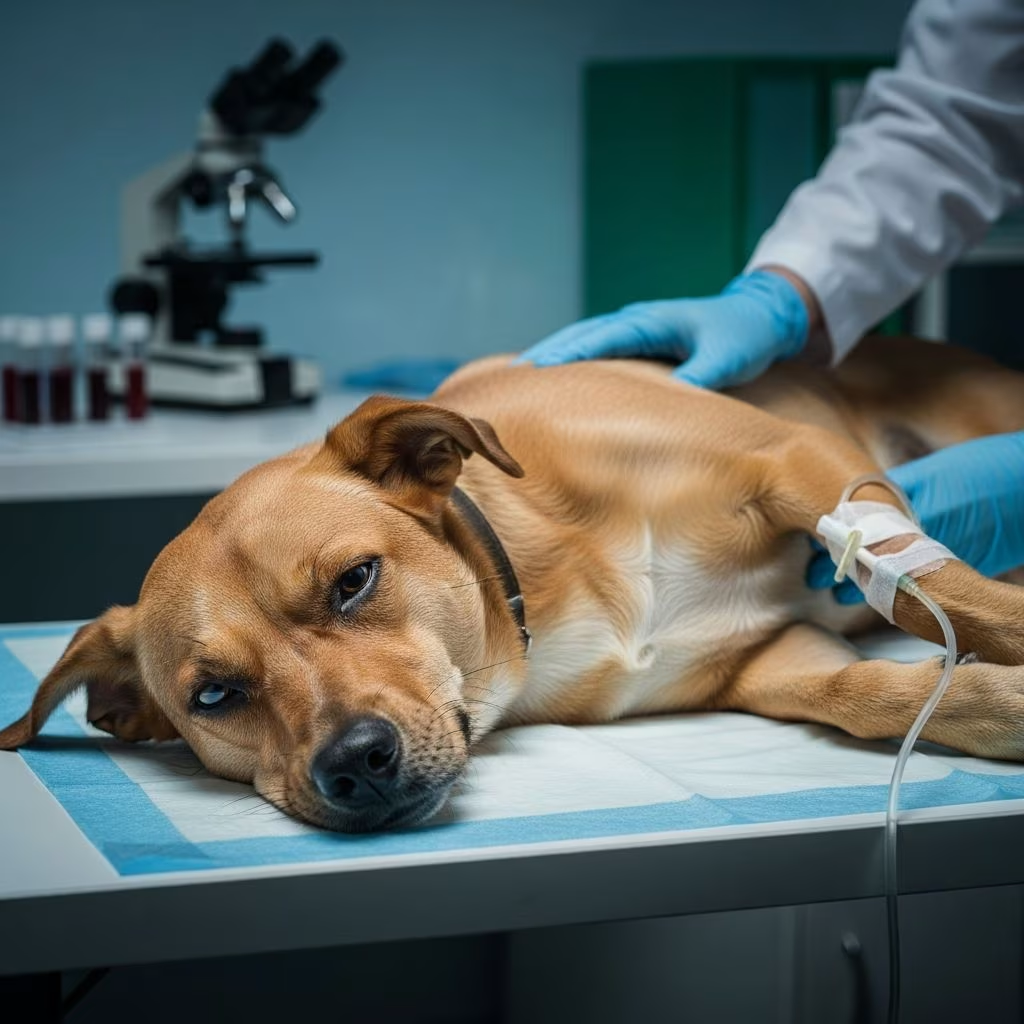
Leptospirosis represents one of the most serious infectious diseases affecting dogs across the United States and beyond. This bacterial infection can rapidly progress to life-threatening organ damage, making early recognition and intervention critical for your pet’s survival. Understanding the disease, its transmission pathways, clinical manifestations, and available protective measures empowers dog owners to make informed decisions about their companion’s health and safety.
Understanding the Disease and Its Bacterial Origins
Leptospirosis is caused by spiral-shaped bacteria belonging to the genus Leptospira, with multiple pathogenic species capable of infecting dogs. The most common causative agents in canine leptospirosis include Leptospira interrogans, Leptospira borgpetersenii, and Leptospira kirschneri. These organisms exist in various serovars, or strains, which vary geographically and influence both disease presentation and vaccine selection.
The bacteria survive best in warm, moist environments, particularly in standing water, soil, and areas exposed to animal urine. Understanding where these organisms thrive helps owners recognize high-risk situations and implement appropriate preventive strategies.
Routes of Infection: How Dogs Become Exposed
Dogs contract leptospirosis primarily through exposure to contaminated environmental sources rather than direct dog-to-dog transmission. The primary infection pathway involves mucous membrane contact with urine from infected animals. This contact typically occurs when dogs drink from or swim in contaminated water sources, inhale aerosol particles from infected urine, or consume food and bedding materials exposed to the bacteria.
Multiple wildlife species serve as natural reservoir hosts, maintaining the infection within their populations. Raccoons, skunks, opossums, and rodents represent particularly common sources of environmental contamination. Livestock including cattle and pigs also harbor the bacteria and shed it through urine. Dogs can become infected through direct contact with these animals or indirectly through exposure to contaminated environments they have frequented.
The breadth of potential exposure sources means that virtually any dog faces some degree of risk. Even dogs with limited outdoor access in urban settings can encounter contaminated water in puddles, parks, or residential backyards. Dogs that swim in lakes, rivers, or ponds face elevated exposure risk, as do dogs in rural settings with wildlife proximity.
Clinical Presentation: Recognizing Infection Symptoms
Infected dogs exhibit varying clinical presentations depending on disease severity, immune status, and the specific serovar involved. Early manifestations typically appear within the first week of exposure and include nonspecific systemic signs.
Initial symptoms commonly include:
- Elevated body temperature and fever
- Behavioral changes such as depression and lethargy
- Reduced appetite or complete anorexia
- Generalized muscle and joint pain
- Ocular and nasal discharge
- Alterations in urination frequency
As the infection progresses beyond the initial phase, dogs frequently develop gastrointestinal complications and signs of organ dysfunction. Vomiting becomes increasingly prevalent, and dogs may exhibit severe dehydration. Back pain from kidney involvement becomes apparent, reflecting the characteristic tropism of leptospires for renal tissue.
In some cases, dogs develop jaundice, evidenced by yellowing of the sclera, gums, and non-pigmented skin areas. This indicates hepatic involvement and bilirubin accumulation. The progression from early systemic signs to organ-specific manifestations can occur rapidly, sometimes within days, underscoring the need for immediate veterinary attention when leptospirosis is suspected.
Diagnostic Approaches: Confirming the Diagnosis
Veterinary diagnosis of leptospirosis requires integration of clinical history, physical examination findings, and specialized laboratory testing. Initial evaluation includes assessment of clinical signs consistent with the disease along with consideration of exposure history and geographic location.
Diagnostic testing utilizes multiple methodologies to establish or confirm leptospirosis. Serologic testing detects antibodies produced by the immune system in response to infection, indicating exposure and immune response development. Polymerase chain reaction (PCR) testing identifies bacterial DNA in blood, urine, or other body fluids, providing direct evidence of active infection.
Complete diagnostic workup ideally incorporates both serologic and PCR methodologies to maximize diagnostic accuracy. Blood work reveals characteristic abnormalities including elevated liver enzymes, increased blood urea nitrogen, elevated creatinine, and electrolyte disturbances. Urinalysis may demonstrate proteinuria, cellular casts, and other evidence of renal involvement. Imaging studies such as abdominal ultrasound help assess organ damage and guide supportive care decisions.
Treatment Strategies: Antimicrobial Therapy and Supportive Care
Effective management of leptospirosis requires both specific antimicrobial therapy targeting the bacterial infection and comprehensive organ-system supportive care addressing damage already sustained. Treatment should not be delayed while awaiting diagnostic confirmation, as the infection’s rapidly progressive nature demands immediate intervention.
Antimicrobial selection and dosing: Doxycycline represents the primary antimicrobial therapy for canine leptospirosis. The standard treatment protocol involves oral doxycycline at a dosage of 5 milligrams per kilogram of body weight administered every 12 hours for two weeks. This extended course targets both the acute bacteremic phase and the chronic renal carrier state, reducing the risk of persistent urinary shedding.
For dogs unable to tolerate oral doxycycline due to severe gastrointestinal signs, initial intravenous therapy with penicillin-based antibiotics provides bacteremia suppression. Options include ampicillin, amoxicillin, or penicillin G administered intravenously at appropriate dosing intervals. Following initial parenteral penicillin therapy, dogs must subsequently complete a two-week course of oral doxycycline to eliminate the intra-renal persistent infection phase. Alternative antimicrobials including enrofloxacin and clarithromycin may eliminate the carrier phase in dogs unable to receive doxycycline.
Organ-system supportive care: Management of secondary organ dysfunction comprises a critical component of overall treatment strategy. Dogs with acute kidney injury require intravenous fluid administration with careful electrolyte and acid-base monitoring. Fluid therapy supports renal perfusion, promotes diuresis, and replaces ongoing losses from vomiting and polyuria.
In cases of severe renal failure with anuric or oliguric presentation despite appropriate conservative therapy, renal replacement therapy through intermittent hemodialysis or continuous renal replacement therapy should be considered. These temporary organ support measures serve as a bridge to recovery, allowing time for renal tissue repair and functional restoration.
Hepatic support medications, antiemetics, and appetite stimulants address liver dysfunction and gastrointestinal complications. Phosphate binders manage hyperphosphatemia secondary to renal disease. Nutritional support utilizing highly digestible, protein-adequate diets should be initiated as early as possible during hospitalization.
Prophylaxis in Exposed Dogs
Dogs with documented recent exposure to leptospirosis benefit from prophylactic antimicrobial therapy even in the absence of clinical signs. Oral doxycycline administered for 14 days following exposure may prevent disease development or reduce severity.
Vaccination: The Foundation of Prevention
Vaccination represents the most effective prevention strategy for leptospirosis in dogs. Currently available vaccines utilize polyvalent formulations protecting against multiple serovars. Modern vaccines provide protection for at least one year and additionally reduce renal colonization and urinary shedding in vaccinated dogs.
Vaccination recommendations emphasize immunization of all dogs regardless of age, breed, lifestyle, or geographic location, as all dogs face potential exposure risk. The typical vaccination protocol involves an initial series of two injections spaced four weeks apart, followed by annual booster vaccinations. This series can begin when puppies reach 12 weeks of age.
Vaccine selection should reflect the specific serovars prevalent in the dog’s geographic region. Consultation with local veterinarians regarding regional leptospirosis epidemiology ensures selection of vaccines containing locally relevant strains. Prior recommendations for semi-annual booster vaccinations are no longer justified by current evidence.
Addressing vaccine safety concerns: Some dog owners express concern regarding potential hypersensitivity reactions following leptospirosis vaccination. Research demonstrates that leptospirosis vaccines carry no significantly increased risk of adverse reactions compared with other standard canine vaccinations. The benefits of protection against this potentially fatal disease substantially outweigh the minimal risk of vaccine-related complications in the vast majority of dogs.
Zoonotic Transmission and Human Health Implications
Leptospirosis possesses significant zoonotic potential, meaning infected dogs can transmit the infection to humans through contact with contaminated body fluids, particularly urine. Healthcare professionals and epidemiologists recognize the disease as an occupational hazard for veterinary personnel and others with close animal contact.
Human infection risk increases during the carrier phase when dogs actively shed organisms through urine. Owners of recently diagnosed dogs should contact their healthcare providers regarding potential exposure and implement appropriate protective measures.
Environmental Management and Infection Control
Minimizing transmission risk requires intentional environmental management during and after infection. Infected dogs should be allowed to urinate in designated areas that can subsequently be cleaned and disinfected. The leptospiral organisms are readily eliminated by all commonly used disinfectants.
Owners managing infected dogs should implement standard precautions including consistent glove use when handling urine or contaminated materials, thorough hand hygiene after dog contact, and careful personal hygiene practices. These measures should continue at minimum until antimicrobial therapy completion.
Prognosis and Long-Term Outcomes
Disease prognosis varies considerably based on disease severity at presentation, timeliness of treatment initiation, and extent of organ damage sustained. Dogs receiving prompt treatment demonstrating early diagnosis show significantly improved outcomes. However, severe cases may result in long-term health consequences or fatal outcomes despite appropriate intervention.
Dogs recovering from severe leptospirosis may experience chronic kidney disease requiring ongoing management. Close veterinary monitoring during recovery assesses functional restoration and identifies persistent organ dysfunction requiring long-term therapeutic support.
Practical Considerations for Dog Owners
Awareness of leptospirosis risks empowers owners to implement practical risk reduction strategies. These include limiting exposure to potentially contaminated water sources, avoiding environments frequented by wildlife reservoir species, and ensuring vaccination status remains current. Urban dog owners should avoid allowing their pets to drink from puddles or non-controlled water sources.
Dogs spending time in rural areas, near bodies of water, or in regions with documented leptospirosis prevalence warrant particular vaccination emphasis. Lifestyle modifications such as preventing hunting behavior, reducing wildlife contact, and careful hygiene practices following outdoor exposure further reduce infection risk.
References
- Leptospirosis in Dogs – Infectious Diseases — Merck Veterinary Manual. https://www.merckvetmanual.com/infectious-diseases/leptospirosis/leptospirosis-in-dogs
- Updated ACVIM Consensus Statement on Leptospirosis in Dogs — National Center for Biotechnology Information (PMC). https://pmc.ncbi.nlm.nih.gov/articles/PMC10658540/
- Puddle-Borne Pathogens: A Guide to Leptospirosis in Pets — American Animal Hospital Association (AAHA). https://www.aaha.org/resources/puddle-borne-pathogens-a-guide-to-leptospirosis-in-pets/
- Diagnosing and Managing Canine Leptospirosis Diagnostic Update — IDEXX Laboratories. https://www.idexx.com/files/canine-leptospirosis-test-dx-update.pdf
- Leptospirosis in Animals — Centers for Disease Control and Prevention (CDC). https://www.cdc.gov/leptospirosis/pets/index.html
- Leptospirosis in Dogs — American Veterinary Medical Association (AVMA). https://www.avma.org/resources-tools/pet-owners/petcare/leptospirosis
- Leptospirosis: What Every Dog Owner Should Know — Michigan State University College of Veterinary Medicine. https://cvm.msu.edu/vdl/client-education/guides-for-pet-owners/leptospirosis-what-every-dog-owner-should-know



