

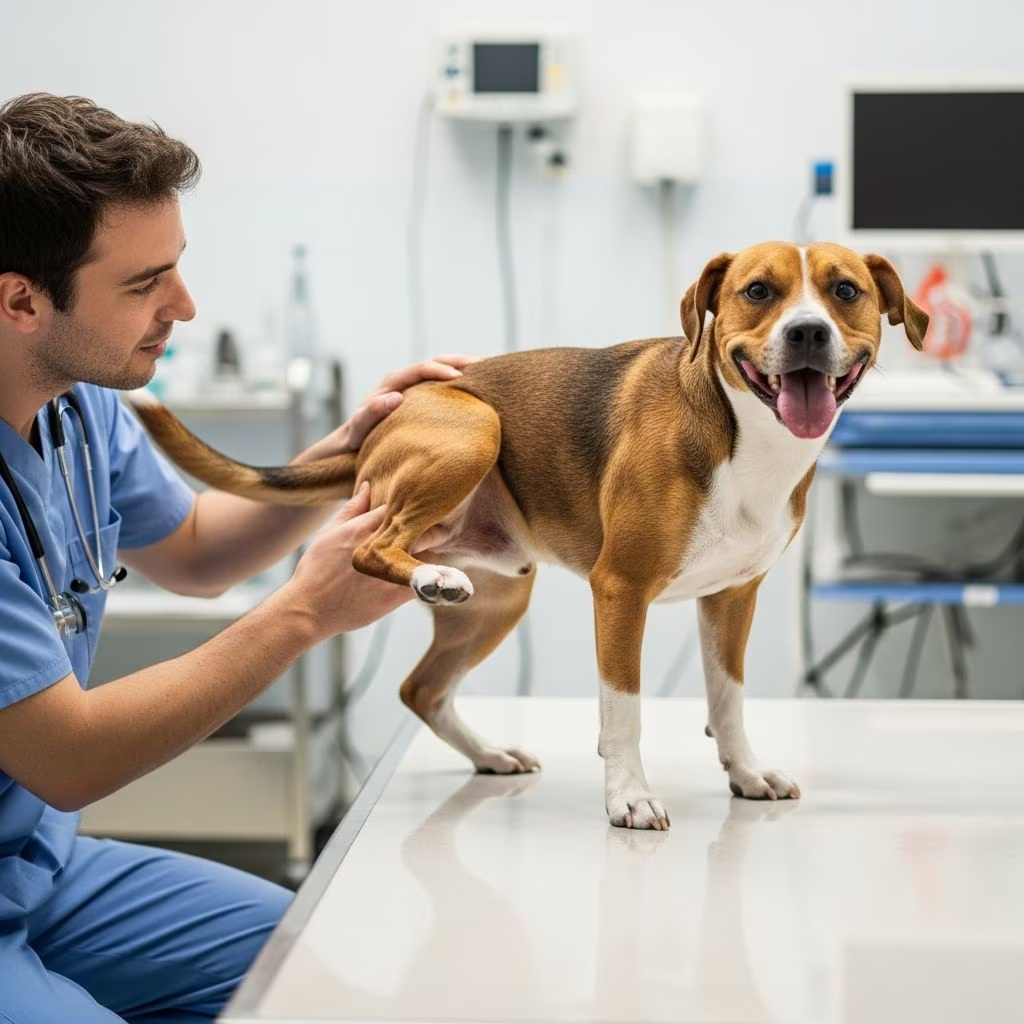
One of the most endearing and often amusing behaviors dog owners witness is the involuntary leg kicking that occurs when scratching their pets in certain areas. Whether it’s a gentle belly rub or a scratch behind the ears, many dogs respond with rapid, rhythmic leg movements that seem to perplex even the animals themselves. This phenomenon, while entertaining to observe, is actually a fascinating window into canine neurology, evolutionary biology, and the complex ways dogs communicate comfort and contentment.
The Neurological Foundation of Reflexive Kicking
At the core of understanding leg kicking lies a fundamental principle of canine neurology. Dogs possess an extensive network of nerve endings distributed throughout their skin, with particularly dense concentrations in areas such as the belly, back, and ear regions. When these sensitive zones receive stimulation through scratching or rubbing, a specific neurological pathway activates that scientists refer to as the scratch reflex.
This reflex operates through a direct connection between sensory nerves and the spinal cord, bypassing the brain entirely in its initial response. When you scratch your dog’s belly, specialized nerve endings called mechanoreceptors detect the physical stimulus and transmit signals directly to the spinal cord. The spinal cord then processes this information and sends an immediate command to the leg muscles to contract and kick. This streamlined neural pathway ensures the response occurs almost instantaneously, without requiring conscious thought or cognitive processing from the dog’s brain.
The reflex is comparable to the human knee-jerk response that physicians test during routine physical examinations. Both represent what neuroscientists call monosynaptic reflexes—neural circuits that involve only two connections: a sensory neuron and a motor neuron. Because the brain is not involved in processing the initial response, the kicking often surprises the dog as much as it entertains the owner.
Evolutionary Roots of Modern Canine Behavior
Understanding why dogs developed this reflex requires examining their wild ancestry. Contemporary domestic dogs descended from wolves and early canine species that faced constant threats from parasites, insects, and skin irritations. In the natural environment, a wild dog’s survival often depended on its ability to quickly remove external irritants such as fleas, mosquitoes, and other parasitic arthropods that could transmit diseases or cause severe discomfort.
The scratch reflex served an important evolutionary function in this context. When a wild canine was bitten by an insect or infested with parasites, the ability to rapidly kick at the affected area with hind legs provided immediate relief and helped dislodge the irritant. Over countless generations, this reflexive response became hardwired into the canine nervous system, creating a behavioral pattern so fundamental that it persists unchanged in modern domesticated dogs despite their vastly different living conditions.
This evolutionary explanation demonstrates an important principle in behavioral biology: traits that were once essential for survival often remain present in descendant species long after the original environmental pressures have disappeared. Your lap dog kicking during a belly scratch carries within that simple action the genetic memory of ancestral wolves fighting off parasitic infestations in wilderness environments.
Distinguishing Involuntary Reflex from Intentional Response
While the primary mechanism behind leg kicking is neurological reflex, the complete picture becomes more complex when considering the dog’s subjective experience. Pet owners frequently observe that their dogs appear confused or surprised by their own kicking behavior, suggesting that at least some aspect of the response falls outside the dog’s conscious control.
However, research indicates that the kicking behavior may also serve communicative functions that transcend simple reflex action. Dogs may continue or encourage scratching in specific areas through subtle body language cues that develop in response to the initial reflex kick. In this way, an involuntary neurological response can become entangled with purposeful communication.
The distinction matters because it explains why some dogs appear to seek out the scratching that triggers their kicking, positioning their bodies to make certain areas more accessible. This suggests that while the initial kick is reflexive and involuntary, dogs may learn to recognize and appreciate the sensations associated with the reflex, transforming an automatic response into a sought-after experience.
Indicators of Comfort and Contentment
Beyond the neurological mechanism itself, leg kicking frequently correlates with positive emotional states in dogs. Many pet owners recognize that their dogs display enthusiastic kicking behavior when experiencing relaxation and pleasure during petting sessions. The kicking may be accompanied by other signs of contentment such as relaxed facial expressions, soft eyes, and a calm body posture.
When a dog actively seeks out scratching that produces the kicking reflex and displays relaxed body language during the experience, the behavior functions as a reliable indicator that the dog is experiencing comfort and enjoyment. The apparent paradox—that an involuntary reflex can signify contentment—resolves when we understand that dogs learn to associate the scratching sensation with positive experiences, even though the initial muscle contraction remains reflexive.
This association between reflex kicking and pleasure explains why dogs often direct their owners to specific scratching spots by positioning their bodies or making eye contact. The dog has learned that facilitating the reflex response leads to continued interaction and physical affection, both of which most dogs value highly.
Location-Specific Sensitivity and Variation
Not all areas of a dog’s body trigger the scratch reflex with equal intensity. The belly represents the most common and pronounced site where owners observe kicking behavior, followed closely by the back legs, ears, and lower back regions. This variation in reflex intensity correlates with the concentration of nerve endings in these specific zones.
The belly contains an exceptionally high density of nerve endings and remains a vulnerable area in wild canines, making the heightened sensitivity to stimulation evolutionary adaptive. Some dogs display kicking so vigorous during belly scratches that it resembles a running or swimming motion, with rapid alternating leg movements that can occasionally surprise unprepared owners.
Individual dogs display considerable variation in how readily they trigger the scratch reflex and how intensely they respond. Factors including age, breed, temperament, and individual neurological sensitivity all influence the magnitude of kicking behavior. Some dogs produce only subtle twitching, while others display dramatic, full-body responses to identical stimuli.
When Leg Kicking Extends Beyond Normal Reflex
While occasional reflex kicking during petting represents normal canine behavior, persistent or excessive leg kicking warrants closer examination. Several medical and behavioral conditions can manifest as abnormal leg kicking that extends beyond the typical scratch reflex response.
Skin Conditions and Allergies: When dogs experience allergies or dermatological issues such as eczema, fungal infections, or parasitic infestations, they often kick at affected areas in attempts to alleviate itching and discomfort. Unlike the brief reflex kick that occurs during petting, these medical-related kicks tend to be persistent, repetitive, and concentrated in specific body regions. If kicking is accompanied by visible redness, hair loss, excessive licking, or frequent scratching, veterinary evaluation becomes essential.
Neurological and Spinal Issues: Certain neurological conditions can produce abnormal leg kicking that resembles but differs from normal reflex behavior. Spinal cord inflammation, intervertebral disc disease, or degenerative myelopathy can cause involuntary muscle contractions or weakness in the hind legs. These conditions typically develop gradually, worsen over time, and frequently include additional symptoms such as difficulty walking, reluctance to jump, or visible pain responses.
Muscle and Joint Disorders: Dogs suffering from arthritis, hip dysplasia, or other joint conditions may exhibit kicking or stretching movements as attempts to relieve pain or improve mobility. These movements differ from reflex kicking because they appear purposeful and are usually accompanied by other signs of discomfort or mobility issues.
Seizure Disorders: In rare cases, persistent involuntary leg kicking can indicate seizure activity or other neurological seizure-related conditions requiring immediate veterinary attention. These incidents are typically accompanied by additional symptoms such as loss of consciousness, excessive drooling, or unusual behavioral changes.
Behavioral Communication Through Physical Expression
Beyond reflexive responses, dogs utilize leg kicking as part of their broader communicative repertoire. In contexts unrelated to scratching during petting, leg kicking serves different communicative functions that reveal important information about canine social behavior and territorial dynamics.
After elimination, dogs frequently engage in vigorous ground-scratching with their hind legs, distributing scent from their paw pads across the ground. This behavior communicates territorial claims to other dogs and serves multiple communicative purposes within canine social structures. The kicking deposits scent markers that persist in the environment, allowing dogs to leave information about their identity, reproductive status, and presence in a location.
Additionally, dogs may employ leg kicking as a means of releasing excess energy or expressing excitement. High-energy breeds and young dogs particularly frequently exhibit this behavior during play sessions or when experiencing heightened arousal. In these contexts, the leg kicking represents purposeful physical expression rather than simple reflex response.
Environmental Factors and Stress-Related Kicking
A dog’s propensity to exhibit leg kicking can be influenced by environmental conditions and stress levels. Dogs experiencing anxiety or stress in response to environmental changes, unfamiliar surroundings, or loud noises may display increased leg kicking as a manifestation of their emotional state. Similarly, some dogs may develop learned behaviors where leg kicking becomes associated with receiving owner attention, leading them to employ kicking as an attention-seeking strategy.
Creating a calm, predictable environment helps reduce stress-related kicking behaviors and supports overall canine well-being. Dogs benefit from consistent routines, familiar surroundings, and positive environmental associations that minimize anxiety triggers.
What Owners Should Monitor
Most casual leg kicking during petting sessions requires no intervention and represents normal canine behavior. However, several warning signs should prompt veterinary consultation:
- Persistent or obsessive kicking focused on one body area
- Accompanying symptoms such as hair loss, redness, or visible skin irritation
- Changes in gait, difficulty walking, or reluctance to bear weight on affected legs
- Kicking accompanied by signs of pain such as whimpering or guarding the affected area
- Sudden onset of excessive kicking not previously characteristic of your dog
- Kicking accompanied by behavioral changes such as increased aggression or excessive panting
- Episodes of kicking that seem uncontrolled or resemble seizure activity
Frequently Asked Questions
Q: Why does my dog look surprised by their own leg kicking?
A: The reflex pathway bypasses the brain, so the dog’s brain receives the sensory information and motor response almost simultaneously, creating a surprising sensation similar to a startle response. The dog’s conscious mind processes the stimulation and reaction nearly as a single event rather than as a sequence.
Q: Is it harmful to continue scratching if my dog is kicking?
A: Occasional reflex kicking during normal petting is not harmful and typically indicates your dog is comfortable. However, if your dog displays excessive or obsessive kicking, or if kicking is accompanied by other concerning symptoms, veterinary evaluation is warranted.
Q: Do all dogs display the scratch reflex equally?
A: No, individual variation is considerable. Factors including breed genetics, age, temperament, and individual neurological sensitivity influence how readily a dog displays the reflex and how intensely they respond.
Q: Can I accidentally hurt my dog by scratching?
A: Gentle scratching in areas where your dog enjoys it is not harmful. However, rough or excessive scratching, particularly in areas with sensitive skin or existing skin conditions, could potentially cause injury. Pay attention to your dog’s body language and adjust your technique accordingly.
Q: When should I be concerned about leg kicking?
A: Concern is warranted when kicking becomes persistent, focuses obsessively on one area, is accompanied by visible skin irritation or hair loss, or when your dog displays difficulty walking or signs of pain.
References
- Dog Behavior 101: Why Do Dogs Kick When You Scratch Them? — All Dogs Dream. Accessed January 30, 2026. https://www.alldogsdream.com/dog-behavior-101-why-do-dogs-kick-when-you-scratch-them/
- Why Does My Dog Kick His Back Leg Out? — Under the Weather Pet. Accessed January 30, 2026. https://www.undertheweatherpet.com/blogs/under-the-weather/why-does-my-dog-kick-his-back-leg-out
- Why Does My Dog Kick His Back Legs Randomly? Is This Normal? — K9 Carts. Accessed January 30, 2026. https://k9carts.com/blogs/resources/dog-kicking-back-legs
- The Sweet Spot: Why Do Dogs Kick When You Scratch Their Belly? — OVRS. Accessed January 30, 2026. https://www.ovrs.com/blog/dogs-kick-when-you-scratch-their-belly/
- Why Do Dogs Kick After They Poop? — 441 Animal Hospital Boca. Accessed January 30, 2026. https://441animalhospitalboca.com/blog/why-do-dogs-kick-after-they-poop/



