

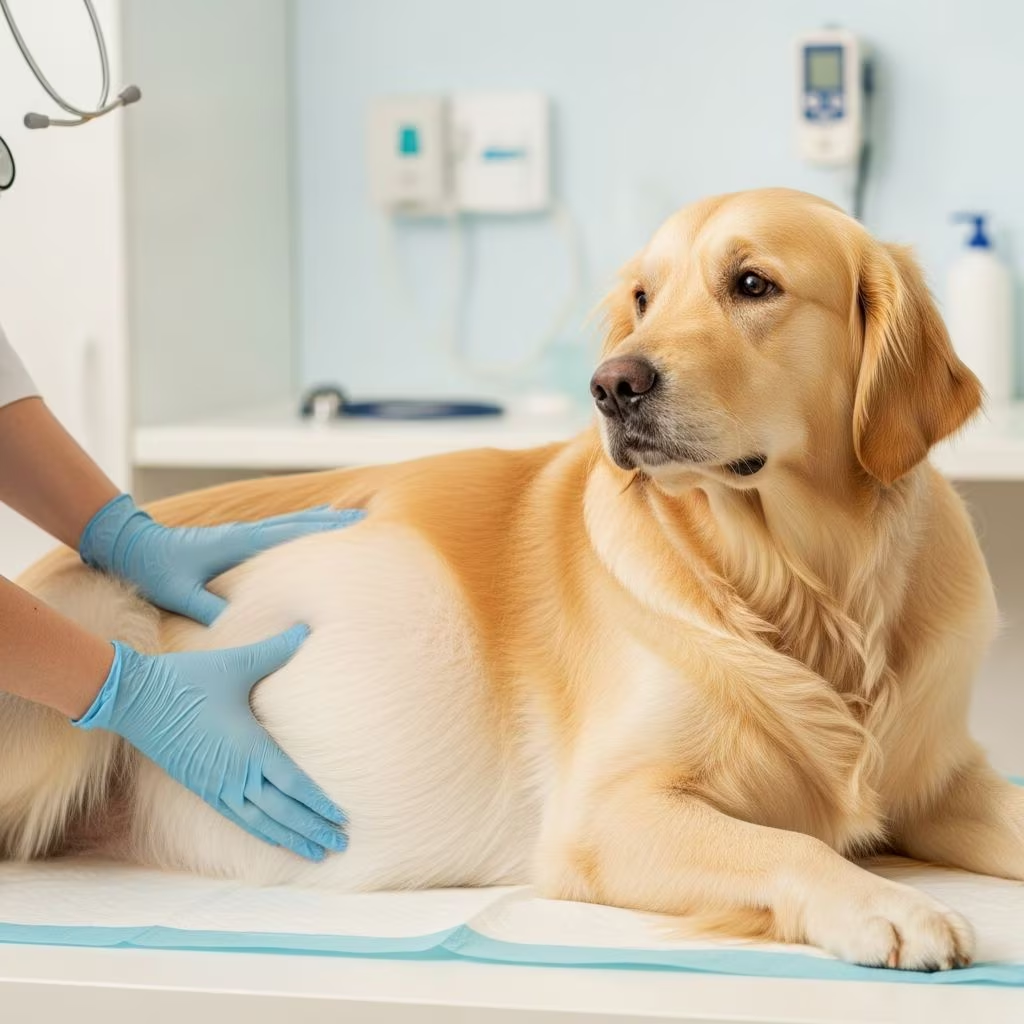
When your dog enters the final stages of pregnancy, recognizing the transition into labor becomes crucial for ensuring a safe and supported delivery experience. The canine body undergoes significant physiological and behavioral transformations as it prepares for birth, and understanding these changes allows you to provide optimal care during this critical time. This guide explores the multifaceted indicators that signal your dog is approaching or entering labor.
The Significance of Body Temperature Changes
One of the most reliable and earliest indicators of impending labor in dogs is a measurable drop in core body temperature. A healthy, non-pregnant dog typically maintains a body temperature between 101.3°F and 102.2°F, with minor variations depending on the individual animal. When a pregnant dog’s temperature falls below 100°F, this represents a significant physiological shift that signals labor will likely commence within the next 12 to 24 hours. This temperature reduction occurs because the hormone progesterone, which maintains pregnancy, begins to decline as the body prepares for delivery.
To monitor this crucial indicator accurately, veterinarians and breeders recommend taking rectal temperature readings using a reliable thermometer. Recording measurements every few hours during the final week of pregnancy establishes a baseline and helps identify the precise moment when the temperature dip occurs. Some dogs may experience an even more dramatic drop, falling several degrees below their normal range, making this change virtually impossible to miss for attentive caregivers.
Behavioral Transformation: Nesting Instincts and Environmental Preparation
As labor approaches, pregnant dogs exhibit profound behavioral changes centered on environmental preparation. This nesting behavior represents an ancient instinct to create a safe, comfortable space for vulnerable newborns. Dogs engaged in active nesting may frantically dig at blankets, rearrange bedding materials, seek out secluded areas within the home, or attempt to create enclosed spaces using available materials. Some dogs become intensely focused on specific locations, repeatedly returning to designated areas and manipulating their surroundings.
This behavior typically intensifies during the final 24 to 36 hours before labor begins and may escalate dramatically as active labor approaches. Providing a comfortable, designated whelping area with clean, soft bedding materials encourages this instinct in a controlled environment. The nesting behavior serves as a clear signal to caregivers that the birthing process is imminent and warrants closer observation and preparation for potential complications.
Loss of Appetite and Digestive Changes
Approaching labor frequently triggers significant appetite suppression in pregnant dogs. As the uterus expands to accommodate developing puppies and hormonal shifts occur, many dogs lose interest in food altogether or eat substantially smaller portions than usual. This reduced appetite is a natural physiological response rather than a concerning symptom of illness, though it can be puzzling to caregivers accustomed to their dog’s normal eating habits.
Accompanying the appetite loss, some dogs experience mild nausea and vomiting in the hours or days before labor commences. While this gastrointestinal upset is typically mild and temporary, it contributes to the overall picture of systemic preparation for birth. Dogs may refuse even their favorite foods or treats, and attempting to force feeding during this period is counterproductive. Instead, ensuring access to fresh water remains essential to prevent dehydration during this period of reduced oral intake.
Restlessness, Anxiety, and Emotional Shifts
The approach of labor triggers profound emotional and physical restlessness in expectant mother dogs. Dogs may pace repeatedly, unable to settle comfortably in their usual resting spots, or shift their position constantly in search of comfort. This behavior escalates approximately 24 hours before active labor begins and may be accompanied by vocalization, whining, or yelping. Some dogs display increased clinginess, seeking constant reassurance and physical proximity to their trusted caregivers.
Panting becomes more frequent and pronounced as labor approaches, representing both the physical discomfort of contractions and the dog’s heightened emotional state. The combination of restlessness, panting, and anxiety creates an unmistakable picture of a dog transitioning into active labor. Providing a calm, supportive environment with familiar people present helps ease this anxiety and creates an optimal setting for the birthing process.
Physical Indicators and Visible Changes
Abdominal Firmness and Contractions
As labor progresses into active stages, the abdomen becomes noticeably firmer as uterine contractions begin. These contractions start as intermittent tightenings and gradually become more frequent and intense as labor advances. By gently placing your hand on the dog’s abdomen, you may be able to feel these muscle contractions as they occur. The hardened abdomen represents the uterus actively working to prepare for and facilitate puppy delivery.
Vulvar Swelling and Enlargement
The vulva begins to swell noticeably in preparation for delivery, reflecting increased blood flow to the area and hormonal changes promoting elasticity of birth tissues. This swelling typically becomes apparent in the final days before labor but becomes more pronounced as active labor approaches. The tissue may appear visibly enlarged and may discharge clear or slightly bloody mucus as labor nears.
Mammary Gland Development
Several days before labor begins, the mammary glands enlarge and become more prominent as they prepare to produce milk for newborn puppies. The glands may feel warm or firm to the touch, and some dogs experience mild lactation beginning several days before actual delivery. This glandular preparation ensures that nursing capability exists immediately after birth.
Shivering and Temperature-Related Responses
Dogs in early labor frequently shiver, which represents both a response to discomfort from contractions and the body’s physiological reaction to hormonal changes. This shivering is entirely normal and should not be confused with signs of illness or fever. Providing comfort, reassurance, and a comfortable resting space helps dogs manage the physical sensations accompanying labor onset.
Understanding the Three-Stage Labor Process
Recognizing which stage of labor your dog is experiencing helps you understand what to expect and when veterinary intervention might become necessary. The three stages of canine labor each serve distinct purposes and have characteristic durations and signs.
Stage One: Preparation and Initial Contractions
Stage one labor typically lasts 6 to 12 hours but may extend up to 24 or 36 hours, particularly in first-time mothers. During this stage, the cervix dilates while smaller uterine contractions begin mobilizing the uterine contents. Many of the pre-labor signs become increasingly pronounced during stage one, including extreme restlessness, panting, nesting behavior, and anxiety. The dog may disappear into her designated whelping area for extended periods or alternate between seeking attention and retreating to solitude.
Stage Two: Active Puppy Delivery
Once the cervix fully dilates, stage two labor begins with visible straining and active contractions. During this stage, puppies are actively moved through the birth canal and delivered. Typically, each puppy is delivered within 45 to 60 minutes of the mother beginning active straining for that individual puppy. The interval between successive puppy births should not exceed one hour without veterinary evaluation, as extended gaps may indicate complications.
Stage Three: Placental Delivery
After each puppy is born, the placenta attached to that puppy should be delivered. This stage typically occurs within 15 to 30 minutes following puppy delivery. It is important to monitor the number of placentas delivered to ensure none remain inside the mother, as retained placentas can cause serious complications including infection and uterine rupture.
Timeline for Overall Labor Duration
The complete labor process, encompassing all three stages, typically lasts between 3 and 12 hours from the beginning of active labor. However, individual variation is substantial, influenced by factors including the mother’s breed, the number of puppies being delivered, and whether the dog is experiencing her first labor or subsequent deliveries. First-time mothers often experience longer labor duration, while experienced mothers may progress more rapidly through the stages.
When to Contact Your Veterinarian
While normal labor can proceed without veterinary intervention, certain circumstances warrant immediate professional guidance. Contact your veterinarian if any of the following situations occur:
- More than 24 hours have passed since the beginning of active labor with no puppies delivered
- More than three hours of active straining occurs with no puppy being produced
- More than one hour passes between successive puppy deliveries
- The mother shows signs of severe distress, extreme pain, or collapse
- Puppies appear stillborn or weak immediately after delivery
- Labor begins but then stops before all puppies have been delivered
- Fever, severe lethargy, or loss of appetite develop during or after labor
- The mother does not deliver the expected number of placentas
Post-Labor Monitoring and Care
After successful delivery of all puppies and placentas, continued monitoring remains important. In the hours and days following labor, watch for signs that might indicate complications, such as fever, persistent restlessness, disinterest in puppies, inability to produce sufficient milk, or signs of pain or infection. Mammary gland health is particularly important, as mastitis (inflammation or infection of milk-producing tissue) can develop quickly and interfere with nursing capability.
If any concerning symptoms develop in the days following birth, prompt veterinary evaluation becomes essential. Some complications, such as retained placentas or infection, may not manifest immediately but develop progressively if left untreated.
Preparation Strategies for Impending Labor
Once you recognize that labor is approaching, several preparation steps optimize the experience for both mother and caregivers. Ensure your designated whelping area is clean, comfortable, and equipped with appropriate bedding materials. Maintain contact with your veterinarian and confirm their availability, particularly if labor is expected during evening or weekend hours. Have emergency veterinary contact information readily available. Prepare supplies for assisting with delivery if needed, including clean towels, sterile gloves, and materials for recording puppy birth information.
Frequently Asked Questions About Canine Labor
How accurate is the temperature drop as a labor predictor?
The temperature drop below 100°F is highly reliable as a labor indicator, with most dogs entering active labor within 12 to 24 hours of experiencing this change. However, not all dogs follow this pattern exactly, and some variation occurs based on individual physiology.
Can a dog go into labor without showing nesting behavior?
While nesting behavior is a common indicator, not all dogs display obvious nesting instincts. Some dogs may show more subtle environmental interest rather than dramatic behavioral changes. Temperature monitoring becomes particularly valuable in these cases.
Is loss of appetite always a sign of labor?
Loss of appetite is a common pre-labor sign but can also indicate illness or other conditions. Combined with other labor indicators such as temperature drop and behavioral changes, appetite loss becomes a more reliable sign of impending labor.
What should I do if my dog shows labor signs but nothing happens?
If clear labor indicators appear but active labor does not commence within 24 hours, veterinary evaluation is warranted to rule out complications or false labor patterns.
References
- Recognizing Signs of Stage 1 Labor in Dogs — Belly Labs. Accessed March 2026. https://belly-labs.com/blogs/science/recognizing-signs-of-stage-1-labor-in-dogs
- The Normal Whelping Process — Cornell University College of Veterinary Medicine, Riney Canine Health Center. Accessed March 2026. https://www.vet.cornell.edu/departments-centers-and-institutes/riney-canine-health-center/canine-health-topics/normal-whelping-process
- Dog Labor Signs & Puppy Delivery Stages Explained — Purina US. Accessed March 2026. https://www.purina.com/articles/dog/health/pregnancy/labor-and-giving-birth
- 10 Signs of a Dog in Labor — Emergency Veterinary Care Centers. Accessed March 2026. https://evcc.com/blog/10-signs-dog-in-labor/



