

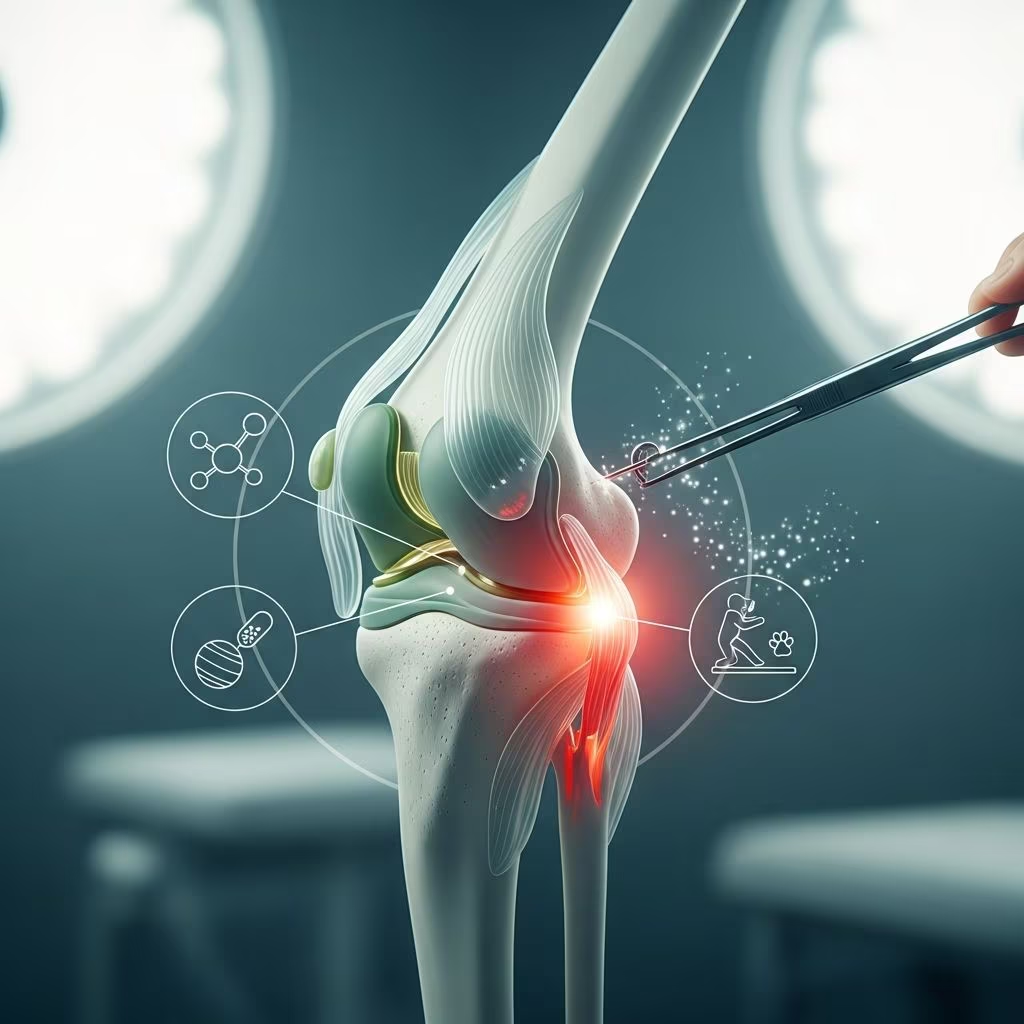
The cranial cruciate ligament (CCL) is one of the most critical stabilizing structures within a dog’s knee joint, functioning similarly to the anterior cruciate ligament (ACL) in humans. When this ligament tears or ruptures, it can result in severe pain, lameness, and significant joint instability. Without intervention, a damaged CCL can lead to progressive cartilage deterioration and osteoarthritis, permanently affecting your dog’s quality of life. Understanding the available treatment options is essential for making informed decisions about your pet’s orthopedic health.
The Significance of CCL Injuries in Dogs
Cranial cruciate ligament rupture represents one of the most common orthopedic conditions affecting dogs today. In fact, CCL surgery comprises approximately 85% of all orthopedic procedures performed on canines annually. The injury can occur suddenly during strenuous activity or develop gradually due to degenerative changes within the joint.
The CCL works in conjunction with the caudal cruciate ligament to provide crucial joint stability. These two ligaments cross each other within the knee, earning the term “cruciate” from their anatomical arrangement. When one of these ligaments fails, the entire biomechanical function of the knee becomes compromised, making surgical intervention the recommended course of action.
Why Surgery Matters for CCL Injuries
Veterinarians recommend surgical repair for virtually all dogs experiencing cranial cruciate ligament ruptures. Early surgical intervention is particularly important because it helps prevent permanent, irreversible damage to the joint cartilage and surrounding structures. Delaying treatment allows the joint to develop progressive arthritis, which can diminish long-term outcomes even after successful surgery.
The surgical approach selected depends on several factors, including your dog’s size, age, activity level, and overall health status. Your veterinarian will work with you to determine the most appropriate procedure for your individual pet’s circumstances.
Extracapsular Lateral Suture Stabilization: The Traditional Approach
The Lateral Suture Stabilization (LSS), also known as Modified Retinacular Imbrication Technique (MRIT), represents one of the oldest surgical corrections for cruciate ligament injuries in dogs. This procedure stabilizes the knee by placing a strong synthetic suture on the outside of the joint capsule to replicate the function of the damaged ligament.
How Extracapsular Repair Works
During this procedure, the veterinary surgeon makes an incision to access the knee joint, examines the interior structures, removes any damaged ligament fragments, and addresses any meniscal injuries if present. A heavy nylon suture is then positioned around the knee joint, mimicking the original cruciate ligament’s orientation. The suture provides immediate stabilization while fibrous scar tissue develops around it, eventually contributing additional support.
Benefits of Extracapsular Repair
- Ideal for smaller dogs: Works exceptionally well for canines weighing less than 25-40 pounds with moderate activity levels
- Faster surgical procedure: Requires less operative time compared to bone-altering techniques
- Shorter recovery period: Typically involves 8-12 weeks of post-operative healing
- Reduced implant complications: Avoids the use of bone plates and screws, minimizing hardware-related failures
- Proven effectiveness in small breeds: Demonstrates excellent outcomes when matched to appropriate patient criteria
Limitations of Extracapsular Repair
While extracapsular techniques deliver excellent results in smaller dogs, their success in larger or highly active canines becomes less predictable. The nylon suture can stretch or break over time, particularly in heavier dogs or those with high exercise demands. Postoperative care is critical and requires strict adherence to an 8-week exercise restriction protocol, followed by a 4-week gradual return to normal activity.
Tibial Plateau Leveling Osteotomy: The Gold Standard Approach
The Tibial Plateau Leveling Osteotomy (TPLO) has earned recognition as the gold standard surgical technique for treating canine cruciate ligament injuries, particularly in large-breed and athletic dogs. This procedure fundamentally changes the biomechanics of the knee joint, eliminating the need for a functional cruciate ligament altogether.
The TPLO Surgical Technique
During a TPLO procedure, the surgeon makes a circular cut through the tibial plateau—the top portion of the tibia (shin bone). The surgeon then rotates this bone segment to level the tibial plateau and neutralize shear forces, subsequently securing it in place with a specialized bone plate. This biomechanical alteration eliminates the instability caused by the damaged ligament, allowing the knee to function properly without ligament support.
Advantages of the TPLO Procedure
- Superior long-term outcomes: Enables dogs to return to normal function, including athletic activities
- Faster weight-bearing recovery: Clinical studies demonstrate accelerated return to normal post-operative weight-bearing compared to extracapsular techniques
- Arthritis reduction: Minimizes long-term joint deterioration more effectively than suture-based repairs
- Preferred by surgical specialists: Represents the surgical technique of choice among orthopedic specialists worldwide
- No ligament re-injury risk: Since the original ligament is not replaced, concerns about future ligament tearing are eliminated
- Suitable for active dogs: Ideal for large-breed dogs and those with high activity demands
Considerations with TPLO Surgery
TPLO procedures are more complex and time-intensive than extracapsular repairs, requiring greater surgical expertise and specialized equipment. Recovery typically involves more extensive post-operative restrictions and rehabilitation. Additionally, TPLO carries potential complications related to bone healing and hardware integrity, though these complications remain relatively uncommon with proper surgical technique and post-operative management.
Tibial Tuberosity Advancement: A Hybrid Approach
The Tibial Tuberosity Advancement (TTA) represents another bone-altering surgical technique used for canine CCL repair. Like TPLO, TTA involves modifying the tibia’s geometry, though it employs a different biomechanical principle. This procedure involves making a radial cut in the top of the tibia to advance and reposition the tibial tuberosity—the point where the patellar ligament attaches.
TTA procedures are typically recommended for dogs weighing more than 15-20 pounds, similar to TPLO candidates. While TTA offers certain advantages in specific clinical scenarios, TPLO remains the more widely adopted and studied approach among veterinary orthopedic surgeons.
The Tightrope Procedure: Advanced Minimally Invasive Surgery
The Tightrope technique represents a modern advancement in minimally invasive CCL repair, combining elements of traditional extracapsular repair with enhanced stability. This procedure utilizes a specialized prosthetic system featuring tunnels drilled through bone and a prosthetic suture or ligament replacement material positioned within the joint.
The Tightrope procedure offers superior strength compared to traditional suture-based extracapsular repairs, making it a particularly valuable option for dogs that fall between the size categories typically suited for simple extracapsular repair and those requiring bone-altering surgery. Recovery timelines and success rates generally fall between traditional extracapsular techniques and bone-altering procedures.
Comparative Analysis of Surgical Approaches
| Surgical Technique | Best For | Recovery Time | Complexity |
|---|---|---|---|
| Extracapsular/LSS | Small dogs (<40 lbs) | 8-12 weeks | Lower |
| TPLO | Large/active dogs (>40 lbs) | 12-16 weeks | Higher |
| TTA | Dogs >15-20 lbs | 12-16 weeks | Moderate-High |
| Tightrope | Medium-sized dogs | 10-14 weeks | Moderate |
Post-Operative Recovery and Rehabilitation
Regardless of the surgical technique selected, post-operative care plays a crucial role in determining surgical success. Most CCL repair procedures require strict exercise restriction during the immediate post-operative period, typically 8-12 weeks depending on the surgical method. This restricted activity phase prevents excessive stress on the healing joint and surgical repair site.
Following the initial recovery period, most dogs benefit from a gradual return to normal activity over several additional weeks. Physical therapy, controlled leash walking, and monitored play can help restore strength and range of motion. Many veterinarians recommend working with a rehabilitation specialist to optimize recovery outcomes.
Making the Decision: Factors Your Veterinarian Will Consider
Selecting the appropriate surgical technique involves careful consideration of multiple factors:
- Canine size: Weight and breed influence which procedures are most suitable and effective
- Activity level: Dogs with high exercise demands may benefit from procedures offering superior long-term stability
- Age and overall health: Older dogs or those with concurrent health conditions may tolerate certain procedures better than others
- Financial considerations: Different procedures carry varying costs, which may influence your decision
- Surgeon experience: Your veterinarian’s expertise with specific techniques should factor into your decision
- Meniscal injury status: Whether a meniscal tear accompanies the cruciate ligament rupture may influence technique selection
Frequently Asked Questions About CCL Surgery
Can a torn CCL heal without surgery?
While some dogs may develop compensatory muscle strength over time, surgical intervention remains the recommended approach to prevent permanent joint damage and progressive arthritis. Without surgery, the joint remains unstable and vulnerable to ongoing cartilage deterioration.
What is the success rate for CCL repair surgery?
Success rates vary by surgical technique, but most procedures demonstrate favorable outcomes when matched appropriately to the patient. TPLO and TTA show particularly high success rates, while extracapsular repairs perform well in appropriately selected smaller dogs.
How long does recovery typically take?
Recovery timelines range from 8-16 weeks depending on the surgical technique employed. Full return to normal activity, including athletic pursuits, may require several months of gradual rehabilitation.
Will my dog develop arthritis after CCL surgery?
While some degree of arthritis progression may continue over time, appropriate surgical repair significantly slows this process compared to leaving the injury untreated. Many dogs return to normal function without significant arthritis-related limitations during their lifetimes.
References
- Cranial Cruciate Ligament (CCL) Repair in Dogs: Surgery & Treatment Options — Canyon Veterinary Medical Center. Accessed March 30, 2026. https://cantonvets.com/resources/cruciate-ligament-repair-in-dogs/
- Cruciate Ligament Repair Options for Dogs – Which Procedure is Best — Southern Animal Health. Accessed March 30, 2026. https://www.southernanimalhealth.com.au/whichcruciateprocedureisbest/
- Cranial Cruciate Ligament Repair: Extracapsular Repair — VCA Animal Hospitals. Accessed March 30, 2026. https://vcahospitals.com/know-your-pet/cranial-cruciate-ligament-repair-extracapsular-repair-and-tightrope-procedure
- Canine Cranial Cruciate Ligament Rupture — Nashville Veterinary Specialists. Accessed March 30, 2026. https://www.nashvillevetspecialists.com/canine-cranial-cruciate-ligament-rupture
- Ruptured Cranial Cruciate Ligament (CrCL) Repair in Dogs — MedVet. Accessed March 30, 2026. https://www.medvet.com/ruptured-cranial-cruciate-ligament-crcl-repair-dogs/
- Canine Cruciate Ligament Disease — Northeast Indiana Veterinary Emergency Clinic & Surgical Center. Accessed March 30, 2026. https://www.nives24h.com/articles/canine-cruciate-ligament-disease
- Cranial Cruciate Ligament (CCL) Surgery for Dogs — Southwest Florida Veterinary Specialists. June 30, 2023. https://www.swfvs.com/site/blog/2023/06/30/cranial-cruciate-ligament-surgery-dogs



