

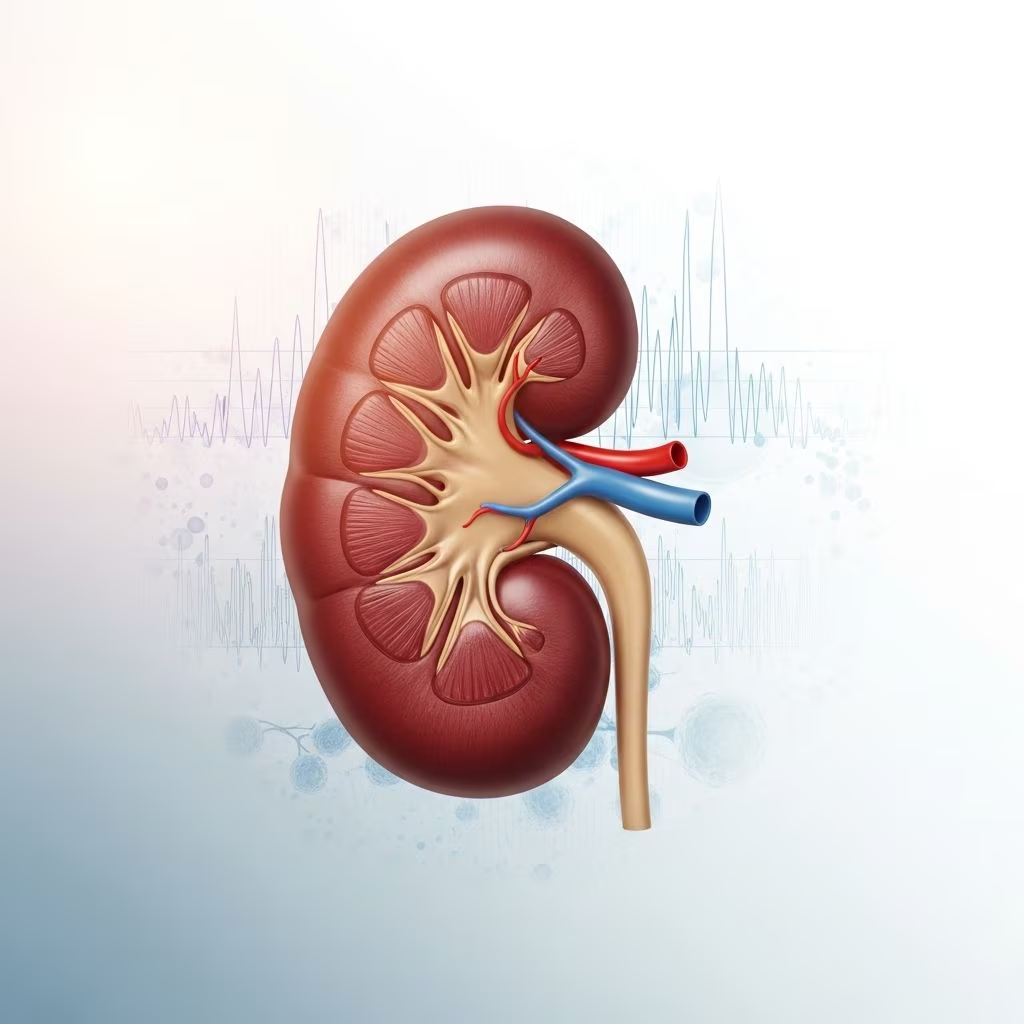
Kidney disease affects many dogs, impairing their ability to filter waste and maintain fluid balance. Early detection through symptoms like excessive thirst and changes in urination can lead to effective management strategies that extend life quality.
Understanding the Kidneys’ Role in Canine Health
The kidneys are vital organs responsible for filtering blood, removing toxins, regulating electrolytes, and producing hormones that control red blood cell production and blood pressure. In dogs, these bean-shaped organs process up to 20-25% of cardiac output daily, ensuring homeostasis. When function declines, waste accumulates, leading to systemic issues.
Canine kidneys have significant reserve capacity; symptoms often appear only after 75% loss of function. This delayed presentation underscores the importance of routine wellness exams with bloodwork and urinalysis.
Types of Kidney Disorders in Dogs
Kidney issues in dogs fall into two primary categories: acute kidney injury (AKI) and chronic kidney disease (CKD). AKI develops rapidly, often from toxins or infections, while CKD progresses gradually over months or years.
- Acute Kidney Injury: Sudden onset, potentially reversible with prompt care. Common triggers include ingesting antifreeze, grapes, or NSAIDs.
- Chronic Kidney Disease: Irreversible damage accumulating from age, genetics, or untreated issues. Breeds like Shih Tzus, Lhasa Apsos, and Samoyeds are predisposed.
Distinguishing types requires veterinary diagnostics, as treatments differ significantly.
Common Causes Behind Kidney Dysfunction
Multiple factors contribute to kidney disease. Toxins top the list for AKI: ethylene glycol in antifreeze causes calcium oxalate crystals, leading to rapid failure. Foods like raisins and grapes, plus human medications such as ibuprofen, pose risks.
Infections like leptospirosis or Lyme disease can inflame kidneys. Genetic predispositions affect certain breeds, while age-related wear is common in seniors. Hypertension and dental disease exacerbate CKD by promoting protein loss in urine.
| Cause Category | Examples | Impact Type |
|---|---|---|
| Toxins | Antifreeze, grapes, NSAIDs | Acute |
| Infections | Leptospirosis, Lyme | Acute/Chronic |
| Genetic/Age | Breed predispositions, senior dogs | Chronic |
| Other | Hypertension, obstructions | Both |
Recognizing Early Warning Signs
Owners often miss initial symptoms, which mimic aging. Increased thirst (polydipsia) and urination (polyuria) signal the kidneys’ struggle to concentrate urine.
- Excessive drinking and frequent urination
- Lethargy and reduced activity
- Vomiting or nausea
- Appetite loss and weight reduction
- Bad breath (uremic halitosis)
- Bloody or strained urination
- Pale gums or mouth ulcers
In advanced stages, seizures, coma, or anuria (no urine) indicate emergencies. Monitor seniors closely, as CKD signs emerge subtly.
Diagnostic Approaches for Accurate Assessment
Veterinarians use blood tests measuring BUN, creatinine, and SDMA (symmetric dimethylarginine, an early marker). Urinalysis checks protein, concentration, and crystals. Imaging like ultrasound detects stones or tumors, while biopsies confirm causes.
Staging via IRIS (International Renal Interest Society) guidelines—from Stage 1 (mild) to Stage 4 (severe)—guides prognosis and care. Early SDMA elevation allows intervention before creatinine rises.
Immediate Treatment for Acute Cases
AKI demands hospitalization. IV fluids flush toxins and restore hydration, monitored via urine output. Diuretics, anti-nausea drugs, and toxin binders support recovery. Dialysis, though rare, is available at specialty centers.
Prognosis hinges on cause and speed: many recover fully if treated within hours. Antibiotics target infections.
Managing Chronic Kidney Disease Long-Term
CKD has no cure, but management slows progression. Fluid therapy—subcutaneous at home—combats dehydration. Phosphate binders and blood pressure meds protect remaining nephrons.
Appetite stimulants like capromorelin (FDA-approved) encourage eating. Erythropoietin analogs boost anemia-related red cells. Regular monitoring adjusts plans.
Nutrition: The Cornerstone of Renal Support
Prescription renal diets reduce protein, phosphorus, sodium, and omega-3 enrich to ease kidney load. They improve survival: studies show median lifespan extension.
- Lower protein quality over quantity
- Controlled minerals to prevent crystals
- High palatability for picky eaters
Transition gradually; vet consultation ensures suitability. Home cooking risks imbalances.
Home Care Strategies for Affected Dogs
Daily weigh-ins track progress. Provide fresh water, elevated bowls aid arthritic seniors. Stress reduction via routine maintains appetite.
Subcutaneous fluids (taught by vets) hydrate between visits. Track symptoms in a journal for vet discussions.
Breed Vulnerabilities and Prevention Tips
Small breeds like Cocker Spaniels face higher risks. Prevention: secure toxins, annual bloodwork post-7 years, dental care, heartworm preventives against lepto.
Vaccinate for Lyme in endemic areas. Avoid OTC meds.
Prognosis: What Influences Outcomes
AKI recovery rates exceed 50% with early care; CKD Stage 2 dogs average 1-3 years managed well, Stage 4 mere months. Response to diet/fluids predicts success.
Frequently Asked Questions
Is kidney disease painful for dogs?
Symptoms like nausea cause discomfort, but pain meds and symptom control improve comfort.
Can diet reverse kidney damage?
No, but it slows progression and enhances life quality.
How often should bloodwork be done?
Every 3-6 months for CKD, per stage.
Are home fluid therapies safe?
Yes, under vet training.
What toxins should I avoid?
Xylitol, lilies (though more cats), grapes, antifreeze.
Partnering with Your Veterinarian
Custom plans evolve with disease stage. Telehealth monitors trends. Quality of life guides euthanasia discussions compassionately.
References
- The signs of kidney disease in dogs and treatment options – Vetster — Vetster. 2023. https://vetster.com/en/wellness/kidney-disease-in-dogs-everything-you-need-to-know
- Dog Kidney Failure: Treatment & Recovery | Seattle Vet — Madison Park Veterinary Hospital. 2023-12-27. https://www.madisonparkvet.com/site/blog/2023/12/27/dog-kidney-failure
- Chronic Kidney Disease: Living with Your Pet and the Diagnosis — Michigan State University College of Veterinary Medicine. N/A. https://cvm.msu.edu/vdl/client-education/guides-for-pet-owners/chronic-kidney-disease-living-with-your-pet-and-the-diagnosis
- Kidney Failure in Dogs – PetMD — PetMD. N/A. https://www.petmd.com/dog/conditions/urinary/kidney-failure-dogs
- Kidney Disease in Dogs: Signs, Symptoms, and Treatment — American Kennel Club. N/A. https://www.akc.org/expert-advice/health/dog-kidney-disease/



