

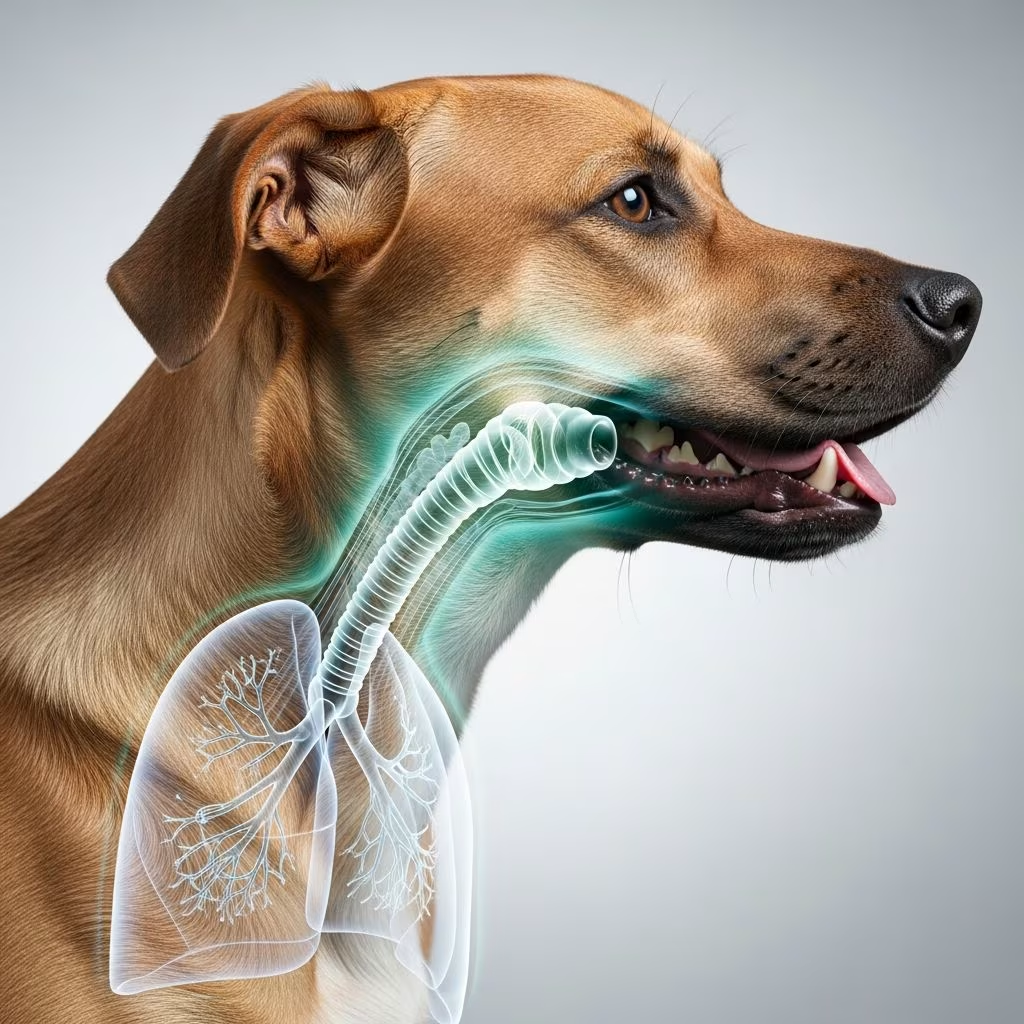
Kennel cough represents one of the most common respiratory conditions affecting dogs of all ages and breeds. Known clinically as canine infectious tracheobronchitis, this condition causes considerable concern among pet owners, particularly those with multiple dogs or animals in close-quarter environments. Understanding the fundamentals of this disease—how it develops, spreads, and progresses—enables pet owners to recognize warning signs early and seek appropriate veterinary care.
What Happens During a Kennel Cough Infection
Kennel cough is an upper respiratory tract infection that occurs when a dog’s airways become inflamed and irritated. This inflammatory response triggers the distinctive dry, hacking cough that characterizes the condition. The infection targets the lining of the respiratory tract, causing discomfort and persistent coughing episodes that may continue for several weeks without proper management.
The infection typically affects the trachea and bronchi—the larger airways that carry air to the lungs. When pathogenic organisms invade these tissues, they initiate an inflammatory cascade that leads to mucus production, airway swelling, and the reflex coughing that becomes so bothersome to affected dogs and their owners.
The Multiple Causes Behind the Cough
One significant challenge in managing kennel cough stems from its multiple potential causes. Rather than being caused by a single pathogen, kennel cough can result from various bacteria and viruses, sometimes acting alone and sometimes in combination.
Primary Bacterial and Viral Culprits
The bacteria Bordetella bronchiseptica remains the most frequently identified cause of kennel cough in dogs. This bacterium has a particular affinity for the respiratory epithelium and can cause significant inflammation. The canine parainfluenza virus (CPIV) ranks equally common as a causative agent and often works synergistically with bacterial infections to worsen the condition.
Beyond these primary pathogens, numerous other infectious agents can produce kennel cough symptoms. These include canine adenovirus type 2 (CAV-2), canine influenza virus, canine distemper virus, canine pneumovirus, canine respiratory coronavirus, canine herpesvirus, and canine reovirus. Additionally, bacterial species such as Streptococcus equi subspecies zooepidemicus and mycoplasma can contribute to respiratory infections with similar presentations.
Geographic and Environmental Variations
The prevalence of specific kennel cough causes varies considerably based on geographic location. In some regions, pathogens other than Bordetella and parainfluenza may be significantly more common than traditionally suspected. This geographic variation has important implications for vaccination strategies and treatment decisions, as what proves effective in one area may be less relevant in another.
How Kennel Cough Spreads Among Dogs
Kennel cough earns its name from its rapid spread in kennels, shelters, and other facilities where dogs live in close proximity. The disease demonstrates remarkable contagiousness through multiple transmission routes.
Airborne droplets represent the primary transmission method. When an infected dog coughs or sneezes, microscopic particles containing the causative organisms become suspended in the air. Healthy dogs inhaling these particles can acquire the infection. This mechanism makes kennel cough particularly problematic in enclosed spaces with poor ventilation.
Direct contact between dogs also facilitates transmission. Nose-to-nose contact, common during normal canine socialization, allows pathogens to transfer directly from an infected animal to a healthy one. Additionally, contaminated environmental surfaces and shared objects—including food bowls, water dishes, toys, and bedding—can harbor infectious organisms and serve as indirect transmission vectors.
Recognizing the Symptoms
The hallmark symptom of kennel cough is a persistent, dry cough that typically produces no mucus or phlegm. This distinctive dry cough often sounds harsh and can last for extended periods, sometimes for several weeks if untreated. The cough may worsen with excitement, play, or pulling on a leash during walks.
Beyond the cough, affected dogs may experience additional symptoms depending on the severity of infection and their overall health status. Mild fever, runny nasal discharge, sneezing, and decreased appetite occasionally accompany the respiratory symptoms. Some dogs show reduced energy levels and general malaise during the acute infection phase. Importantly, many dogs with uncomplicated kennel cough otherwise act relatively normally—they eat, play, and interact with their owners despite the persistent cough.
The incubation period for kennel cough ranges from two to fourteen days, meaning an infected dog may not show symptoms immediately after exposure. This delayed presentation can complicate efforts to identify the source of infection or prevent spread in multi-dog households.
When Kennel Cough Becomes Serious
While uncomplicated kennel cough typically remains mild, certain populations of dogs face elevated risks for complications. Puppies with developing immune systems, elderly dogs with waning immunological function, and dogs with pre-existing medical conditions demonstrate heightened vulnerability to severe disease progression.
The most concerning complication is progression to pneumonia, where the infection extends from the upper airways into the lung tissue itself. Pneumonia significantly increases disease severity and requires more intensive veterinary intervention. Additionally, distemper virus—a potential cause of kennel cough-like symptoms—can cause severe systemic disease with neurological complications if not managed appropriately.
Diagnostic Approaches and Veterinary Assessment
Veterinarians typically diagnose kennel cough through clinical presentation and patient history. The characteristic dry cough, particularly in a dog recently exposed to other animals in kennels, shelters, or group dog settings, provides strong diagnostic clues. Physical examination findings may include tracheal sensitivity (the dog coughs when the veterinarian gently palpates the trachea) and lung auscultation findings consistent with upper airway inflammation.
When more serious disease is suspected, veterinarians may perform additional diagnostics. Culture samples from the respiratory tract can identify specific bacterial causes, enabling targeted antibiotic selection. Radiographs may be obtained to assess for pneumonia or other lower respiratory involvement. These diagnostic tools help veterinarians make informed treatment decisions based on the specific situation.
Treatment Approaches Based on Disease Severity
Mild Cases and Supportive Care
Many dogs with kennel cough recover without medication, similar to how humans recover from the common cold. Most uncomplicated cases resolve within ten to fourteen days without intervention. During this recovery period, supportive care measures can enhance comfort and facilitate healing.
Environmental modifications play an important role. Maintaining good air circulation and adequate ventilation reduces irritant accumulation and helps prevent secondary infections. Using a harness instead of a neck collar during walks prevents tracheal irritation from leash pulling, which commonly triggers coughing fits. Ensuring the dog has ample rest and avoiding strenuous exercise allows the immune system to direct resources toward infection control.
Maintaining proper hydration supports recovery by helping the body fight infection and keeping mucous membranes healthy. Providing constant access to fresh, clean water should be prioritized. Some veterinarians recommend using a humidifier to maintain adequate environmental moisture, which can soothe irritated airways and ease the discomfort associated with coughing.
Moderate Cases Requiring Medication
When dogs show more substantial symptoms or when owners seek to minimize coughing discomfort, veterinarians commonly prescribe medications. Antibiotics frequently form the foundation of treatment, even in uncomplicated cases, primarily to prevent secondary bacterial infections from developing. Doxycycline represents a commonly selected antibiotic due to its effectiveness against the primary bacterial causes of kennel cough. When culture results are available, the antibiotic choice can be refined based on sensitivity testing.
Cough suppressants can provide relief from the constant, exhausting coughing that disrupts sleep and daily activities. These medications help the dog rest more comfortably while the immune system works to clear the infection. Anti-inflammatory medications may also be prescribed to reduce airway inflammation and further ease respiratory discomfort.
Severe Cases Requiring Intensive Management
Dogs with severe kennel cough symptoms or those with complicated disease may require more intensive interventions. Broad-spectrum antibiotics administered by injection provide stronger antimicrobial action when severe bacterial infection threatens to progress to pneumonia. Bronchodilators—medications that relax airway smooth muscle—help open the airways and improve breathing, particularly important when pneumonia has developed.
Nebulization therapy represents a valuable intervention in severe cases. Using a nebulizer device to deliver saline or medicated solutions directly into the airways helps clear secretions, reduce infection, and provide direct therapeutic delivery to affected tissues. Treatments typically last about ten minutes and may be performed twice daily for optimal benefit.
For dogs showing systemic illness from distemper virus infection, treatment becomes purely supportive, addressing specific symptoms as they develop. Anti-convulsants may manage neurological signs, muscle relaxants can address tremors, and medications addressing gastrointestinal upset help maintain hydration and nutrition. Intravenous fluid support becomes essential for severely ill dogs unable to maintain adequate oral intake.
Recovery Timeline and Expectations
The typical recovery timeline for uncomplicated kennel cough spans from ten days to three weeks for most dogs. However, in some cases, symptoms may persist for up to six weeks, particularly if the infection involved viral pathogens that require time for natural clearance. Some dogs experience lingering coughs even after the active infection has resolved, as the respiratory epithelium repairs itself.
Distemper virus infection requires substantially longer to clear, sometimes taking weeks or months for complete recovery, and may leave permanent neurological damage depending on disease severity during the acute infection phase.
Prevention Through Vaccination and Management
Understanding Vaccination Options
Kennel cough vaccines target the most common causative organisms, particularly Bordetella bronchiseptica and canine parainfluenza virus. These vaccines can be administered via nasal drops or injection, with each route having specific advantages. However, it’s important to understand that no vaccine provides absolute protection against all strains and causes of kennel cough, given the multiple possible infectious agents. Vaccination primarily aims to reduce disease severity and duration if infection occurs.
Dogs already incubating kennel cough at the time of vaccination will not benefit from the vaccine, as their immune systems are already fighting the infection. Vaccination timing becomes particularly important when planning to place dogs in kennels or shelters.
Risk Reduction Strategies
Beyond vaccination, owners can reduce kennel cough transmission risk through thoughtful management practices. Maintaining excellent hygiene when handling multiple dogs—including handwashing and changing clothes between animals—limits cross-contamination. Regular cleaning and disinfection of toys, bowls, and bedding removes potential infectious organisms from the environment.
Limiting exposure to high-risk situations—such as crowded dog parks, shelters, or grooming facilities—particularly during peak kennel cough seasons, provides straightforward risk reduction. For dogs with known respiratory disease, isolating them from other animals prevents transmission.
When to Seek Veterinary Care
While many dogs recover from kennel cough independently, veterinary evaluation remains important to ensure no complications develop and to rule out more serious conditions. Dogs showing severe symptoms, high fever, lethargy, loss of appetite, or difficulty breathing require prompt veterinary attention. Similarly, puppies, elderly dogs, and immunocompromised dogs warrant professional evaluation even with mild symptoms.
Persistent coughs lasting beyond six weeks, progressive worsening despite time, or signs of pneumonia necessitate immediate veterinary care. Veterinarians can assess whether the infection has progressed to lower respiratory involvement and adjust treatment accordingly.
Home Care Considerations During Recovery
Creating an optimal recovery environment supports faster healing and greater comfort during the infection period. Maintaining calm, quiet periods allows affected dogs to rest adequately. Soft, comfortable bedding in a quiet space encourages rest and reduces excitement-triggered coughing episodes.
Feeding high-quality, palatable foods encourages intake when appetite may be diminished. Offering smaller, more frequent meals sometimes proves easier for dogs experiencing systemic malaise than large single meals. Ensuring constant access to fresh water supports hydration necessary for fighting infection and maintaining respiratory tract health.
Monitoring the dog’s condition daily allows owners to identify any progression toward more serious disease. Worsening cough, development of labored breathing, fever, or loss of appetite should prompt veterinary contact.
Key Takeaways for Dog Owners
Kennel cough, while typically mild and self-limiting in healthy adult dogs, warrants proper understanding and appropriate management. Recognizing that this common respiratory condition results from multiple possible causes helps owners understand why prevention through vaccination provides risk reduction rather than absolute protection. Most importantly, early veterinary consultation ensures accurate diagnosis, prevents complications in vulnerable populations, and provides owners with evidence-based guidance for their specific dog’s situation.
References
- Kennel Cough in Dogs: Symptoms, Treatments, Vaccine — Best Friends Animal Society. Accessed January 2026. https://bestfriends.org/pet-care-resources/kennel-cough-dogs-symptoms-treatments-vaccine
- Kennel Cough – Respiratory System — Merck Veterinary Manual. Accessed January 2026. https://www.merckvetmanual.com/respiratory-system/respiratory-diseases-of-small-animals/kennel-cough
- Six Things to Know About Kennel Cough in Dogs — MedVet. Accessed January 2026. https://www.medvet.com/six-things-to-know-about-kennel-cough-and-your-pet/
- Kennel Cough in Dogs | Blue Cross — Blue Cross. Accessed January 2026. https://www.bluecross.org.uk/advice/dog/health-and-injuries/kennel-cough
- What Is Kennel Cough in Dogs? Symptoms, Treatment, & Prevention — All Bay Animal Hospital. 2024. https://www.allbayanimalhospital.com/site/blog/2024/02/15/kennel-cough-dogs
- Kennel Cough Causes, Symptoms & Treatment — Trutex LLC. Accessed January 2026. https://trudellanimalhealth.com/blogs/blog/kennel-cough-causes-symptoms-treatment



