

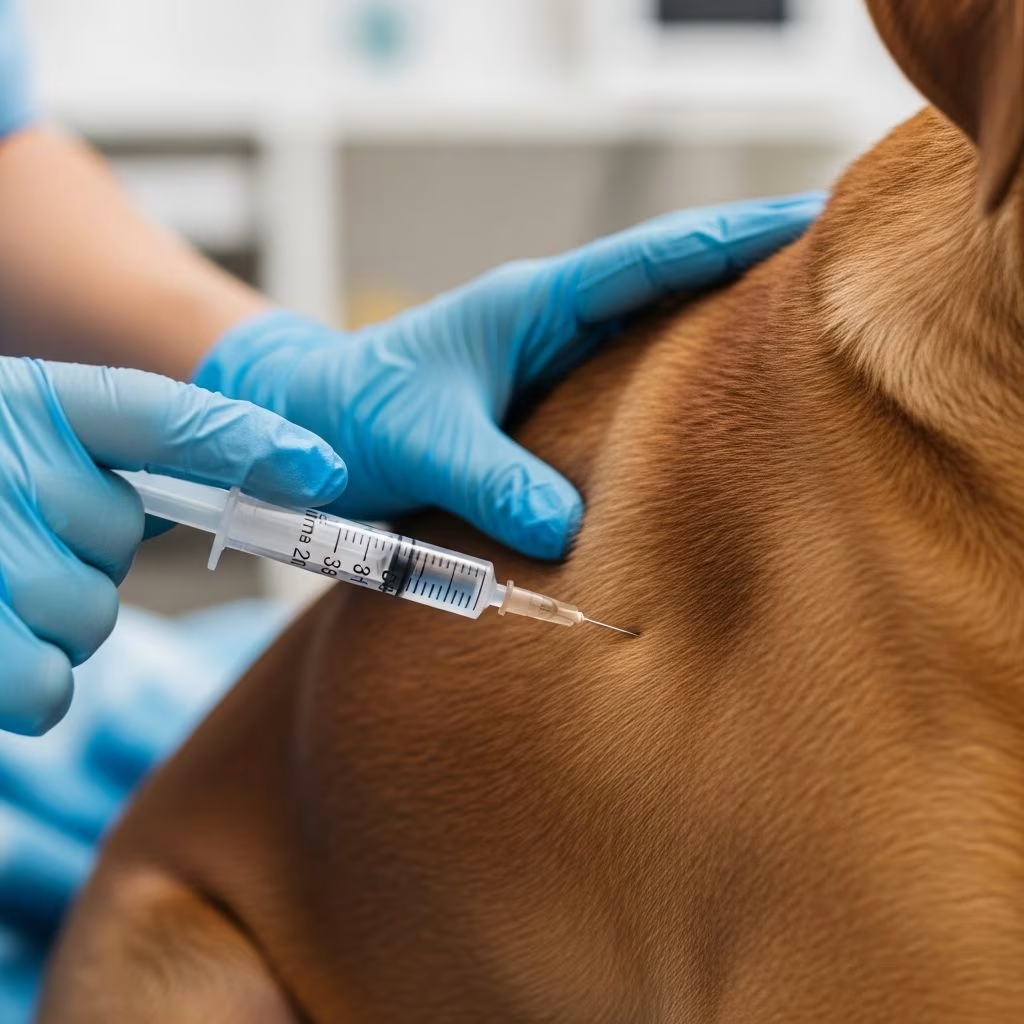
Diabetes mellitus in dogs requires lifelong insulin administration to regulate blood glucose levels effectively. This therapy replaces the insulin deficiency from damaged pancreatic cells, helping restore normal metabolic function and prevent severe complications.
Understanding Diabetes in Canines
Canine diabetes primarily stems from insufficient insulin production by the pancreas, leading to elevated blood sugar that damages organs over time. Unlike humans, most dogs develop Type 1 diabetes, necessitating external insulin replacement.
Symptoms include excessive thirst, urination, weight loss despite increased appetite, lethargy, and recurrent infections. Early diagnosis via blood tests and urinalysis allows prompt intervention, improving prognosis significantly.
Types of Insulin Suitable for Dogs
Veterinarians select insulin based on duration of action, onset speed, and the dog’s stability. Intermediate-acting insulins are standard starters for stable patients, while short-acting ones suit emergencies.
- Lente Insulin (Vetsulin): Porcine-derived, FDA-approved for dogs, with 12-hour duration; requires vigorous shaking before use.
- NPH Insulin (Humulin-N, Novolin-N): Human recombinant, intermediate-acting (6-10 hours), affordable and widely available; often needs twice-daily dosing.
- Protamine Zinc Insulin (ProZinc): Long-acting, FDA-approved initially for cats but effective in dogs at once-daily doses in many cases.
- Long-Acting Options (Glargine/Lantus, Detemir/Levemir): Human analogs for dogs unresponsive to standard insulins; provide extended coverage up to 24 hours.
Short-acting regular insulin treats acute crises like ketoacidosis via IV or IM routes in hospitalized dogs.
Initial Dosing Protocols
Conservative starting doses minimize hypoglycemia risk. For uncomplicated cases, begin at 0.25-0.5 units per kg body weight every 12 hours, adjusting based on response.
| Insulin Type | Starting Dose (U/kg) | Frequency |
|---|---|---|
| Lente or NPH | 0.25-0.5 | Every 12 hours |
| Detemir | 0.25 | Every 12 hours |
| ProZinc | 0.5 | Once or twice daily |
| Vetsulin (once-daily start) | 0.5 | Once daily, transition if needed |
Full stabilization takes 4-6 weeks; monitor closely during this period.
Administering Insulin Safely
Subcutaneous injections are standard, using U-40 or U-100 syringes matched to insulin concentration. Inject into loose skin over the neck or back, rotating sites to avoid irritation.
Feed the dog immediately before or with the injection to pair it positively and prevent low blood sugar. Consistency in timing—every 12 hours—is crucial.
- Prepare insulin: Gently roll (or shake if required) the vial; draw exact dose into syringe.
- Locate site: Tent skin, insert needle at 45-degree angle.
- Inject slowly, withdraw needle, stroke area.
- Monitor for 30 minutes post-injection.
Owners should receive hands-on training from vets.
Blood Glucose Monitoring Essentials
Regular checks guide dose adjustments. Home glucometers designed for pets provide curves plotting levels pre- and post-meal/injection.
Target range: 100-250 mg/dL pre-meal; nadir (lowest point) 80-120 mg/dL 4-8 hours post-insulin. Curves every 2-4 weeks initially, then monthly.
- Use ear or lip prick for samples.
- Avoid stress-induced spikes by acclimating the dog.
- Urine strips detect glucose/ketones as backups.
Nutritional Strategies for Diabetic Dogs
Diet stabilizes glucose absorption. High-insoluble fiber foods blunt post-meal spikes; feed twice daily matching insulin schedule.
Ideal diet: 30-40% protein, moderate fat, high fiber (5-15%). Avoid simple carbs; prescription formulas like Hill’s w/d or Purina DM excel.
Consistent portions prevent fluctuations; treats should be low-glycemic veggie-based.
Recognizing and Handling Hypoglycemia
Overdosing or missed meals causes low blood sugar: tremors, weakness, seizures. Rub sugar water on gums immediately; follow with food once stable, then call vet.
Prevent by never skipping doses, monitoring curves, and dose reductions during illness.
Adjusting Therapy Over Time
Dogs may need tweaks for growth, seasons, or concurrent diseases like hypothyroidism. Annual vet exams include fructosamine tests for long-term control.
If standard insulins fail (short duration), switch to glargine or detemir; ProZinc suits once-daily needs.
Common Challenges and Solutions
| Challenge | Solution |
|---|---|
| Somnogyism (insulin resistance) | Rule out infections, heat; temporary high doses |
| Post-prandial hyperglycemia | NPH/Regular mix or fiber-rich diet |
| Injection site issues | Rotate sites, check for lipohypertrophy |
| Cost concerns | Opt for generic NPH; dosing pens for accuracy |
Long-Term Prognosis and Complications
With diligent management, diabetic dogs live normal lifespans, though cataracts and UTIs are risks. Twice-yearly vet visits catch issues early.
Comorbidities like pancreatitis worsen control; vaccines and dental care remain vital.
Frequently Asked Questions
What if my dog misses an insulin dose?
Give next dose on schedule; do not double. Feed lightly and monitor for high sugar signs.
Can diabetic dogs exercise normally?
Yes, but consistent routines; extra snacks for vigorous activity to counter glucose drop.
Is pork-derived insulin safe long-term?
Vetsulin is FDA-approved and effective; rare allergies monitored by vets.
How do I store insulin?
Unopened vials in fridge; opened at room temp up to 28 days, away from heat/light.
Are there oral alternatives to injections?
No reliable ones for dogs; insulin shots remain gold standard.
Partnering with Your Veterinarian
Success hinges on teamwork: log glucose/food/exercise data for reviews. Apps aid tracking; emergencies demand immediate contact.
Expand to endocrinologists for tough cases.
References
- Treating and Managing Diabetes Mellitus in Dogs — Today’s Veterinary Practice. 2023. https://todaysveterinarypractice.com/endocrinology/treating-and-managing-diabetes-mellitus-in-dogs/
- Diabetes Mellitus – Insulin Treatment in Dogs — Kingsbrook Veterinary Hospital. 2022. https://kingsbrookvet.com/pdf/Diabetes%20Mellitus%20-%20Insulin%20Treatment%20in%20Dogs.pdf
- Insulins commonly used in dogs and cats – AAHA — American Animal Hospital Association. 2018. https://www.aaha.org/resources/2018-aaha-diabetes-management-guideline-for-dogs-and-cats/insulin-therapies/
- Update on insulin treatment for dogs and cats: insulin dosing pens — PMC (Peer-reviewed). 2018-07-01. https://pmc.ncbi.nlm.nih.gov/articles/PMC6067590/
- Dosing Overview – Merck Animal Health USA — Merck Animal Health. 2024. https://www.merck-animal-health-usa.com/hub/vetsulin/dogs/dosing-overview-for-canines/
- Understanding Insulin for Diabetic Pets — Tufts University Veterinary. 2023. https://tuftsvets.org/about/blog/understanding-insulin-for-diabetic-pets.php
- Managing canine diabetes — Cornell University College of Veterinary Medicine. 2024. https://www.vet.cornell.edu/departments-centers-and-institutes/riney-canine-health-center/canine-health-information/managing-canine-diabetes



