

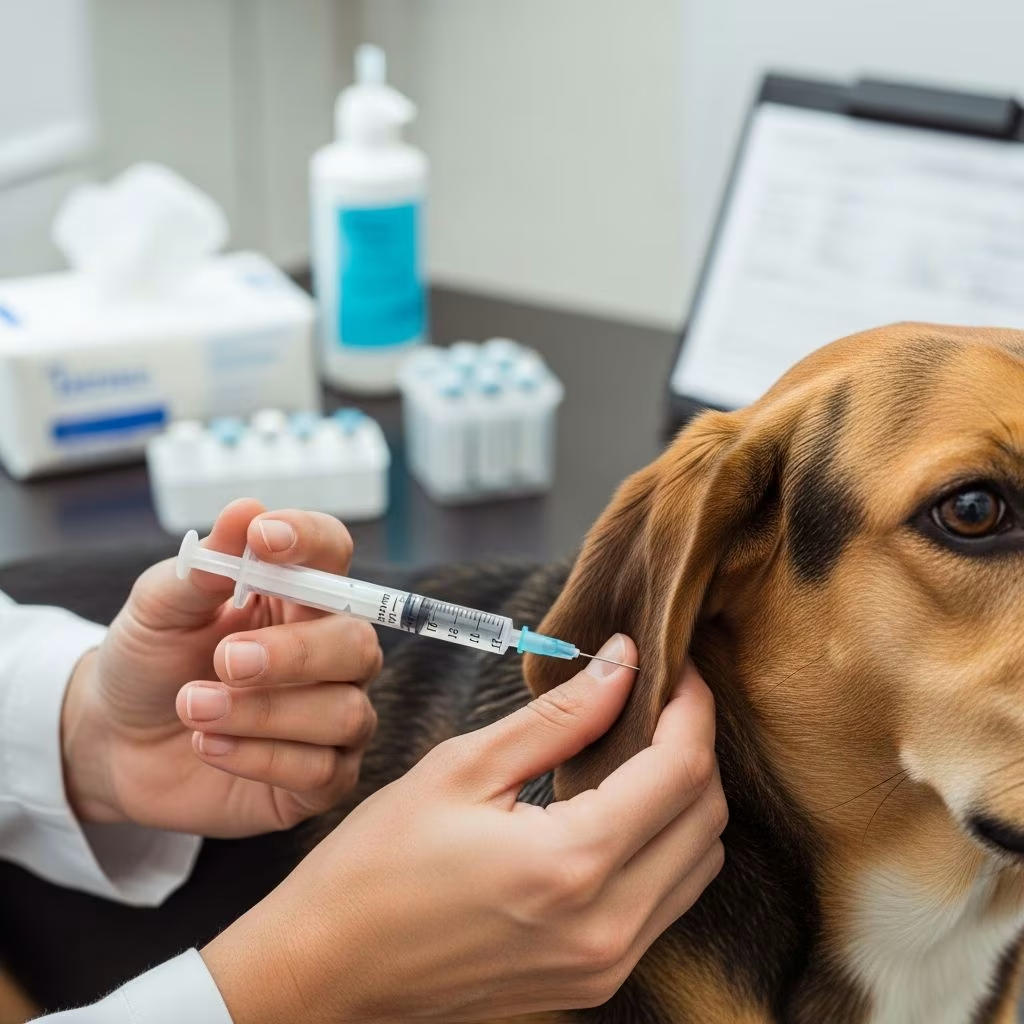
Insulin therapy forms the cornerstone of managing diabetes mellitus in dogs, addressing the deficiency in pancreatic beta cell function that leads to elevated blood glucose levels. This treatment replaces the missing hormone, stabilizes metabolism, and prevents life-threatening complications when administered correctly.
Understanding Diabetes in Dogs and Insulin’s Role
Diabetes mellitus occurs when a dog’s body cannot produce sufficient insulin or utilize it effectively, resulting in hyperglycemia. Most cases in dogs resemble type 1 diabetes in humans, requiring lifelong exogenous insulin injections. Veterinary guidelines emphasize starting therapy promptly in stable patients to restore normal eating, drinking, and energy levels.
The pancreas’s beta cells fail to secrete insulin, prompting the need for replacement therapy. Short-acting insulins stabilize critically ill dogs, while intermediate or long-acting options suit outpatient care. Proper management enhances quality of life and averts issues like ketoacidosis.
Available Insulin Types for Canine Use
Veterinarians select insulins based on duration, onset, and canine response. Key options include:
- Lente insulin (Vetsulin): FDA-approved porcine zinc suspension with intermediate action lasting about 12 hours in dogs. Requires vigorous shaking before use.
- NPH (Neutral Protamine Hagedorn): Human recombinant isophane insulin, intermediate-acting, typically dosed twice daily. Least expensive option but may need adjustment for full coverage.
- Protamine Zinc Insulin (ProZinc): Long-acting recombinant human insulin, FDA-approved for once-daily use in some dogs, effective in 72% of trial subjects.
- Glargine (Lantus) and Detemir (Levemir): Long-acting human analogs with potential for extended duration; start at lower doses due to potency.
Each type varies in concentration (U-40 or U-100), requiring matching syringes to avoid dosing errors. Dogs may respond differently, necessitating trials for optimal fit.
Determining the Right Starting Dose
Initial dosing follows conservative protocols to minimize hypoglycemia risk. Standard recommendation: 0.25-0.5 units per kg body weight every 12 hours for most insulins, except detemir at 0.25 units/kg.
| Insulin Type | Starting Dose (U/kg) | Frequency |
|---|---|---|
| Lente (Vetsulin) | 0.25-0.5 | q12h or once daily initially |
| NPH | 0.25-0.5 | q12h |
| ProZinc | 0.5 | Once daily |
| Glargine/Detemir | 0.25 | q12h |
For a 20 kg dog, this equates to 5-10 units per dose. Adjustments occur over 4-6 weeks based on blood glucose curves. Once-daily regimens may transition to twice-daily if duration proves inadequate, reducing each dose by 25%.
Safe Injection Techniques and Best Practices
Administer subcutaneously using U-40 or U-100 syringes matched to insulin strength. Key steps:
- Roll or shake vial per instructions (vigorously for lente).
- Feed the dog first to pair injection with positive experience.
- Choose loose skin sites: scruff, flank, or abdomen; rotate locations.
- Insert needle at 45-degree angle, inject slowly, no massage needed.
- Store unopened vials refrigerated; opened at room temperature up to 42 days.
Consistency in timing—every 12 hours—prevents fluctuations. Owners should monitor for injection site reactions.
Integrating Diet and Lifestyle for Glycemic Control
Feed twice daily, coinciding with injections, using high-insoluble fiber diets to slow glucose absorption and blunt postprandial spikes. Avoid free-feeding; portion control is essential.
- Select prescription diets formulated for diabetics.
- Maintain ideal body weight to enhance insulin sensitivity.
- Incorporate moderate exercise post-feeding, keeping routines steady.
Dietary fiber reduces hyperglycemia peaks, complementing insulin action.
Blood Glucose Monitoring Strategies
Home monitoring tracks curves: measure pre- and post-meal levels over 12-24 hours monthly until stable. Target range: 100-250 mg/dL, nadir 80-120 mg/dL.
Tools include glucometers (human models work with calibration), continuous monitors, or vet visits. Signs of issues: lethargy, seizures (hypo), thirst (hyper).
Recognizing and Managing Hypoglycemia
Hypoglycemia arises from overdose, missed meals, or excess activity. Symptoms: weakness, tremors, disorientation, collapse. Emergency response:
- Apply honey or corn syrup to gums.
- Follow with complex carbs once alert.
- Seek vet if unresponsive.
Prevent by gradual dose tweaks and consistent schedules.
Long-Term Management and Adjustments
Full control takes 4-6 weeks; serial curves guide refinements. Factors like heat cycles, infections, or corticosteroids alter needs—increase monitoring then.
Annual exams check for complications: cataracts, neuropathy, UTIs. Some dogs achieve remission early in disease.
Common Challenges and Solutions
| Challenge | Solution |
|---|---|
| Short insulin duration | Switch to glargine or ProZinc |
| Post-meal hyperglycemia | NPH/regular mix or fiber-rich diet |
| Injection resistance | Positive association, site rotation |
| Cost concerns | Opt for NPH; seek assistance programs |
Frequently Asked Questions (FAQs)
What if my dog misses an insulin dose?
Feed a small meal and give half-dose if <6 hours late; skip if >12 hours and resume schedule. Consult vet.
Can insulin be given intravenously at home?
No—reserved for hospitalized, unstable cases using short-acting types.
How do I know if the dose needs changing?
Persistent symptoms or curve extremes indicate adjustment; never alter without vet guidance.
Is once-daily dosing sufficient?
For ProZinc or adjusted Vetsulin in some dogs; monitor closely.
What storage conditions preserve potency?
Refrigerate unopened; room temp opened, away from heat/light.
Advanced Considerations for Optimal Outcomes
Individualize therapy: larger dogs may need higher total units but same U/kg. Pregnancy or obesity complicates control—tailor accordingly. Emerging tools like insulin pens simplify precision dosing.
Vet collaboration ensures success; educate on urine glucose/ketone strips as adjuncts. Prognosis excels with adherence: most dogs thrive years post-diagnosis.
References
- Treating and Managing Diabetes Mellitus in Dogs — Today’s Veterinary Practice. 2023. https://todaysveterinarypractice.com/endocrinology/treating-and-managing-diabetes-mellitus-in-dogs/
- Diabetes Mellitus – Insulin Treatment in Dogs — Kingsbrook Veterinary Hospital. 2022. https://kingsbrookvet.com/pdf/Diabetes%20Mellitus%20-%20Insulin%20Treatment%20in%20Dogs.pdf
- Insulins commonly used in dogs and cats – AAHA — American Animal Hospital Association. 2018. https://www.aaha.org/resources/2018-aaha-diabetes-management-guideline-for-dogs-and-cats/insulin-therapies/
- Update on insulin treatment for dogs and cats: insulin dosing pens — PMC (Peer-reviewed). 2018-07-01. https://pmc.ncbi.nlm.nih.gov/articles/PMC6067590/
- Dosing Overview – Merck Animal Health USA — Merck Animal Health. 2024. https://www.merck-animal-health-usa.com/hub/vetsulin/dogs/dosing-overview-for-canines/
- Understanding Insulin for Diabetic Pets — Tufts University Cummings School of Veterinary Medicine. 2023. https://tuftsvets.org/about/blog/understanding-insulin-for-diabetic-pets.php
- Managing canine diabetes — Cornell University College of Veterinary Medicine. 2024. https://www.vet.cornell.edu/departments-centers-and-institutes/riney-canine-health-center/canine-health-information/managing-canine-diabetes



