Canine Influenza Virus (CIV) Vaccine: Protection Guide
Complete guide to CIV vaccination: protect your dog from canine flu with expert insights.
Understanding Canine Influenza Virus and the Need for Vaccination
Canine influenza virus (CIV) is a highly contagious respiratory infection that affects dogs worldwide. This viral pathogen can spread rapidly through dog populations, particularly in environments where animals congregate such as boarding facilities, dog parks, and shelters. The virus was first identified in dogs in 2004 and has since become a significant concern for pet owners and veterinarians. Understanding the basics of CIV and the protective role of vaccination is essential for maintaining your dog’s health and preventing outbreaks in your community.
The severity of canine influenza varies depending on the strain involved. Currently, two main strains circulate in dog populations: H3N8 and H3N2. The H3N2 strain appears to cause more severe clinical signs in infected dogs compared to other respiratory infections. Nearly 100% of dogs exposed to the CIV virus will become infected, making prevention through vaccination a critical strategy for at-risk animals.
What Is Canine Influenza Virus?
Canine influenza is a respiratory viral infection that spreads through direct contact between dogs or through contaminated surfaces, equipment, and human hands. The virus enters a dog’s body through the nose, eyes, or mouth. Once infected, dogs can continue shedding the virus for up to 30 days after infection, even after they no longer appear sick. This extended shedding period makes isolation and prevention measures particularly important.
The virus primarily affects the respiratory tract, causing inflammation and damage to the lungs and airways. This damage compromises the normal defense mechanisms of the canine respiratory tract, making dogs susceptible to secondary bacterial infections. These secondary infections can significantly complicate the clinical course of the disease and lead to more serious conditions such as pneumonia.
Recognizing the Symptoms of Canine Influenza
Recognizing the clinical signs of canine influenza is crucial for early intervention and preventing spread to other dogs. Most dogs develop signs of illness within 2-4 days of becoming infected with CIV. The symptoms are similar to those seen in human influenza and include:
- A persistent cough that may sound honking or be dry and non-productive
- Nasal discharge that may be clear or greenish
- Watery or runny eyes
- Fever ranging from mild to high (103°F and above)
- Lethargy and decreased activity level
- Loss of appetite and reduced water consumption
- Difficulty breathing or rapid breathing
- Hard swallowing or excessive throat clearing
The most common clinical sign of canine influenza is a cough that does not respond to antibiotic or cough suppressant therapy and persists for 10-21 days. This distinctive cough is one of the hallmark features that helps veterinarians distinguish CIV from other respiratory infections. In mild cases, dogs may experience only these upper respiratory symptoms. However, some dogs develop more severe manifestations including secondary bacterial infections, pneumonia, and potentially life-threatening complications.
Who Should Consider CIV Vaccination?
Vaccination against canine influenza should be considered for specific categories of dogs with higher risk of exposure or complications. Veterinarians typically recommend CIV vaccination for:
- Dogs that travel frequently or are transported to different locations
- Dogs that participate in shows or competitive events
- Dogs that are boarded regularly at facilities
- Dogs that frequent dog parks or have regular contact with other dogs
- Dogs with pre-existing heart or respiratory conditions
- Certain breeds that may be at higher risk for complications
- Dogs in areas with known CIV outbreaks
- Puppies and senior dogs with compromised immune systems
If your dog fits into any of these categories, discussing CIV vaccination with your veterinarian is highly recommended. Your veterinarian will assess your individual dog’s risk factors, lifestyle, and health status to determine whether vaccination is appropriate.
How Does the CIV Vaccine Work?
The canine influenza virus vaccine works by stimulating the immune system to produce antibodies and cellular responses against the virus. Currently, approved CIV vaccines are available in the United States and Canada. These vaccines are typically inactivated (non-live) vaccines that contain viral antigens without infectious virus particles. When administered, the vaccine prompts the dog’s immune system to develop specific antibodies against CIV without causing actual infection.
It is important to understand that the CIV vaccine cannot completely prevent the disease. Rather, vaccination reduces the severity and duration of clinical signs associated with infection if a vaccinated dog is subsequently exposed to the virus. This protection is especially valuable for at-risk dogs and helps reduce the spread of outbreaks within dog populations. Vaccinated dogs that do become infected typically experience milder symptoms and shorter recovery periods than unvaccinated dogs.
Vaccination Schedule and Administration
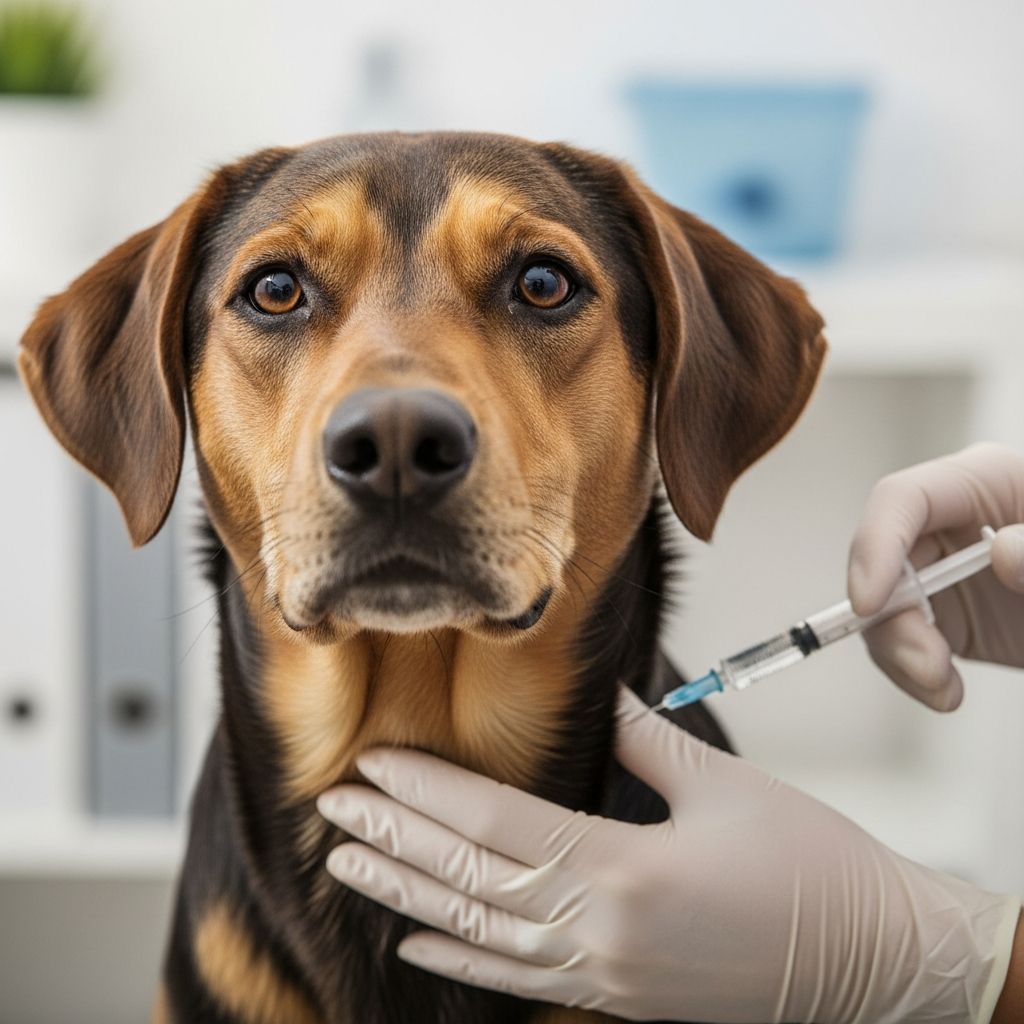
The CIV vaccine is typically administered as an injection and may require a specific vaccination schedule to provide optimal protection. Initial vaccination usually consists of two doses given 2-3 weeks apart, followed by annual booster vaccinations to maintain immunity. Your veterinarian will recommend the appropriate vaccination schedule based on your dog’s age, health status, and risk factors.
Puppies should ideally receive their initial CIV vaccination series starting at 6-8 weeks of age, with boosters administered at appropriate intervals. Adult dogs that have never been vaccinated against CIV should receive the initial two-dose series followed by annual boosters. Vaccination can typically be coordinated with your dog’s routine wellness visits and other necessary vaccinations.
Effectiveness of the CIV Vaccine
Studies and clinical experience have demonstrated that the CIV vaccine provides significant protection against severe canine influenza. While vaccinated dogs may still contract the virus if exposed, they typically experience:
- Reduced severity of clinical signs
- Shorter duration of illness
- Lower risk of developing secondary bacterial infections
- Decreased likelihood of pneumonia and serious complications
- Faster recovery and return to normal activity
The vaccine’s ability to reduce disease severity is particularly important for dogs with pre-existing health conditions, senior dogs, and very young puppies who may be at higher risk for complications. By reducing the severity of infection, vaccination also helps decrease viral shedding and the spread of CIV within dog populations.
Safety Profile of the CIV Vaccine
The canine influenza virus vaccine has an excellent safety record. There have been no reported significant adverse issues with the CIV vaccination to date. Like all vaccines, mild reactions may occasionally occur, including localized swelling at the injection site, mild lethargy, or temporary loss of appetite. These reactions are typically mild and resolve within 24-48 hours.
Serious adverse reactions to the CIV vaccine are extremely rare. Your veterinarian will discuss potential side effects and answer any concerns you may have regarding vaccine safety. If your dog has a history of vaccine reactions or severe allergies, inform your veterinarian before vaccination so appropriate precautions can be taken.
Diagnosis and Treatment of Canine Influenza
Even with vaccination, some dogs may still contract canine influenza. Prompt diagnosis and appropriate treatment can significantly impact recovery. Veterinarians typically diagnose CIV through nasal swabs submitted for polymerase chain reaction (PCR) testing, which detects viral genetic material. For early diagnosis within the first few days of illness, PCR testing is most accurate. After four days of illness, blood testing for CIV antibodies (serology) is more reliable, comparing antibody levels taken 2-3 weeks apart.
Treatment for canine influenza focuses on supportive care rather than antiviral medications, as no antivirals are currently approved for CIV. Supportive care includes maintaining hydration, proper nutrition, rest in a warm and dry environment, and isolation from other dogs. Your veterinarian may prescribe cough suppressants, anti-inflammatory medications, or antibiotics if secondary bacterial infections develop. Dogs with severe cases may require hospitalization with intravenous fluid support and intensive monitoring.
Managing an Infected Dog and Preventing Spread
If your dog develops canine influenza, strict isolation measures are essential to prevent transmission to other dogs. Infected dogs should be kept away from other animals for at least 4 weeks, even if they appear to have recovered. This extended isolation period accounts for the prolonged viral shedding that occurs even after clinical signs resolve.
Prevent spread by:
- Avoiding trips to dog parks, groomers, and boarding facilities
- Preventing contact with other dogs during walks
- Thoroughly cleaning and disinfecting clothing, equipment, and surfaces with soap and water after contact with the infected dog
- Washing hands thoroughly after handling an infected dog before contacting other animals
- Using separate food and water bowls, bedding, and toys
Recovery and Long-term Outlook
Most dogs fully recover from canine influenza within 2-3 weeks with proper supportive care. However, some dogs may experience a persistent cough for several weeks even after the acute illness resolves. This residual cough does not indicate ongoing contagiousness—dogs are generally free of CIV by 7 days after the onset of clinical signs.
While the mortality rate from CIV alone is very low, the morbidity rate (percentage of exposed dogs that become infected) can be very high at 60-80%, particularly in congregate settings. Secondary bacterial infections and pneumonia can lead to serious complications, particularly in elderly dogs, young puppies, or dogs with pre-existing respiratory or cardiac conditions.
Comparing CIV with Other Canine Respiratory Infections
| Feature | Canine Influenza (CIV) | Kennel Cough (Bordatella) | Canine Parainfluenza |
|---|---|---|---|
| Primary Symptoms | Persistent cough, fever, nasal discharge | Harsh, dry cough | Mild respiratory signs |
| Contagiousness | Highly contagious (60-80% infection rate) | Very contagious | Moderately contagious |
| Duration | 10-21 days for acute illness | 5-14 days | 5-10 days |
| Vaccine Available | Yes (inactivated) | Yes (intranasal or injectable) | Included in combination vaccines |
| Secondary Infections Risk | High | Low to moderate | Low |
When to Contact Your Veterinarian
Contact your veterinarian immediately if your dog displays any signs consistent with canine influenza, particularly if your dog has been in contact with other dogs or has visited locations where CIV may be present. Early veterinary evaluation is important for accurate diagnosis and to establish appropriate treatment plans.
Seek emergency care if your dog experiences:
- Severe difficulty breathing or rapid, labored breathing
- Blue-tinged gums or tongue (cyanosis)
- High fever (above 104°F)
- Collapse or loss of consciousness
- Persistent vomiting or inability to drink
- Signs of pneumonia such as productive cough with discolored discharge
Making the Vaccination Decision
Deciding whether to vaccinate your dog against canine influenza is an individualized decision that should be made in consultation with your veterinarian. Consider your dog’s lifestyle, age, health status, and risk of exposure. Dogs with minimal contact with other dogs and those living in areas with low CIV prevalence may have lower vaccination needs, while highly social dogs or those in congregate settings benefit significantly from immunization.
Your veterinarian can provide specific recommendations based on your dog’s unique circumstances and help you weigh the benefits of vaccination against any potential risks. Regular communication with your veterinarian ensures your dog receives appropriate preventive care tailored to individual health needs.
Frequently Asked Questions
Q: Can my dog get canine influenza if vaccinated?
A: Yes, vaccinated dogs can still contract CIV if exposed to the virus. However, vaccinated dogs typically experience milder symptoms and shorter recovery periods than unvaccinated dogs.
Q: How often does my dog need CIV vaccine boosters?
A: After the initial two-dose series, dogs typically require annual booster vaccinations to maintain immunity. Your veterinarian will recommend the appropriate schedule based on your dog’s individual risk factors.
Q: Is the CIV vaccine safe for puppies and senior dogs?
A: Yes, the CIV vaccine is safe for puppies and senior dogs. In fact, these age groups may benefit most from vaccination due to their higher risk of severe complications from CIV infection.
Q: Can humans catch canine influenza?
A: No, humans cannot contract canine influenza. However, humans can help spread the virus to other dogs through contaminated clothing and hands, so proper hygiene is important when handling infected dogs.
Q: How long does it take for vaccination to provide protection?
A: It typically takes 1-2 weeks after vaccination for dogs to develop adequate immune protection against CIV. Full protection is usually achieved after completing the initial two-dose vaccine series.
Q: What should I do if my dog is exposed to a dog with CIV?
A: Monitor your dog closely for symptoms over the next 2-4 days. Contact your veterinarian if any respiratory signs develop. Keep your dog isolated from other animals for at least 4 weeks to prevent potential transmission.
References
- Canine Influenza: Understanding Symptoms, Causes, and Treatments — Pet Vet Fishers. 2024. https://www.petvetfishers.com/blog/canine-influenza-understanding-symptoms-causes-and-treatments
- Canine Influenza Guidelines for Dog Owners — Minnesota Board of Animal Health. 2024. https://www.bah.state.mn.us/sites/default/files/documents/Canine-Influenza-Guidelines-for-Dog-Owners.pdf
- Dog Flu (Canine Influenza): Symptoms and Treatment — PetMD. 2024. https://www.petmd.com/dog/conditions/respiratory/dog-flu-canine-influenza-dogs
- Canine Influenza: The Dog Flu — VCA Animal Hospitals. 2024. https://vcahospitals.com/know-your-pet/canine-influenza-the-dog-flu
- Canine Influenza Virus Testing Protocols and Interpretations — Cornell University Animal Health Diagnostic Center. 2024. https://www.vet.cornell.edu/animal-health-diagnostic-center/testing/testing-protocols-interpretations/canine-influenza-virus
- Canine Influenza Virus: Diagnosis, Treatment, and Control — ASPCA Professional. 2024. https://www.aspcapro.org/resource/canine-influenza-virus-diagnosis-treatment-and-control
- What Is Dog Flu: Signs, Symptoms, and How to Treat It — Trudell Animal Health. 2024. https://trudellanimalhealth.com/blogs/blog/what-is-dog-flu-signs-symptoms-and-how-to-treat-it
Similar Articles








Read full bio of medha deb