

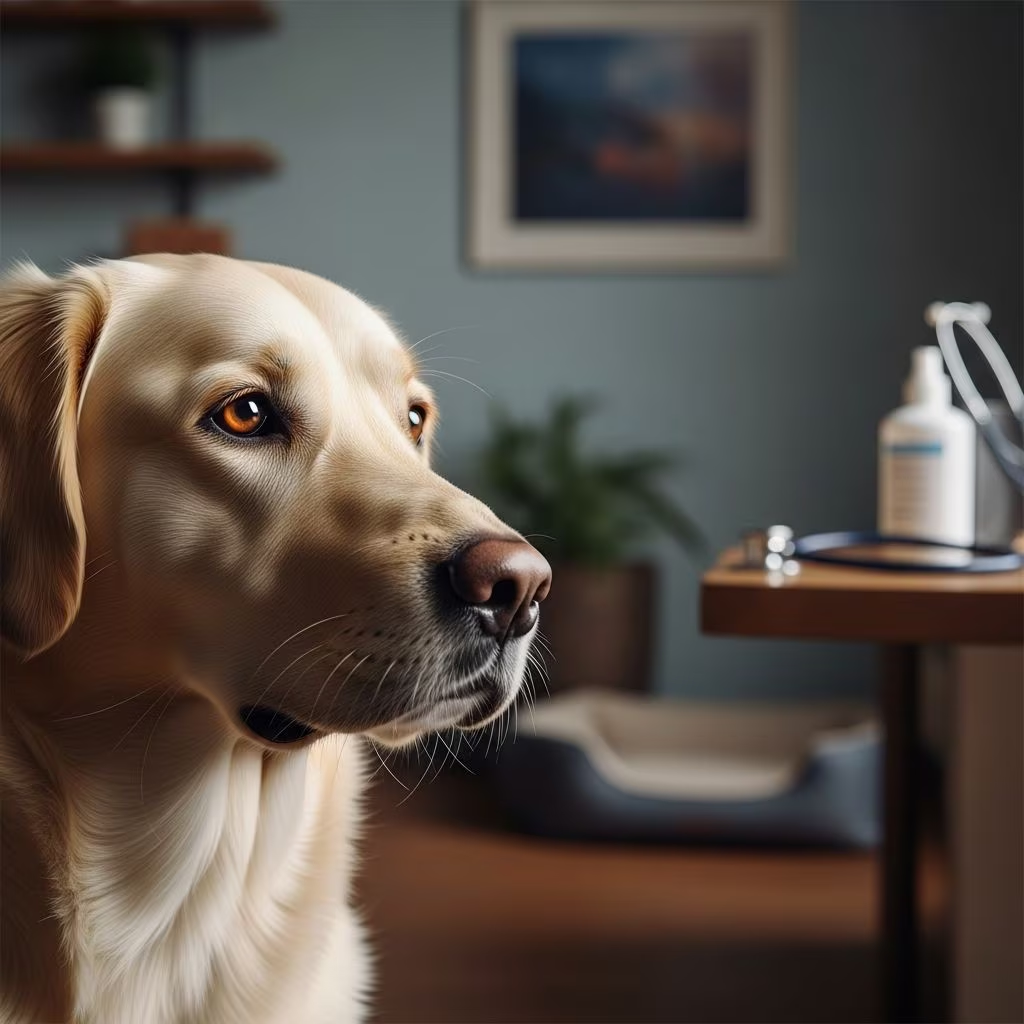
Understanding Canine Influenza: The Dog Flu
Canine influenza, commonly referred to as dog flu, is a highly contagious viral respiratory illness that affects dogs worldwide. This infectious disease is caused by specific influenza viruses that primarily target the canine respiratory system. Unlike the human influenza virus, canine influenza cannot spread to people, making it a disease of concern only for your four-legged companions. Understanding this illness is crucial for pet owners who want to maintain their dog’s health and prevent transmission to other dogs in their community.
The canine influenza virus has become increasingly prevalent in recent years, with documented outbreaks in various regions. Pet owners should be aware that this virus is distinct from kennel cough and other respiratory infections, though it shares some similar symptoms. Early recognition and appropriate veterinary care can significantly impact your dog’s recovery and prevent complications.
How Canine Influenza Spreads
Canine influenza is highly contagious and spreads through direct contact with infected dogs and their respiratory secretions. When an infected dog coughs, sneezes, or shares water and food bowls with other dogs, the virus can easily transmit to nearby animals. The virus spreads through airborne respiratory droplets, making environments like dog parks, kennels, boarding facilities, and doggy daycares particularly high-risk areas for transmission.
One critical aspect of canine flu transmission is that infected dogs may be contagious before symptoms appear. Dogs can shed the virus and spread it to other animals for up to two days before showing any clinical signs. This asymptomatic contagious period makes prevention through vaccination and good hygiene practices essential. Additionally, humans can inadvertently carry the virus on their hands, clothing, and shoes after contact with infected dogs, potentially transmitting it to their own pets.
Recognizing Canine Influenza Symptoms
Canine influenza symptoms typically develop within two days of exposure to the virus. Affected dogs often appear lethargic and disinterested in normal activities and socialization. Common clinical signs include persistent coughing, sneezing, nasal discharge, and general achiness throughout the body. Some dogs may also experience low-grade fever, reduced appetite, and mild eye discharge.
The symptoms can last between one to three weeks, though most dogs recover within seven to ten days. However, some dogs may develop more severe complications. It is important to seek veterinary attention promptly if your dog exhibits flu-like symptoms, as early intervention can help prevent serious complications such as pneumonia. Severe cases may lead to more serious conditions requiring intensive care and hospitalization.
Diagnosis and Veterinary Evaluation
When you suspect your dog has canine influenza, call your veterinarian in advance to inform them of the suspected respiratory infection. This allows your vet to take appropriate precautions and prevent potential transmission to other patients in the waiting room. Your veterinarian may recommend keeping your dog outside or in an isolated area until the appointment to minimize disease spread.
Veterinary diagnosis typically involves clinical examination and assessment of respiratory symptoms. In some states, veterinarians are required to report confirmed cases of canine influenza to government health authorities to help monitor and track the spread of the disease. This reporting helps public health officials understand outbreak patterns and provide guidance to communities.
Treatment Options for Canine Influenza
There is currently no specific cure or antiviral agents approved to treat canine influenza in dogs. Instead, treatment is largely supportive, focusing on maintaining your dog’s comfort and helping their immune system fight off the infection. Your veterinarian will develop a customized treatment plan based on your dog’s specific condition and severity of illness.
Supportive Care at Home
The foundation of canine flu treatment involves keeping your pet in a warm, dry area away from other dogs. Rest is essential for recovery, and your dog should have access to a comfortable sleeping space where they can recuperate undisturbed. Maintaining proper hydration is crucial, so ensure your dog has constant access to fresh, clean water. Some dogs may require encouragement to drink, and your vet might recommend bone broth or other appealing liquids to increase fluid intake.
Nutritional support is vital during recovery. Feed your dog a high-quality diet that meets their nutritional needs and supports immune function. In some cases, especially for dogs with reduced appetite, your veterinarian might recommend soft foods or specially formulated recovery diets that are easier to consume and digest.
Veterinary Medications
Veterinarians may prescribe nonsteroidal anti-inflammatory drugs (NSAIDs) to help control fever and reduce inflammation in the nasal passages and throat. These medications help alleviate discomfort and may encourage your dog to eat and drink more comfortably. Cough suppressants may also be recommended to reduce the frequency and intensity of coughing, allowing your dog better rest.
If your dog develops a secondary bacterial infection, antibiotics such as Clavamox or doxycycline will be prescribed to combat the infection. Secondary bacterial pneumonia can become serious and life-threatening if left untreated, making antibiotic therapy essential in these cases. Some dogs that have not been eating or drinking adequately may require hospitalization for intensive support, including feeding tubes or intravenous fluids to maintain their nutritional status and hydration levels.
Isolation and Quarantine Procedures
Proper isolation is critical to prevent the spread of canine influenza to other dogs. Whether your dog is treated at home or hospitalized, they must be kept separated from other dogs during the illness and recovery period. Veterinarians recommend a quarantine period of at least three to four weeks after symptoms first appear to minimize transmission risk.
During this isolation period, do not take your dog to public places, dog parks, kennels, or boarding facilities. Avoid contact with other dogs, and practice strict hygiene when interacting with your own pet. Wash your hands thoroughly with soap and water before and after handling your dog, especially after cleaning up after them or touching their respiratory secretions.
Preventing Canine Influenza
Prevention is far more effective than treatment when it comes to canine influenza. Several strategies can significantly reduce your dog’s risk of contracting this virus and prevent spread within your community.
Vaccination
Vaccination is the best way to protect your dog from canine influenza. The Nobivac Canine Flu H3N2 Vaccine (NXT) is the first and only licensed vaccine using RNA particle technology to protect dogs against the H3N2 strain of canine influenza. If your dog is exposed to the flu despite vaccination, the vaccine significantly reduces clinical signs, severity, and disease spread by reducing viral shedding to other dogs.
The canine flu vaccine is typically administered as an initial two-shot series, with an annual booster required for continued protection. Ask your veterinarian if vaccinations for respiratory illnesses should be part of your dog’s preventative care plan. While vaccines may not always prevent infection entirely, vaccinated dogs that do become infected typically experience milder symptoms and shorter recovery periods compared to unvaccinated dogs.
Combining the flu vaccine with the intranasal three-way Bordetella, parainfluenza, and adenovirus vaccine provides more complete protection than injectable or oral vaccines. Protecting against these additional pathogens reduces the risk of co-infection with influenza, which can complicate recovery and lead to more severe illness.
Hygiene and Environmental Control
Maintaining excellent hygiene practices is essential for preventing canine influenza transmission. Regularly clean and disinfect food and water bowls, toys, bedding, and other equipment that your dog uses. Stainless steel or disposable dishes are preferable to plastic, as scratched plastic is difficult to fully disinfect and can harbor virus particles.
The influenza virus is relatively fragile in the environment and is easily killed with routine household cleaners. Bleach solutions and soapy water are effective for disinfecting surfaces and equipment. When leaving public spaces where other dogs gather, wash your dog’s paws and your hands thoroughly to remove potential virus particles.
Hand washing is one of the most effective prevention strategies. Wash your hands with soap and water after touching other dogs or visiting places where dogs congregate. If you suspect you’ve been exposed to an infected dog, wash your hands, arms, and clothing before touching your own pet. Consider using hand sanitizer as an additional protective measure when soap and water are not immediately available.
Lifestyle Modifications
Keep your dog away from public places and kennels during times when canine influenza cases have been recently reported in your area. Dog-friendly parks, restaurants with outdoor seating, and boarding facilities present high-risk environments for transmission. If you travel with your pet or live in an area where outbreaks are common, your veterinarian may recommend the flu vaccine as a precautionary measure.
If you come into contact with a dog that you suspect has canine flu or has recently been exposed to it, take extra precautions before interacting with your own dog. The use of a dog paw cleaner after visits to public areas can further reduce the risk of bringing the virus home.
Immune System Support
Maintaining your dog’s overall health and immune function is an important preventive strategy. Probiotics and nutritional supplements can help boost the immune system and maintain overall health. Facilities that house groups of dogs should prioritize high immunity levels among their residents and maintain strict hygiene and infection control practices, including separating sick dogs from healthy ones.
When to Seek Veterinary Care
If your dog begins to experience flu-like symptoms, schedule a veterinary appointment promptly. Early veterinary care helps prevent complications and ensures proper treatment and isolation procedures. Call your veterinarian in advance to inform them that you suspect canine influenza, allowing them to take appropriate precautions.
Seek immediate emergency veterinary care if your dog develops severe symptoms such as difficulty breathing, persistent high fever, or signs of pneumonia. Secondary bacterial pneumonia is a serious complication that requires aggressive antibiotic therapy and may necessitate hospitalization with intensive supportive care.
Frequently Asked Questions About Canine Influenza
Q: Can canine influenza spread from dogs to humans?
A: No, there is no evidence that canine influenza virus can spread from dogs to people. This virus affects only dogs and does not pose a health risk to humans.
Q: How long does it take for symptoms to appear after exposure?
A: Symptoms typically develop within two days of exposure to the canine influenza virus, though some dogs may take slightly longer to show clinical signs.
Q: Is there a cure for canine influenza?
A: There is no specific cure or antiviral treatment for canine influenza. Treatment focuses on supportive care to help your dog’s immune system fight the infection while managing symptoms.
Q: How long should I quarantine my dog after canine flu?
A: Veterinarians recommend quarantining your dog for at least three to four weeks after symptoms first appear to prevent transmission to other dogs.
Q: Does the flu vaccine guarantee my dog won’t get sick?
A: While the vaccine significantly reduces the risk of infection, it may not prevent illness entirely. However, vaccinated dogs that do contract the flu typically experience milder symptoms and shorter recovery periods.
Q: What should I do if my dog shows respiratory symptoms?
A: Contact your veterinarian immediately and inform them of the suspected respiratory infection before arriving at the clinic. Keep your dog isolated from other dogs until examined by a veterinarian.
Summary: Protecting Your Dog from Canine Influenza
Canine influenza is a serious but manageable viral respiratory illness. While there is no cure, supportive veterinary care combined with preventive measures can protect your dog and prevent transmission to other animals in your community. Vaccination, excellent hygiene practices, and lifestyle modifications significantly reduce the risk of infection. If your dog develops symptoms, seek veterinary care promptly to ensure proper treatment and prevent complications. By staying informed and taking proactive steps, you can help keep your dog healthy and support their recovery if they contract this virus.
References
- Canine Influenza: The Dog Flu — VCA Animal Hospitals. 2025. https://vcahospitals.com/know-your-pet/canine-influenza-the-dog-flu
- Canine Influenza (Flu) – Dog Owners — MSD Veterinary Manual. 2024. https://www.msdvetmanual.com/dog-owners/lung-and-airway-disorders-of-dogs/canine-influenza-flu
- Canine influenza — American Veterinary Medical Association. 2024. https://www.avma.org/resources-tools/pet-owners/petcare/canine-influenza
- Dog Flu (Canine Influenza): Symptoms and Treatment — PetMD. 2024. https://www.petmd.com/dog/conditions/respiratory/dog-flu-canine-influenza-dogs
- What Is Dog Flu: Signs & Symptoms, And How To Treat It — Trudell Animal Health. 2024. https://trudellanimalhealth.com/blogs/blog/what-is-dog-flu-signs-symptoms-and-how-to-treat-it
- Canine Flu Symptoms, Treatment and Prevention — Revival Animal Health. 2024. https://www.revivalanimal.com/learning-center/canine-flu-symptoms-treatment-and-prevention
- Canine Influenza Treatment And Prevention — SAS Payneuter. 2024. https://www.saspayneuter.com/canine-influenza-treatment-and-prevention/



